
Chinese cabbage brings a mild flavor and crisp texture to your cooking. This versatile vegetable works well in many different types of dishes, from quick stir-fries to comforting soups.
You can use Chinese cabbage varieties like napa cabbage and bok choy to create delicious meals that range from simple weeknight dinners to more complex dumplings and spring rolls. These recipes show you how to cook with both raw and cooked preparations, including fresh salads, pickled sides, and hot dishes that highlight the vegetable’s natural qualities.
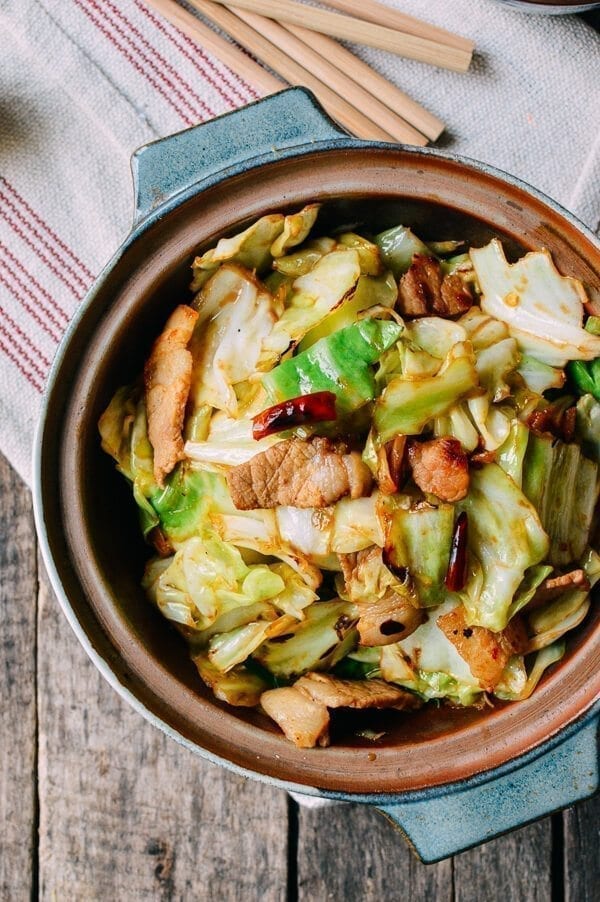
1. Stir-Fried Napa Cabbage with Garlic and Soy Sauce
This classic stir-fry takes less than 20 minutes from start to finish. You’ll need napa cabbage, garlic, soy sauce, and sesame oil for a basic version.
Use high heat to get tender cabbage with a slight crunch. Cut your cabbage into strips and have all ingredients ready before you start cooking.
Minced garlic and fresh ginger go into the hot oil first. Then add the cabbage and toss it quickly in the pan.
Finish with soy sauce and sesame oil for a simple side dish that pairs well with any meal.
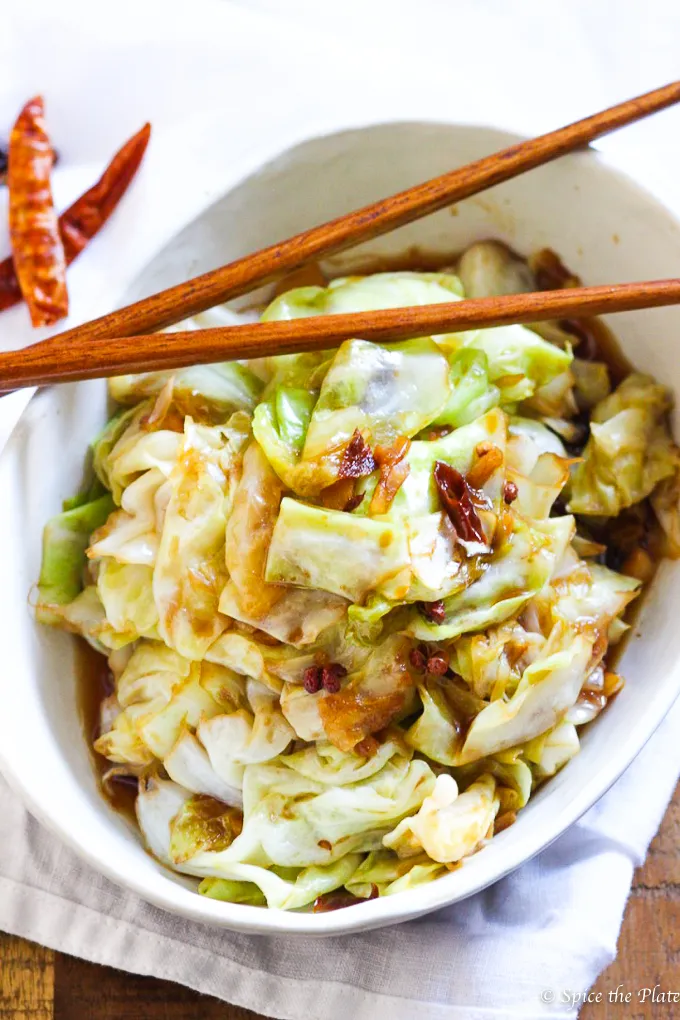
2. Spicy Sichuan Cabbage Salad
This cabbage salad brings bold flavors to your table in just 15 minutes. You’ll get a mix of spicy heat from dried chili peppers and a unique numbing sensation from Sichuan peppercorns.
The dressing combines soy sauce, Chinese vinegar, sugar, and salt for a sweet and tangy taste. Fresh cabbage stays crisp and crunchy, making this dish a great contrast to heavier main courses.
Serve it cold as a refreshing side dish. It works well for summer meals or when you want something light and zesty.
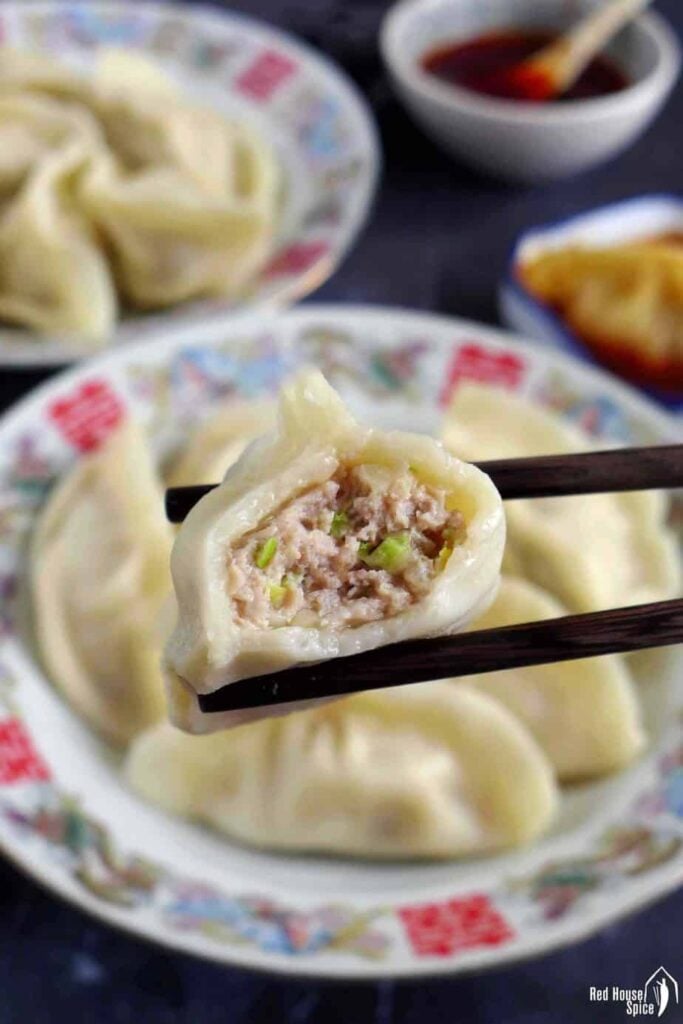
3. Chinese Cabbage and Pork Dumplings
Chinese cabbage and pork dumplings are a classic comfort food you can make at home. The filling combines ground pork with finely chopped cabbage, ginger, garlic, and soy sauce.
These ingredients create a juicy, savory bite. You can cook dumplings three ways: steam them, boil them, or pan-fry them until golden.
Each method gives you tender dumplings with different textures. You can make the filling up to 24 hours ahead and store it in your fridge.
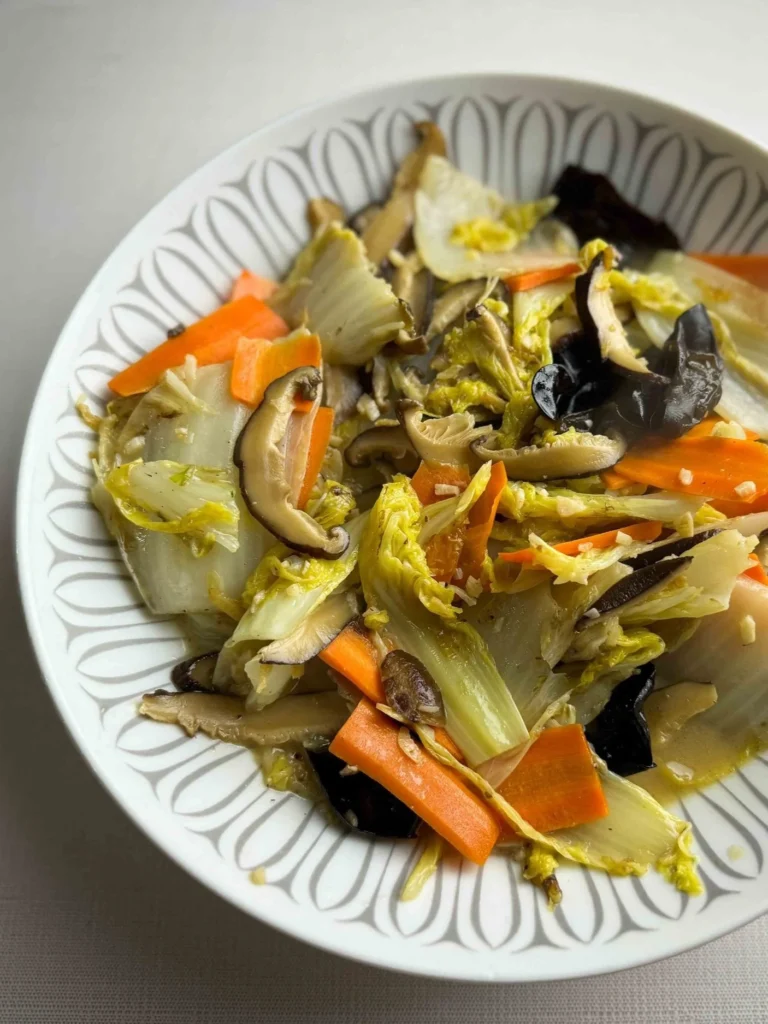
4. Braised Chinese Cabbage with Mushrooms
This classic northern Chinese dish turns simple ingredients into something special. Cook napa cabbage with mushrooms until tender and flavorful.
The mushrooms add a deep, earthy taste that pairs well with the mild cabbage. Shiitake or dried Chinese mushrooms work best for this recipe.
Use pantry staples like soy sauce and garlic. Some versions include dried shrimp for extra flavor.
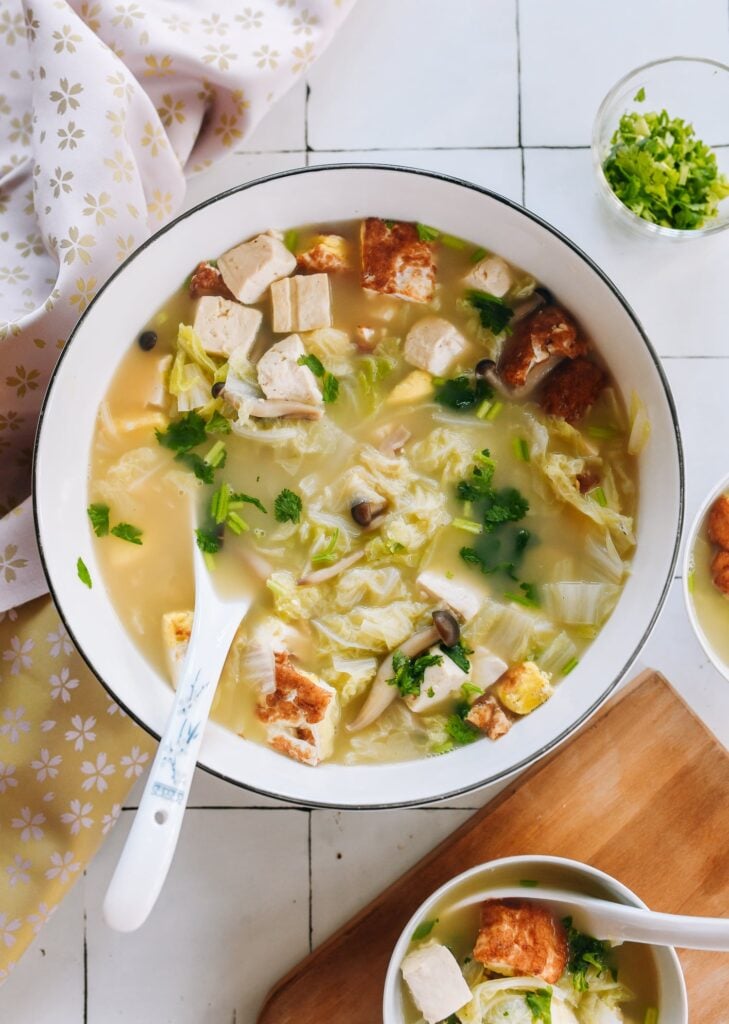
5. Napa Cabbage and Tofu Soup
This Chinese soup combines soft tofu with tender napa cabbage in a light broth. You can make it in about 20 to 30 minutes, which makes it good for busy weeknights.
The soup uses simple ingredients like ginger, garlic, and soy sauce. Many recipes add mushrooms for extra flavor.
Prep the ingredients a day ahead by chopping the cabbage and slicing the tofu. Store them in containers in your fridge.
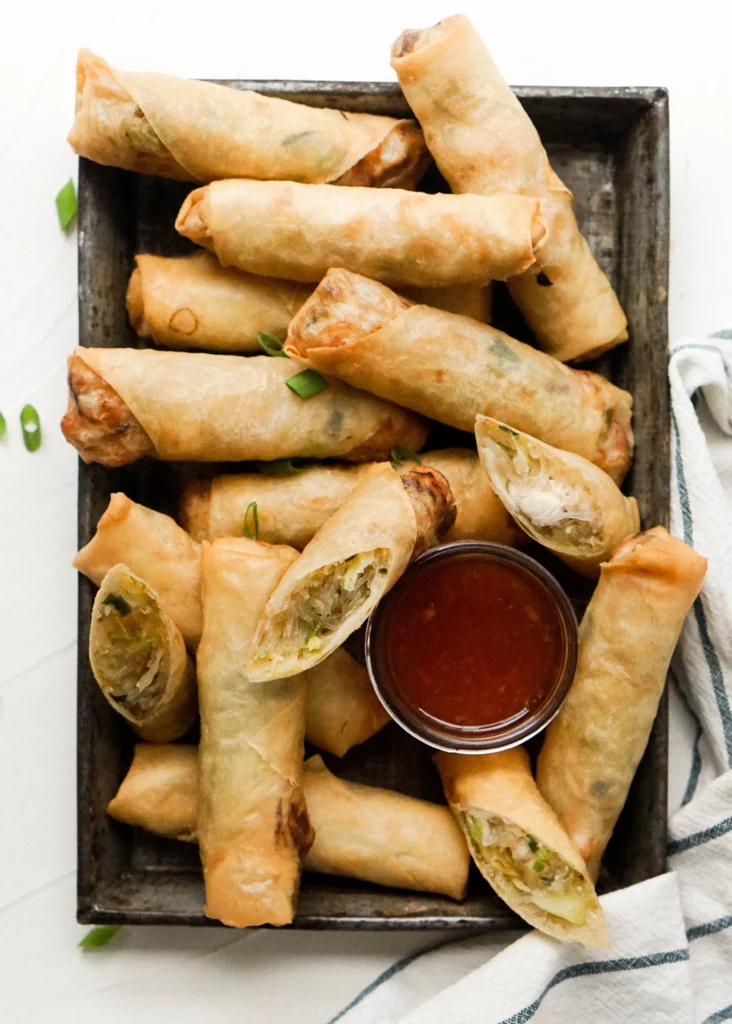
6. Crunchy Cabbage Spring Rolls
Spring rolls make a perfect appetizer or snack when you want something crispy and satisfying. Fill thin wrappers with shredded cabbage, carrots, and bean sprouts for a simple vegetable mixture.
Make sure your filling isn’t too wet before you roll them up to get them extra crunchy. Prepare the vegetable filling a day ahead and store it in your refrigerator.
Serve your spring rolls with soy sauce or a spicy chili-mayo dipping sauce. You can freeze extras for later.

7. Stir-Fried Bok Choy with Oyster Sauce
This classic Chinese side dish takes less than 10 minutes to make. Cook the bok choy stalks first since they need more time than the leaves.
Use high heat and quick cooking to keep the stalks crisp and prevent the leaves from getting soggy. Your sauce needs just oyster sauce, garlic, and a bit of oil.
Some recipes add ginger or soy sauce for extra flavor. The oyster sauce brings a savory, slightly sweet taste that pairs well with rice.
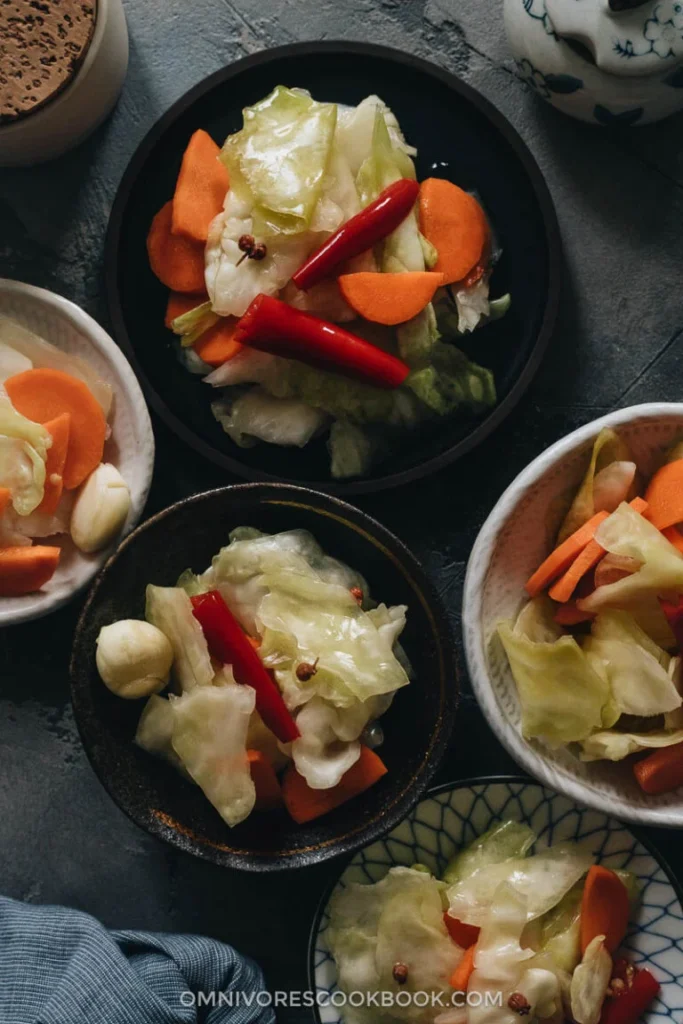
8. Sweet and Sour Pickled Chinese Cabbage
This quick pickle recipe offers a bright, tangy side dish that pairs well with any meal. Combine rice vinegar, water, and sugar to create a simple brine that balances sweet and sour flavors.
The cabbage stays crunchy and refreshing after pickling. Prepare it in minutes and let it sit for two to three days before serving.
Many Chinese restaurants serve pickled cabbage as a complimentary appetizer. Store it in your refrigerator for up to three weeks in an airtight container.
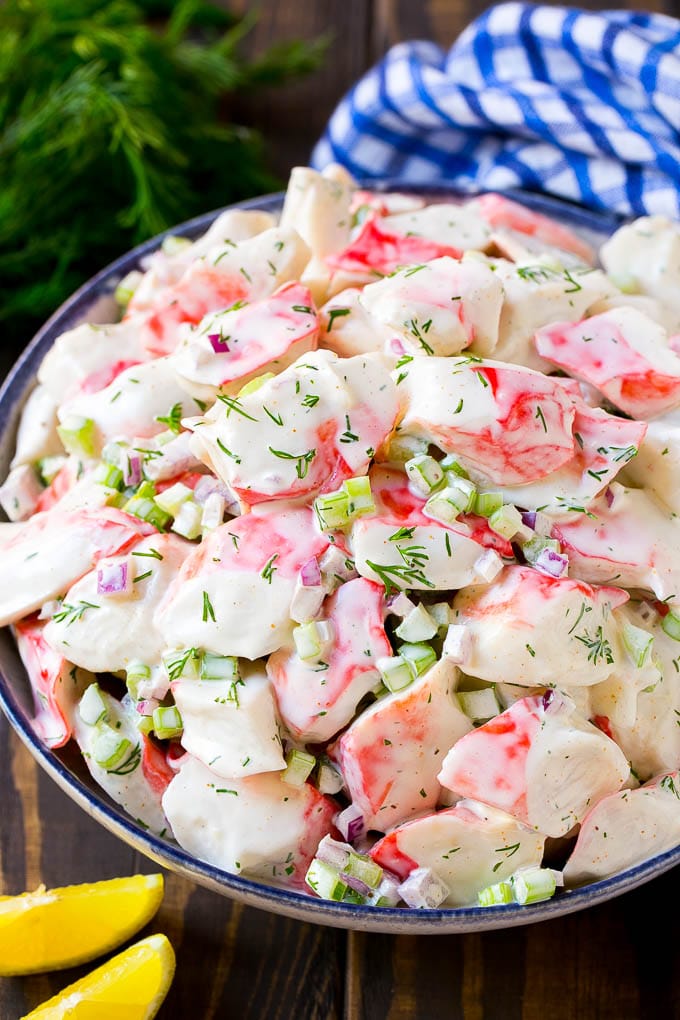
9. Chinese Cabbage and Crab Slaw
Chinese cabbage and crab slaw combines sweet crab meat with crisp napa cabbage for a light, refreshing dish. Make this slaw in about 15 minutes for quick weeknight meals.
The dressing typically includes sesame oil, rice vinegar, and a touch of soy sauce. These ingredients create a tangy flavor that pairs well with the mild sweetness of crab.
Add julienned carrots and scallions for extra crunch and color. This slaw works as a side dish or as a filling for lettuce wraps.
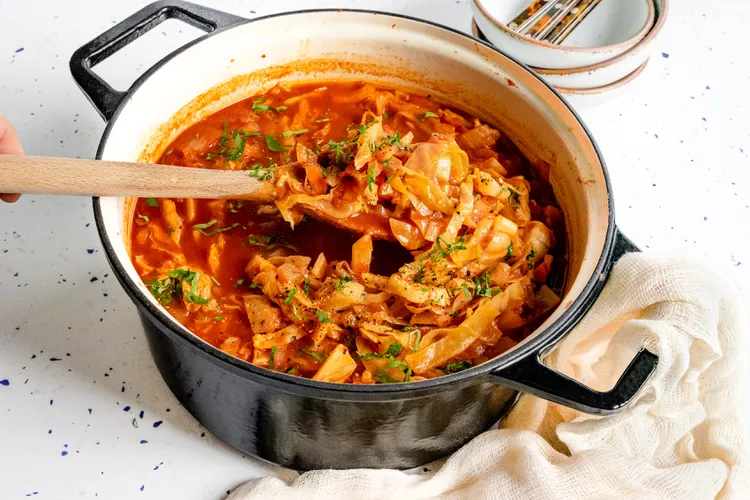
10. Hot and Sour Cabbage Soup
This soup brings together tangy and spicy flavors in a light, healthy dish. Cook shredded cabbage in a broth seasoned with soy sauce, vinegar, and chili flakes.
The cabbage softens as it cooks but keeps some texture. Add mushrooms, tofu, or ground meat to make it more filling.
The recipe comes together in about 30 minutes. It works well as a starter or a main course.
Choosing and Preparing Chinese Cabbage
Getting the best results with Chinese cabbage starts with picking the right head and handling it properly. Fresh cabbage stores well when kept cool, and simple prep work ensures it cooks evenly in your recipes.
How to Select Fresh Chinese Cabbage
Look for heads that feel heavy and firm when you pick them up. The leaves should be tightly packed together without gaps.
Check the color of the outer leaves. Fresh Chinese cabbage ranges from light green to pale yellow depending on the variety.
The leaves should look crisp and bright. Avoid any heads with brown spots, wilting, or soft areas.
These are signs the cabbage is past its prime. The stem end should be clean and white, not dried out or discolored.
Press gently on the head. It should feel solid and dense.
A light or hollow feeling means the cabbage is old or has dried out inside.
Proper Storage Tips
Store unwashed Chinese cabbage in your refrigerator’s crisper drawer. It stays fresh for up to two weeks when kept at the right temperature.
Wrap the whole head loosely in a plastic bag or paper towel. This keeps moisture in without making the leaves soggy.
Don’t wash the cabbage before storing it because extra water speeds up spoiling. If you’ve already cut the cabbage, wrap the remaining portion tightly in plastic wrap.
Cut cabbage lasts about five days in the fridge. For long-term storage, blanch the leaves in boiling water for two minutes, then freeze them in airtight containers.
Frozen cabbage works well in cooked dishes and keeps for several months.
Preparation Techniques for Different Recipes
Start by removing any damaged outer leaves. Rinse the cabbage under cold water to remove dirt.
For stir-fries: Cut the cabbage lengthwise into quarters, then slice crosswise into strips about one inch wide. Separate the thicker stem pieces from the leafy parts since stems take longer to cook.
For soups and stews: Chop the cabbage into two-inch pieces. The larger cuts hold up better in liquid without turning mushy.
For wraps or rolls: Carefully peel off whole leaves from the head. Blanch them briefly to make them more flexible for rolling.
Always cut out the thick core at the base if it seems tough. The tender inner leaves need less cooking time than the outer ones.
Nutritional Benefits of Chinese Cabbage
Chinese cabbage delivers impressive amounts of essential nutrients while keeping calories remarkably low. A one-cup serving contains only about 12-15 calories, making it an excellent choice for maintaining a healthy weight while meeting your daily nutritional needs.
Key Vitamins and Minerals
Chinese cabbage stands out as a rich source of vitamin C, providing approximately 35-45% of your daily requirement in just one cup. This vitamin supports your immune system and helps your body absorb iron more effectively.
You’ll also get significant amounts of vitamin K from Chinese cabbage, which plays a crucial role in blood clotting and bone health. Folate is another key nutrient found in this vegetable, particularly important if you’re pregnant or planning to become pregnant.
The mineral content includes notable amounts of:
- Potassium: Helps regulate blood pressure and supports heart function
- Calcium: Contributes to bone strength and dental health
- Magnesium: Aids in muscle and nerve function
- Iron: Essential for oxygen transport in your blood
Chinese cabbage also provides dietary fiber, which supports digestive health and helps you feel satisfied after meals.
Potential Health Advantages
The fiber in Chinese cabbage promotes healthy digestion and supports your gut microbiome. Regular consumption may help prevent constipation and maintain regular bowel movements.
Your cardiovascular system benefits from the potassium content, which helps counteract sodium’s effects and supports healthy blood pressure levels. The vegetable’s antioxidant compounds may help reduce inflammation throughout your body.
Chinese cabbage contains glucosinolates, plant compounds that researchers study for their potential protective properties. The combination of vitamins, minerals, and antioxidants supports your overall immune function and cellular health.
Frequently Asked Questions
Chinese cabbage works in many different cooking styles and pairs well with various ingredients. These questions cover vegetarian options, spice combinations, salad preparations, and techniques for making healthy side dishes.
How can I make a vegetarian stir fry with Chinese cabbage?
Heat oil in a wok or large pan over high heat. Add minced garlic and ginger, then toss in your chopped Chinese cabbage along with other vegetables like mushrooms or bell peppers.
Season with soy sauce, a splash of rice vinegar, and a pinch of sugar. The cabbage will soften in about 3-5 minutes while keeping some crunch.
Add tofu for extra protein and finish with sesame oil for flavor.
What are some traditional Indian dishes that use Chinese cabbage?
Chinese cabbage is not a traditional ingredient in Indian cuisine. Indian cooking typically uses regular green cabbage in dishes like cabbage poriyal, cabbage pakoras, or mixed vegetable curries.
You can substitute Chinese cabbage in Indian recipes that call for regular cabbage. The milder flavor and softer texture will create a different result than traditional versions.
Can you suggest a Chinese cabbage salad recipe?
Cut Chinese cabbage into thin strips and mix with shredded carrots and sliced scallions. Make a dressing with rice vinegar, soy sauce, sesame oil, and a touch of honey or sugar.
Add chili oil or fresh chilies if you want heat. Toss everything together and let it sit for 10 minutes before serving.
Top with toasted sesame seeds and crushed peanuts for extra texture.
What ingredients work well in a Chinese cabbage recipe with egg?
Scrambled eggs pair well with Chinese cabbage in fried rice or simple stir-fries. Cook beaten eggs first, set them aside, then stir-fry the cabbage with garlic before mixing the eggs back in.
You can also make an egg drop soup with Chinese cabbage. Simmer the cabbage in chicken or vegetable broth, then slowly pour in beaten eggs while stirring to create silky egg ribbons.
How should one prepare Napa cabbage for a healthy side dish?
Remove any damaged outer leaves and cut the cabbage in half lengthwise. Rinse it under cold water and shake off excess moisture.
Slice the cabbage into 1-2 inch pieces for stir-frying or steaming. You can also separate the leaves for wrapping or tear them by hand for a rustic texture.
Steam the cabbage for 5-7 minutes and dress it with a light sauce made from soy sauce, garlic, and a small amount of oil.
Which spices enhance the flavor of Chinese cabbage in recipes?
Garlic and ginger are the most common aromatics used with Chinese cabbage. White pepper adds a subtle heat that complements the mild cabbage flavor better than black pepper.
Sichuan peppercorns create a numbing, tingling sensation that works well in spicy preparations. Five-spice powder, star anise, and dried red chilies add depth to braised dishes.
Sesame oil, while not a spice, provides a nutty finish that enhances most Chinese cabbage recipes.