
Chickpeas are one of the most useful ingredients you can keep in your kitchen. They work in almost any type of meal, from quick snacks to full dinners.
You can use canned chickpeas straight from the pantry or cook dried ones from scratch. These recipes will show you how to turn chickpeas into everything from crispy snacks and creamy dips to filling main dishes and even pizza crust.
You’ll find options for salads, stews, curries, and breakfast foods. Each recipe makes the most of chickpeas’ mild flavor and ability to take on spices and seasonings well.
Whether you want a fast weeknight dinner or are planning to meal prep for the week, chickpeas offer protein and fiber in an affordable package. They’re naturally gluten-free and work in both traditional recipes and creative new dishes.
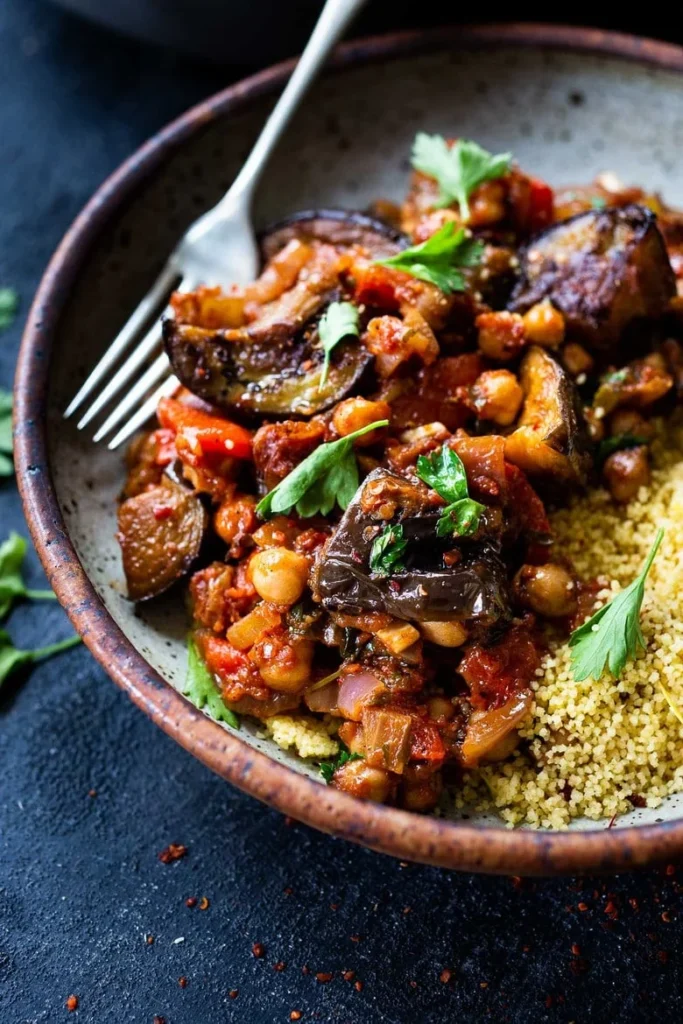
1. Moroccan Eggplant Chickpea Tagine
This North African dish brings tender eggplant and chickpeas together in a tomato-based sauce. You’ll use warm spices like cumin, coriander, and cinnamon to create its signature flavor.
The recipe works in a traditional tagine pot or a regular Dutch oven. You can serve it over couscous or rice for a complete meal.
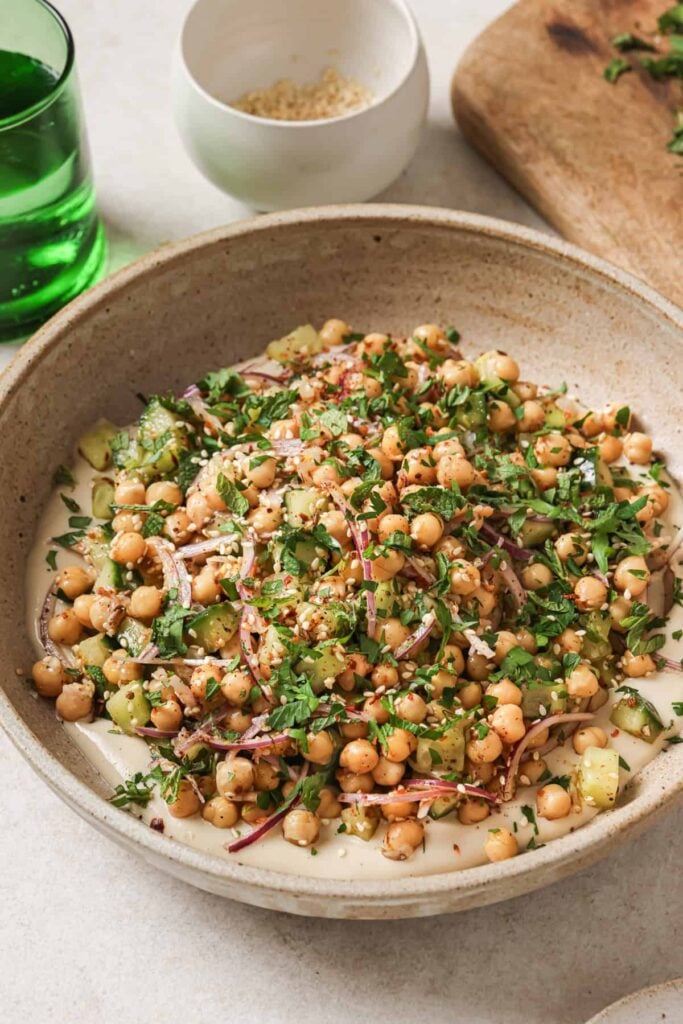
2. Mediterranean Chickpea Salad with Aleppo Pepper
This salad brings together chickpeas with fresh vegetables like tomatoes, cucumbers, and bell peppers. You’ll toss everything with feta cheese and herbs.
The dressing uses olive oil, lemon juice, and garlic. Aleppo pepper adds a mild heat and fruity flavor that sets this recipe apart.
You can also add sumac for extra tang. The recipe takes about 15 minutes to make with no cooking required.
You can serve it as a light lunch or dinner side dish.
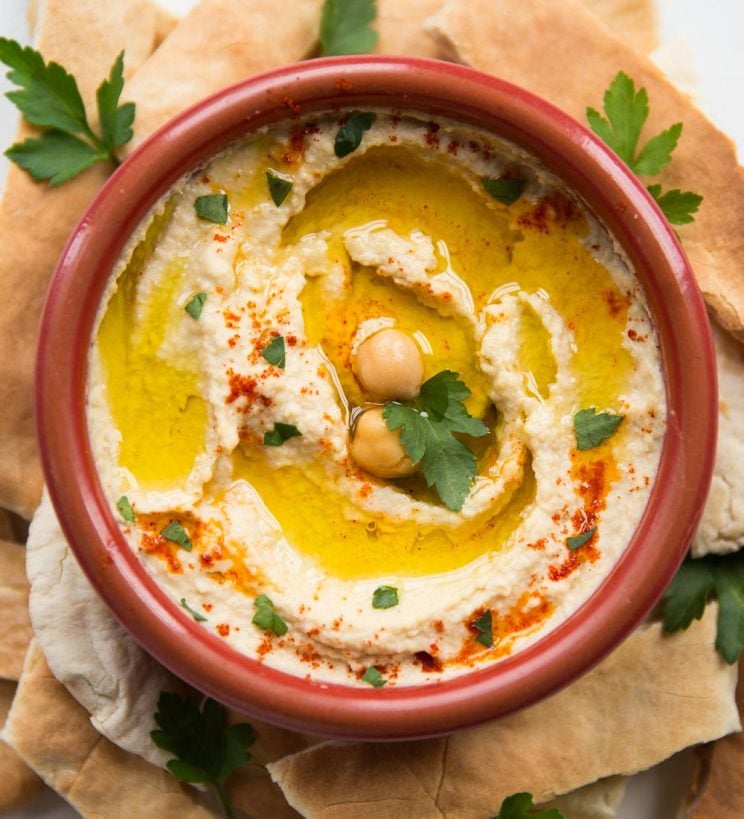
3. Classic Hummus with Tahini and Garlic
Hummus is a Middle Eastern dip made by blending chickpeas with tahini, lemon juice, garlic, and olive oil. You can make it in just five minutes using canned chickpeas.
The key ingredients are tahini (sesame paste), fresh garlic, and lemon juice. These create the classic tangy, nutty flavor that makes hummus taste authentic.
You simply blend all the ingredients together until smooth and creamy. Serve it with pita bread, crackers, or fresh vegetables for an easy snack or appetizer.

4. Crispy Roasted Chickpeas Snack
Roasted chickpeas make an excellent snack when you want something crunchy and filling. You simply drain canned chickpeas, pat them dry, and toss them with olive oil and your choice of seasonings.
Bake them at 400°F for about 30 minutes until they turn golden and crispy. Common seasonings include paprika, cumin, garlic powder, or chili powder.
These chickpeas work well as a protein-rich alternative to chips. You can also sprinkle them on salads or grain bowls for added texture.
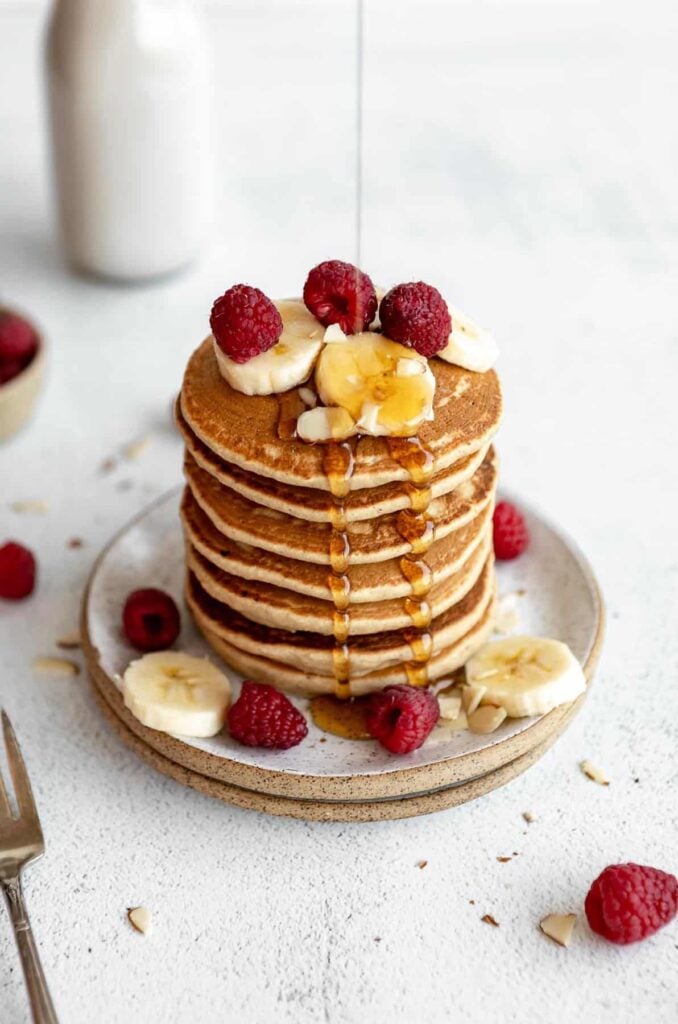
5. Chickpea Flour Pancakes
Chickpea flour pancakes offer a protein-rich twist on your regular breakfast. Made from ground garbanzo beans, these pancakes give you about 3 grams of protein per serving.
You can make them with just a few simple ingredients. The chickpea flour acts as a natural binder, so you don’t need eggs if you want a vegan option.
These pancakes work well with both sweet and savory toppings. Try them with maple syrup, peanut butter, or your favorite fruits.
They’re naturally gluten-free and take just minutes to prepare.
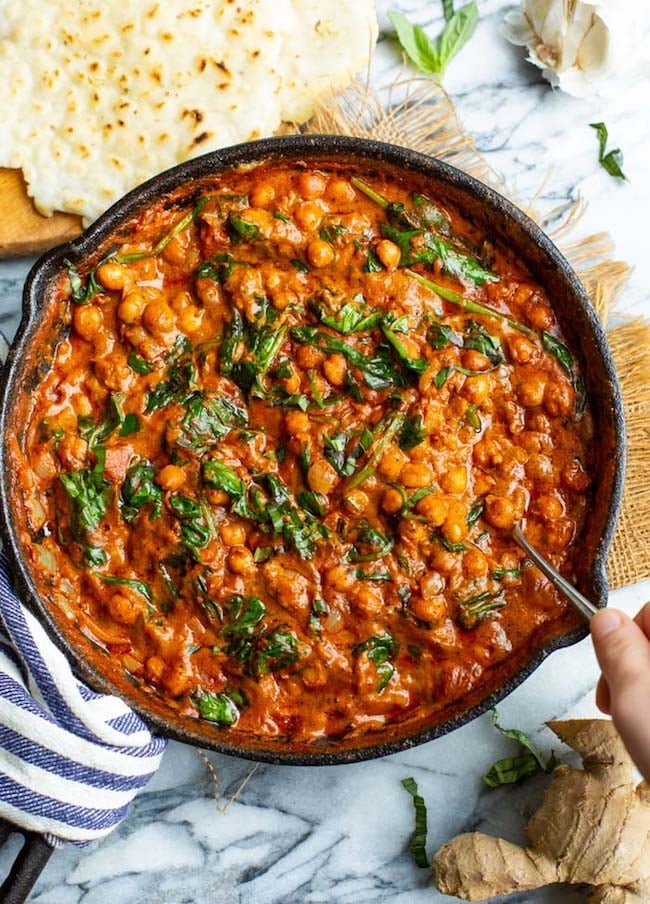
6. Spicy Chickpea and Tomato Curry
This one-pot curry combines chickpeas with tomatoes and warm spices for a filling meal. You can make it in about 30 to 45 minutes using ingredients you likely have in your pantry.
The dish gets its creamy texture from coconut milk, which balances the heat from the curry spices. You’ll need chickpeas, diced tomatoes, coconut milk, onions, and spices like cumin and curry powder.
Serve it over rice or with naan bread.
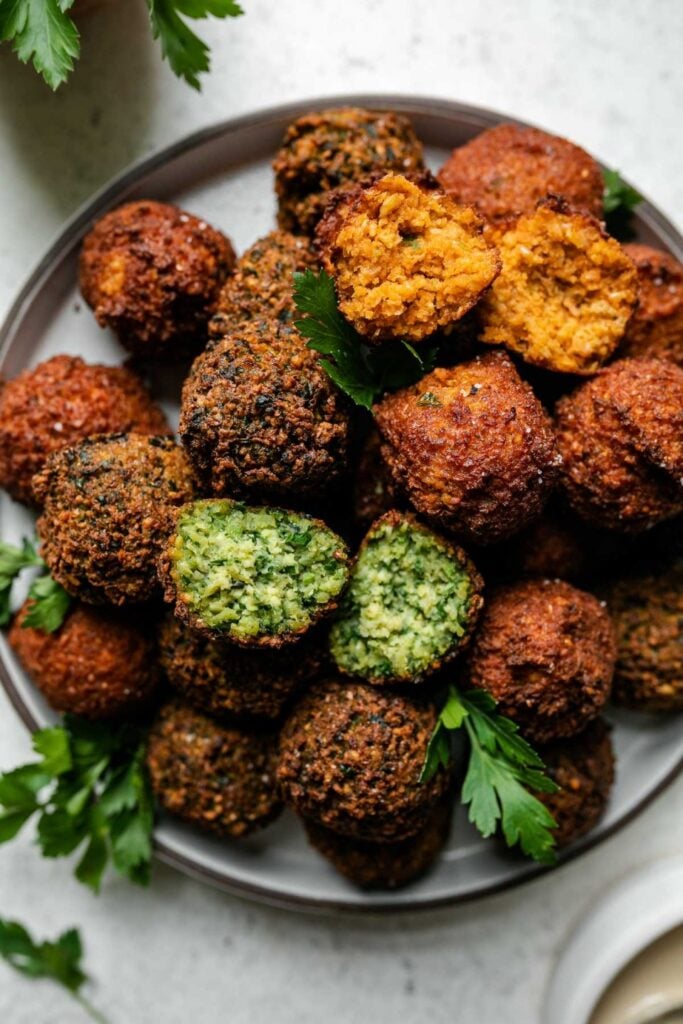
7. Falafel with Fresh Herbs
Falafel starts with dried chickpeas that you soak overnight. Canned chickpeas won’t give you the right texture, so plan ahead for this recipe.
You’ll blend the soaked chickpeas with fresh parsley and cilantro, then add warm spices like cumin and coriander. The mixture needs to chill before you shape it into balls or patties.
When you fry them, they turn golden and crispy on the outside while staying tender inside. You can serve them in pita bread with tahini sauce or add them to salads and grain bowls.

8. Creamy Chickpea and Spinach Stew
This stew brings together tender chickpeas and fresh spinach in a rich, satisfying bowl. You can make it in about 30 minutes, which makes it perfect for busy weeknights.
The dish combines warm spices with creamy chickpeas and leafy greens. It works well as a main course and provides plenty of protein and nutrients.
You need basic ingredients like canned chickpeas, spinach, tomatoes, and olive oil. The recipe comes together in one pot, so cleanup stays simple.
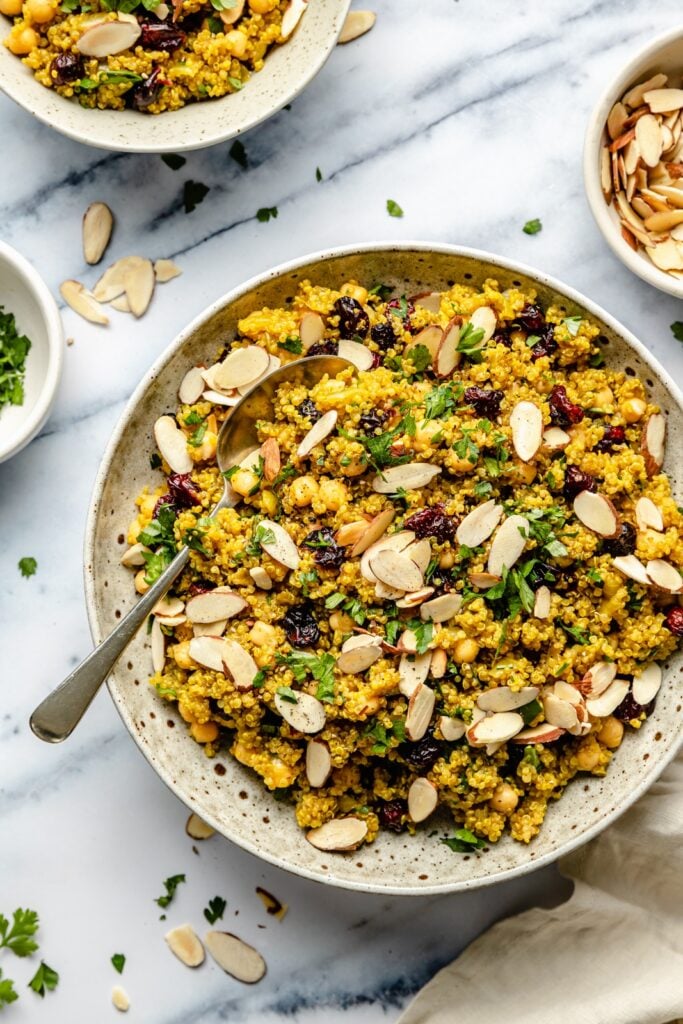
9. Chickpea and Quinoa Grain Bowl
This grain bowl brings together protein-rich ingredients for a balanced meal. You’ll combine cooked quinoa with chickpeas, fresh vegetables, and your choice of dressing.
You can cook the quinoa and chickpeas ahead of time and store them separately. Add fresh ingredients like avocado, greens, and tomatoes when you’re ready to eat.
You can customize it with different vegetables and dressings based on what you have available.
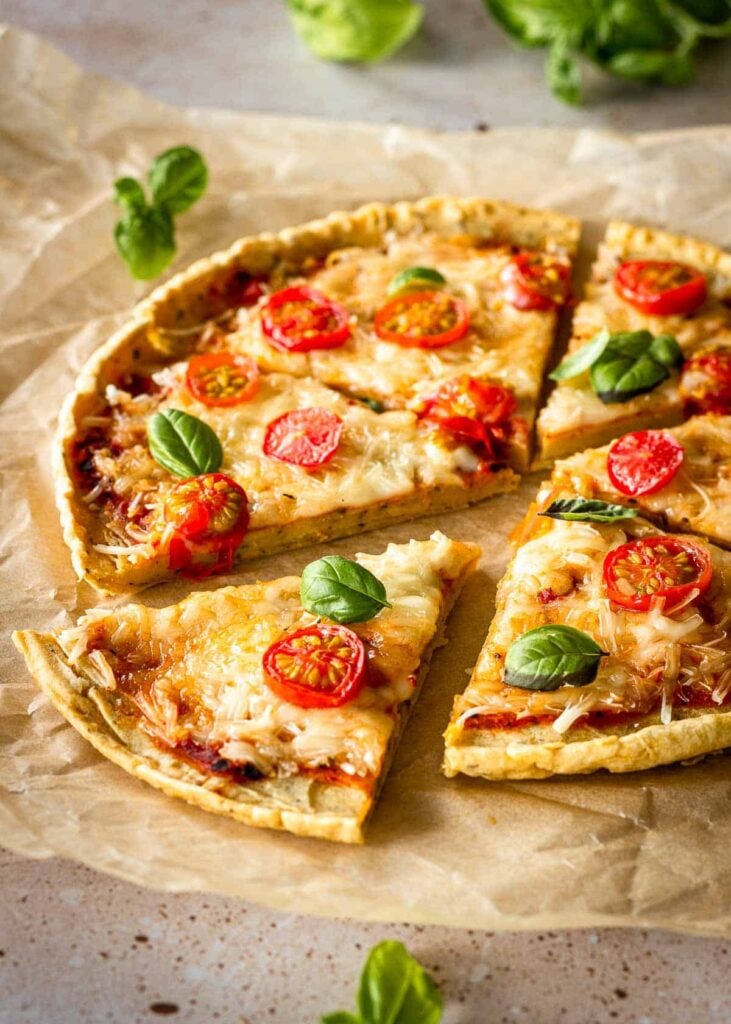
10. Chickpea Pizza Crust
Chickpea pizza crust offers a gluten-free option that comes together quickly. You can make it using chickpea flour or canned chickpeas blended with chickpea flour.
The flour-based version creates a batter you whisk with water and oil. It bakes into a crust with crispy edges and a soft center.
You can top it with your usual pizza toppings like sauce, cheese, and vegetables. The chickpea flavor is noticeable but mild.
Nutritional Benefits of Chickpeas
Chickpeas deliver substantial protein, essential vitamins and minerals, and high fiber content that supports multiple aspects of your health. These legumes provide specific nutrients that make them valuable for heart health, blood sugar control, and digestive function.
Protein Content and Plant-Based Nutrition
Chickpeas contain about 15 grams of protein per cooked cup. This makes them one of the best plant-based protein sources available.
Your body uses this protein to build and repair tissues. The protein in chickpeas includes most essential amino acids, though it’s lower in methionine compared to animal proteins.
You can create complete proteins by combining chickpeas with grains like rice or whole wheat. For vegetarians and vegans, chickpeas offer a practical way to meet daily protein needs.
One cup provides roughly 27% of the protein an average adult needs per day. The protein in chickpeas also helps you feel full longer, which can support weight management goals.
Vitamins, Minerals, and Fiber
A single cup of cooked chickpeas provides 12.5 grams of fiber. This represents about 50% of the daily fiber recommendation for most adults.
Chickpeas contain important minerals including iron, magnesium, phosphorus, and zinc. They’re particularly rich in folate, providing about 71% of your daily needs per cup.
You also get manganese, which supports bone health and metabolism. The B vitamins in chickpeas help convert food into energy.
Their vitamin K content supports blood clotting and bone health.
Key nutrients per cup of cooked chickpeas:
- Folate: 282 mcg (71% daily value)
- Iron: 4.7 mg (26% daily value)
- Magnesium: 78 mg (19% daily value)
- Fiber: 12.5 g (50% daily value)
Health Impacts of Regular Consumption
The fiber in chickpeas slows sugar absorption, which helps stabilize your blood sugar levels. Studies show that eating chickpeas regularly can improve blood sugar control in people with type 2 diabetes.
Your heart benefits from chickpeas through multiple mechanisms. The soluble fiber binds to cholesterol in your digestive system and removes it from your body.
The potassium in chickpeas helps regulate blood pressure. Chickpeas support digestive health by feeding beneficial gut bacteria.
The fiber adds bulk to stool and promotes regular bowel movements. The resistant starch in chickpeas acts as a prebiotic, nourishing the healthy bacteria in your intestines.
Tips for Cooking Perfect Chickpeas
Properly prepared chickpeas have a creamy texture and rich flavor that canned versions can’t match. Soaking dried chickpeas before cooking reduces their cooking time and makes them easier to digest.
Soaking and Preparation Methods
Start by sorting through your dried chickpeas and removing any small stones or damaged beans. Rinse them well under cold water.
For the traditional soak, place chickpeas in a large bowl and cover them with at least 3 inches of water. Let them sit at room temperature for 8 to 12 hours or overnight.
The beans will double or triple in size. The quick soak method works when you’re short on time.
Put the chickpeas in a pot, cover them with water, and bring to a boil. Remove from heat, cover the pot, and let them sit for 1 hour.
Always drain and rinse soaked chickpeas before cooking. This removes compounds that can cause gas and improves digestibility.
Add fresh water for cooking instead of using the soaking liquid.
Best Cooking Techniques
Stovetop cooking gives you the most control. Place drained chickpeas in a large pot and cover them with fresh water by 2 inches.
Bring to a boil, then reduce heat to a gentle simmer. Cook for 1 to 2 hours until tender.
Add salt only during the last 15 minutes of cooking, as adding it earlier can make the skins tough. Pressure cooking cuts the time significantly.
Use an Instant Pot or pressure cooker with soaked chickpeas and enough water to cover them by 1 inch. Cook on high pressure for 12 to 15 minutes, then let pressure release naturally.
For unsoaked chickpeas, increase cooking time to 35 to 40 minutes. Slow cooker method requires minimal attention.
Combine soaked chickpeas with water in your slow cooker. Cook on low for 6 to 8 hours or on high for 3 to 4 hours until soft.
How to Store Cooked Chickpeas
Store cooked chickpeas in an airtight container in the refrigerator for up to 5 days. Keep them in their cooking liquid to maintain moisture and prevent them from drying out.
For longer storage, freeze chickpeas in portions you’ll actually use. Spread them on a baking sheet to freeze individually, then transfer to freezer bags.
This prevents them from clumping together. They’ll keep for up to 3 months.
You can also freeze chickpeas in their cooking liquid. Use freezer-safe containers and leave about an inch of space at the top for expansion.
Label containers with the date so you can track freshness.
Frequently Asked Questions
Chickpeas work in quick weeknight meals, healthy dishes, and traditional cuisines from around the world. You can roast them for snacks, blend them into dips, or add them to curries and salads.
What are some simple yet flavorful chickpea recipes for a weeknight dinner?
You can make a Moroccan Eggplant Chickpea Tagine in under an hour. This dish combines chickpeas with eggplant, tomatoes, and warm spices like cumin and cinnamon.
A Mediterranean Chickpea Salad takes less than 15 minutes to prepare. Mix canned chickpeas with cucumbers, tomatoes, red onion, and olive oil.
Add Aleppo pepper for a mild, fruity heat. Chickpea curry works well for busy nights.
Heat canned chickpeas with coconut milk, curry powder, and your choice of vegetables. Serve it over rice or with flatbread.
How can I make healthy chickpea dishes that are both nutritious and delicious?
Chickpeas provide protein, fiber, and important vitamins. One cup of cooked chickpeas contains about 15 grams of protein and 12 grams of fiber.
Roasted chickpeas make a healthy snack. Drain and dry canned chickpeas, then toss them with olive oil and spices.
Bake them at 400°F for 20-30 minutes until crispy.
Chickpea flour pancakes offer more protein than regular pancakes. Mix chickpea flour with water, salt, and your preferred seasonings.
Cook them like regular pancakes on a griddle.
Classic hummus starts with cooked chickpeas blended with tahini, garlic, lemon juice, and olive oil. Adjust the tahini and garlic amounts to match your taste.
Falafel uses dried chickpeas soaked overnight and ground with herbs and spices. Form the mixture into balls or patties and fry them until golden brown.
Serve them in pita bread with tahini sauce and vegetables.
Fatteh layers crispy pita bread with warm chickpeas and yogurt sauce. Top it with toasted pine nuts and a drizzle of butter infused with paprika.
What are Jamie Oliver’s most popular chickpea recipes?
Jamie Oliver features chickpeas in his quick pasta dishes. He combines them with tomatoes, garlic, and chili flakes for a simple sauce.
His chickpea curry includes spinach, ginger, and garam masala. The recipe takes about 30 minutes from start to finish.
He also makes chickpea stews with root vegetables. These one-pot meals use carrots, sweet potatoes, and vegetable stock for a filling dinner.
What are the best ways to prepare chickpeas in traditional Indian cuisine?
Chana masala is one of the most popular chickpea dishes in Indian cooking. Cook chickpeas with tomatoes, onions, ginger, garlic, and a blend of spices including garam masala, coriander, and turmeric.
You can make chickpea flour into pakoras or bhajis. Mix the flour with water, spices, and chopped vegetables to create a batter.
Deep fry spoonfuls until crispy.
Chole is a North Indian dish similar to chana masala but uses darker spices. Add black tea or tea bags to the cooking liquid to give the chickpeas a darker color.
How can chickpeas be used to create satisfying and tasty vegan meals?
Chickpeas replace meat in many vegan recipes because of their texture and protein content. Use them in tacos, wraps, or grain bowls as your main protein source.
Mash chickpeas with vegan mayo, celery, and seasonings to make chickpea “tuna” salad. Spread it on bread or serve it over greens.
Chickpea flour works as an egg substitute in savory dishes. Mix three tablespoons of chickpea flour with three tablespoons of water to replace one egg in recipes like frittatas or quiches.