
Making Chinese food at home is easier than most people think. You don’t need special training or hard-to-find ingredients to create restaurant-quality dishes in your own kitchen.
With a few basic techniques and common ingredients, you can make popular Chinese dishes that taste better than takeout while saving money and controlling what goes into your food.
This guide walks you through some of the most popular Chinese recipes you can make at home. You’ll learn how to prepare classic dishes like Kung Pao Chicken, Beef and Broccoli, and Fried Rice.
You’ll also discover the key ingredients and cooking methods that give Chinese food its authentic taste.
Whether you want a quick weeknight dinner or plan to try something new, these recipes will help you cook Chinese food with confidence. Each dish uses simple steps and ingredients you can find at most grocery stores.
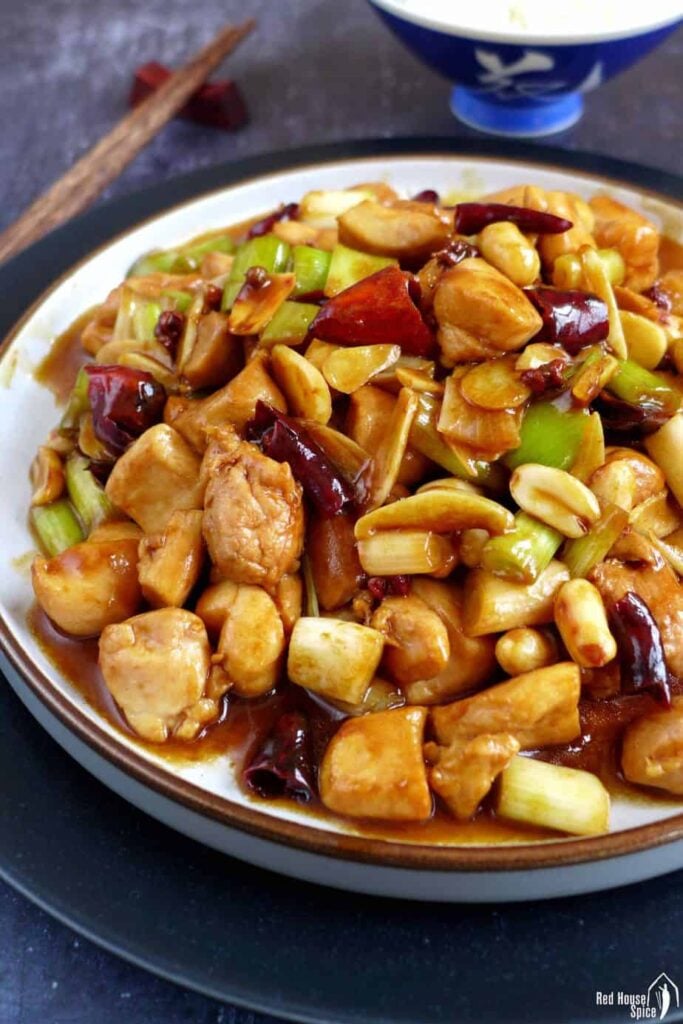
1. Classic Kung Pao Chicken
Kung Pao Chicken brings bold flavors to your dinner table. This stir-fry dish features tender chicken pieces mixed with crunchy peanuts in a spicy-sweet sauce.
The recipe comes together in one pan. You’ll cook marinated chicken with vegetables like bell peppers, then toss everything in a savory sauce made with soy sauce, vinegar, and chili peppers.
You can make this takeout favorite faster than ordering delivery. Serve it over steamed rice for a complete meal.

2. Beef and Broccoli Stir-Fry
Beef and broccoli is a Chinese-American stir-fry that brings restaurant flavors to your kitchen. You get tender strips of marinated beef paired with crisp broccoli in a savory sauce.
The dish comes together in about 30 minutes. You’ll use simple ingredients like soy sauce and oyster sauce to create that rich, umami taste.
Slice the beef thin and cook it quickly over high heat to keep it tender. Cook the broccoli just enough to keep its crunch.

3. Mapo Tofu
Mapo tofu brings the bold flavors of Sichuan cooking to your table in about 20 minutes. This dish combines soft tofu with ground pork in a spicy, savory sauce.
The key ingredients are tofu, ground pork, chili bean paste, and Sichuan peppercorns. The peppercorns create a unique numbing sensation that pairs with the heat from the chilies.
Simmer the tofu gently in the sauce to keep it from breaking apart. Serve it over steamed rice to balance the spicy flavors.
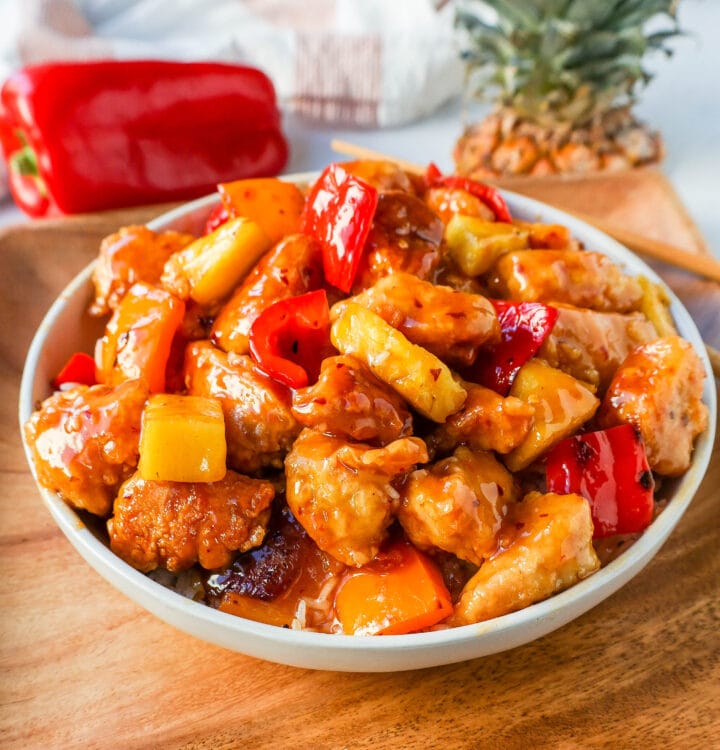
4. Sweet and Sour Chicken
Sweet and Sour Chicken brings the flavors of your favorite Chinese restaurant right to your kitchen. The dish features crispy chicken pieces coated in a tangy sauce that balances sweet and sour notes perfectly.
You can make this meal in about 15 to 30 minutes. The sauce typically includes pineapple, soy sauce, vinegar, and a touch of ketchup or plum sauce.
Many recipes add bell peppers and pineapple chunks for extra texture and flavor. Coat the chicken in a light batter before frying to create a crispy exterior.

5. Chicken Fried Rice
You can make restaurant-quality chicken fried rice at home in about 30 minutes. This dish combines cooked rice with chicken, eggs, and vegetables like peas and carrots.
Use day-old rice for the best fried rice. Fresh rice is too moist and won’t get crispy when you stir-fry it.
Cook each ingredient separately in your wok or large pan over high heat. Brown the chicken first, then scramble the eggs, and finally fry the rice until it gets crispy edges.
Mix everything together with soy sauce for flavor.

6. General Tso’s Chicken
General Tso’s Chicken brings restaurant-quality flavors to your kitchen. The dish features crispy fried chicken coated in a sweet and spicy sauce that balances tangy and savory notes.
Coat chicken pieces in a light batter before frying them until golden. The sauce combines soy sauce, sugar, vinegar, and chili peppers for that signature takeout taste.
This dish was created in New York City during the 1970s. It has since become a popular item at Chinese-American restaurants across the country.

7. Orange Chicken
Orange chicken brings the flavors of your favorite Chinese restaurant right to your kitchen. Coat chicken pieces in a crispy batter, then toss them in a tangy orange sauce made with fresh orange juice, soy sauce, ginger, and garlic.
The combination of sweet and savory flavors makes this dish a crowd-pleaser. You can have it ready in under an hour, and it pairs perfectly with steamed rice and vegetables.

8. Hot and Sour Soup
Hot and sour soup brings together tangy and spicy flavors in one comforting bowl. This classic Chinese dish takes less than 30 minutes to make at home.
Gather mushrooms, tofu, eggs, and a few pantry staples. The soup gets its sour taste from vinegar and its heat from white pepper or chili oil.
Create silky egg ribbons by slowly drizzling beaten eggs into the hot broth while stirring. Adjust the spice and sourness levels to match your taste.

9. Egg Drop Soup
Egg drop soup brings restaurant-quality comfort to your kitchen in just 10 to 15 minutes. You need only a few basic ingredients: chicken broth, eggs, cornstarch, and aromatics like ginger and green onions.
Slowly pour beaten eggs into simmering broth while stirring gently to create silky ribbons.
Add a touch of sesame oil and white pepper for authentic flavor. Cornstarch thickens the broth slightly, helping the egg ribbons hold their delicate shape.

10. Steamed Dumplings
Steamed dumplings are tender pockets of dough filled with seasoned meat and vegetables. Use ground pork, shrimp, or chicken mixed with aromatics like ginger and garlic.
The right wrapper thickness and proper steaming technique are key to good steamed dumplings. Use a bamboo steamer or metal steaming basket lined with parchment paper.
Fill each wrapper with about a tablespoon of filling, then pleat and seal the edges with water. Steam them for 8-10 minutes until the dough becomes translucent and the filling cooks through.
Serve dumplings hot with soy sauce or chili oil for dipping.
Essential Ingredients for Authentic Chinese Cooking
A well-stocked pantry makes Chinese cooking accessible and straightforward. With the right basic ingredients and reliable sources, you can recreate restaurant-quality dishes in your own kitchen.
Core Pantry Staples
Soy sauce forms the foundation of most Chinese recipes. You’ll need both light soy sauce for everyday seasoning and dark soy sauce for color and depth.
Light soy sauce is saltier and thinner, while dark soy sauce adds a rich brown color to braised dishes.
Shaoxing wine is Chinese cooking wine that adds complexity to stir-fries and marinades. Rice vinegar provides the tangy element in many sauces and dipping mixes.
Sesame oil serves as a finishing oil rather than a cooking oil. A few drops add nutty flavor to completed dishes.
Oyster sauce delivers umami richness to vegetables and meat dishes. Cornstarch thickens sauces and creates velvety textures in stir-fries.
Chinese five-spice powder combines star anise, cloves, cinnamon, Sichuan pepper, and fennel seeds into one versatile blend.
Fresh ingredients like ginger, garlic, and scallions appear in nearly every recipe. Keep these three items on hand at all times.
Where to Source Quality Ingredients
Asian supermarkets offer the best selection and prices for Chinese ingredients. Brands like Lee Kum Kee, Pearl River Bridge, and Kikkoman provide consistent quality for sauces and condiments.
Online retailers like Amazon, Weee!, and Yamibuy ship Chinese ingredients nationwide. These platforms carry hard-to-find items like Sichuan peppercorns and specialty vinegars.
Regular grocery stores now stock basic items like soy sauce, sesame oil, and rice vinegar in their international aisles. Check labels to avoid products with unnecessary additives or excessive sugar.
Buy larger bottles of frequently used items like soy sauce and rice vinegar to save money. Store oils in cool, dark places and keep dried spices in airtight containers to maintain freshness.
Techniques for Mastering Chinese Dishes at Home
High heat control and precise cutting methods form the foundation of authentic Chinese cooking. These two skills will transform your home-cooked meals from ordinary to restaurant-quality.
Achieving the Perfect Wok Hei
Wok hei is the smoky, charred flavor that makes restaurant stir-fries taste different from home versions. You need extremely high heat to achieve this.
Heat your wok until a drop of water evaporates instantly on contact. Add oil and swirl it around the sides.
The oil should shimmer and barely smoke.
Key steps for wok hei:
- Use the hottest burner on your stove
- Keep ingredients moving constantly
- Don’t overcrowd the pan
- Cook in small batches if needed
Work quickly once you start cooking. Add ingredients in the right order, starting with proteins and aromatics.
Push food up the sides of the wok between stirs to expose it to direct heat. This creates the slight char that gives dishes their signature flavor.
Keep your wok hot throughout cooking. If the temperature drops, your food will steam instead of sear.
Knife Skills for Classic Dishes
Uniform cutting ensures even cooking and professional presentation. Chinese cooking relies on specific cutting techniques that affect both texture and flavor.
The most important cuts are julienne (thin strips), dice (small cubes), and slicing on the bias. Practice your knife grip by holding the handle with three fingers while your thumb and index finger grip the blade’s base.
Essential cutting techniques:
- Julienne: Cut vegetables into matchstick-thin strips for even stir-frying
- Diagonal slicing: Cut vegetables at a 45-degree angle to increase surface area
- Uniform dicing: Create same-sized pieces for consistent cooking times
Keep your knife sharp. A dull blade crushes ingredients instead of cleanly cutting them.
Hold food steady with your non-cutting hand, tucking your fingertips under and using your knuckles as a guide.
Frequently Asked Questions
Making Chinese food at home becomes simpler when you understand which dishes work best for different occasions, how to prepare proteins quickly, and what ingredients create authentic flavors.
You can adapt traditional recipes for healthier versions and scale them for any group size.
What are some classic Chinese dishes that I can cook for family dinner?
Kung Pao Chicken serves as a crowd-pleasing option with its combination of tender chicken, peanuts, and dried chilies in a savory sauce.
Beef and Broccoli Stir-Fry offers a satisfying meal that takes less than 30 minutes to prepare.
Mapo Tofu provides a vegetarian-friendly choice with its spicy, numbing sauce made from doubanjiang and Sichuan peppercorns.
Sweet and Sour Chicken appeals to families who prefer milder flavors with its crispy coating and tangy-sweet sauce.
Chicken Fried Rice works well as a complete meal that uses leftover rice and whatever vegetables you have available.
How can I make easy and quick Chinese chicken recipes at home?
Cut chicken into uniform pieces so they cook evenly and quickly in your wok or pan. Marinate the chicken for 15-30 minutes with soy sauce, rice wine, and cornstarch to keep it tender.
Use high heat and cook in small batches to get proper searing instead of steaming. Keep your ingredients prepped and ready before you start cooking since most chicken stir-fries take only 5-7 minutes of actual cooking time.
Sweet and Sour Chicken requires a simple batter of cornstarch and egg before frying. Kung Pao Chicken needs just a quick stir-fry with aromatics and sauce.
Could you suggest some traditional Chinese recipes that are beginner-friendly?
Chicken Fried Rice teaches you basic wok techniques without requiring complex sauce mixing. You need day-old rice, eggs, soy sauce, and any vegetables you prefer.
Sweet and Sour Chicken introduces you to coating and frying proteins with a straightforward sauce of vinegar, sugar, and ketchup.
Beef and Broccoli Stir-Fry helps you practice high-heat cooking with just beef, broccoli, and a simple brown sauce made from soy sauce, oyster sauce, and cornstarch.
What are the essential ingredients for creating authentic Chinese flavors in home cooking?
Soy sauce forms the base of most Chinese dishes and comes in light and dark varieties. Light soy sauce adds saltiness while dark soy sauce provides color and a slightly sweet flavor.
Oyster sauce creates depth and umami in stir-fries and braised dishes. Rice wine or Shaoxing wine removes gamey flavors from meat and adds complexity.
Sesame oil works as a finishing oil rather than a cooking oil because it burns easily. Cornstarch thickens sauces and creates velvety textures when you mix it with water.
Fresh ginger and garlic appear in almost every dish as aromatic foundations. Keep Sichuan peppercorns, dried chilies, and doubanjiang (fermented bean paste) for spicier regional dishes like Kung Pao Chicken and Mapo Tofu.
Can you provide tips for making Chinese takeout favorites in a healthier way at home?
Use non-stick pans or well-seasoned woks to reduce the oil needed for cooking. You can cut the amount called for in most recipes by half without losing flavor.
Steam or bake proteins for dishes like Sweet and Sour Chicken instead of deep-frying them. Use less sugar in sweet sauces or substitute with natural sweeteners.
Add more vegetables to bulk up dishes like Beef and Broccoli Stir-Fry or Chicken Fried Rice. Control sodium by using low-sodium soy sauce and adding less salt during cooking.
Make your own sauces instead of using store-bought versions that often contain preservatives and extra sugar.
What are some versatile Chinese recipes that work for both small and large gatherings?
Chicken Fried Rice scales easily since you can multiply the ingredients without changing cooking techniques. Cook it in batches if needed and keep portions warm in a low oven.
Kung Pao Chicken and Beef and Broccoli Stir-Fry both work well for crowds because you can prep ingredients ahead. Cook these dishes quickly before serving.
Mapo Tofu holds its temperature well. The flavors meld together, making it good for buffet-style serving.
Sweet and Sour Chicken stays crispy longer than other fried dishes when you serve the sauce on the side. Cut these recipes in half for small dinners and adjust cooking times for smaller portions.