
Chinese soups bring comfort and warmth to any meal. These dishes have been part of Chinese cooking traditions for centuries.
They range from light broths to hearty meals filled with vegetables, meat, and noodles. Learning to make authentic Chinese soups at home lets you enjoy restaurant-quality meals while controlling the ingredients and flavors.
You can start with simple recipes that need just a few ingredients. Challenge yourself with more complex dishes for a variety of tastes and textures.
Each soup offers different tastes and textures, from tangy and spicy to mild and soothing. This guide walks you through popular Chinese soup recipes you can make in your kitchen.
You’ll also learn about key ingredients and cooking techniques that help you create authentic flavors. Whether you want a quick weeknight dinner or a special dish for guests, these recipes give you plenty of options.

1. Egg Drop Soup
Egg drop soup is a simple Chinese soup that features thin strands of cooked egg floating in a savory chicken broth. You create the signature egg ribbons by slowly whisking beaten eggs into boiling broth while stirring continuously.
The soup typically includes basic seasonings like salt and white pepper. Some versions add green onions, ginger, or tofu for extra flavor and texture.
You can make this soup at home in about 10 to 15 minutes with just a few ingredients. It’s a comforting starter that pairs well with any Chinese meal.

2. Wonton Soup
Wonton soup brings together delicate dumplings and clear broth for a classic Chinese comfort meal. You’ll find wontons filled with seasoned pork, shrimp, or both, wrapped in thin dough that becomes tender when cooked.
The broth features ginger, garlic, and scallions for a light but flavorful base. You can make wontons from scratch or use frozen ones to save time.
This soup works well as a starter or light main dish. The savory filling and aromatic broth create a satisfying meal that’s ready in about 30 minutes with homemade wontons, or under 10 minutes with frozen ones.

3. Hot and Sour Soup
Hot and sour soup brings together spicy heat and tangy flavors in one warming bowl. This traditional Chinese soup features a rich broth filled with mushrooms, tofu, and silky egg ribbons.
You can make this soup at home in about 20 minutes. The key is balancing the vinegar’s sourness with white pepper’s spiciness.
You can adjust the ingredients based on what you have in your kitchen. This flexibility makes it a great recipe for any occasion.

4. Chinese Noodle Soup with Chicken and Bok Choy
This soup brings together tender chicken, crisp bok choy, and soft noodles in a flavorful broth. You can make it in about 30 minutes, making it perfect for busy weeknights.
The broth includes soy sauce, sesame oil, ginger, and garlic. Add the bok choy stems first since they need more cooking time than the leafy greens.
You can use leftover chicken to save time. Fresh noodles work best, but dried noodles are fine too.
Add green onions and a touch of sriracha if you want extra flavor.

5. Fish Maw Soup
Fish maw soup is a special Chinese dish often served at weddings and holiday celebrations. The soup contains fish maw, which is the dried swim bladder of fish.
It has a silky, smooth texture that many people enjoy. You can make it at home using chicken broth, fish maw, and ingredients like goji berries or scallops.
The dish takes about 20 minutes to prepare once you have your ingredients ready. The soup has a light, delicate flavor that makes it feel like a treat.

6. Winter Melon Soup
Winter melon soup is a light and healthy Chinese dish that comes together quickly. You can make this soup with just a few basic ingredients in about 10 minutes of cooking time.
The mild winter melon absorbs the flavors of your broth beautifully. You can add pork, shiitake mushrooms, dried shrimp, or meatballs to create a more filling meal.
This soup works well year-round. The simple preparation makes it perfect for busy weeknights when you want something nourishing without much effort.

7. Hot Pot Broth
Hot pot broth forms the base of an interactive meal where you cook raw ingredients at the table. You can choose between different regional styles to match your taste preferences.
Northern Chinese broths use water or light chicken stock as the base. Southern styles often feature mala seasoning, which gives a numbingly spicy flavor.
You can make a simple chicken broth, spicy Sichuan broth, or mild herbal broth at home. Start with quality chicken or vegetable stock if you’re not making it from scratch.
Each broth type works well with thinly sliced meats, seafood, vegetables, and tofu.
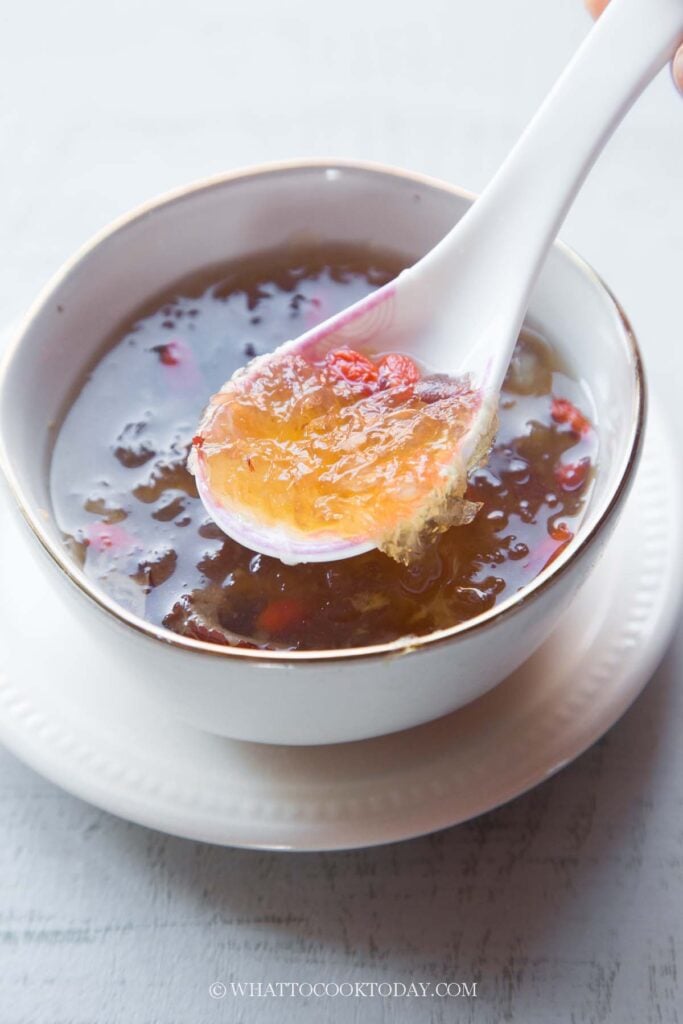
8. Bird’s Nest Soup
Bird’s nest soup is a prized Chinese delicacy made from the hardened saliva of swiftlets. These birds build their nests on cave walls, and the nests are carefully harvested for cooking.
The soup has a unique jelly-like texture with a mild flavor. You can prepare it by soaking the dried nest in water, then cooking it in a double boiler with rock sugar or chicken stock.
This dish is saved for special occasions in Chinese culture. You’ll often find it served at weddings and important celebrations.

9. Sichuan Spicy Beef Soup
This soup brings bold flavors from China’s Sichuan province to your table. You’ll find tender beef chunks in a rich, spicy broth that gets its heat from chili oil and Sichuan peppercorns.
The peppercorns create a unique numbing sensation on your tongue. You cook the beef slowly until it becomes very tender.
Serve the spicy, savory broth with chewy noodles and fresh vegetables. This meal works well on cold days.

10. Lotus Root and Pork Rib Soup
This traditional Chinese soup combines tender pork ribs with sliced lotus root in a clear, light broth. The lotus root adds a slightly sweet flavor and crunchy texture that makes this soup unique.
You can add ingredients like ginger, red dates, goji berries, or peanuts to enhance the flavor. The soup is popular in winter and known for being nourishing and comforting.
Blanch the pork ribs first, then simmer everything together in water until the meat becomes tender and the broth develops its flavor.
Essential Ingredients for Authentic Chinese Soups
Quality ingredients form the foundation of Chinese soups. Specific broths, aromatics, and proteins create the balanced flavors these dishes are known for.
Broths and Stocks
The base of your soup determines its overall flavor and depth. Chicken broth is the most versatile option for Chinese soups, providing a light yet savory foundation.
Pork bone broth offers a richer, fuller taste that works well in hearty soups. You can make broth from scratch by simmering bones with water for several hours.
Store-bought options work too, but look for low-sodium versions so you can control the salt level. Fish stock suits seafood-based soups, while vegetable broth keeps things light for meatless recipes.
Choose a broth that complements your other ingredients without overpowering them. A good broth should taste clean and have a subtle sweetness from the natural ingredients.
Traditional Aromatics
Ginger and garlic are your primary aromatics in Chinese soups. Fresh ginger adds warmth and helps cut through rich flavors, while garlic provides depth.
Use them whole, sliced, or minced depending on your recipe. Green onions serve a dual purpose as both an aromatic and garnish.
Add white parts during cooking and save the green tops for finishing. Star anise and Sichuan peppercorns bring distinctive flavors to certain regional soups.
White pepper is more common than black pepper in Chinese cooking. It has a sharper, more fermented taste that blends better with soup broths.
Rice wine or Shaoxing wine adds complexity and removes any unwanted meat odors.
Key Proteins and Vegetables
Your protein choice shapes the soup’s character and nutritional value. Chicken works in almost any soup style, from clear broths to thick stews.
Pork, especially pork ribs or belly, adds richness. Beef suits hearty winter soups, while tofu offers a vegetarian protein option.
Common vegetables include bok choy, napa cabbage, mushrooms (shiitake, wood ear, or button), and daikon radish. These vegetables hold their texture well during cooking and absorb the broth’s flavors.
Bamboo shoots and water chestnuts add crunch and freshness. Choose vegetables based on cooking time.
Leafy greens need only a few minutes, while root vegetables require longer simmering. Fresh ingredients always produce better results than canned or frozen alternatives.
Expert Tips for Perfecting Homemade Chinese Soups
Success in Chinese soup making depends on understanding how to balance sweet, salty, sour, and spicy elements. Choosing the right cooking method for your ingredients is also important.
Balancing Flavors
Chinese soups rely on the harmony of five basic tastes: sweet, salty, sour, bitter, and umami. Add seasonings gradually and taste as you go.
Start with your base flavors first. Soy sauce provides saltiness and umami, while rice vinegar adds sourness.
A small amount of sugar balances acidity and enhances other flavors. White pepper is your go-to spice for heat in most Chinese soups.
It has a different taste than black pepper and works better with the other ingredients. Add it near the end of cooking.
Sesame oil should always go in last. Just a few drops before serving adds depth without overpowering the soup.
If you cook it too long, the flavor disappears.
Selecting the Right Cooking Techniques
Different Chinese soups need different cooking methods. Quick-cooking soups like egg drop or wonton soup use high heat for short periods.
Slow-simmered broths need low heat for hours. For clear soups, bring your broth to a boil then reduce to a gentle simmer.
Rapid boiling makes the liquid cloudy. Skim any foam from the surface during the first 10 minutes of cooking.
Cornstarch slurry thickens soups that need body. Mix one tablespoon of cornstarch with two tablespoons of cold water.
Pour it slowly into your simmering soup while stirring. The soup will thicken in about 30 seconds.
Add delicate ingredients like leafy greens, tofu, and eggs at the very end. They only need 1-2 minutes of cooking time.
Tough vegetables and proteins should go in early so they become tender.
Frequently Asked Questions
Chinese soup making requires specific ingredients and techniques to achieve authentic flavors. Understanding the basics of broth preparation, ingredient selection, and seasonal traditions will help you create delicious soups at home.
What are the essential ingredients for an authentic Chinese soup?
Authentic Chinese soups rely on a few key ingredients that create their signature taste. Ginger and scallions form the base of most recipes, adding aromatic depth to the broth.
Garlic, star anise, and white pepper are common seasonings that enhance flavor. Protein options include chicken, pork, tofu, and seafood like fish maw.
Vegetables such as bok choy, mushrooms, and bamboo shoots add texture and nutrition. Soy sauce, rice vinegar, and sesame oil round out the flavor profile.
How can I create a balanced flavor profile in a Chinese soup?
Chinese soups balance five key flavors: sweet, sour, salty, bitter, and umami. You achieve this balance by combining ingredients that represent each taste element.
Soy sauce and salt provide the salty base, while vinegar adds sourness. Ginger and white pepper contribute spice and warmth.
Sugar or naturally sweet ingredients like carrots balance the acidity. Mushrooms and meat broths deliver umami depth that ties all the flavors together.
What are the traditional Chinese soups for different seasons?
Chinese cooking philosophy matches soups to seasonal needs. Winter soups use warming ingredients like ginger, black pepper, and hearty proteins to build heat in your body.
Spring soups incorporate fresh greens and lighter broths to cleanse and refresh. Summer soups feature cooling ingredients such as winter melon and watercress.
Fall recipes include nourishing elements like goji berries and chicken to prepare your body for colder weather. Each season’s soup supports your health in specific ways.
Can you recommend some Chinese soup recipes that are suitable for vegetarians?
Vegetable tofu soup offers a protein-rich vegetarian option with mushrooms, bok choy, and soft tofu. You can make egg drop soup without meat by using vegetable broth as your base.
Hot and sour soup adapts well to vegetarian diets when you skip the pork and focus on mushrooms, tofu, and bamboo shoots. Noodle soups work perfectly with vegetable stock and an array of fresh vegetables.
You can add extra protein through tofu varieties or edamame.
What are the steps to making a clear and flavorful Chinese broth?
Start with cold water and your protein of choice. Bring it to a gentle boil.
Skim off any foam or impurities that rise to the surface during the first 10 minutes. This keeps your broth clear.
Add aromatics like ginger, scallions, and star anise once you’ve skimmed the broth. Reduce heat to a low simmer and cook for at least one hour.
Keep the broth at a gentle simmer to avoid cloudiness. Rapid boiling breaks down ingredients too quickly.
Strain the finished broth through a fine mesh strainer. Season with salt and other flavorings only after straining to maintain clarity.
How do I incorporate traditional Chinese medicinal ingredients into a soup?
Goji berries are the easiest medicinal ingredient to add to soups. They boost immunity and add a subtle sweetness to broths.
Add goji berries during the last 20 minutes of cooking to preserve their nutrients. Dried red dates support digestion and add natural sweetness.
Angelica root and astragalus strengthen your body’s defenses but have stronger flavors. Start with small amounts of these herbs until you know your taste preferences.
Chinese yam improves digestion and works well in chicken soups. Lotus seeds calm your body and pair nicely with pork broths.
You can find these ingredients at Asian grocery stores or specialty herb shops.