
Eggs are one of the most useful ingredients you can keep in your kitchen. They work for breakfast, lunch, and dinner, and you can cook them in many different ways.
Whether you want something quick for a busy morning or a special dish for brunch, eggs can do the job.
This collection shows you how to make eggs using different cooking methods, from simple scrambled eggs to more complex dishes like quiche and shakshuka. You’ll find classic recipes that never go out of style and new ideas to try.
Each recipe uses basic techniques you can learn and use again and again.
You’ll also learn helpful tips for cooking eggs the right way and understand why eggs are good for you.
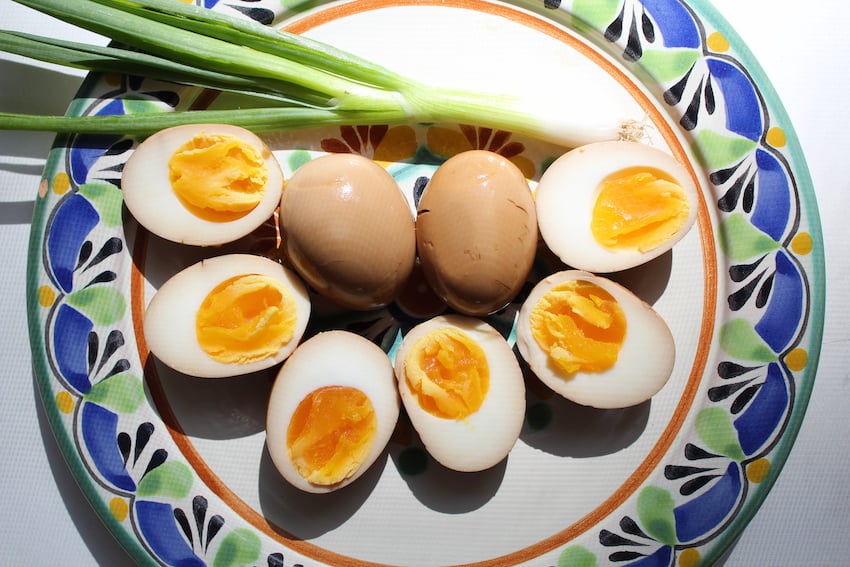
1. Momofuku Soy Sauce Eggs
These marinated eggs feature soft-boiled eggs with jammy yolks soaked in a savory-sweet soy sauce mixture. You’ll need soy sauce, warm water, sugar, and sherry vinegar for the marinade.
Boil the eggs for about six minutes, then peel and submerge them in the marinade for two to six hours in your fridge.
You can eat these eggs as a snack, add them to ramen, or serve them over rice. The eggs develop a rich, salty flavor from the soy sauce marinade.
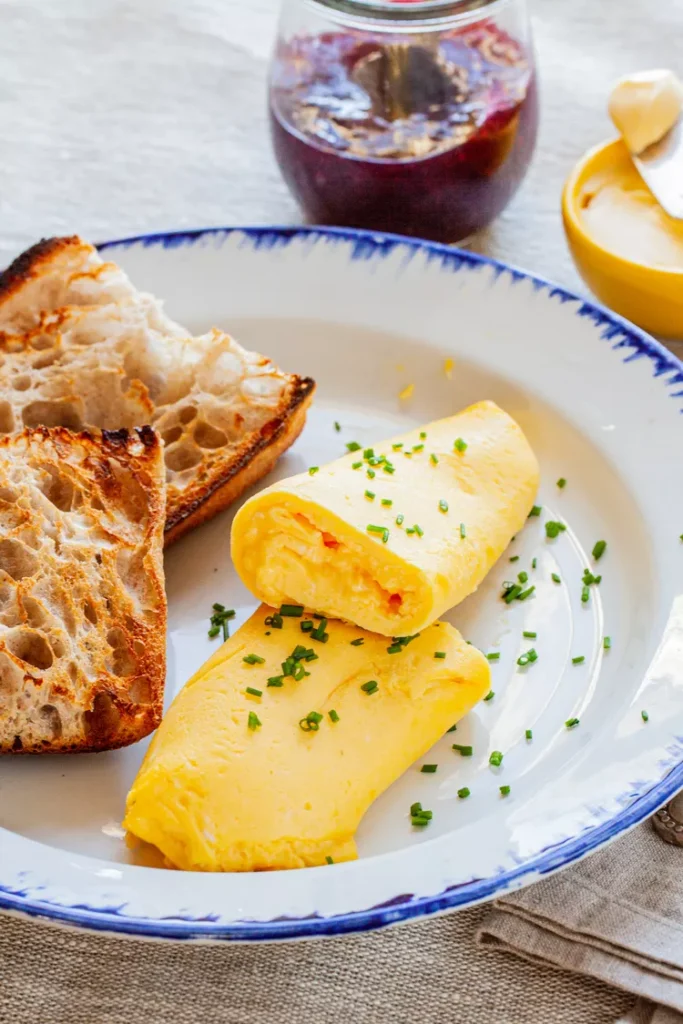
2. Classic French Omelette
A French omelette is a simple dish that shows off your cooking skills. You need just eggs and butter to make it.
The outside should be smooth and pale yellow with no brown spots. Inside, the eggs stay soft and creamy.
Cook it quickly in a nonstick pan, usually in about 30 seconds. Use low heat and a gentle hand for the best results.
A true French omelette contains no filling. The technique takes practice, but the result is worth it.
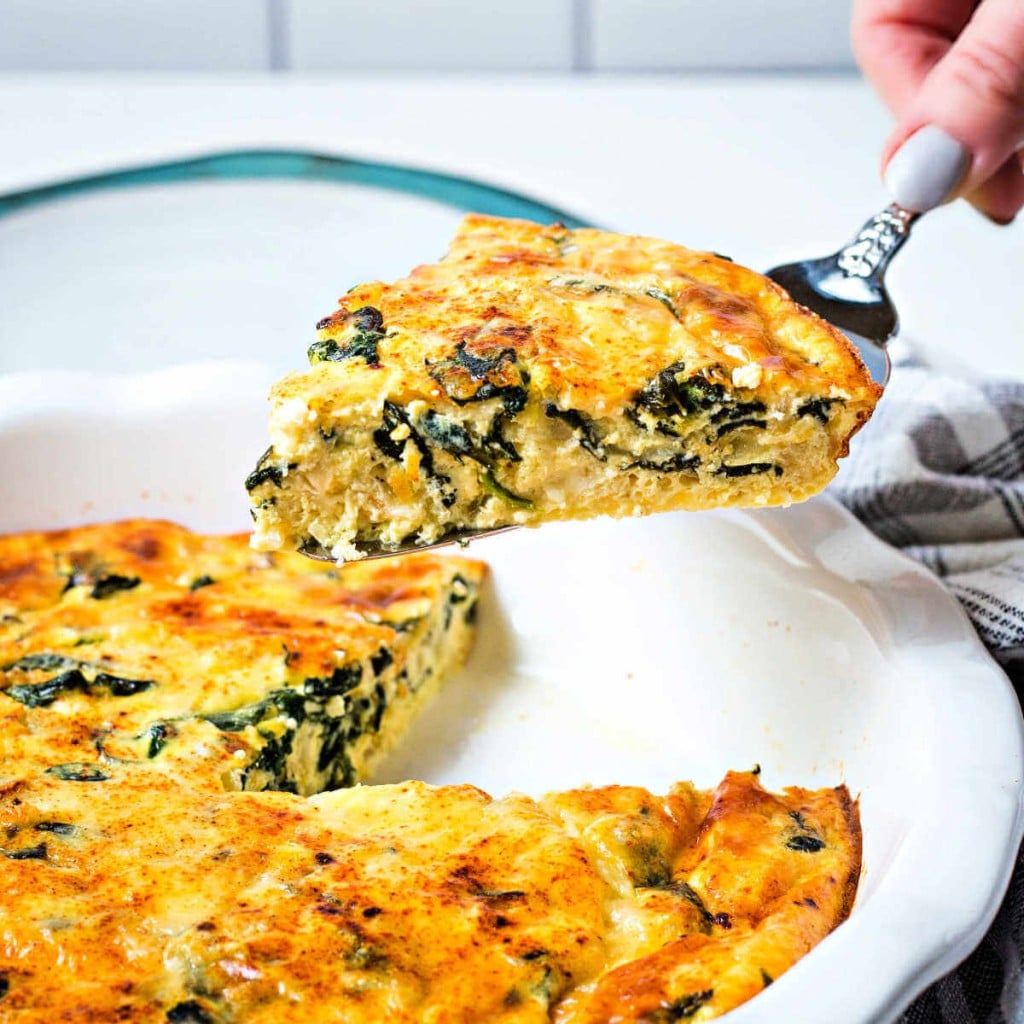
3. Crustless Spinach Quiche
You can make this simple quiche in about 30 minutes without any crust. It combines eggs, fresh spinach, and cheese into one easy dish.
This recipe works well for breakfast, brunch, or a quick dinner. You don’t need to worry about making pastry dough or rolling out a crust.
The basic ingredients include eggs, spinach, onions, and your choice of cheese like Muenster, cheddar, or Parmesan. It’s naturally gluten-free and low in carbs since there’s no crust involved.
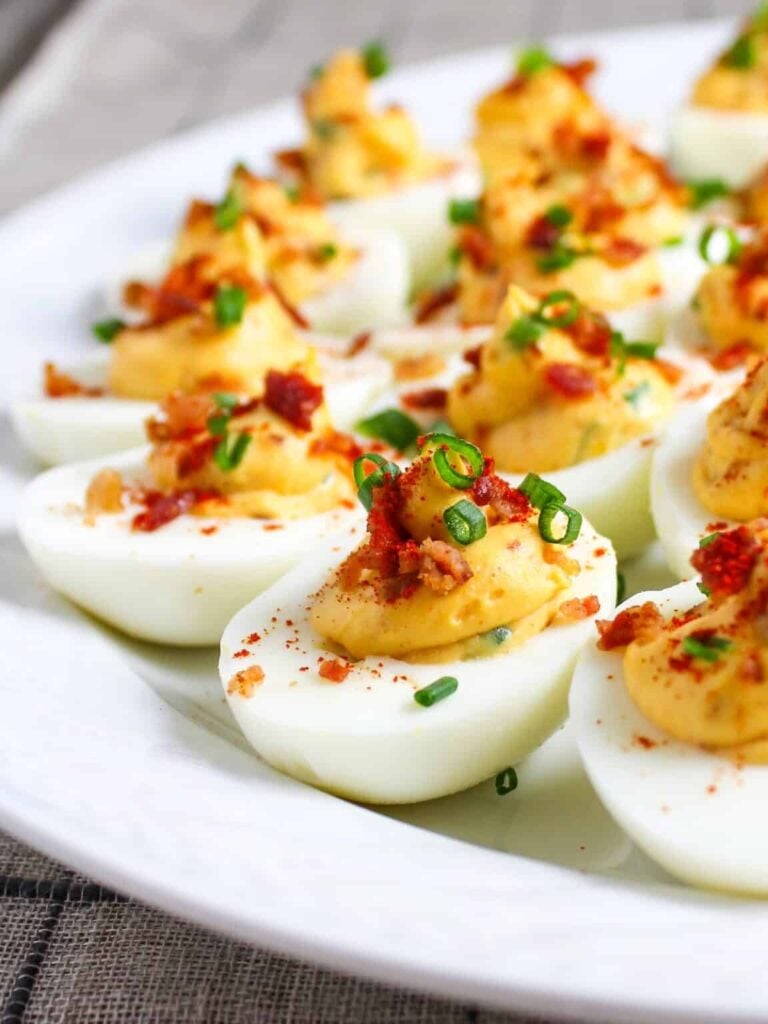
4. Deviled Eggs with Smoked Paprika
Deviled eggs get an upgrade when you add smoked paprika to the filling. Mix hard-boiled egg yolks with mayonnaise, mustard, and smoked paprika to create a creamy mixture with a mild smoky flavor.
The smoked paprika adds a warm, rich taste without heat. Sprinkle extra paprika on top for color and added flavor.
This recipe works well for parties, picnics, or as a quick snack. The eggs are easy to prepare and don’t require any special cooking skills.

5. Easy Breakfast Egg Muffins
Breakfast egg muffins give you a protein-packed meal you can grab on busy mornings. Whisk eggs with your favorite ingredients like cheese, vegetables, or meat.
Pour the mixture into a muffin tin and bake for 12 to 15 minutes. Use a non-stick pan or silicone liners to prevent sticking.
These muffins work great for meal prep. Make a batch on Sunday and store them in your fridge for the week.
They also freeze well for longer storage.
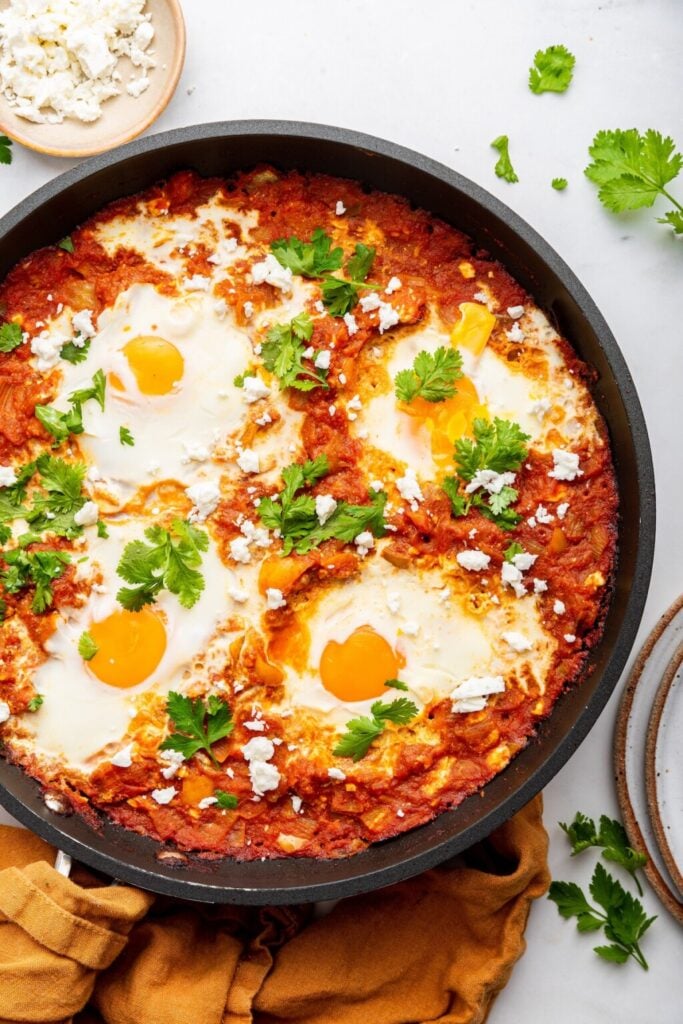
6. Shakshuka (Poached Eggs in Tomato Sauce)
Shakshuka brings bold flavors to your table with eggs poached in a spiced tomato sauce. This North African dish works well for breakfast, lunch, or dinner.
Cook onions, bell peppers, and garlic in a pan with spices like cumin and paprika. Add crushed tomatoes to make the sauce.
Once the sauce simmers, crack eggs directly into it. The eggs poach gently in the warm tomato mixture until the whites set but the yolks stay runny.
Serve shakshuka right from the pan with crusty bread for dipping.

7. Egg Salad Sandwich with Dijon Mustard
Egg salad sandwiches are simple to make and perfect for lunch. You need hard-boiled eggs, mayonnaise, Dijon mustard, and a few basic seasonings.
The Dijon mustard adds a tangy flavor that makes this sandwich stand out. Add chopped green onions or celery for extra crunch.
Mix your chopped eggs with mayo and mustard, then season with salt and pepper. Spread the mixture on your favorite bread and enjoy.
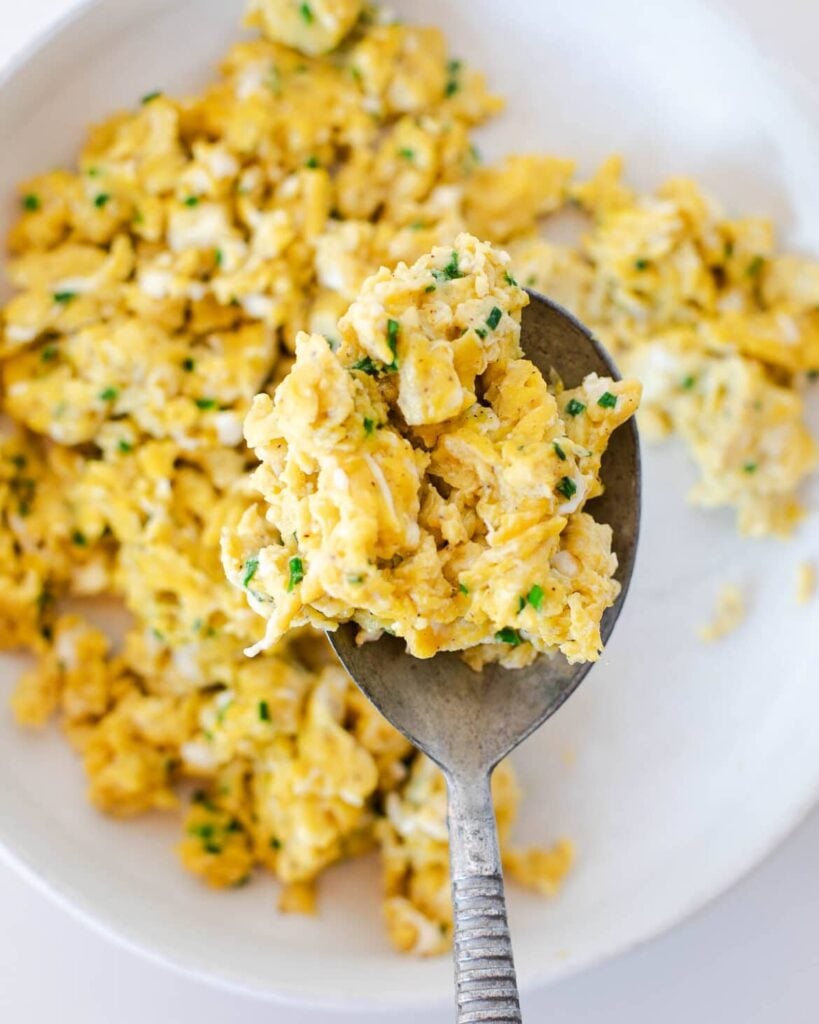
8. Fluffy Scrambled Eggs with Chives
Scrambled eggs with chives make a simple, protein-rich breakfast you can prepare in under 15 minutes. Whisk the eggs well before cooking to add air into the mixture.
Cook your eggs over low heat with butter. Stir them gently and fold them slowly instead of scrambling quickly.
This creates soft, creamy curds. Add fresh chives at the end of cooking to keep their mild onion flavor bright and fresh.
Remove the pan from heat while the eggs still look slightly wet since they continue cooking from the heat they hold.
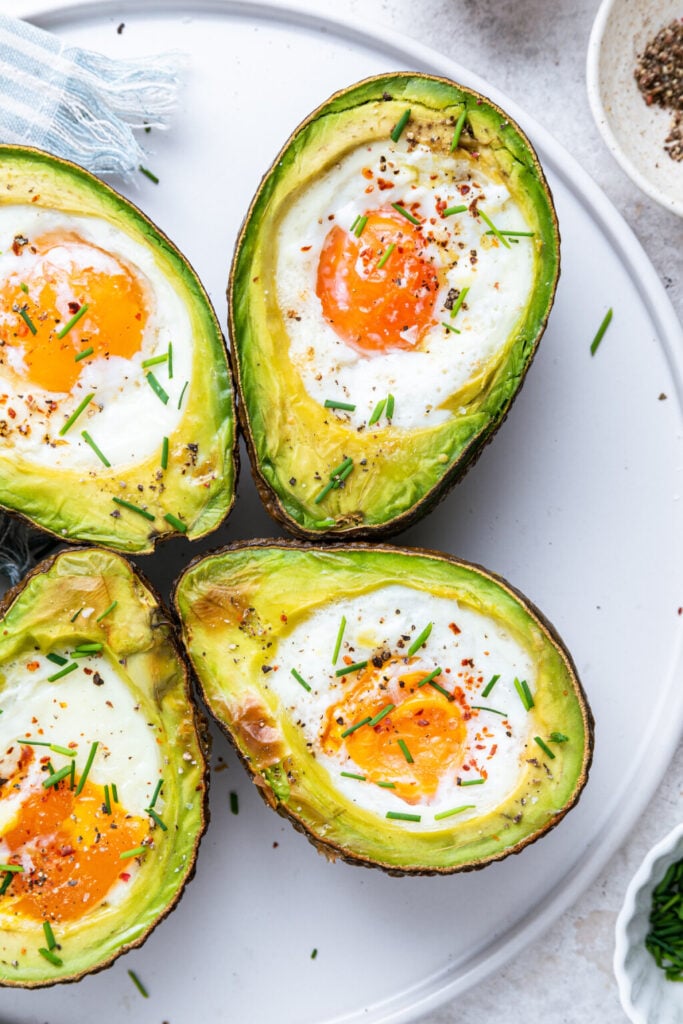
9. Baked Avocado Eggs
Baked avocado eggs combine protein and healthy fats in one simple dish. Cut an avocado in half, remove some flesh to make room, and crack an egg into each half.
Bake them at 425°F for 12 to 15 minutes until the egg whites set. The avocado becomes extra creamy when heated, while the egg cooks to your preferred doneness.
This breakfast works for low-carb and high-protein diets. Add toppings like cheese, bacon, or chives to customize the flavor.
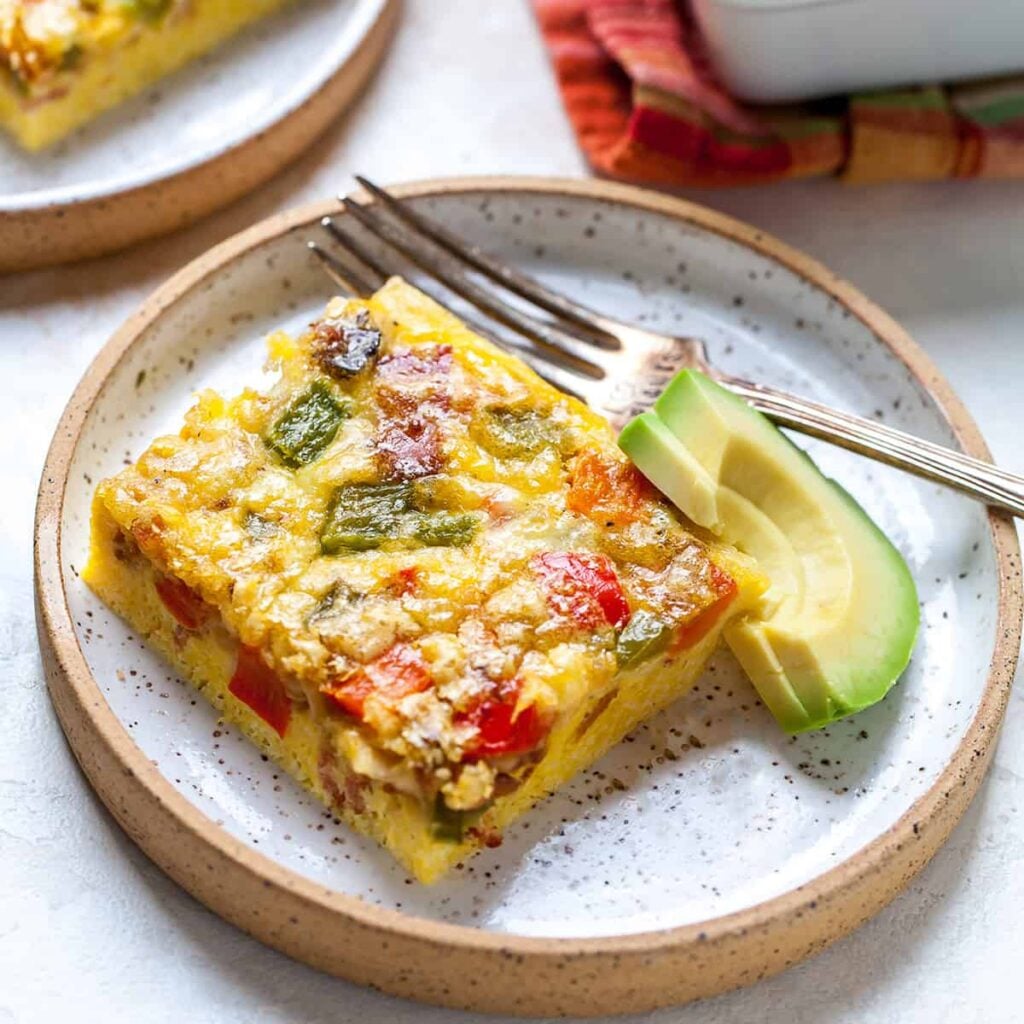
10. Egg and Cheese Breakfast Casserole
This casserole combines fluffy eggs with melted cheese for a simple breakfast dish. Prepare it the night before and bake it fresh in the morning.
The recipe needs basic ingredients like eggs, milk, cheese, and seasonings. Add vegetables, bacon, or sausage to make it your own.
This dish works well for busy mornings or when you need to feed a group. The prep time takes less than 10 minutes, and you bake it while getting other things ready.
Essential Tips for Cooking Perfect Eggs
Fresh eggs at room temperature cook more evenly than cold ones. Proper storage keeps them safe for 3-5 weeks.
The cooking method you choose changes the texture and flavor completely, from soft scrambled eggs to crispy fried edges.
Choosing the Right Eggs
Check the date on the carton before buying eggs. Most stores sell eggs with at least 2-3 weeks before the expiration date.
Fresh eggs work best for poaching and frying because the whites hold together better. Older eggs are easier to peel when hard-boiled because the pH changes make the shell separate from the white more cleanly.
Look at the shell when you crack an egg. The yolk should sit high and round in the center.
The white should have two distinct parts—a thick portion close to the yolk and a thinner liquid around the edges.
Egg Grade Guide:
- Grade AA: Thick whites, firm yolks, best for frying and poaching
- Grade A: Good quality, works for most cooking methods
- Grade B: Thinner whites, fine for baking and scrambling
Room temperature eggs blend better in batters and cook more evenly. Take them out of the fridge 30 minutes before cooking.
Cooking Methods Explained
Use low to medium heat and constant stirring for scrambled eggs. Remove them from heat when they still look slightly wet because they keep cooking on the plate.
Heat your pan with butter or oil for fried eggs. Crack the egg gently into the pan and cook for 2-3 minutes for sunny-side up.
Flip carefully for over-easy eggs and cook 30 seconds more.
Start boiled eggs in cold water. Bring to a boil, then cover and remove from heat.
Let sit for 4-6 minutes for soft-boiled or 10-12 minutes for hard-boiled.
Poach eggs in simmering water with a splash of vinegar. Create a gentle whirlpool and slide the egg into the center.
Cook for 3-4 minutes until the white sets but the yolk stays runny.
Use fresh eggs for poaching and frying. Save older eggs for boiling since they peel easier.
How to Store Eggs for Freshness
Store eggs in their original carton on a middle or lower shelf in your refrigerator. The carton protects them from absorbing odors and losing moisture through the porous shell.
Don’t keep eggs in the door. Temperature changes from opening and closing the fridge can reduce their shelf life.
Raw eggs last 3-5 weeks in the refrigerator past the packing date. Hard-boiled eggs stay fresh for one week when kept in their shells.
Storage Timeline:
- Whole raw eggs: 3-5 weeks refrigerated
- Raw egg whites: 2-4 days in sealed container
- Raw egg yolks: 2-3 days covered with water
- Hard-boiled eggs: 1 week in shell
Write the date on the carton when you buy eggs. This helps you track freshness and use older eggs first.
Never freeze eggs in their shells because the liquid expands and cracks them.
Nutritional Benefits of Egg Dishes
Eggs deliver high-quality protein and essential vitamins and minerals that support your overall health. They fit easily into various meal plans and dietary approaches.
Protein and Essential Nutrients
One large egg contains about 6 grams of complete protein with all nine essential amino acids your body needs. This protein supports muscle growth, tissue repair, and immune function.
Eggs provide significant amounts of vitamin B12, which helps maintain healthy nerve cells and red blood cells. You also get riboflavin, which converts food into energy, and folate, which supports cell division.
The yolk contains important fat-soluble vitamins including vitamin A for eye health, vitamin D for bone strength, and vitamin E for immune support. Eggs also deliver choline, a nutrient that aids brain function and memory.
Many people don’t get enough choline from their diets.
Your body absorbs the iron and zinc from eggs efficiently compared to plant sources. The selenium in eggs acts as an antioxidant that protects your cells from damage.
Eggs in a Balanced Diet
You can eat eggs at any meal throughout the day. They work well for breakfast, lunch, or dinner recipes.
Eggs pair effectively with vegetables, whole grains, and healthy fats to create balanced meals. Adding spinach, tomatoes, or bell peppers increases your fiber and vitamin intake.
Combining eggs with whole wheat toast or brown rice provides sustained energy.
Most healthy adults can safely eat one to two eggs daily as part of a varied diet. The dietary cholesterol in eggs has less impact on blood cholesterol than previously thought for most people.
Eggs cost less than many other protein sources, making them budget-friendly. They cook quickly and require minimal preparation, which saves you time in the kitchen.
Frequently Asked Questions
What are some classic techniques for cooking eggs perfectly every time?
Temperature control is the most important factor when cooking eggs. Use medium-low heat for scrambled eggs and omelettes to prevent overcooking and maintain a creamy texture.
Heat your pan until a drop of water sizzles gently before adding butter or oil for fried eggs. This ensures even cooking without burning the edges.
Remove eggs from heat just before they look fully done, as they continue cooking from residual heat.
How can I incorporate eggs into a healthy breakfast?
Pair eggs with vegetables like spinach, tomatoes, or bell peppers to add fiber and vitamins. Egg muffins loaded with vegetables make excellent meal prep options you can grab throughout the week.
Use cooking methods that require less fat, such as poaching or baking. Skip heavy cheeses and opt for herbs and spices to add flavor without extra calories.
Serving eggs with whole grain toast or fresh fruit creates a balanced meal that keeps you full longer.
What are the secrets to making a fluffy and delicious omelette?
Beat your eggs thoroughly with a fork until the yolks and whites are completely combined. Add a tablespoon of water or milk per two eggs to create steam during cooking, which makes the omelette lighter.
Use a non-stick pan and butter over medium heat. Pour in the eggs and let them set for a few seconds before gently pushing the edges toward the center with a spatula.
This technique creates soft folds rather than a flat pancake.
Use fresh eggs because the whites hold together better than older eggs. Crack each egg into a small bowl first so you can slide it gently into the water.
Bring a pot of water to a gentle simmer with a splash of white vinegar. The vinegar helps the egg whites coagulate faster.
Create a gentle whirlpool in the water with a spoon. Slide the egg into the center.
Cook for three to four minutes for a runny yolk.
What are the best practices for storing and handling eggs to maintain their quality?
Store eggs in their original carton on a refrigerator shelf rather than the door. The door experiences temperature changes that can reduce egg quality and freshness.
Keep eggs refrigerated at 40°F or below. Eggs typically stay fresh for three to five weeks past the purchase date.
Check for freshness by placing an egg in water. Fresh eggs sink while old eggs float.
How do I modify egg recipes to cater to dietary restrictions, such as allergies or vegan preferences?
For egg allergies, substitute each egg with a quarter cup of unsweetened applesauce or mashed banana in baked goods.
These options work well in muffins and quick breads, but they change the flavor slightly.
Vegan alternatives include commercial egg replacers, flax eggs (one tablespoon ground flaxseed mixed with three tablespoons water), or silken tofu.
For scrambles, use crumbled firm tofu and season it with turmeric for color and nutritional yeast for flavor.