
Eggs are one of the most useful ingredients in any kitchen. They work for breakfast, lunch, or dinner.
You can cook them in dozens of different ways. Whether you want something quick for a busy morning or a dish to serve at brunch, eggs can do the job.
This collection shows you how to make eggs using different cooking methods, from simple omelets to baked casseroles and everything in between. You’ll find classic recipes that have stood the test of time and some with unique flavors from around the world.
Each recipe gives you a new way to cook eggs, so you can pick what fits your schedule and taste. You’ll also learn tips for working with eggs and ways to make your egg dishes healthier.

1. Classic French Omelette
The French omelette stands out for its smooth, pale yellow exterior and soft, creamy interior. You make it with just eggs and butter, cooking quickly in a nonstick pan over medium heat.
The technique matters more than the ingredients here. You’ll whisk the eggs until smooth, then constantly stir them in the pan to create small, tender curds.
The entire cooking process takes about 30 seconds. Your finished omelette should have no browning and fold into an elegant oval shape.
It’s simple but requires practice to master.

2. Momofuku Soy Sauce Eggs
These soft-boiled eggs get marinated in a simple mixture of soy sauce, water, sugar, and sherry vinegar. You boil the eggs for about six minutes to get a jammy yolk, then peel them and let them soak in the marinade for at least two hours.
You can eat them as a snack, add them to ramen, or serve them over rice. They stay good in the fridge for up to six hours of marinating, making them perfect for meal prep.

3. Crustless Spinach Quiche
Crustless spinach quiche is a simple egg dish that takes about 30 minutes to make. You don’t need to worry about making a crust, which saves time and effort.
This recipe combines eggs with fresh spinach and cheese. You can use different types of cheese like cheddar, Muenster, or Swiss.
The dish works well for breakfast, brunch, or dinner. It’s naturally gluten-free and low in carbs since there’s no crust.
You can add extras like onions, mushrooms, or ham to change the flavor.

4. Deviled Eggs with Smoked Paprika
Deviled eggs become something special when you add smoked paprika. You hard-boil eggs, cut them in half, and scoop out the yolks.
Mix the yolks with mayonnaise, mustard, and smoked paprika to create a creamy filling. The smoked paprika adds a warm, smoky taste without heat.
You can use Dijon or yellow mustard based on what you prefer. Spoon or pipe the mixture back into the egg whites.
Sprinkle extra smoked paprika on top before serving. These eggs work well for parties or as snacks.

5. Poached Eggs with Hollandaise Sauce
Poached eggs with hollandaise sauce is a brunch classic you can make at home. The dish combines soft, creamy poached eggs with a rich butter sauce.
You can serve these eggs on toasted English muffins with Canadian bacon for traditional Eggs Benedict. For a lighter option, try placing them on toast or roasted vegetables.
The hollandaise sauce requires butter, egg yolks, and lemon juice. Both parts take practice but use basic techniques and ingredients you likely have in your kitchen.
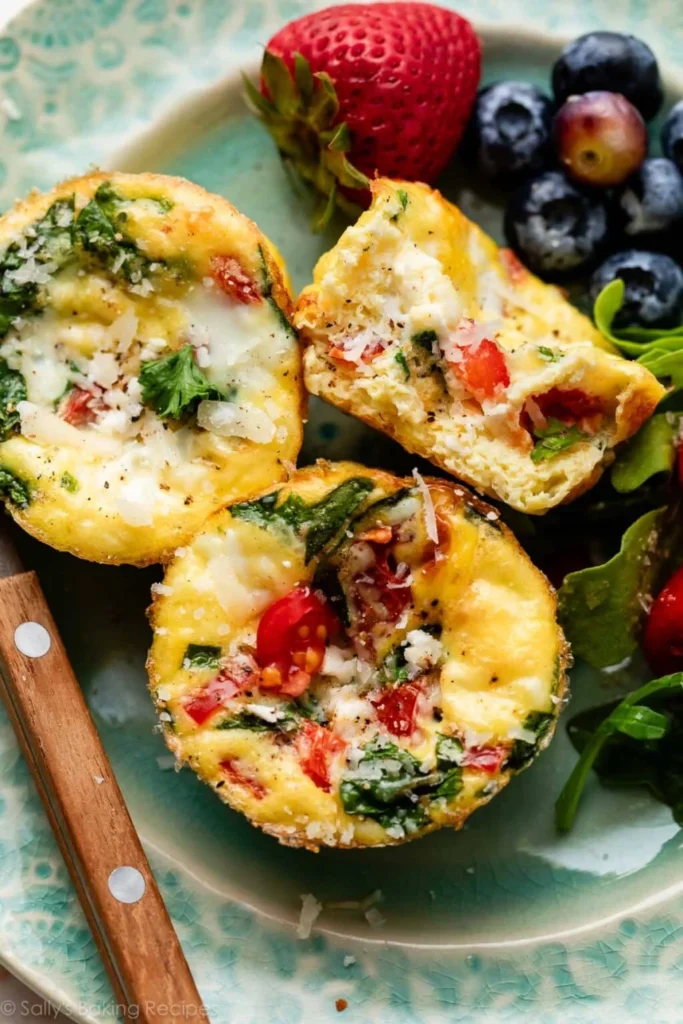
6. Egg Muffins with Vegetables
Egg muffins with vegetables are baked in a muffin tin for easy portions. You can make them ahead and grab them on busy mornings.
Mix eggs with your choice of vegetables like spinach, bell peppers, mushrooms, or tomatoes. Add cheese if you want extra flavor.
Pour the mixture into a greased muffin tin. Bake at 350°F for about 20 minutes until set.
This recipe usually makes 12 muffins. Store them in your fridge for up to five days, or freeze them for longer.

7. Shakshuka (Eggs in Spicy Tomato Sauce)
Shakshuka brings together eggs poached in a rich tomato sauce with peppers and onions. This North African and Middle Eastern dish works well for breakfast, lunch, or dinner.
You cook everything in one pan, which makes cleanup easy. The tomato sauce gets its flavor from spices like cumin and paprika.
You crack eggs directly into the simmering sauce and let them poach until the whites set. Serve shakshuka straight from the pan with crusty bread for dipping.
The runny yolks mix with the spicy sauce to create a satisfying meal.

8. Egg Salad Sandwich
You can make a great egg salad sandwich with just a few basic ingredients. Start by boiling your eggs until they’re fully cooked, then let them cool before peeling and chopping.
Mix the chopped eggs with mayonnaise and mustard for a creamy base. Add diced celery or green onions for crunch.
Spread your egg salad on whole wheat or white bread. You can eat it right away or chill it first for better flavor.
This sandwich works well for lunch or a quick snack.

9. Breakfast Casserole with Sausage and Cheese
This casserole brings together eggs, breakfast sausage, and melted cheese in one pan. You can prepare it the night before and bake it in the morning, making it perfect for busy days or when you have guests.
The dish typically includes layers of cooked sausage, beaten eggs, and shredded cheddar cheese. Many recipes add bread cubes or hash browns to make it more filling.
You’ll brown the sausage first, then mix everything together in a baking dish. The eggs puff up as they bake, creating a fluffy texture throughout.

10. Spanish Tortilla (Potato Omelette)
Spanish tortilla is a classic egg dish made with sliced potatoes, onions, and eggs cooked in olive oil. You’ll cook the potatoes and onions until soft, then mix them with beaten eggs.
The mixture gets cooked in a pan until set. You can flip it to cook both sides evenly.
This dish works well served hot, at room temperature, or cold. Spanish tortilla makes a great meal any time of day.
You can serve it as a main dish or cut it into small pieces for an appetizer.
Essential Tips for Cooking with Eggs
Success with egg dishes starts before you even crack the shell. Fresh eggs, proper storage, and understanding basic cooking techniques will help you avoid common mistakes and create better meals every time.
Selecting the Best Eggs
When buying eggs, check the carton date to ensure freshness. Look for a “sell-by” or “best-by” date that’s at least three weeks out.
Open the carton before purchasing to inspect each egg. Avoid cartons with cracked or dirty shells, as bacteria can enter through damaged areas.
The color of the shell—white or brown—doesn’t affect taste or nutrition. This simply indicates the breed of hen.
Grade AA and A eggs have firmer whites and rounder yolks, making them ideal for frying and poaching. You can test an egg’s freshness at home by placing it in a bowl of water.
Fresh eggs sink and lay flat on the bottom. Older eggs stand upright or float because air pockets inside grow larger over time.
Proper Storage Techniques
Store eggs in their original carton on a shelf in your refrigerator, not in the door. The door experiences temperature changes each time you open it, which can reduce egg quality.
Keep eggs at 40°F or below. They’ll stay fresh for 3-5 weeks past the pack date when stored correctly.
Never wash eggs before storing them. The natural protective coating keeps bacteria out and moisture in.
Only rinse eggs right before you cook them if needed. Store raw eggs away from foods with strong odors.
Eggshells are porous and can absorb smells from items like onions or fish.
Common Cooking Methods
Boiling: Place eggs in cold water, bring to a boil, then remove from heat. Cover and let sit for 10-12 minutes for hard-boiled or 4-6 minutes for soft-boiled.
Scrambling: Beat eggs with a splash of milk or water. Cook over medium-low heat, stirring gently.
Remove from heat while slightly undercooked, as they continue cooking from residual heat.
Frying: Heat butter or oil in a pan over medium heat.
Crack eggs directly into the pan. For sunny-side-up, cover and cook until whites set.
For over-easy, flip carefully and cook 30 seconds more.
Poaching: Bring water to a gentle simmer with a splash of vinegar.
Create a gentle whirlpool and slide the egg into the center. Cook for 3-4 minutes until whites are set but yolks remain runny.
How to Make Egg Recipes Healthier
The cooking method and ingredients you pair with eggs can dramatically affect their nutritional value. Selecting the right cooking fats and adding nutrient-dense vegetables transforms basic egg dishes into wholesome meals.
Choosing Smart Cooking Oils
The oil you cook your eggs in affects both flavor and nutrition. Olive oil stands out as one of the healthiest choices because it contains heart-healthy monounsaturated fats and antioxidants.
You can use a teaspoon or two for scrambling or frying eggs without adding excessive calories. Avocado oil is another excellent option with a high smoke point, making it ideal for cooking eggs at higher temperatures.
It won’t break down or produce harmful compounds when heated. For minimal added fat, use cooking spray or a light coating of oil in a non-stick pan.
You can also try poaching or boiling eggs, which requires no added oil at all. These methods keep the calorie count low while preserving the natural protein content.
Avoid butter or bacon grease if you’re watching saturated fat intake. These fats can increase cholesterol levels when consumed regularly.
Incorporating Vegetables for Added Nutrition
Adding vegetables to your egg recipes boosts fiber, vitamins, and minerals without many extra calories. Spinach works particularly well in scrambles and omelets because it wilts quickly and adds iron and vitamin K.
Bell peppers, onions, and tomatoes create a classic combination that provides vitamin C and adds color to your plate. You can dice them small for even distribution or leave them in larger pieces for more texture.
Mushrooms add a meaty texture and umami flavor while keeping dishes low in calories. Broccoli, zucchini, and asparagus are other vegetables that pair well with eggs and add substantial nutrients.
Try adding a full cup of vegetables to a two-egg dish. This ratio gives you plenty of nutrients and helps you feel satisfied longer.
Frequently Asked Questions
Eggs work for any meal and can fit different dietary needs, cooking skill levels, and creative preferences. You can use them in savory dishes, sweet treats, and everything in between.
What are some healthy egg recipes for a balanced diet?
Crustless Spinach Quiche gives you protein and vegetables without the extra calories from pastry. You get iron from the spinach and protein from the eggs in one dish.
Poached eggs are another healthy choice because they don’t require butter or oil for cooking. You can serve them over whole grain toast or on top of a salad for a nutritious meal.
Hard-boiled eggs make a simple snack that you can prepare ahead of time. They contain about 6 grams of protein each and keep in the refrigerator for up to a week.
What creative egg dishes can I prepare for dinner?
Shakshuka brings eggs together with tomato sauce, peppers, and spices for a satisfying dinner option. You cook the eggs directly in the sauce and serve everything in the same pan.
A frittata lets you use whatever vegetables, cheese, or meat you have on hand. You start it on the stovetop and finish it in the oven for a complete meal.
Momofuku Soy Sauce Eggs add an Asian twist to your dinner table. These marinated eggs work well as a topping for ramen or rice bowls.
Deviled Eggs with Smoked Paprika make a protein-rich lunch that you can prepare in advance. They’re easy to pack and don’t need reheating.
Egg salad sandwiches are a classic lunch option that takes less than 10 minutes to prepare. You can add celery, herbs, or pickles to change up the flavor.
A veggie-packed omelette works well for lunch when you want something warm and filling. You can customize it with whatever ingredients you prefer.
What are the top 10 egg dishes that everyone should know how to cook?
Scrambled eggs form the foundation of egg cooking and require only eggs, salt, and butter. Cook them low and slow for a creamy texture.
The Classic French Omelette shows your egg-cooking skills with its smooth exterior and soft interior. Master the folding technique with practice.
Fried eggs come in several styles including sunny-side up, over easy, and over hard. Each style uses different timing and flipping methods.
Poached Eggs with Hollandaise Sauce are essential for making eggs Benedict. Maintain the right water temperature and create a gentle whirlpool.
Hard-boiled eggs need proper timing to avoid a green ring around the yolk. Boil them for exactly 10-12 minutes, then transfer to ice water.
Soft-boiled eggs have runny yolks and set whites when you cook them for 6-7 minutes. They work perfectly on toast or in ramen.
Baked eggs in the oven let you cook multiple servings at once. Bake them in muffin tins or ramekins with various toppings.
To make egg drop soup, slowly pour beaten eggs into hot broth while stirring. This creates delicate strands throughout the soup.
Huevos rancheros combines fried eggs with tortillas, beans, and salsa. This dish works well for breakfast or brunch.
Quiche combines eggs with cream and other ingredients in a pastry shell. You can make it crustless to reduce prep time and calories.
What unique dessert recipes can I make using eggs?
Custard relies on eggs to create its smooth, creamy texture. You can flavor it with vanilla, chocolate, or fruit.
Meringues use only egg whites and sugar to create light, crispy cookies. Beat the whites until they form stiff peaks.
Lemon curd combines egg yolks with lemon juice and butter for a tangy spread. Use it in tarts, on scones, or between cake layers.
Flan is a caramel-topped custard dessert that uses whole eggs. The eggs create the silky texture that makes flan special.
How can I use a large quantity of eggs efficiently in my cooking?
Make a large frittata or crustless quiche that uses 8-12 eggs at once. These dishes feed multiple people and reheat well for several days.
Prepare a big batch of hard-boiled or soft-boiled eggs for meal prep throughout the week. Use them in salads, sandwiches, or as snacks.
Bake a pound cake or angel food cake, which use many eggs in a single recipe. Freeze these cakes if you can’t eat them right away.
Cook a large batch of egg custard or ice cream base to use up a dozen eggs. Freeze homemade ice cream for months.