
Latin American cooking brings together different cultures, ingredients, and techniques from countries across Mexico, Central America, South America, and the Caribbean. Each region has its own special dishes that people have made and shared for many years.
These recipes use fresh ingredients and bold flavors. They make everyday meals more exciting.
This collection of Latin food recipes helps you make traditional dishes from different countries right in your own kitchen. You’ll learn how to prepare popular meals like enchiladas, empanadas, and arepas.
You’ll also discover what ingredients you need and get tips for cooking these dishes the right way. Whether you want to try a new type of cuisine or cook foods that remind you of your heritage, these recipes give you a good starting point.
The dishes range from quick weeknight meals to special foods for gatherings with family and friends.
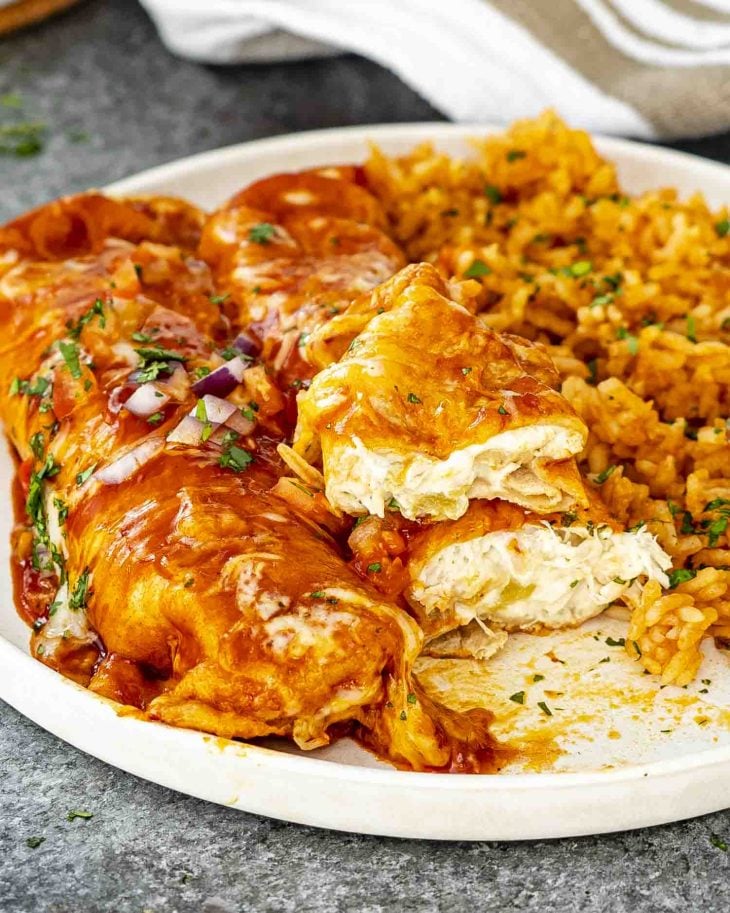
1. Mexican Chicken Enchiladas
Mexican chicken enchiladas bring bold flavors to your dinner table with minimal effort. You fill soft tortillas with seasoned shredded chicken and cheese, then roll them up and cover them with enchilada sauce.
The sauce makes all the difference. Choose red sauce for a spicier kick or green sauce for a milder taste.
These enchiladas work great for weeknight meals or when you’re feeding a crowd. Top them with extra cheese and bake until bubbly and golden.

2. Brazilian Moqueca (Fish Stew)
Moqueca is a traditional Brazilian fish stew that brings together simple ingredients into one flavorful dish. Cook firm white fish in a rich broth made with coconut milk, tomatoes, bell peppers, onions, and garlic.
Palm oil gives the stew its authentic taste, and you can find it at Brazilian markets or online. Fresh cilantro and lime add brightness to the creamy coconut base.
You can make this dish in about 30 minutes. Serve moqueca with white rice for a complete meal.

3. Peruvian Ceviche
Peruvian ceviche stands out as Peru’s national dish and one of Latin America’s most loved seafood recipes. Marinate fresh raw white fish in lime juice, which cures the seafood without heat.
The dish combines red onions, cilantro, and Peruvian chilies for a balanced mix of flavors. Serve it with boiled sweet potato and Peruvian corn on the side.
The key is using the freshest fish you can find and preparing it close to serving time.

4. Argentinian Beef Empanadas
Empanadas are a classic street food from Argentina that you can easily make at home. These hand-held pastries feature a flaky, buttery dough wrapped around seasoned ground beef.
The filling typically includes onions, spices, and sometimes olives or hard-boiled eggs for extra flavor. Bake or fry them depending on your preference.
They work well as an appetizer, snack, or main dish. The portable design makes them perfect for parties or quick meals when you’re on the go.

5. Cuban Ropa Vieja
Ropa vieja is one of Cuba’s most famous dishes. The name means “old clothes” in Spanish, which describes how the shredded beef looks after cooking.
Slow-cook flank steak until it falls apart. Then mix it with a tomato-based sauce, bell peppers, and onions.
Warm spices give it a rich flavor. Serve this hearty stew over white rice with black beans on the side.

6. Colombian Ajiaco Soup
Ajiaco is a traditional chicken and potato soup from Bogotá that combines three types of potatoes with tender corn and chicken. Guascas, a Colombian herb, adds an earthy taste you won’t find in other soups.
The potatoes naturally thicken the broth as they cook, creating a creamy texture without added cream. Serve it with capers, cream, avocado, and rice on the side.

7. Chilean Pastel de Choclo
Pastel de Choclo is Chile’s answer to shepherd’s pie. This comforting casserole combines a savory beef and chicken filling with a sweet corn topping that gets baked until golden.
You’ll find hard-boiled eggs tucked into the meat layer, adding extra richness. The corn topping is made from pureed fresh corn, creating a creamy texture that contrasts perfectly with the seasoned meat below.
This dish is popular during Chilean summers. You can prepare the beef filling up to three days ahead, making it practical for busy weeknights.

8. Dominican Mangu
Dominican mangu is a traditional breakfast dish made from mashed green plantains. Boil the plantains in salted water until they’re soft, then mash them until creamy.
The result is a smooth, comforting base that pairs well with many toppings. You’ll typically see mangu served with sautéed onions, fried cheese, salami, and eggs.
This combination is called “Los Tres Golpes” in the Dominican Republic. The dish works as a hearty breakfast or a filling side dish for lunch and dinner.
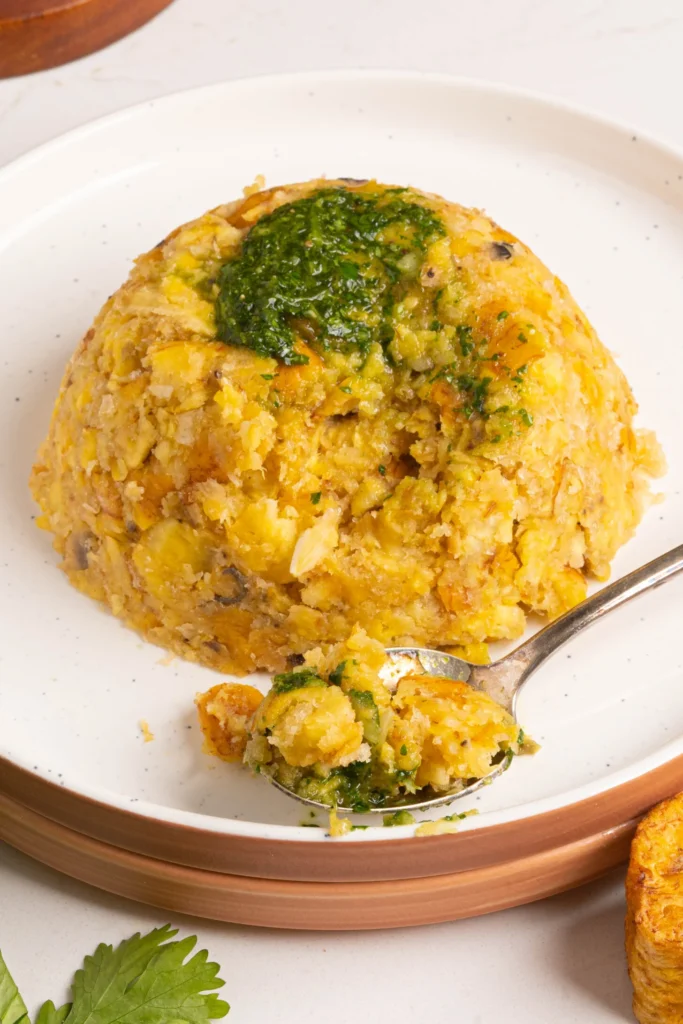
9. Puerto Rican Mofongo
Mofongo is a traditional Puerto Rican dish that brings bold flavors to your table. Fry green plantains until they’re golden and crispy.
Mash them with garlic and pork rinds to create a savory side dish. You can serve mofongo plain or top it with shrimp, chicken, or beef.
It takes about 25 minutes to prepare, making it perfect for weeknight meals or special occasions.

10. Venezuelan Arepas
Make these golden cornmeal pockets with just three ingredients: pre-cooked cornmeal, water, and salt. Arepas have been a staple in Venezuela since pre-Columbian times.
The cooking process creates a crispy exterior and soft, fluffy center. Split them open and fill them with anything you like.
Try the classic reina pepiada, which combines chicken and avocado. You can also stuff them with cheese, beans, or your favorite meats and vegetables.
Essential Ingredients in Latin Cuisine
Latin cuisine builds its foundation on bold spices like cumin and paprika, hearty staples such as rice and beans, and proteins ranging from chicken to seafood.
Staple Spices and Herbs
Cumin stands as one of the most essential spices in Latin cooking. You’ll find it in everything from Mexican tacos to Cuban black beans.
Its earthy, warm flavor adds depth to meat dishes and soups. Paprika brings both color and mild sweetness to your dishes.
Spanish paprika, or pimentón, comes in sweet, bittersweet, and hot varieties. Cilantro appears fresh in salsas, guacamole, and as a garnish across Latin America.
Some cooks also use the seeds, known as coriander, in spice blends. Oregano in Latin cuisine differs from Italian oregano.
Mexican oregano has a stronger, more citrusy flavor that works well with chili-based dishes. Other key seasonings include garlic, bay leaves, and chili peppers in various forms.
These create the bold, layered flavors Latin food is known for.
Traditional Grains and Legumes
Rice serves as the backbone of countless Latin meals. You’ll prepare it plain, cook it with tomatoes for Spanish rice, or combine it with chicken for arroz con pollo.
Black beans are a staple in Cuban, Mexican, and Central American cooking. They’re protein-rich and pair perfectly with rice to create a complete meal.
Pinto beans work well in refried beans, a common side dish in Mexican cuisine. Mash them with lard or oil for a creamy texture.
Corn appears in multiple forms across Latin cooking. Use masa harina for tortillas and tamales, hominy in pozole, and fresh corn in salads and soups.
These grains and legumes provide filling, affordable ingredients that form the base of traditional dishes.
Fresh Produce and Proteins
Tomatoes form the base of many Latin sauces and salsas. Use them fresh in pico de gallo or cooked down in enchilada sauce.
Peppers range from mild bell peppers to fiery habaneros. Poblanos work for stuffing, jalapeños add medium heat, and serranos bring more intense spice.
Avocados create creamy guacamole and add richness to many dishes. They’re native to Latin America and appear in cuisines throughout the region.
Chicken is the most common protein in Latin cooking. You’ll find it in soups, stews, tacos, and rice dishes.
Pork shows up in carnitas, pernil, and Cuban sandwiches. Beef works well in empanadas and carne asada.
Seafood plays a major role in coastal regions. Prepare shrimp in garlic sauce, fish in ceviche, or seafood paella.
Tips for Authentic Latin Cooking at Home
Mastering Latin cooking requires understanding specific techniques and knowing how to balance the bold flavors that define each region’s cuisine.
Choosing the Right Cooking Techniques
Different Latin American dishes require specific cooking methods to achieve authentic results. Sofrito forms the base of many recipes and involves slowly cooking onions, peppers, garlic, and tomatoes in oil until they become fragrant and soft.
For meats, learn braising techniques. This method works well for dishes like ropa vieja and carnitas, where you cook meat low and slow until it becomes tender enough to shred.
Pan-frying and deep-frying are essential for making crispy empanadas, tostones, and chicharrones. Maintain the right oil temperature to get a golden, crispy exterior without making the food greasy.
Grilling gives authentic flavor to dishes like carne asada and pollo asado. If you can, use a charcoal grill or add wood chips to create the smoky taste that many Latin American street foods have.
Balancing Flavors for Regional Dishes
Latin American cooking combines five key flavor elements: salty, sweet, sour, bitter, and spicy. Adjust these based on the specific region’s style.
Mexican dishes often balance heat from chiles with acidity from lime and sweetness from tomatoes. Cuban food leans toward garlic, citrus, and oregano with less emphasis on spicy heat.
Peruvian cuisine uses aji peppers for moderate heat and relies heavily on lime juice for brightness. Start with less seasoning than you think you need.
You can always add more cumin, chili powder, or salt, but you cannot remove them once added. Taste your food as you cook and adjust the balance gradually.
Fresh herbs like cilantro, oregano, and epazote should go in at different stages. Add hardy herbs like oregano early in cooking, but save delicate cilantro for the final minutes to preserve its fresh flavor.
Frequently Asked Questions
Latin American cooking brings together bold spices, fresh ingredients, and time-tested techniques that work for both weeknight dinners and special gatherings.
These answers address common questions about preparing authentic dishes, understanding flavor profiles, and exploring the region’s culinary traditions.
What are some classic Latin American dishes suitable for a family dinner?
Mexican Chicken Enchiladas offer a satisfying option that feeds multiple people without requiring advanced cooking skills. You can prepare the filling ahead of time and assemble the dish when you’re ready to bake.
Cuban Ropa Vieja works well for family meals because the slow-cooked beef becomes tender and flavorful. The dish pairs with rice and black beans to create a complete meal that stretches across several servings.
Argentinian Beef Empanadas let everyone customize their portions while enjoying handheld convenience. You can make the dough and filling in advance, then bake them fresh for dinner.
How can I incorporate Latin flavors into my cooking for a diverse culinary experience?
Start by adding staple ingredients like cumin, oregano, cilantro, and fresh lime juice to your pantry. These seasonings appear across Mexican, Cuban, and South American recipes and transform basic proteins and vegetables.
Stock your kitchen with dried chiles, adobo sauce, and sofrito to build authentic flavor bases. Use these ingredients in marinades, stews, and rice dishes to create depth without complicated techniques.
Experiment with different cooking methods like braising and grilling with citrus marinades. Try quick pickling vegetables for added brightness.
Brazilian Moqueca shows how coconut milk and fresh fish combine with peppers for a unique taste profile.
What are the top-rated recipes for authentic Latin American meals?
Peruvian Ceviche ranks among the most celebrated dishes because it showcases fresh seafood with simple but powerful ingredients. Lime juice cures the fish and mixes with onions, cilantro, and chili peppers for a bright, clean flavor.
Mexican Chicken Enchiladas remain popular for their rich sauce and melted cheese topping. The combination of tender chicken, corn tortillas, and red or green sauce creates comfort food that feels authentic.
Brazilian Moqueca stands out for its coconut-based broth and delicate fish. The stew combines tomatoes, peppers, and palm oil to deliver a taste that represents coastal Brazilian cooking.
Can you suggest simple and quick Latin dishes for a weeknight meal?
Peruvian Ceviche requires minimal cooking since the citrus juice does most of the work. Prepare this dish in under 30 minutes with fresh fish and basic vegetables.
Argentinian Beef Empanadas work for busy nights when you use store-bought dough and pre-cooked ground beef. Fill, fold, and bake them for a fast dinner option.
Simple rice and beans dishes from various Latin countries come together quickly with canned beans and basic seasonings. Add grilled chicken or fish seasoned with cumin and garlic for a complete meal.
Which Latin American dishes are considered must-tries for food enthusiasts?
Cuban Ropa Vieja offers a taste of traditional slow-cooking methods where flank steak breaks down into shredded meat. Bell peppers, tomatoes, and a blend of spices simmer for hours to create the dish’s flavor.
Peruvian Ceviche represents the art of balancing acid, heat, and freshness in one bowl. The dish changes based on the type of fish and regional variations in preparation.
Brazilian Moqueca introduces you to ingredients like dendê oil and coconut milk that define Bahian cuisine. The fish stew shows how African, Portuguese, and indigenous influences shaped Brazilian food culture.
How has Latin American food culture influenced modern cuisine?
Latin American ingredients like quinoa, avocados, and various chili peppers now appear in kitchens worldwide. These foods moved from regional staples to global ingredients that chefs use across different cooking styles.
Chefs adopted techniques like ceviche preparation and slow-braising meats into mainstream cooking. You can find Latin-inspired fusion dishes that blend these methods with other culinary traditions.
Latin cooking emphasizes fresh herbs, bold spices, and citrus. Modern recipes often borrow the Latin practice of layering tastes through marinades, salsas, and finishing touches like lime juice.