
Leftover prime rib doesn’t have to be just reheated slices on a plate. You can turn this expensive cut of meat into completely new meals that taste fresh and different from the original roast.
These recipes show you how to transform leftover prime rib into tacos, soups, breakfast dishes, pasta, and sandwiches that make the most of every bite. You’ll find options for quick weeknight dinners, comfort food favorites, and creative international dishes.
The guide also covers how to store and reheat your leftovers properly so they stay tender and flavorful.
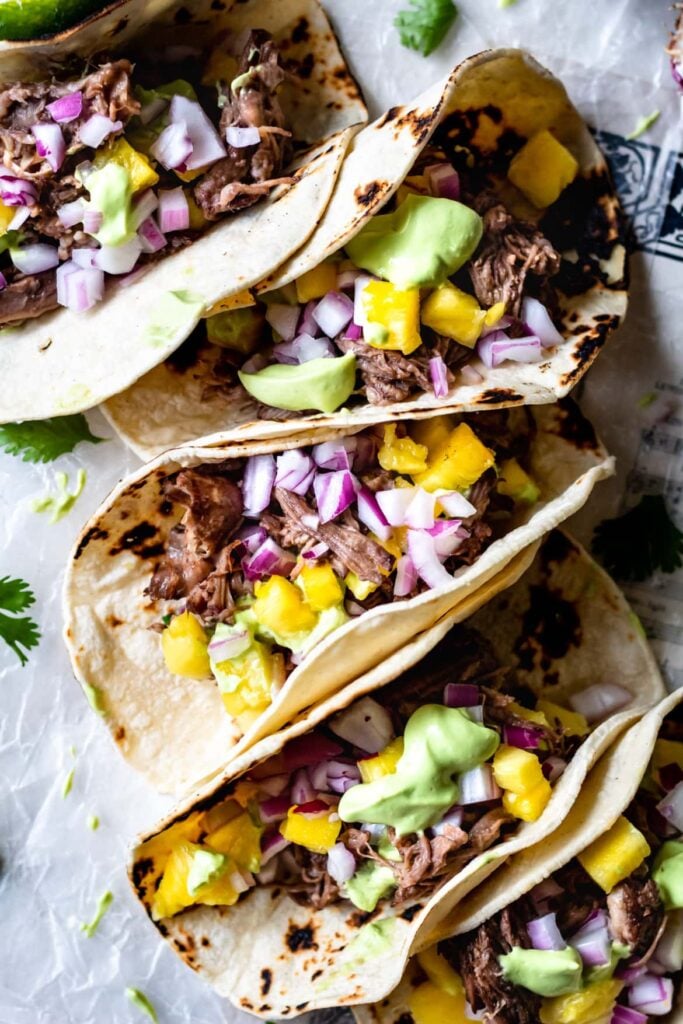
1. Prime Rib Tacos with Avocado Salsa
Prime rib tacos turn your leftover roast into a quick weeknight meal. Dice the beef and warm it in a pan before adding it to tortillas.
The avocado salsa adds freshness to the rich meat. Mix diced avocado with lime juice, cilantro, and diced tomatoes for a simple topping.
Add your favorite taco toppings like queso fresco, sour cream, or lettuce. The tender prime rib doesn’t need much seasoning since it’s already flavorful from the original roast.

2. Prime Rib Stroganoff
Prime rib stroganoff turns your leftover meat into a creamy, savory dish in about 30 minutes. Slice the prime rib into thin strips and combine it with sautéed mushrooms, onions, and a rich sour cream sauce.
The tender beef pairs well with egg noodles or rice. You can use ingredients you likely have in your kitchen already.

3. Prime Rib Shepherd’s Pie
Prime rib shepherd’s pie turns your leftover roast into a filling comfort meal. Layer chunks of seasoned prime rib with vegetables like carrots, peas, and onions.
Top everything with creamy mashed potatoes. Bake the dish until the potato crust turns golden brown.

4. Prime Rib and Mushroom Soup
Turn your leftover prime rib into a hearty soup that’s ready in about 40 minutes. Use your leftover beef, sliced mushrooms, beef broth, and simple vegetables like carrots and celery.
Cut the prime rib into bite-sized pieces and add them near the end of cooking to keep the meat tender. The mushrooms add an earthy flavor that pairs well with the rich beef.
This soup works well with egg noodles or barley. Make it even better by using broth made from your prime rib bones.

5. Prime Rib Breakfast Hash
Prime rib hash turns your leftovers into a filling breakfast. Combine diced prime rib with crispy potatoes, onions, and bell peppers in a skillet.
Cook the dish in about 30 minutes. Season the potatoes well and let them get golden brown before adding the meat.
Top your hash with fried or poached eggs. The runny yolk mixes with the crispy potatoes and tender beef for a satisfying meal.

6. Prime Rib Fried Rice
Prime rib fried rice turns your leftover beef into a satisfying one-pan meal. Combine diced prime rib with day-old rice, eggs, and vegetables like peas and carrots.
Use cold rice from your refrigerator for the best texture. Fresh rice makes the dish mushy.
Cut your prime rib into small cubes and add it near the end of cooking to keep the meat tender. Season with soy sauce and sesame oil for authentic flavor.
You can make this dish in about 15 minutes. It’s perfect for busy weeknights.

7. Prime Rib Sandwich with Horseradish Sauce
A prime rib sandwich turns your leftovers into a quick lunch. Slice your prime rib thinly against the grain for tender bites.
Layer the meat on crusty bread or a hoagie roll. Add caramelized onions for sweetness and arugula for a peppery crunch.
The horseradish sauce is key. Mix horseradish with mayo or sour cream for a creamy, zesty spread.
Add Dijon mustard for extra flavor if you like. Toast your bread for better texture.
The sandwich comes together in about 15 minutes.

8. Prime Rib Chili
Transform your leftover prime rib into a rich, hearty chili. Cut the meat into small cubes and add them to a pot with beans, diced tomatoes, and your favorite chili seasonings.
Make this on the stovetop or in a slow cooker. The tender prime rib adds a depth of flavor that regular ground beef can’t match.
Try using kidney beans, black beans, or pinto beans. Add diced onions, garlic, and jalapeños for extra taste.
The leftover au jus can replace some of the liquid for even more flavor.

9. Prime Rib Pasta with Garlic Cream Sauce
This pasta dish transforms your leftover prime rib into a restaurant-quality meal in about 15 minutes. Slice the meat into bite-sized pieces and toss it with your favorite pasta shape.
The garlic cream sauce brings everything together. Add mushrooms for extra flavor and texture.
Fettuccine and penne work well because they hold the creamy sauce. Top your finished dish with fresh parmesan and black pepper.

10. Prime Rib and Vegetable Stew
Turn your leftover prime rib into a rich, hearty stew that makes the most of every bite. Cut the meat into chunks and add it near the end of cooking to keep it tender.
Your prime rib already has flavor from its original cooking, especially if you used herbs like rosemary or garlic. Build on those flavors with carrots, potatoes, celery, and onions in a beef broth base.
Use your leftovers within 3-4 days for the best taste and quality. Serve the stew with bread or rice for a complete meal.
Best Practices for Storing and Reheating Leftover Prime Rib
Proper storage keeps your prime rib safe to eat for up to four days. The right reheating method preserves its tender texture and pink center.
Tips for Safe Refrigeration
Let your prime rib cool to room temperature within two hours of cooking. Wrap the meat tightly in aluminum foil or plastic wrap to prevent it from drying out.
Store your wrapped prime rib in an airtight container for extra protection. Place it on a shelf in your refrigerator, not in the door where temperatures fluctuate.
Refrigerator storage timeline:
- 3-4 days: Maximum safe storage time
- 24 hours: Required thawing time if frozen
If you have leftover au jus, drizzle a few tablespoons over the meat before wrapping. This adds moisture and flavor when you reheat it later.
Keep the roast intact instead of slicing it, as whole pieces retain moisture better than slices. For longer storage, wrap the prime rib in freezer paper or heavy-duty aluminum foil and freeze for up to six months.
Methods for Maintaining Juiciness and Flavor
The oven method works best for reheating prime rib without drying it out. Place your prime rib in a baking dish and add a small amount of beef broth or au jus to the bottom.
Cover the dish tightly with aluminum foil. Heat at 250°F until the internal temperature reaches 120°F for rare or 130°F for medium-rare.
This takes about 20-30 minutes depending on the size of your portion.
Quick reheating guide:
- Oven: 250°F, covered, with liquid
- Stovetop: Low heat in covered skillet with butter
- Microwave: Not recommended (causes uneven heating)
Let the meat rest for five minutes after reheating. Use a meat thermometer to check the temperature at the thickest part.
Slice just before serving to keep the juices inside.
Pairing Suggestions for Leftover Prime Rib Dishes
The right side dishes and drinks can make your leftover prime rib meals taste just as good as the original dinner. Simple pairings work best to let the beef flavor shine through.
Complementary Side Dishes
Roasted vegetables pair perfectly with prime rib leftovers. Try carrots, Brussels sprouts, or asparagus with olive oil and garlic.
These add color and nutrition without overwhelming the meat’s flavor.
Starchy sides create a filling meal:
- Mashed potatoes (regular or garlic)
- Roasted fingerling potatoes
- Rice pilaf
- Egg noodles
For sandwiches made with leftover prime rib, crispy french fries or sweet potato fries work well. A simple green salad with vinaigrette balances richer preparations like hash or stroganoff.
You can also serve horseradish sauce, au jus, or grainy mustard on the side. These condiments add flavor without cooking anything extra.
Wine and Beverage Pairings
Red wines complement prime rib best:
- Cabernet Sauvignon matches the beef’s richness
- Merlot offers a softer option
- Pinot Noir works with lighter preparations
For breakfast dishes like prime rib hash, coffee or a Bloody Mary fits the meal. Beer lovers should try amber ales or stouts with sandwiches and tacos.
If you prefer non-alcoholic drinks, choose sparkling water with lemon or unsweetened iced tea. These cleanse your palate between bites.
Hot beef broth works as a beverage with Asian-inspired dishes like fried rice. Room temperature red wine tastes better than cold wine with beef dishes.
Frequently Asked Questions
Leftover prime rib stores well in the refrigerator for three to four days when properly wrapped. You can reheat it gently using low-temperature methods to keep the meat tender and juicy.
What are some easy recipes that can transform leftover prime rib?
You can make Prime Rib Tacos with Avocado Salsa by slicing the meat thin and warming it quickly in a skillet. Prime Rib Stroganoff uses strips of leftover meat in a creamy sauce served over egg noodles.
Prime Rib Breakfast Hash combines diced prime rib with potatoes, onions, and peppers for a filling morning meal. You can also make sandwiches with the sliced meat on crusty bread with horseradish sauce or au jus for dipping.
Fried rice is another quick option where you dice the prime rib and stir-fry it with vegetables, rice, and soy sauce.
How long can I safely store leftover prime rib in the refrigerator?
Leftover prime rib stays safe in the refrigerator for three to four days when stored properly. Wrap the meat tightly in plastic wrap or aluminum foil, or place it in an airtight container.
Make sure your refrigerator temperature stays at 40°F or below. Store the prime rib within two hours of cooking to prevent bacterial growth.
For longer storage, freeze leftover prime rib for up to six months. Wrap it tightly in freezer-safe packaging to prevent freezer burn.
Could you suggest some healthy ways to repurpose leftover prime rib?
Add sliced prime rib to salads with mixed greens, cherry tomatoes, and a light vinaigrette. This gives you protein without heavy sauces or extra calories.
Prime rib pairs well with roasted or steamed vegetables for a balanced meal. Use smaller portions of meat and fill your plate with nutrient-rich vegetables like broccoli, Brussels sprouts, or asparagus.
Make a vegetable-heavy soup with small amounts of diced prime rib for flavor. Add plenty of carrots, celery, onions, and leafy greens to boost the nutritional value.
What are the best methods for reheating prime rib without losing its juiciness?
The oven method works best when you reheat prime rib at a low temperature of 250°F to 300°F. Place the meat in a baking dish with a little beef broth and cover it tightly with foil.
Heat the prime rib until it reaches an internal temperature of 120°F to 130°F for medium-rare. This typically takes 20 to 30 minutes depending on the thickness of your slices.
For quick reheating, use a skillet over medium-low heat with a small amount of butter or oil. Warm the slices for one to two minutes per side, just until heated through.
Avoid using the microwave at full power as it can dry out the meat quickly. If you must use a microwave, heat in short 30-second intervals at 50% power.
Can you provide ideas for making a hearty soup with leftover prime rib?
Prime Rib and Mushroom Soup combines diced leftover meat with cremini or button mushrooms in a rich beef broth.
Add onions, garlic, and fresh thyme for depth of flavor.
You can make French onion soup by using prime rib instead of the traditional beef.
Top it with toasted bread and melted Gruyère cheese.
Vegetable beef soup works well with prime rib cut into small cubes.
Add potatoes, carrots, celery, green beans, and tomatoes to create a filling meal.
Barley soup is another option where you combine the meat with pearl barley, root vegetables, and beef stock.
The barley adds texture and makes the soup more substantial.
How can I use the bones from a prime rib roast to create another meal?
Roast the bones at 400°F for 30 minutes until they brown. Place them in a large pot with water, carrots, celery, onions, and herbs.
Simmer the mixture for 12 to 24 hours. Use the resulting broth as a base for soups, stews, and sauces.
Drink the broth on its own as a nutritious beverage. After making broth, pick off any meat left on the bones.
Add this meat to soups, tacos, or fried rice.