
Mexican bread, known as pan dulce and other varieties, represents a rich baking tradition that combines cultural heritage with delicious flavors. These breads range from sweet pastries to savory rolls, each with its own unique taste and texture.
Whether you’re looking for a breakfast treat or a special celebration bread, Mexican baking offers something for every occasion.
You can recreate these authentic Mexican breads at home using traditional recipes and techniques that have been passed down through generations. From crispy rolls perfect for sandwiches to sweet pastries topped with sugar and fruit, these recipes bring the flavors of a Mexican bakery into your kitchen.
With the right ingredients and basic baking skills, you can make everything from everyday breads to festive specialties that celebrate important cultural traditions.
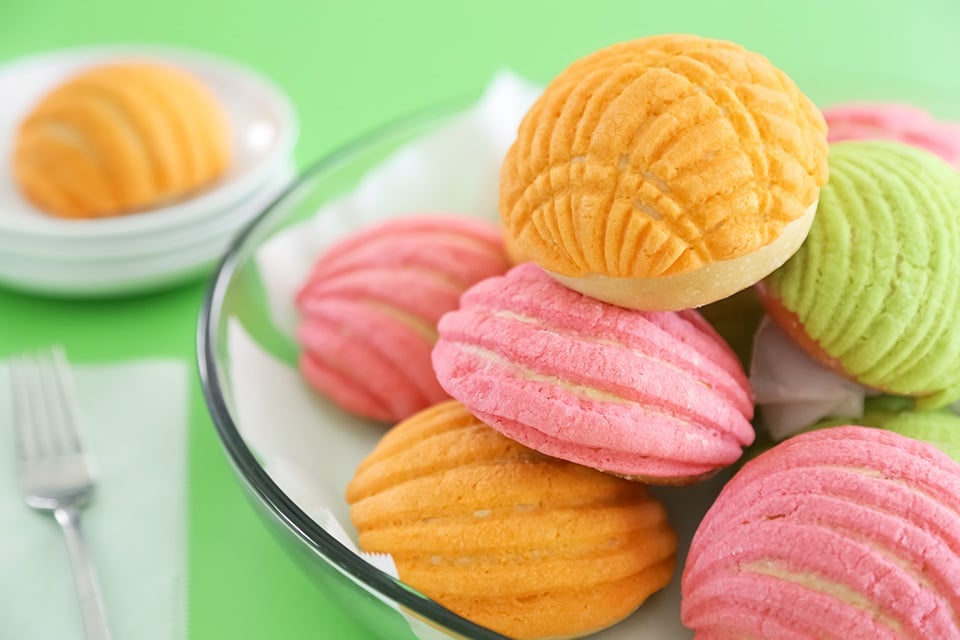
1. Conchas – Sweet shell-shaped bread with a crunchy sugar topping
Conchas are one of Mexico’s most popular sweet breads. You’ll recognize them by their distinctive shell pattern scored into the sugar topping.
The bread uses a soft, fluffy dough similar to brioche. The topping combines butter, sugar, and flour to create a crunchy coating that contrasts with the tender interior.
You can find conchas in traditional colors like white and chocolate. They’re named “conchas” because the scored pattern resembles a seashell.
These pastries taste best within two days of baking. Enjoy them with coffee for breakfast or as an afternoon snack.

2. Bolillos – Crisp crusty rolls perfect for sandwiches
Bolillos are traditional Mexican rolls with a thin, crispy crust and soft, fluffy interior. You’ll find these oval-shaped breads in bakeries throughout Mexico and Central America.
These rolls work perfectly for tortas, the popular Mexican pressed sandwiches. You can also use them for molletes or serve them alongside soups and stews.
The basic recipe requires just flour, water, yeast, salt, and sometimes a bit of fat. Most versions don’t need complicated kneading or shaping techniques, making them beginner-friendly.

3. Pan de Muerto – Traditional sweet bread for Day of the Dead
Pan de Muerto is a sweet bread you’ll find in Mexican bakeries during Día de los Muertos celebrations from late October through early November. This soft, fluffy bread features orange zest and anise flavoring that creates its distinct taste.
The bread’s rounded shape represents the cycle of life. You’ll notice bone-shaped pieces of dough arranged on top, which honor deceased loved ones.
You can enjoy this slightly sweet bread with hot chocolate or coffee. The orange-scented dough gets dusted with sugar for a simple finish.

4. Rosca de Reyes – Festive ring-shaped bread with fruit toppings
Rosca de Reyes is a sweet bread that Mexicans enjoy on January 6 to celebrate Three Kings Day. The dough is flavored with orange zest and shaped into a ring that represents a crown.
You’ll top this bread with colorful candied fruits like cherries and figs. The texture is soft and buttery with a light sweetness.
Many families bake this bread with small figurines hidden inside. When you slice it, finding a figurine means you host the next celebration.

5. Telera – Soft sandwich rolls ideal for tortas
Telera rolls are the classic bread for Mexican tortas. These oval-shaped rolls have a soft, pillowy texture inside and a thin, crispy crust on the outside.
You’ll recognize them by their ridged surface and light dusting of flour. They’re slightly smaller than French bread but share a similar appearance.
When you make teleras from scratch, they become more than just a vessel for fillings. The dough develops better flavor when you let it rise overnight.
Use these versatile rolls for traditional tortas filled with meat, cheese, and avocado. They also work well for any sandwich you want to make.

6. Cuernitos – Flaky crescent-shaped bread similar to croissants
Cuernitos are traditional Mexican pastries shaped like little horns. They look similar to croissants with their crescent shape and flaky layers.
These sweet breads are smaller than French croissants, usually measuring 3-4 inches long. You’ll find cuernitos topped with cinnamon sugar or granulated sugar.
The dough is soft and buttery with a light, airy texture. They’re a popular choice at panaderías throughout Mexico.
Cuernitos pair well with morning coffee or as an afternoon snack. The name comes from the Spanish word for “little horns” because of their curved shape.

7. Empanadas de Cajeta – Sweet stuffed pastries with caramel filling
Empanadas de cajeta are sweet Mexican pastries filled with cajeta, a caramel made from goat’s milk. This ingredient gives the filling a unique flavor that differs from regular caramel.
You can make these empanadas using homemade or store-bought pastry dough. The dough bakes until golden and flaky.
After baking, coat the empanadas with cinnamon and sugar for extra sweetness. The result is a handheld dessert with a buttery crust and creamy caramel center.

8. Orejas – Crisp, flaky puff pastry shaped like elephant ears
Orejas are Mexican pastries made with puff pastry rolled in cinnamon sugar. The name means “ears” in Spanish because of their distinctive shape with two spirals meeting in the middle.
You only need three basic ingredients: puff pastry, sugar, and cinnamon. Roll out the dough, coat it with your sugar mixture, and fold it to create the ear-like curves.
Bake until golden and caramelized for a buttery, crispy treat. These pastries pair well with coffee, hot chocolate, or atole.
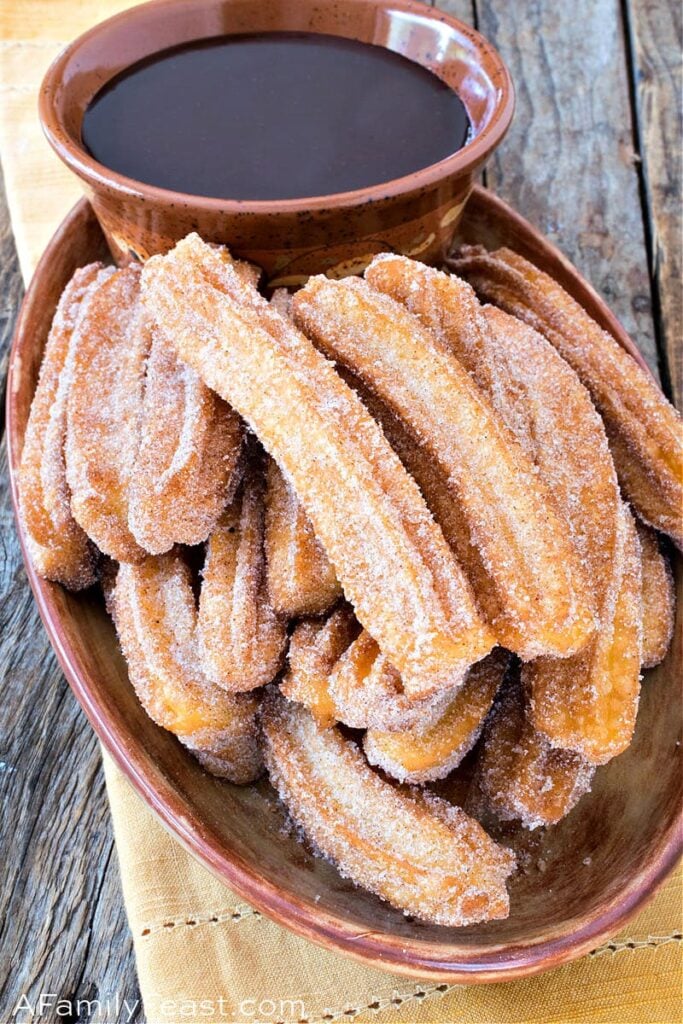
9. Churros – Fried dough sticks coated in cinnamon sugar
Churros are crispy fried dough sticks that make a popular Mexican treat. You pipe the dough through a star-tipped pastry bag, which creates ridges along the outside.
The ridges help the cinnamon sugar coating stick better. When you fry churros, they become crispy on the outside while staying soft inside.
You don’t need yeast to make churros. The dough gets its light texture from eggs and the frying process.
Many people enjoy eating churros for breakfast or as a dessert with chocolate sauce for dipping.

10. Pan de Elote – Moist corn cake bread
Pan de elote sits perfectly between cornbread and cake, offering a unique texture you won’t find in American cornbread. You make it by blending fresh corn kernels with sweetened condensed milk, eggs, butter, and just a small amount of flour.
The result is a moist, custardy bread with a light sweetness and fresh corn flavor throughout. You’ll notice whole corn pieces in every bite, giving it both flavor and texture.
This bread works well as a side dish or dessert. Serve it warm with butter for the best experience.
Essential Ingredients and Baking Tips
Mexican bread relies on specific flours and sweeteners that create authentic textures and flavors. Proper yeast handling ensures the light, airy crumb these breads are known for.
Traditional Flours and Sweeteners
All-purpose flour forms the base of most Mexican breads. It provides the right protein content for soft, tender crumbs in conchas and bolillos.
Some recipes call for bread flour when you need extra structure. Piloncillo is unrefined cane sugar that comes in cone shapes.
It adds a deep, molasses-like sweetness to sweet breads and pan de muerto. You can substitute brown sugar if needed, though the flavor will be slightly different.
White granulated sugar works well in doughs that need a cleaner sweetness. Mexican bakers also use it in toppings like the iconic concha shell pattern.
Many recipes include lard or butter for richness. Lard creates flakier textures and is traditional in many regional breads.
Vegetable shortening works as a substitute if you prefer. Cinnamon and anise seeds appear frequently as flavoring agents.
These spices give Mexican breads their distinctive taste profiles that set them apart from other baking traditions.
Perfecting Yeast-Risen Doughs
Active dry yeast needs warm liquid between 105-110°F to activate properly. Water that’s too hot will kill the yeast, while cold water won’t wake it up.
Let your dough rise in a warm, draft-free spot until it doubles in size. This typically takes 1-2 hours depending on room temperature.
You can create a warm environment by placing the bowl in an oven with just the light on. Knead for 8-10 minutes by hand until the dough feels smooth and elastic.
The dough should spring back when you press it gently. Don’t rush the second rise after shaping.
This final proof lets the dough relax and expand, creating lighter bread with better texture. Most shaped breads need 30-45 minutes before baking.
Cultural Significance of Mexican Breads
Mexican breads carry deep meaning in the country’s culture, serving as symbols in important celebrations. They vary greatly across different regions where families preserve unique baking methods.
Breads and Celebrations
Pan de muerto stands as the most recognizable ceremonial bread in Mexico. Bakers create this sweet, orange-scented bread specifically for Día de los Muertos (Day of the Dead) celebrations in late October and early November.
The round shape represents the circle of life, while the bone-shaped decorations on top honor deceased loved ones. Rosca de reyes appears during the January 6th celebration of Three Kings Day.
This oval-shaped sweet bread contains hidden figurines of baby Jesus. When you find a figurine in your slice, tradition says you must host a party on February 2nd and provide tamales for everyone.
Key Ceremonial Breads:
- Pan de muerto – Day of the Dead (November 1-2)
- Rosca de reyes – Three Kings Day (January 6)
- Semitas – Holy Week celebrations
Regional Baking Traditions
Each Mexican state has developed its own bread specialties based on local ingredients and cultural influences. You’ll find different shapes, flavors, and techniques depending on where you visit.
Oaxaca produces unique breads that blend indigenous and Spanish traditions. The region’s pan de yema uses egg yolks to create a rich yellow color.
Veracruz bakeries specialize in pambazos, which feature a soft white roll later dipped in guajillo sauce. Northern Mexican states like Sonora focus on simpler wheat-based breads such as flour tortillas and semita.
In central Mexico, you’ll discover the widest variety of pan dulce (sweet bread) with over 2,000 different types. Guadalajara claims birote salado as its signature bread, a crunchy roll perfect for tortas ahogadas.
Frequently Asked Questions
Mexican bread recipes often raise questions about ingredients, techniques, and traditions. Understanding these basics helps you bake authentic pan dulce and savory breads at home.
What are the typical ingredients used in traditional Mexican sweet bread?
Traditional Mexican sweet bread uses flour, sugar, eggs, butter, and yeast as the main ingredients. You’ll also need milk to create the soft, tender texture that makes pan dulce special.
Many recipes include vanilla extract for flavor. Some breads use cinnamon, anise, or orange zest to add unique tastes.
The toppings vary by bread type. Conchas need a sugar paste made from flour, sugar, and shortening.
Other breads use piloncillo (unrefined cane sugar) or regular white sugar.
How do you make authentic Pan de Muerto?
Pan de Muerto starts with a sweet dough made from flour, sugar, eggs, butter, milk, and yeast. You flavor the dough with orange zest and anise seeds for the traditional taste.
After the first rise, shape the dough into round balls. Create bone-shaped pieces from small portions of dough and arrange them on top in a cross pattern.
Let the shaped bread rise again until puffy. Bake at 350°F until golden brown.
Brush the warm bread with melted butter and coat it generously with white sugar.
What are some popular traditional Mexican breads for breakfast?
Conchas are the most popular Mexican breakfast bread. These sweet rolls have a sugar shell pattern on top and pair perfectly with hot chocolate or coffee.
Bolillos work well for breakfast sandwiches or to dip in coffee. Their crusty outside and soft inside make them versatile.
Orejas are crispy, palm-shaped pastries made with puff pastry and sugar. Pan de huevo is a simple sweet bread similar to brioche that many families enjoy in the morning.
Can you provide a step-by-step Conchas recipe?
Mix 4 cups flour, 1/2 cup sugar, 1 tablespoon yeast, and 1 teaspoon salt in a large bowl. Warm 3/4 cup milk with 1/3 cup butter until the butter melts.
Add the milk mixture and 2 eggs to the dry ingredients. Knead the dough for 8-10 minutes until it becomes smooth and elastic.
Let the dough rise for 1-2 hours until it doubles in size. Mix 1/2 cup sugar, 1/2 cup shortening, 3/4 cup flour, and vanilla to make the topping.
Divide the dough into 12 pieces and shape them into balls. Roll the topping into circles and place one on each ball.
Score the shell pattern with a knife. Let the conchas rise for 30-45 minutes.
Bake at 350°F for 15-18 minutes.
What are the different types of Mexican breads available?
Sweet breads include conchas, pan de muerto, orejas, cuernos, and empanadas filled with fruit or cream. Rosca de Reyes is a festive sweet bread eaten on Three Kings Day.
Savory breads are simpler and used for meals. Bolillos are crusty rolls for sandwiches.
Teleras are soft, flat rolls perfect for tortas. Birote is a sourdough roll from Guadalajara with a crunchy crust.
Cemita is a sesame-topped roll from Puebla. Tortillas, while technically flatbreads, are essential to Mexican cuisine.
How can one identify various Mexican breads with pictures?
Conchas have a distinctive shell pattern scored into the sugar topping. The pattern looks like curved lines radiating from the center.
They come in white or chocolate-flavored toppings. Pan de muerto is round with bone-shaped pieces on top arranged in a cross.
The bread is covered in white sugar. Orejas look like elephant ears or palm leaves with caramelized, flaky layers.
Bolillos are oval-shaped with pointed ends and a split down the middle. Teleras are round and flat with two cuts creating three sections.
Rosca de Reyes is ring-shaped and decorated with candied fruit and sugar.