
Mediterranean cooking brings together fresh ingredients, simple techniques, and bold flavors from countries along the Mediterranean Sea.
This collection of recipes will help you create authentic dishes that are both healthy and satisfying, from light salads to hearty stews and grilled meats.
You’ll find options for every meal that focus on vegetables, lean proteins, whole grains, and olive oil.
These recipes make it easy to enjoy Mediterranean flavors at home.
You’ll learn to prepare classic dishes like falafel, paella, and baba ganoush using straightforward methods.
The recipes also include helpful tips about key ingredients and techniques that will improve your cooking skills.
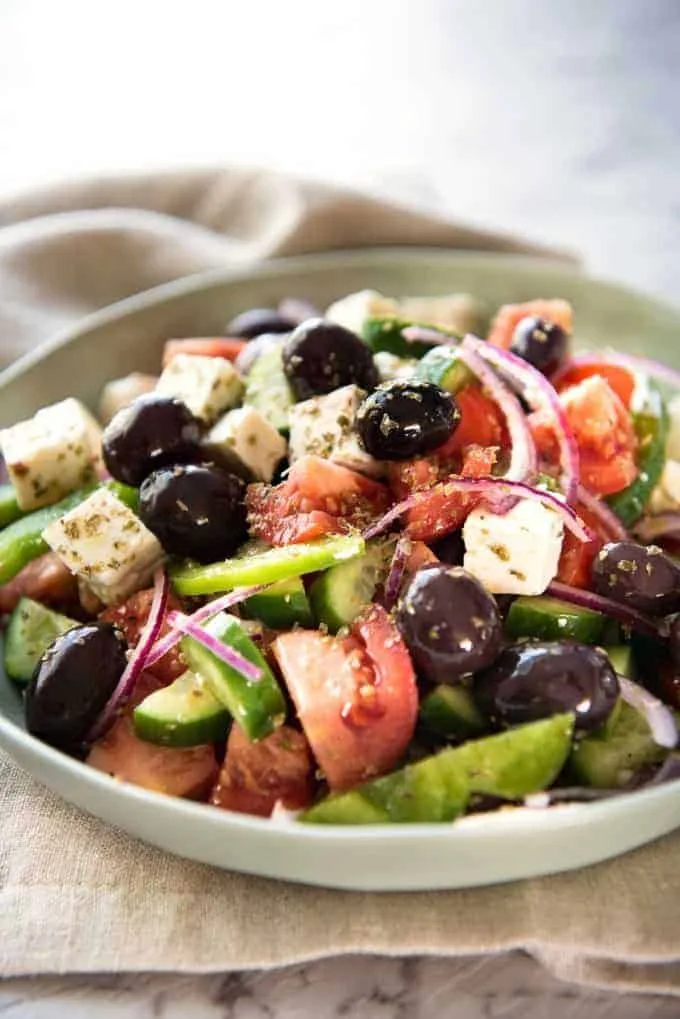
1. Classic Greek Salad with Feta and Kalamata Olives
This traditional salad combines fresh vegetables with bold Mediterranean flavors.
You’ll need ripe tomatoes, crisp cucumbers, red onion, and Kalamata olives as your base ingredients.
The real stars are the creamy feta cheese and briny olives that give this dish its signature taste.
A simple dressing of olive oil and red wine vinegar brings everything together.
You can make this salad in just minutes without any cooking required.
It works well as a side dish or light meal on its own.

2. Lemon Herb Grilled Chicken Souvlaki
You’ll love this Greek dish that brings bright Mediterranean flavors to your table.
The chicken marinates in olive oil, fresh lemon juice, garlic, and herbs before hitting the grill.
The marinade takes about 30 minutes to work its magic.
Your chicken will come out tender and juicy with a light char on the outside.
Serve your souvlaki with warm pita bread and tzatziki sauce.
You can also add fresh vegetables like tomatoes and cucumbers on the side.
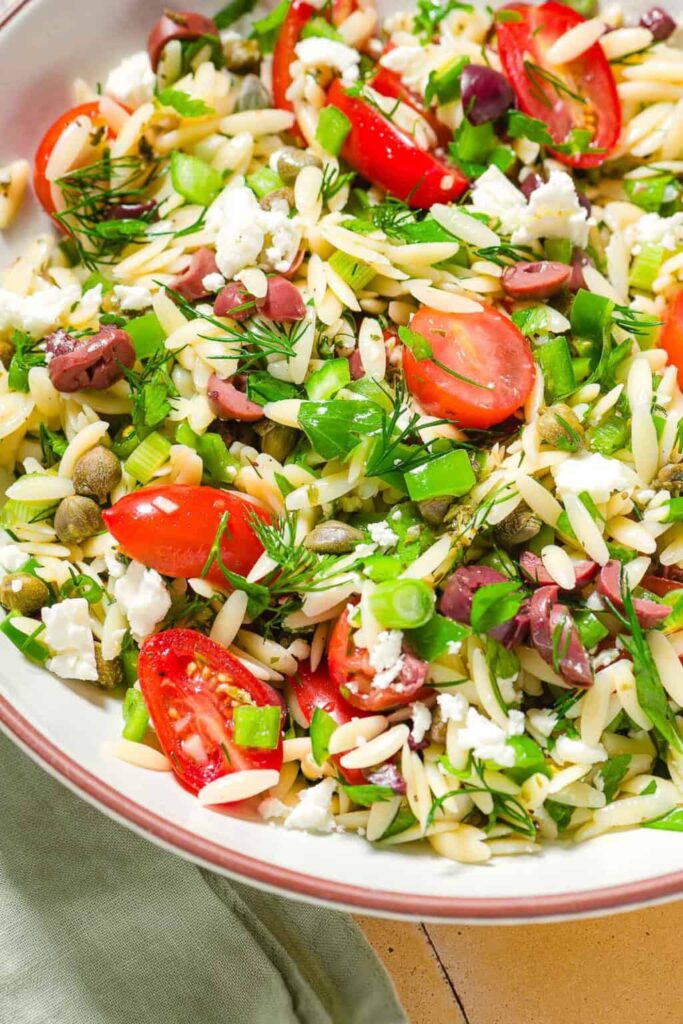
3. Mediterranean Orzo Pasta Salad
This pasta salad brings together orzo, fresh vegetables, and tangy feta cheese in one bowl.
You’ll toss the small rice-shaped pasta with cucumbers, tomatoes, and olives for a mix of textures.
The dressing is simple.
Mix lemon juice with olive oil and fresh herbs.
This light coating keeps the salad fresh without weighing it down.
You can make it ahead for meal prep or serve it at your next gathering.
The flavors blend together as it sits in the fridge.

4. Chickpea and Spinach Stew
This stew brings together chickpeas and spinach in a tomato-based broth.
You can make it in one pot in about 30 minutes.
The dish uses common spices like cumin, coriander, and garlic.
These create a warm flavor that works well with the mild chickpeas and fresh spinach.
You’ll get protein from the chickpeas and nutrients from the spinach.
The stew works for weeknight dinners or meal prep.
It’s filling enough to serve on its own or with bread on the side.
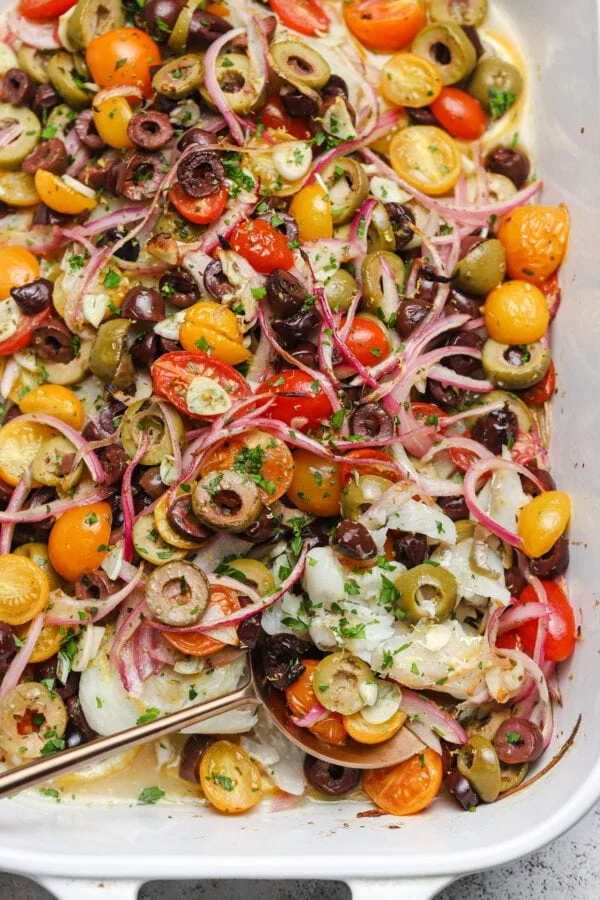
5. Baked Cod with Tomatoes and Olives
This dish brings Mediterranean flavors to your table in under 30 minutes.
You’ll bake mild cod fillets with cherry tomatoes, kalamata olives, garlic, and olive oil.
The recipe works well with any firm white fish.
You can use fresh or canned tomatoes depending on what you have available.
Season with oregano, basil, or Italian herbs.
Add capers or red onion if you want extra flavor.
The dish is naturally gluten-free and dairy-free, making it suitable for many diets.
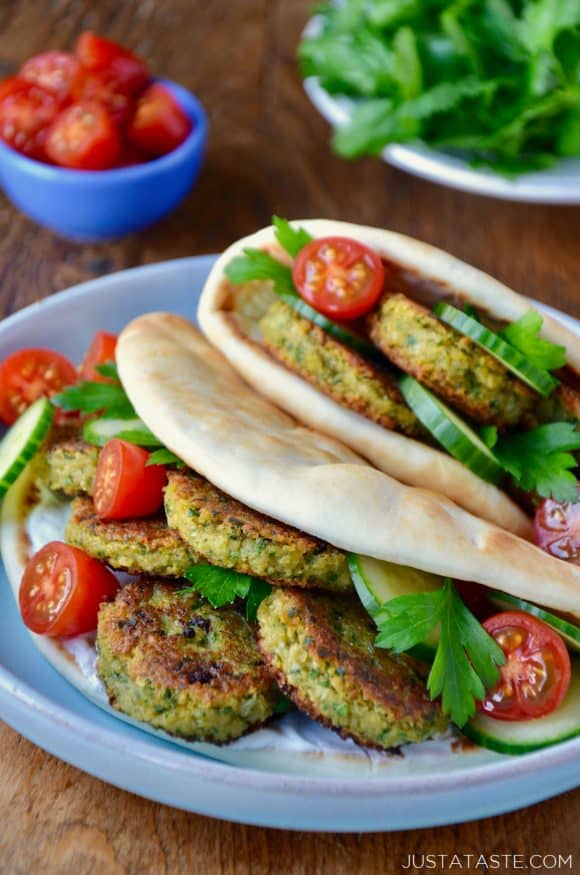
6. Falafel with Tahini Sauce
Falafel delivers crispy texture on the outside and tender, herby flavor inside.
You can make these chickpea fritters by baking or frying them, depending on your preference.
The key to good falafel is using dried chickpeas that you soak overnight.
Canned chickpeas make the mixture too wet and won’t hold together properly.
Serve your falafel in pita bread or over rice with a drizzle of tahini sauce.
The creamy, tangy sauce balances the spiced chickpea patties perfectly.
Add fresh vegetables like tomatoes and cucumbers for a complete meal.

7. Roasted Eggplant and Red Pepper Dip (Baba Ganoush)
Baba ganoush is a creamy Middle Eastern dip made from roasted eggplant, tahini, lemon juice, and garlic.
The roasted red pepper adds extra flavor and color to this classic recipe.
You can serve it with pita bread, crackers, or fresh vegetables.
The smoky taste comes from roasting the eggplant until it’s soft.
This dip works well as a snack or appetizer.
You’ll find it pairs nicely with other Mediterranean dishes like hummus and falafel on a mezze platter.

8. Seafood Paella with Saffron
Seafood paella brings the flavors of Spain to your kitchen.
This one-pan dish combines rice with shrimp, mussels, and other seafood.
Saffron gives the rice its signature golden color and distinct taste.
You’ll also need paprika, garlic, and a good seafood or chicken stock.
Use a wide, shallow pan so the rice cooks evenly.
Fresh seafood works best, but you can use frozen if it’s fully thawed and dried.
This recipe feeds a crowd and takes about an hour to make.

9. Tabbouleh Salad with Fresh Parsley and Mint
Tabbouleh is a light Mediterranean salad that puts fresh herbs front and center.
You’ll chop plenty of parsley and mint, then mix them with bulgur wheat, tomatoes, and green onions.
The dressing is simple.
You combine lemon juice and olive oil to create a bright flavor that ties everything together.
This salad works well as a side dish with grilled meats or as part of a larger Mediterranean spread.
The bulgur wheat adds fiber while the fresh herbs provide flavor and nutrients.

10. Stuffed Grape Leaves (Dolmades)
Stuffed grape leaves, known as dolmades or dolmas, are a classic Mediterranean dish you’ll find across Greek and Middle Eastern tables.
These small rolls feature tender grape leaves wrapped around a savory filling.
The traditional filling combines rice, herbs, and often ground meat like lamb or beef.
You can also make vegetarian versions with just rice and fresh herbs.
Rolling dolmades takes practice, but the technique becomes easier once you get started.
You can serve them warm or at room temperature as part of a mezze platter with hummus and pita bread.
Key Ingredients in Mediterranean Cooking
Mediterranean cooking relies on a handful of basic ingredients that appear in dishes across the region.
Olive oil, fresh herbs, and plant-based staples like grains and legumes form the foundation of this cuisine.
Olive Oil and Healthy Fats
Extra virgin olive oil is the most important fat in Mediterranean cooking.
You’ll use it for everything from sautéing vegetables to drizzling over finished dishes.
It provides a fruity, slightly peppery flavor that defines the taste of the region.
The Mediterranean diet focuses on unsaturated fats rather than saturated ones.
Olive oil contains monounsaturated fats that support heart health.
You can also find healthy fats in nuts, seeds, and fatty fish like salmon and sardines.
When you shop for olive oil, look for extra virgin varieties in dark bottles.
This type is the least processed and retains the most flavor and nutrients.
Store it in a cool, dark place to keep it fresh.
Fresh Herbs and Spices
Fresh herbs bring bright, bold flavors to Mediterranean dishes.
Basil, oregano, rosemary, thyme, and parsley are the most common herbs you’ll encounter.
Each region has its preferences, but these five appear throughout Mediterranean cooking.
You can use these herbs fresh or dried, though fresh versions offer more vibrant flavor.
Add delicate herbs like basil and parsley at the end of cooking.
Hardier herbs like rosemary and thyme can withstand longer cooking times.
Garlic appears in nearly every savory Mediterranean dish.
It adds depth and aroma to sauces, marinades, and roasted vegetables.
Other common seasonings include lemon zest, red pepper flakes, and sea salt.
Whole Grains and Legumes
Whole grains and legumes provide protein, fiber, and complex carbohydrates in Mediterranean meals.
Chickpeas, lentils, white beans, and fava beans are kitchen staples.
You’ll find them in soups, stews, salads, and dips like hummus.
Popular grains include bulgur, farro, couscous, and rice.
These grains serve as bases for grain bowls, side dishes, and stuffings.
They pair well with vegetables, herbs, and olive oil for simple, satisfying meals.
Legumes and grains are affordable and shelf-stable.
Keep a variety in your pantry so you always have the foundation for a Mediterranean meal.
Both cook relatively quickly and absorb the flavors of whatever seasonings you add.
Tips for Cooking Authentic Mediterranean Dishes
Mediterranean cooking relies on balancing simple ingredients and choosing what’s in season to create dishes with depth and freshness.
Balancing Flavors and Textures
Mediterranean dishes succeed by combining different taste elements in each meal.
You need acid from lemon juice or vinegar to brighten rich ingredients like olive oil and cheese.
Salt enhances natural flavors, while fresh herbs like oregano, basil, and parsley add aromatic notes.
Pay attention to texture contrasts in your dishes.
Crispy vegetables pair well with creamy dips like hummus or tzatziki.
Tender grilled meats benefit from crunchy salads on the side.
Key flavor balancers:
- Acids: Lemon juice, red wine vinegar, tomatoes
- Fats: Extra virgin olive oil, tahini, cheese
- Aromatics: Garlic, onions, fresh herbs
- Seasoning: Sea salt, black pepper, spices
Don’t overload dishes with too many competing flavors.
Mediterranean cooking uses restraint to let quality ingredients shine through.
Choosing Seasonal Produce
Your vegetables and fruits should match what grows naturally during each season.
Summer calls for tomatoes, eggplant, zucchini, and peppers.
Winter works better with hearty greens, citrus, and root vegetables.
Visit farmers markets to find produce at peak ripeness.
Seasonal ingredients cost less and taste better than out-of-season options shipped from far away.
Store tomatoes at room temperature, not in the refrigerator.
Keep fresh herbs in water like cut flowers to extend their life.
Buy smaller amounts of produce more frequently rather than stocking up, since freshness matters more than convenience in Mediterranean cooking.
Frequently Asked Questions
Mediterranean cooking offers simple weeknight meals like lemon herb chicken and orzo salads.
Traditional dishes such as Greek salad and chickpea stew provide healthy options that support weight loss goals.
What are some classic Mediterranean dishes suitable for a weeknight dinner?
Lemon Herb Grilled Chicken Souvlaki takes about 30 minutes to prepare and works well for busy evenings.
You can pair it with a quick side of rice or roasted vegetables.
Chickpea and Spinach Stew is another solid weeknight choice.
It requires minimal prep work and uses pantry staples you probably already have.
Baked Cod with Tomatoes and Olives comes together in one pan.
The fish cooks quickly, and cleanup is easy since everything bakes together.
Can you recommend some easy Mediterranean recipes for beginners?
Classic Greek Salad with Feta and Kalamata Olives requires no cooking at all.
You simply chop fresh vegetables, add cheese and olives, then dress with olive oil and lemon juice.
Mediterranean Orzo Pasta Salad is straightforward to make.
You cook the pasta, mix in vegetables and feta, then toss everything with a simple vinaigrette.
Chickpea and Spinach Stew is beginner-friendly because it uses one pot.
You combine canned chickpeas, fresh spinach, tomatoes, and spices, then let everything simmer together.
Which Mediterranean dishes are known for being particularly healthy and conducive to weight loss?
Greek Salad provides a low-calorie meal packed with vegetables and healthy fats from olive oil.
The feta cheese adds protein without excessive calories.
Baked Cod with Tomatoes and Olives delivers lean protein and omega-3 fatty acids.
The dish stays light since the fish bakes instead of frying.
Chickpea and Spinach Stew offers plant-based protein and fiber that helps you feel full longer.
The combination of legumes and greens keeps the calorie count reasonable while providing essential nutrients.
What are the most popular Mediterranean side dishes to complement my meal?
Mediterranean Orzo Pasta Salad serves well alongside grilled meats or fish. The cold pasta salad balances hot main dishes and adds variety to your plate.
Classic Greek Salad pairs with nearly any Mediterranean main course. Its fresh vegetables and tangy dressing cut through rich flavors from meat or fish dishes.
Roast vegetables with olive oil and herbs for a versatile side. Use zucchini, eggplant, bell peppers, or tomatoes depending on what you have available.
Could you provide a list of traditional Mediterranean recipes that are both authentic and delicious?
Classic Greek Salad with Feta and Kalamata Olives represents authentic Greek cuisine. This dish uses traditional ingredients like cucumbers, tomatoes, red onions, and oregano.
Lemon Herb Grilled Chicken Souvlaki comes from Greek street food traditions. The marinade combines lemon juice, olive oil, garlic, and Mediterranean herbs like oregano.
Baked Cod with Tomatoes and Olives reflects coastal Mediterranean cooking methods. This dish uses fresh fish, ripe tomatoes, and briny olives that are staples in the region.
What is a foolproof Mediterranean chicken recipe that is both flavorful and simple to prepare?
Lemon Herb Grilled Chicken Souvlaki delivers reliable results every time.
You marinate chicken pieces in lemon juice, olive oil, garlic, and dried oregano for at least 30 minutes.
The marinade tenderizes the meat and builds flavor throughout the chicken.
Grill the pieces on skewers or cook them in a grill pan on your stovetop.
Keep the chicken moist by avoiding overcooking.
Use a meat thermometer to check that the internal temperature reaches 165 degrees Fahrenheit.