
Mediterranean cooking brings together fresh ingredients, simple techniques, and bold flavors from countries surrounding the Mediterranean Sea. These recipes focus on vegetables, olive oil, seafood, whole grains, and lean proteins that make meals both satisfying and nutritious.
You can create authentic Mediterranean dishes at home with straightforward recipes that range from crispy falafel and grilled kebabs to hearty stews and sweet baklava. Whether you want a quick weeknight dinner or a dish to share with guests, these recipes give you options for appetizers, main courses, and desserts.
You will also learn about the key ingredients that make these dishes taste authentic and get practical tips for cooking them in your own kitchen.
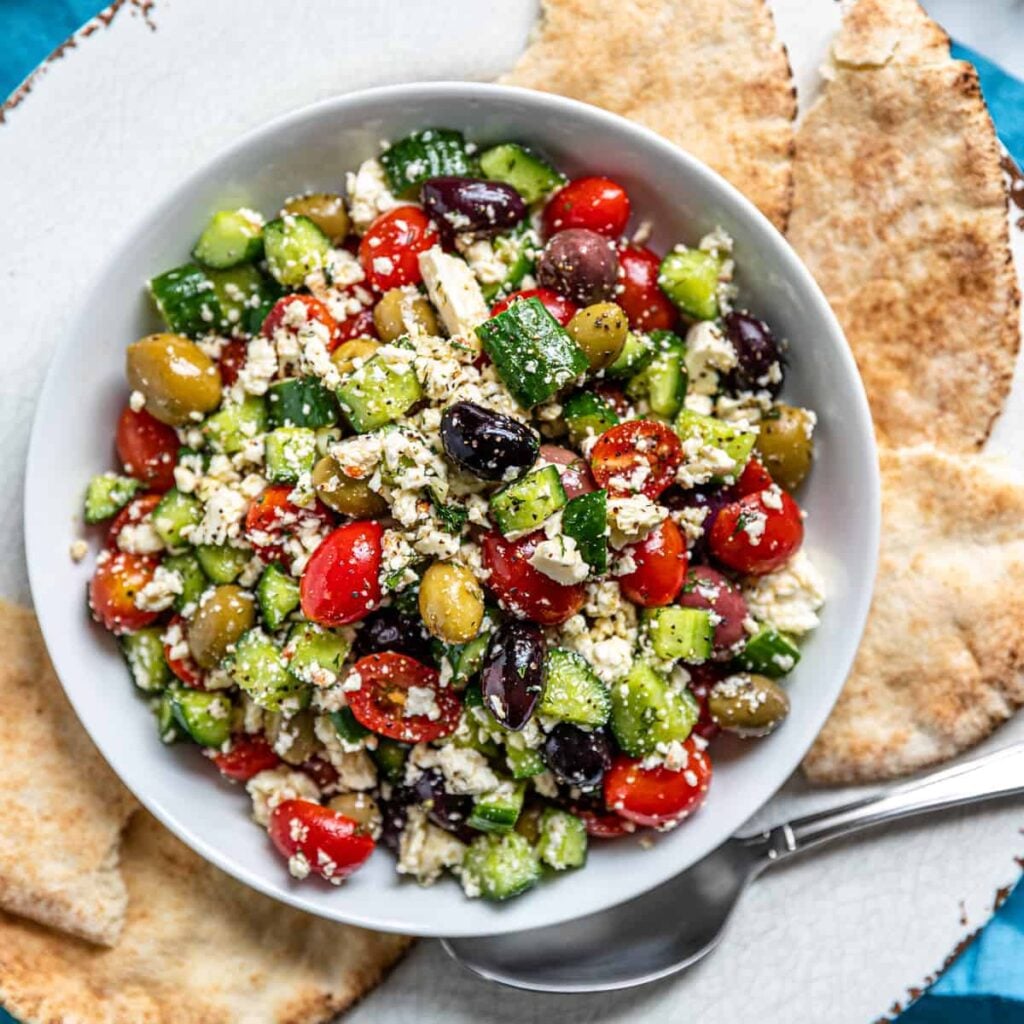
1. Classic Greek Salad with Feta and Olives
This traditional Greek salad brings together fresh vegetables with bold Mediterranean flavors. You’ll combine ripe tomatoes, crisp cucumbers, and red onions with briny Kalamata olives and creamy feta cheese.
The dressing is simple. You drizzle olive oil and red wine vinegar over the vegetables, then sprinkle dried oregano on top.
This salad works well as a side dish or light main course. You can prepare it in about 20 minutes, making it perfect for busy weeknights or summer gatherings.

2. Spicy Harissa Roasted Chickpeas
Harissa roasted chickpeas offer a simple way to bring bold Mediterranean flavors to your kitchen. You just need chickpeas, harissa paste, and basic spices.
Toss drained chickpeas with harissa, olive oil, and your choice of seasonings like garlic or smoked paprika. Roast them until they turn crispy and golden.
These chickpeas work well as a snack or salad topping. You can adjust the heat level by using more or less harissa paste based on your preferences.

3. Lamb Kofta Kebabs with Tzatziki
Lamb kofta kebabs bring bold Mediterranean flavors to your table with minimal effort. You’ll mix ground lamb with spices like cumin, paprika, and oregano, then shape the meat around skewers.
The kebabs cook quickly on a grill, in a pan, or in your oven. They stay juicy and develop a nice outer char that adds flavor.
Tzatziki sauce makes the perfect partner for these kebabs. You’ll combine yogurt with cucumber, garlic, and fresh mint for a cool, tangy contrast to the warm spiced meat.

4. Orzo Pasta Salad with Lemon and Herbs
This orzo salad brings together simple ingredients that taste great together. You’ll cook the orzo pasta until tender, then toss it with olive oil and fresh lemon juice.
Add diced cucumber, cherry tomatoes, and fresh herbs like parsley, dill, and basil. The lemon dressing keeps everything light and fresh.
You can include feta cheese and olives for extra flavor. This dish works as a side or a light main course.
It keeps well in the fridge and tastes good at room temperature.

5. Mediterranean Baked Cod with Tomatoes
This dish combines flaky cod with tomatoes, olives, and garlic for a quick weeknight dinner. You can prepare it in about 30 minutes with just one pan.
The cod bakes until tender while the tomatoes create a tangy sauce. Fresh herbs and olive oil add classic Mediterranean flavor.
You’ll get a protein-rich meal that’s naturally gluten-free and dairy-free. Serve it with roasted vegetables or a simple side salad for a complete dinner.

6. Falafel with Tahini Sauce
Falafel brings crispy texture and fresh herbs to your table with minimal effort. You’ll get the best results using dried chickpeas soaked overnight rather than canned ones.
The mixture combines chickpeas, parsley, garlic, and spices. You can bake them for a lighter version or fry them for traditional crispiness.
The tahini sauce balances each bite with its creamy, tangy flavor. You can make it several days ahead and store it in your refrigerator.
Serve your falafel in warm pita bread, over salads, or in grain bowls with fresh vegetables.
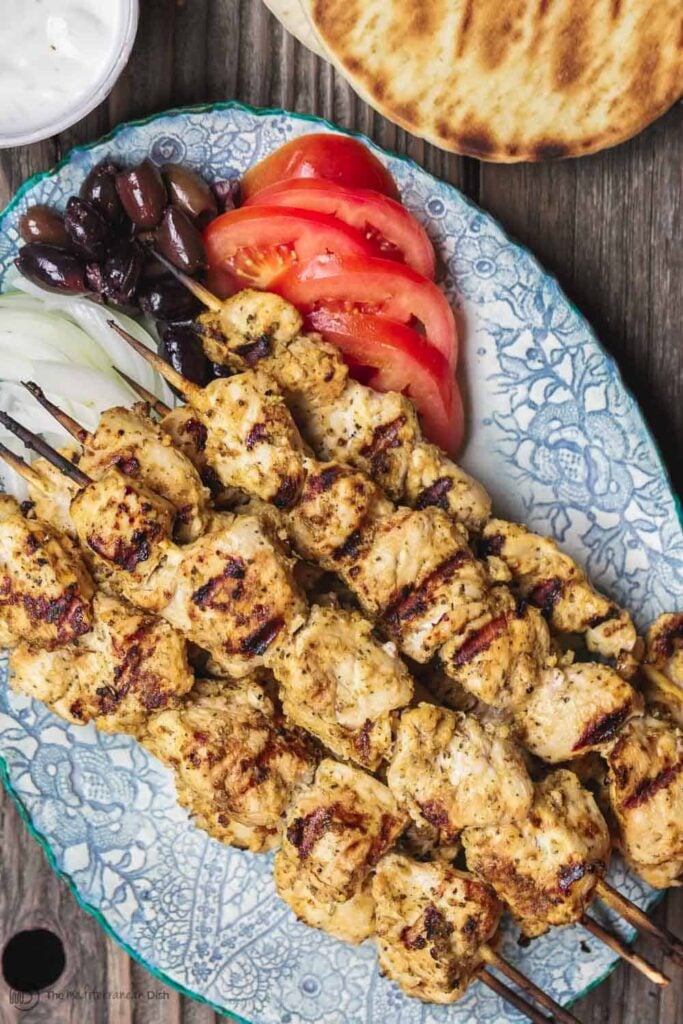
7. Chicken Souvlaki Skewers
Chicken souvlaki brings Greek street food to your table with tender marinated chicken on skewers. You’ll marinate chicken chunks in lemon juice, garlic, and herbs before grilling them to perfection.
The marinade is what makes this dish special. It uses simple ingredients that create bold Mediterranean flavors without covering up the taste of the chicken.
You can grill these skewers outdoors or cook them indoors in a hot pan. Serve them with tzatziki sauce and fresh vegetables for an authentic Greek meal.

8. Baklava with Pistachios and Honey
Baklava brings together flaky phyllo dough, chopped pistachios, butter, and sweet honey syrup. You layer the thin pastry sheets with the nut mixture, then bake until golden and crisp.
The honey syrup soaks into the layers after baking, creating a sticky-sweet finish. This Mediterranean dessert works well for special occasions or when you want to make something ahead of time.
The combination of crunchy pistachios and honey creates a rich flavor that makes this version stand out among other baklava recipes.

9. Mediterranean Chickpea Stew
This one-pot dish brings together chickpeas, tomatoes, and fresh vegetables in a simple recipe you can make any night of the week. You’ll simmer chickpeas with ingredients like spinach, kale, or eggplant in a tomato-based broth.
The stew gets its flavor from herbs like oregano and dill, plus spices such as cumin and turmeric. You can customize it with olives, potatoes, or carrots based on what you have available.
Serve it with a dollop of Greek yogurt or a drizzle of olive oil for extra richness.

10. Grilled Eggplant with Garlic Yogurt
Grilled eggplant transforms into a smoky, tender dish when you cook it over high heat. The natural flavors of the eggplant shine through with just a light coating of olive oil and salt.
The garlic yogurt sauce adds a cool, creamy contrast to the warm eggplant. You can make it by mixing plain yogurt with minced garlic, lemon juice, and fresh herbs like dill or mint.
This dish works well as a side or appetizer. Serve it at room temperature with pita bread for a simple Mediterranean meal.
Key Ingredients in Mediterranean Cooking
Mediterranean cooking relies on a few essential ingredients that appear across countless dishes. These staples include heart-healthy fats, aromatic seasonings, and nutritious plant-based foods that form the foundation of this style of cooking.
Olive Oil and Healthy Fats
Olive oil is the most important fat in Mediterranean cooking. You’ll use it for everything from sautéing vegetables to drizzling over finished dishes.
Extra virgin olive oil offers the best flavor and health benefits. It has a fruity taste with a slight peppery finish.
You can use it in salad dressings, marinades, and as a finishing oil. Mediterranean cuisine also includes other healthy fats.
Nuts like almonds, walnuts, and pine nuts add crunch and nutrition to your meals. Seeds such as sesame provide both texture and flavor.
Fatty fish like salmon, sardines, and mackerel give you omega-3 fatty acids. These fish appear regularly in Mediterranean meals.
Avocados, while not traditional, fit well into this eating style because they provide healthy monounsaturated fats.
Fresh Herbs and Spices
Fresh herbs bring bright flavors to Mediterranean dishes. Basil, parsley, oregano, and mint are the most common choices.
You’ll find these herbs in sauces, salads, and main dishes.
Key Mediterranean herbs:
- Basil for Italian dishes
- Oregano for Greek cooking
- Parsley for garnishes and tabbouleh
- Rosemary for roasted meats
- Thyme for stews and soups
Garlic appears in nearly every savory dish. It adds depth and aroma when you cook it in olive oil.
Lemon juice and zest provide acidity that brightens flavors. Spices like cumin, coriander, and paprika add warmth without heat.
You’ll use these more in North African Mediterranean cooking. Black pepper and red pepper flakes give dishes a gentle kick.
Whole Grains and Legumes
Whole grains form the base of many Mediterranean meals. You’ll eat bulgur in tabbouleh, couscous in North African dishes, and farro in Italian soups.
Brown rice and whole wheat bread provide filling carbohydrates. Legumes are a primary protein source in Mediterranean cooking.
Chickpeas, lentils, and white beans appear in soups, stews, and salads. You can mash chickpeas into hummus or add them to pasta dishes.
These plant-based foods give you fiber, protein, and important minerals. They’re affordable and easy to store in your pantry.
You can buy them dried or canned for convenience.
Common Mediterranean legumes:
- Chickpeas (garbanzo beans)
- Lentils (green, red, or brown)
- Cannellini beans
- Fava beans
Tips for Cooking Authentic Mediterranean Dishes
Mediterranean cooking relies on fresh ingredients, simple preparation methods, and a careful balance of herbs and spices. Success comes from understanding how to layer flavors, choose the best produce, and apply time-tested cooking techniques.
Balancing Flavors and Seasonings
Mediterranean dishes build flavor through a foundation of olive oil, garlic, and fresh herbs rather than heavy sauces or excessive salt. You should taste as you cook and adjust seasonings gradually.
Essential seasonings include oregano, basil, thyme, rosemary, and parsley. These herbs work best when added at different stages of cooking.
Add hardy herbs like rosemary and thyme early in the cooking process. Save delicate herbs like basil and parsley for the end to preserve their bright flavors.
Lemon juice adds brightness to finished dishes. A squeeze of fresh lemon over grilled fish, roasted vegetables, or bean salads brings the flavors together.
You can also use lemon zest to add depth without extra acidity. Salt should enhance rather than overpower.
Sea salt or kosher salt gives you better control than table salt. Taste your food before serving and add small amounts of salt if needed.
Selecting Quality Produce
Fresh, seasonal vegetables and fruits form the backbone of Mediterranean cooking. You should shop for produce at its peak ripeness when possible.
Look for tomatoes that smell fragrant and feel heavy for their size. Eggplants should have smooth, shiny skin without soft spots.
Peppers should be firm with no wrinkles.
Quality indicators for common ingredients:
- Olive oil: Choose extra virgin, cold-pressed varieties with a harvest date on the bottle
- Olives: Buy whole olives with pits for better flavor and texture
- Fresh herbs: Select bunches with vibrant color and no wilting
- Citrus: Pick fruits that feel heavy, indicating juiciness
Buy locally grown produce when available. Local vegetables often have more flavor because they travel shorter distances from farm to table.
Incorporating Traditional Cooking Methods
Mediterranean cooks use simple techniques that let ingredients shine. Grilling, roasting, and slow-simmering are the most common methods.
Grilling over charcoal or wood adds smoky depth to vegetables, fish, and meat. You can achieve similar results using a grill pan on your stovetop.
Brush items lightly with olive oil before grilling to prevent sticking. Slow-cooking builds complex flavors in stews and braised dishes.
These meals often taste better the next day after flavors have had time to blend. Cook on low heat for extended periods rather than rushing the process.
Roasting vegetables at high heat caramelizes their natural sugars. Spread vegetables in a single layer on your baking sheet.
Overcrowding creates steam instead of the crispy, golden exterior you want. Raw preparations also matter.
Fresh salads, cold mezze platters, and uncooked vegetable dishes preserve nutrients and bright flavors.
Frequently Asked Questions
Mediterranean cooking brings together fresh ingredients, simple preparations, and bold flavors from countries like Greece, Italy, and Spain. These answers will help you navigate traditional recipes, beginner-friendly options, and healthy meal choices.
What are some traditional Mediterranean dinner recipes?
Traditional Mediterranean dinners focus on fresh vegetables, lean proteins, and healthy fats. Lamb Kofta Kebabs with Tzatziki represent a classic Middle Eastern dish that combines seasoned ground lamb with cooling yogurt sauce.
Mediterranean Baked Cod with Tomatoes showcases the coastal tradition of pairing fresh fish with ripe tomatoes and olive oil. Greek moussaka layers eggplant with spiced meat and béchamel sauce for a hearty casserole.
Spanish paella combines saffron-infused rice with seafood or chicken and vegetables. Italian pasta dishes with fresh tomatoes, garlic, and basil also count as traditional Mediterranean fare.
Can you suggest five simple Mediterranean dishes for a beginner?
Classic Greek Salad with Feta and Olives requires no cooking and comes together in minutes with fresh cucumbers, tomatoes, and quality olive oil. Orzo Pasta Salad with Lemon and Herbs needs just boiled pasta mixed with fresh ingredients and a simple dressing.
Spicy Harissa Roasted Chickpeas involve tossing canned chickpeas with spices and roasting them until crispy. Mediterranean Baked Cod with Tomatoes requires placing fish in a baking dish with tomatoes and letting the oven do the work.
A simple hummus made from blended chickpeas, tahini, lemon juice, and garlic takes less than 10 minutes to prepare.
Which Mediterranean dishes are considered the most popular?
Greek salad ranks among the most recognized Mediterranean dishes worldwide. The combination of crisp vegetables, tangy feta cheese, and briny olives appeals to many palates.
Hummus has become a staple appetizer and snack in many countries beyond the Mediterranean region. Falafel, crispy chickpea fritters often served in pita bread, maintains widespread popularity.
Tzatziki sauce appears on tables throughout Greece and Turkey as a cooling accompaniment to grilled meats. Baklava, the sweet pastry layered with nuts and honey, stands out as the most famous Mediterranean dessert.
What are some Mediterranean recipes that may aid in weight loss?
Mediterranean Baked Cod with Tomatoes provides lean protein with minimal calories and healthy omega-3 fatty acids. Classic Greek Salad with Feta and Olives delivers nutrients and fiber while keeping calories in check.
Spicy Harissa Roasted Chickpeas offer plant-based protein and fiber that supports weight management. Grilled vegetable dishes with minimal oil provide volume and nutrients without excess calories.
Lentil soups and stews fill you up with protein and fiber while remaining low in fat.
Could you provide a list of Mediterranean side dishes?
Orzo Pasta Salad with Lemon and Herbs works well alongside grilled meats or fish. Roasted vegetables like eggplant, zucchini, and bell peppers seasoned with olive oil and herbs complement most Mediterranean main courses.
Classic Greek Salad with Feta and Olives pairs with nearly any protein. White beans cooked with tomatoes and garlic make a hearty side dish.
Tabbouleh salad combines bulgur wheat with fresh parsley, mint, tomatoes, and lemon juice. Spanakopita, a Greek spinach and feta pie wrapped in flaky phyllo dough, serves well as a side or appetizer.
How do I make an authentic Mediterranean chicken dish?
Start with quality chicken pieces and marinate them in olive oil, lemon juice, garlic, and oregano for at least one hour. Grill the chicken over high heat for a charred exterior and juicy interior.
You can also bake the chicken at 400°F until it reaches 165°F internally. Greek chicken souvlaki threads marinated chicken onto skewers with vegetables before grilling.
Chicken tagine cooks slowly with olives, preserved lemons, and Moroccan spices for deep flavor. Serve your chicken with tzatziki sauce, fresh lemon wedges, and a simple salad for an authentic Mediterranean meal.