
Pork belly is a cut of meat from the pig’s belly area that offers a rich balance of fat and meat. When cooked properly, it can become crispy on the outside and tender on the inside.
This cut works well with many cooking methods and fits into recipes from different cuisines around the world. You can prepare pork belly through roasting, grilling, braising, or air frying to create dishes ranging from simple weeknight meals to special occasion dinners.
The recipes here include options like bao buns, sandwiches, salads, and slow-roasted preparations. You’ll also learn helpful cooking tips and get answers to common questions about working with this versatile ingredient.
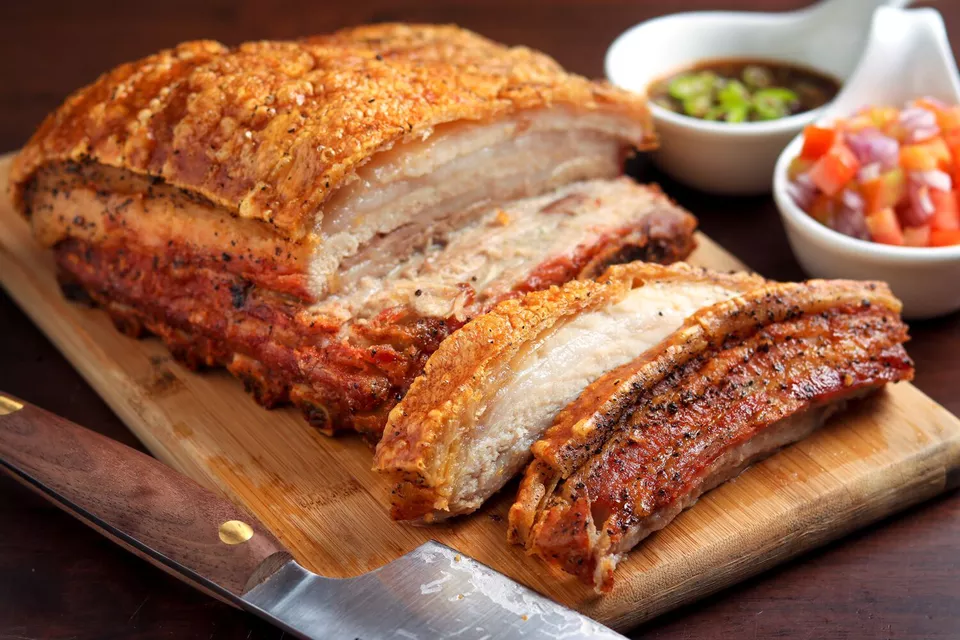
1. Slow-Roasted Crispy Pork Belly
Slow-roasted crispy pork belly gives you tender meat and crunchy skin in one dish. You cook it low and slow to make the fat render properly, which keeps the meat juicy.
The final blast of high heat creates the crispy crackling on top. Choose pork belly with the skin on and even layers of fat and meat for best results.
Season it simply and let the oven do most of the work. The result is fork-tender pork with golden, crispy skin that crunches when you slice it.

2. Air Fryer Pork Belly Bites
Air fryer pork belly bites cook in about 20 minutes and need no deep frying. Cut the pork belly into small pieces and season them with salt and spices.
The air fryer makes the outside crispy while keeping the inside tender. These bites work well as appetizers or snacks.
Serve them with dipping sauces or add them to rice bowls for dinner. The pork belly gets golden brown edges without using much oil.

3. Crispy Pork Belly with Crackling
This dish delivers perfectly crispy skin over tender, juicy meat. Slow roast the pork belly at a low temperature to render the fat and soften the meat.
Score the skin and use high heat at the end to create that signature crackle. Use basic seasonings like salt and oil.

4. Braised Pork Belly Adobo
Pork belly adobo is a Filipino dish that combines tender meat with a bold sauce. Braise the pork in a mixture of soy sauce, vinegar, garlic, and spices until it becomes melt-in-your-mouth soft.
The long cooking time breaks down the meat and lets the flavors soak in deep. The sauce balances salty and tangy tastes that work well together.
Serve it over rice to soak up the extra sauce.

5. Pork Belly Bao Buns
Pork belly bao buns combine soft steamed bread with tender meat for a satisfying meal. Fill fluffy buns with sliced pork belly, pickled vegetables, and fresh herbs.
Cook the pork until crispy on the outside while keeping it tender inside. Add cucumber, cilantro, and hoisin sauce for extra flavor.
Prepare the pork and steam the buns separately for best results. These buns deliver a mix of textures and tastes.

6. Grilled Pork Belly Skewers
Grilled pork belly skewers bring restaurant-quality flavor to your backyard. Thread chunks of pork belly onto skewers with scallions or vegetables for added texture and taste.
The high heat of the grill creates a crispy exterior while keeping the meat juicy inside. Use a simple marinade of soy sauce, garlic, and honey to enhance the natural richness of the pork belly.
Cook these skewers on an outdoor grill or use a grill pan indoors. They’re ready in minutes once your grill is hot.

7. Pork Belly Sandwich with Pickles
A pork belly sandwich combines crispy meat with crunchy pickles for a balanced meal. Cook the pork belly until the outside gets crispy while keeping the inside tender.
The pickles add a tangy contrast that cuts through the rich, fatty meat. Use any pickles you like—pickled cucumbers or vegetables like carrots or radishes work well.
Serve the pork belly on a soft bun with coleslaw or lettuce for crunch. This sandwich is filling and simple to make at home.

8. Pork Belly Barbecue Ribs
Pork belly ribs combine the rich fat of pork belly with the bones from the rib section. You get thick layers of meat that stay juicy when cooked low and slow.
Start by coating the ribs with your favorite dry rub. Smoke them at a low temperature until the bones pull away easily.
Finish them with barbecue sauce on a hot grill or under the broiler. The result is tender meat with a crispy, caramelized crust.

9. Pork Belly Salad with Asian Dressing
This salad brings together rich pork belly with crisp vegetables and a tangy dressing. You’ll get tender meat balanced by fresh, crunchy ingredients like cabbage, carrots, and cucumbers.
The dressing typically combines lime juice, fish sauce, and a sweetener like palm sugar. Some versions add sesame oil or soy sauce for extra depth.
Roast or air fry your pork belly until the outside gets crispy. Let it rest before slicing, then arrange it over your fresh greens.

10. Pork Belly Sliders with Spicy Mayo
Pork belly sliders make great party food or casual dinners. Cook the pork belly until it gets crispy on the outside while staying tender inside.
The spicy mayo adds kick to balance the rich meat. Mix sriracha or hot sauce into regular mayonnaise to taste.
Serve your sliders on soft brioche buns. Add pickled vegetables or cabbage on top for crunch and tanginess.
Cooking Tips for Perfect Pork Belly
Success with pork belly depends on three key factors: start with quality meat, build layers of flavor through proper seasoning, and master the cooking technique that creates crispy skin with tender meat underneath.
Selecting High-Quality Pork Belly
Look for pork belly with even layers of meat and fat throughout the cut. The meat should be pink and firm, not gray or slimy.
A good ratio is about 50% meat to 50% fat, which ensures the right balance of flavor and texture. Check the skin if it’s still attached.
The skin should be smooth and free of excess hair. Some butchers score the skin for you, but unscored skin gives you more control over the final texture.
Choose pieces that are uniform in thickness for even cooking. Thicker cuts work better for slow roasting, while thinner pieces are good for faster cooking techniques.
Fresh pork belly is better than frozen when possible. If you buy frozen, thaw it slowly in the refrigerator for 24 hours before cooking.
Pat the surface completely dry before you start preparing it.
Balancing Flavor With Marinades and Spices
Salt is your most important ingredient for pork belly. Apply it generously to all sides at least 2 hours before cooking, or up to 24 hours for deeper flavor.
The salt pulls out moisture and helps create crispy skin. Keep marinades simple to let the pork’s natural flavor shine through.
A basic mix of soy sauce, garlic, and ginger works well for Asian-style preparations. For a traditional roast, stick with salt, pepper, and herbs like thyme or rosemary.
Don’t add sugar-based marinades too early. Sugar burns easily during high-heat cooking.
If your recipe calls for sweet elements, add them during the last 30 minutes of cooking. Rub spices under the skin when possible, placing them directly on the meat.
This protects the spices from burning while delivering flavor where it matters most.
Achieving the Ideal Crispy Texture
Dry skin is the foundation of crispy pork belly. Pat the skin with paper towels, then leave it uncovered in the refrigerator for 2-4 hours or overnight.
Use a two-temperature method for best results. Start with low heat (275-300°F) for 2-3 hours to render the fat and cook the meat through.
Then blast it at high heat (425-450°F) for 20-30 minutes to crisp the skin. Score the skin in a crosshatch pattern with shallow cuts about 1 inch apart.
Cut through the skin and fat but not into the meat. This helps the fat render out and creates more crispy surface area.
Avoid covering the pork belly while it cooks. Place the pork belly on a wire rack over a baking sheet so air circulates around it and fat drips away.
Health and Nutrition Guide
Pork belly contains both beneficial nutrients and high levels of fat and calories that require careful consideration. Understanding its nutritional profile and managing portion sizes helps you enjoy this cut while maintaining a balanced diet.
Nutritional Benefits and Considerations
Pork belly provides several important nutrients your body needs. It contains high-quality protein, B vitamins (especially B12 and niacin), selenium, and zinc.
These nutrients support muscle maintenance, energy production, and immune function. The main concern with pork belly is its high fat content.
A 3-ounce serving contains approximately 585 calories and 60 grams of fat. About half of this fat is saturated fat, which you should limit in your diet.
However, pork belly also contains monounsaturated fats, which are heart-healthy when consumed in moderation. The sodium content varies greatly depending on preparation.
Cured or brined pork belly contains much more sodium than fresh cuts. If you watch your sodium intake, choose fresh pork belly and limit added salt during cooking.
Serving Sizes and Portion Control
A reasonable serving of pork belly is 2-3 ounces of cooked meat. This is roughly the size of a deck of cards or about half the size of your palm.
Smaller portions work well when pork belly is part of a dish with vegetables and grains. Balance your meal by filling half your plate with vegetables, one quarter with pork belly, and one quarter with whole grains or other complex carbohydrates.
This approach helps you enjoy the rich flavor without overconsumption. You can reduce the fat content by trimming excess fat before cooking or choosing cooking methods that allow fat to drip away.
Grilling, roasting on a rack, or braising lets some of the fat render out during cooking.
Frequently Asked Questions
How can I achieve a crispy skin when cooking pork belly in the oven?
Pat the pork belly skin completely dry with paper towels. Score the skin lightly with a sharp knife, making shallow cuts in a crosshatch pattern without cutting into the meat below.
Rub kosher salt generously over the skin and let it sit uncovered in your refrigerator for at least 4 hours or overnight. This draws out moisture from the skin, which is key to getting it crispy.
Before cooking, bring the pork belly to room temperature for 30 minutes. Roast it at a low temperature first, around 275°F for about 2 hours, then increase the heat to 450°F for the final 20-30 minutes.
The high heat at the end creates that crispy, crackly skin you want.
What are some healthy ways to prepare pork belly while maintaining its flavor?
Reduce the fat content by braising pork belly, which allows much of the fat to render out into the cooking liquid. Remove the fat layer from the braising liquid after cooking by skimming it off the top or refrigerating it until the fat solidifies.
Pair your pork belly with fresh vegetables and lighter sides instead of heavy, rich accompaniments. Grilled vegetables, fresh salads, or steamed greens balance the richness of the meat.
Cut your portions smaller and use pork belly as a flavor accent rather than the main protein. Thin slices in bao buns or small pieces mixed with vegetables give you the taste without overindulging.
Can pork belly be cooked in a slow cooker, and if so, what are the best recipes for it?
You can cook pork belly in a slow cooker, and it works especially well for braised dishes. The low, slow heat breaks down the connective tissue and creates tender meat.
Braised pork belly adobo is perfect for slow cooker preparation. Combine the pork belly with soy sauce, vinegar, garlic, and peppercorns, then cook on low for 6-8 hours.
After slow cooking, transfer the pork belly to a hot oven or air fryer for 10-15 minutes. This gives you tender meat with a crispy exterior finish.
What are the key steps for making red braised pork belly?
Cut your pork belly into 1-inch cubes or larger chunks. Blanch the pieces in boiling water for 2-3 minutes to remove impurities, then drain and pat dry.
Brown the pork belly in a hot pan or wok with a small amount of oil. Add aromatics like ginger, garlic, star anise, and cinnamon sticks.
Pour in soy sauce, rice wine, rock sugar, and enough water to cover the meat. Bring the mixture to a boil, then reduce to a gentle simmer.
Cook covered for 1.5 to 2 hours until the meat is tender and the sauce has reduced to a rich, glossy glaze.
How can I use an air fryer to make crispy pork belly?
Cut your pork belly into bite-sized cubes or strips for even cooking. Pat them completely dry and season with salt, pepper, and any other spices you prefer.
Place the pieces in a single layer in your air fryer basket without overcrowding. Cook at 400°F for 15-20 minutes, shaking the basket halfway through to ensure even crisping.
The air fryer circulates hot air around the pork belly, creating a crispy exterior while keeping the inside tender. You can also pressure cook the pork belly first, then finish it in the air fryer for maximum crispiness.
What are some easy pork belly recipes for beginners?
Air fryer pork belly bites are one of the simplest recipes to start with. You just season cubed pork belly with basic spices and cook in the air fryer until crispy.
Slow-roasted pork belly requires minimal prep work. Season the meat with salt, pepper, and brown sugar, then let the oven cook it at a low temperature.
Pork belly bao buns let you use small portions of cooked pork belly. You can buy pre-made steamed buns and slice your cooked pork belly to fill them with quick pickled vegetables and sauce.