
Prosciutto is a thin-sliced Italian cured ham that works well in many different types of dishes. You can use it in appetizers, salads, sandwiches, pasta meals, and main courses.
Its salty flavor and delicate texture add depth to your cooking.
This collection shows you how to prepare prosciutto in simple ways that work for everyday meals and special occasions. You’ll learn about different recipe options that range from quick appetizers to more involved dinners.
The article also covers what prosciutto is, which ingredients pair well with it, and answers common questions about cooking with this cured meat.
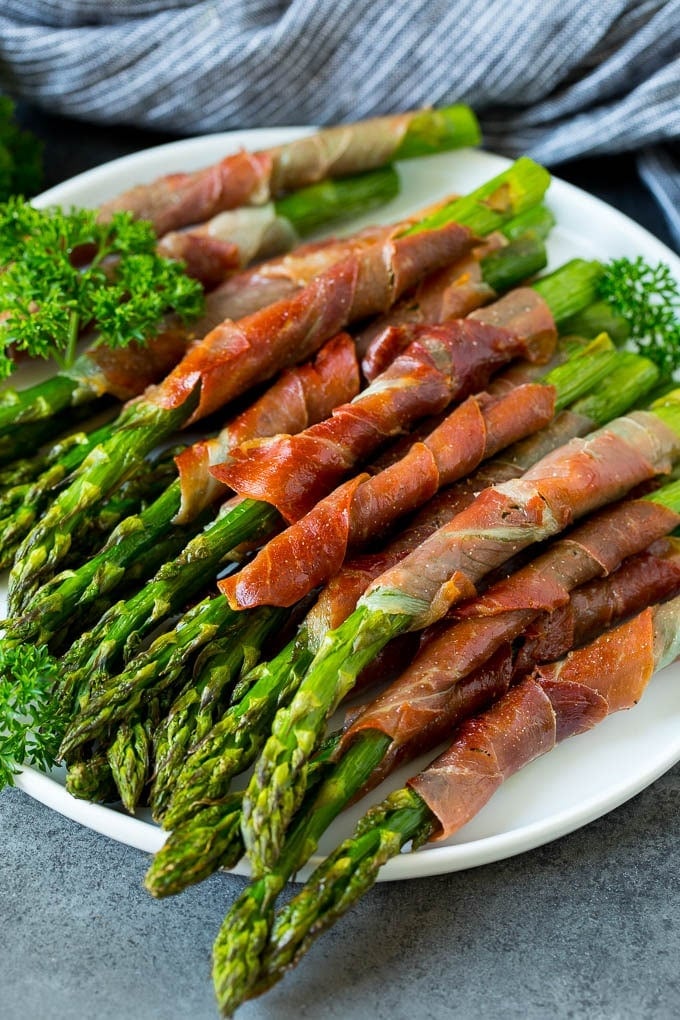
1. Prosciutto-Wrapped Asparagus
This recipe combines tender asparagus spears with thin slices of salty prosciutto. You wrap each spear in prosciutto and roast them in the oven until crispy.
The dish works as both an appetizer and a side dish. You only need two main ingredients, making it simple to prepare.
The contrast between the crisp asparagus and delicate prosciutto creates an appealing texture. Most recipes take less than 15 minutes to cook.
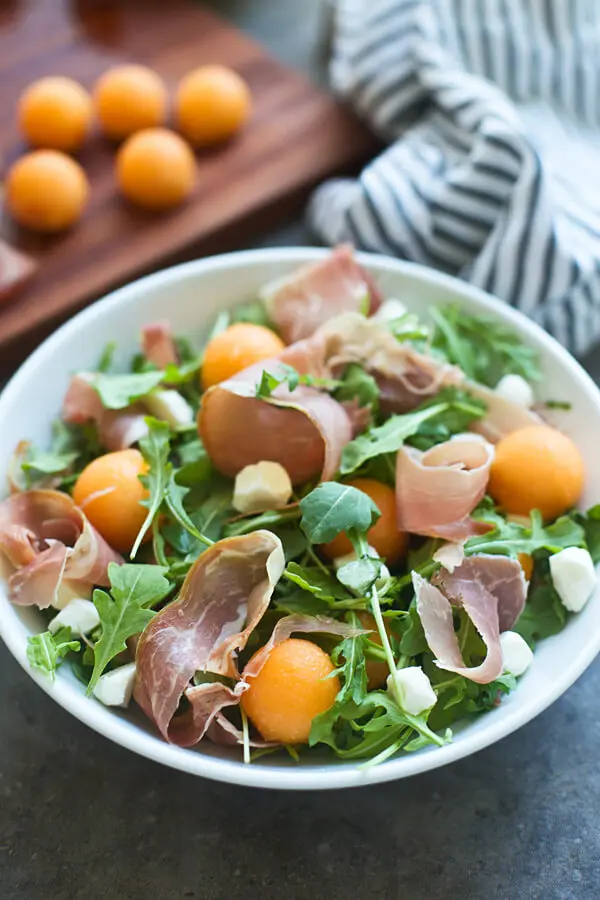
2. Prosciutto and Melon Salad
This salad pairs sweet melon with salty prosciutto for a balanced flavor combination. You can use cantaloupe or honeydew as your base.
The dish comes together in about 10 minutes with no cooking required. Add fresh mozzarella and arugula for extra texture and taste.
A simple dressing works best here. Try champagne vinegar or balsamic vinegar mixed with olive oil.
You can also add fresh basil or mint for brightness. This recipe works well as a summer appetizer or light side dish.

3. Prosciutto Pasta with Peas and Parmesan
This classic Italian dish combines salty prosciutto with sweet peas and nutty Parmesan cheese. You can have dinner on the table in about 30 minutes.
The recipe works with most pasta shapes. Cook your pasta according to package directions while you prepare the other ingredients.
Sauté the prosciutto in olive oil with garlic until crispy. Add frozen or fresh peas and cook until tender.
Toss everything with the cooked pasta and finish with grated Parmesan cheese. You can make it creamy by adding cream or keep it lighter with just olive oil and pasta water.

4. Prosciutto-Stuffed Portobello Mushrooms
Portobello mushrooms make excellent vessels for savory fillings. Their large caps and meaty texture pair perfectly with prosciutto and cheese.
Remove the stems and pre-cook the caps to release excess moisture. Fill them with a mixture of chopped prosciutto, cream cheese or Parmesan, and breadcrumbs or panko.
Bake the stuffed mushrooms until the filling is golden and the cheese melts. Some recipes add pine nuts, garlic, or fresh herbs like chives for extra flavor.
You can serve these as appetizers or use them as a main course.

5. Prosciutto Grilled Cheese Sandwich
A prosciutto grilled cheese takes your regular sandwich to the next level. Layer thin slices of prosciutto with melty cheese between two pieces of bread.
The salty meat pairs well with mozzarella, fontina, or provolone. Butter the outside of your bread and cook it in a skillet over medium heat.
This method gives you crispy, golden bread while the cheese melts inside. The prosciutto adds a rich flavor and the sandwich only takes about 10 minutes to make.

6. Prosciutto Flatbread with Arugula
This flatbread combines salty prosciutto with peppery arugula for a quick meal or appetizer. You can make it in about 15 to 20 minutes using store-bought flatbread.
Start with your flatbread base and add cheese like mozzarella, fontina, or ricotta. Bake until the cheese melts and the crust gets crispy.
Top with thin slices of prosciutto and fresh arugula. You can add cherry tomatoes, balsamic vinegar, or shaved parmesan for extra flavor.

7. Prosciutto Egg Baskets
These egg baskets offer a simple way to create an impressive brunch dish. Line muffin cups with prosciutto slices, then crack an egg into each one.
Add a sprinkle of cheese like Gruyère or Parmesan for extra flavor. The prosciutto turns crispy in the oven while the egg whites set and the yolk stays runny.
Customize these baskets with cream, fresh thyme, or different seasonings. They bake in about 15 minutes at standard oven temperature.
This recipe works well for meal prep or feeding a group. The prosciutto creates a gluten-free base that’s more flavorful than traditional toast.

8. Spicy Pineapple and Prosciutto Tarts
These tarts take the sweet and salty combo from Hawaiian pizza and turn it into something special. Start with puff pastry as your base, which creates a buttery, flaky foundation.
Caramelize the pineapple with brown sugar and black pepper before topping each tart. This step brings out the fruit’s natural sweetness while adding a spicy kick.
Layer thin slices of prosciutto on top. The whole dish comes together in about 30 minutes.
You can serve these as party appetizers or as part of brunch.
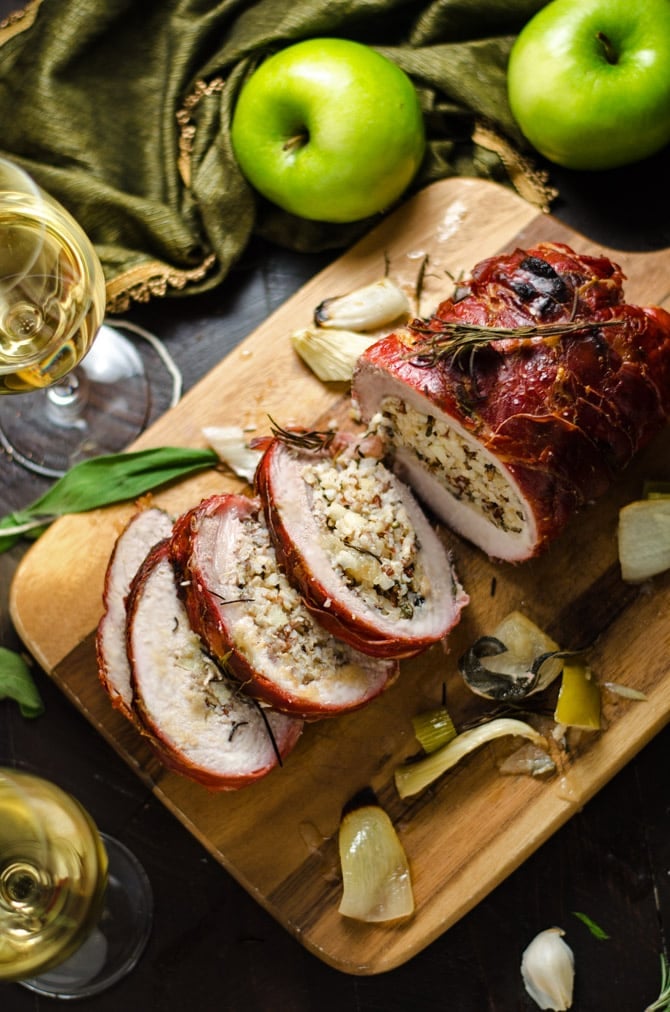
9. Prosciutto-Wrapped Pork Tenderloin
This dish turns a simple pork tenderloin into something special. Wrap the meat in thin slices of prosciutto, which creates a salty crust as it cooks.
The prosciutto crisps up in the oven and adds flavor to the lean pork. Many recipes add fresh sage leaves between the meat and prosciutto for extra taste.
Season your tenderloin, then wrap it with prosciutto slices. Sear it in a hot pan, then finish cooking in the oven until done.

10. Prosciutto and Fig Crostini
You can make this appetizer in about 15 minutes with just a few ingredients. Start with toasted bread slices as your base.
Spread creamy cheese like ricotta or goat cheese on each piece. Add a layer of fig preserves for sweetness.
Top with thin slices of prosciutto. Finish these crostini with a drizzle of honey or balsamic glaze.
Some people add toppings like pistachios or fresh figs for extra texture. The mix of sweet and salty flavors makes this recipe work well for parties and gatherings.
Understanding Prosciutto
Prosciutto is an Italian dry-cured ham known for its delicate texture and salty, rich flavor. The curing process, quality of the pork, and aging time all affect the final taste and texture of the meat.
Types of Prosciutto and Flavor Profiles
Prosciutto di Parma comes from the Parma region of Italy and features a sweet, delicate flavor. This variety is aged for at least 12 months and uses only Italian pigs, sea salt, and air.
The meat has a rose-pink color and melts easily on your tongue.
Prosciutto di San Daniele is produced in northeastern Italy and has a slightly sweeter taste than Parma. It’s aged for a minimum of 13 months and includes the pig’s foot during curing.
This type offers a more intense flavor with nutty notes.
Prosciutto Cotto is cooked rather than cured, giving it a milder, ham-like flavor. It has a softer texture and lighter pink color.
It works well when you need a gentler taste in your recipes.
American prosciutto tends to be less expensive and has a saltier, more pronounced flavor. The aging process is often shorter, resulting in a firmer texture.
You can use it for cooking when you want bold flavor without the premium price.
Selecting the Best Prosciutto for Recipes
Look for prosciutto with a deep pink to red color and white fat that appears creamy, not yellow. The meat should have even marbling throughout and a fresh, pleasant smell.
Avoid slices that look dry, dark, or have an off odor.
For appetizers and uncooked dishes, buy thinly sliced prosciutto from a deli counter. These delicate slices should be almost translucent.
Pre-packaged options work fine but may be less fresh.
For cooking applications like pasta or pizza, use thicker cuts or less expensive varieties. The heat will intensify the flavors, so premium aged prosciutto isn’t always necessary.
American prosciutto or prosciutto cotto often work well in cooked dishes.
Purchase only what you need within a few days. Fresh-cut prosciutto from the deli counter tastes better than pre-packaged options that have been sitting longer.
Proper Storage and Handling Tips
Store prosciutto in your refrigerator at 40°F or below. Keep it in its original packaging or wrap it tightly in parchment paper, then plastic wrap.
This prevents the meat from drying out while allowing it to breathe slightly. Use opened prosciutto within 2-3 days for the best flavor and texture.
Pre-packaged prosciutto lasts longer but should still be consumed within a week of opening. Check for any sour smell or slimy texture before eating.
Let prosciutto sit at room temperature for 15-20 minutes before serving. This brings out the full flavor and softens the fat.
Never leave it out for more than 2 hours to prevent bacterial growth. You can freeze prosciutto for up to 2 months if needed.
Separate slices with parchment paper and wrap everything in freezer-safe packaging. Thaw it overnight in the refrigerator before use.
Complementary Ingredients and Pairings
Prosciutto’s salty, savory flavor works best when balanced with sweet fruits, creamy cheeses, and acidic elements that cut through its richness. The right wine and bread selections can transform a simple prosciutto serving into a complete tasting experience.
Seasonal Fruits and Cheeses
Sweet fruits create a perfect contrast to prosciutto’s salty profile. Melon, especially cantaloupe and honeydew, offers refreshing sweetness that balances the meat’s intensity.
Fresh figs provide a delicate sweetness and soft texture that pairs naturally with thin prosciutto slices. You can also use apples and pears for a crisp, slightly tart complement.
Cheese pairings enhance prosciutto’s complex flavors. Parmigiano-Reggiano adds a nutty, aged depth that matches prosciutto’s saltiness.
Fresh mozzarella provides creamy contrast and mild flavor that lets the prosciutto shine. Gorgonzola brings bold, tangy notes that stand up to the meat’s strong taste.
You can arrange these ingredients on a board or wrap prosciutto around fruit and cheese for easy appetizers.
Serving Suggestions for Wines and Breads
Light, crisp wines work best with prosciutto. Pinot Grigio offers clean acidity that cuts through the meat’s saltiness without overpowering its delicate flavor.
Prosecco adds refreshing bubbles and light fruit notes. Chianti provides medium body and cherry flavors for those who prefer red wine.
Bread choices should complement without competing. Ciabatta offers a chewy texture and neutral flavor that supports the prosciutto.
Grissini (Italian breadsticks) provide a crispy vehicle for wrapping or pairing. Focaccia adds olive oil richness and herbs that enhance the Italian flavors.
You can serve these items together on a platter or use them in composed dishes. The wine’s acidity refreshes your palate between bites while the bread adds substance to light prosciutto servings.
Frequently Asked Questions
Prosciutto works well in many dishes, from quick appetizers to full dinner menus. These answers cover storage tips, recipe ideas, and ways to use every part of this Italian cured meat.
What are some simple prosciutto appetizers for entertaining guests?
Prosciutto-wrapped melon bites require just two ingredients and take minutes to prepare. Wrap thin slices of prosciutto around chunks of cantaloupe or honeydew.
Prosciutto and fig crostini offer another easy option. Toast bread slices, add a spread of cream cheese or ricotta, then top with prosciutto and fresh or dried figs.
Create prosciutto-wrapped asparagus spears by wrapping each asparagus stalk with a strip of prosciutto. Bake until crispy.
How can I incorporate prosciutto into a healthy meal?
Add prosciutto to salads for protein without much preparation. A prosciutto and arugula salad with fresh melon provides vitamins, fiber, and lean protein.
Prosciutto-stuffed portobello mushrooms make a nutritious main dish. The mushrooms add vegetables and fiber while prosciutto provides flavor with just a small amount of meat.
Use prosciutto as a wrap for vegetables instead of bread. Wrap asparagus or green beans for a low-carb side dish.
What is the best way to store prosciutto to extend its shelf life?
Keep unopened prosciutto in your refrigerator until the date on the package. Once opened, wrap the meat tightly in plastic wrap or wax paper.
Store wrapped prosciutto in an airtight container in the coldest part of your refrigerator. This method keeps it fresh for 2-3 weeks after opening.
Freeze prosciutto for up to 3 months. Separate slices with parchment paper before freezing so you can remove only what you need.
Can you suggest creative uses for the ends of prosciutto?
Dice prosciutto ends and add them to pasta dishes for salty flavor. They work well in carbonara or simple pasta with peas and parmesan.
Render prosciutto ends like bacon to create crispy bits. Use these as toppings for salads, soups, or baked potatoes.
Blend prosciutto ends into compound butter with herbs. This flavored butter adds depth to bread, vegetables, or grilled meats.
What are some prosciutto pasta dish variations that are both easy and delicious?
Prosciutto pasta with peas and parmesan combines just a few ingredients. Cook pasta, then toss it with sautéed prosciutto, peas, cream, and cheese.
Linguine with prosciutto uses onion, garlic, eggs, and parmesan for a carbonara-style dish. The eggs create a creamy sauce without adding cream.
Make prosciutto arugula pasta by tossing hot pasta with torn prosciutto, fresh arugula, olive oil, and lemon juice. The heat from the pasta slightly wilts the arugula.
How do I prepare a prosciutto-centered dinner that will impress my guests?
Start with prosciutto-wrapped asparagus as an appetizer. Roast the wrapped spears at 400°F for 10-12 minutes until the prosciutto crisps.
Serve a main course of prosciutto-stuffed chicken breast or pork tenderloin. Prosciutto adds moisture and flavor to the meat as it cooks.
Offer a pasta course with prosciutto, cream, and seasonal vegetables. You can prepare this elegant Italian-style meal in less than 30 minutes.