
Puerto Rican food brings together Caribbean, Spanish, African, and American influences to create meals that are both comforting and full of flavor. The island’s cooking uses fresh ingredients like plantains, rice, beans, pork, and seafood combined with bold seasonings that make each dish special.
This collection of recipes shows you how to make authentic Puerto Rican dishes at home, from savory main courses to traditional desserts. You’ll learn about classics like pernil, mofongo, and arroz con gandules, along with tips to help you cook these meals in your own kitchen.
Each recipe connects you to the island’s rich food traditions and cultural heritage.
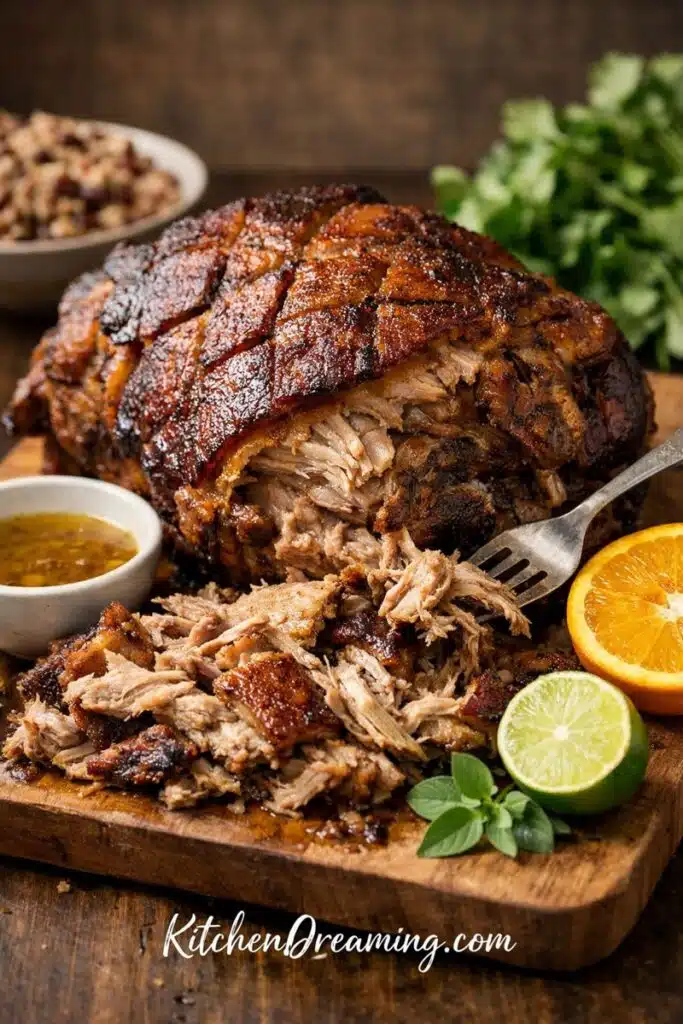
1. Puerto Rican Pernil with Garlic and Adobo
Pernil is a slow-roasted pork shoulder that sits at the heart of Puerto Rican cooking. You’ll marinate the meat with plenty of garlic cloves and adobo seasoning before roasting it low and slow.
The long cooking time makes the pork incredibly tender and juicy. The top develops a crispy, golden skin that adds great texture.
You’ll find this dish on tables during holidays and family gatherings. It works well on its own or in tacos and quesadillas.

2. Classic Arroz con Gandules
Arroz con Gandules is Puerto Rico’s national dish. You’ll find this rice and pigeon peas combination at every celebration and holiday meal.
The dish combines fluffy rice with tender pigeon peas. Sofrito forms the flavor base, while olives and pork add savory depth.
You cook everything in one pot, which makes cleanup simple. The rice absorbs all the seasonings as it steams, creating layers of flavor in each bite.
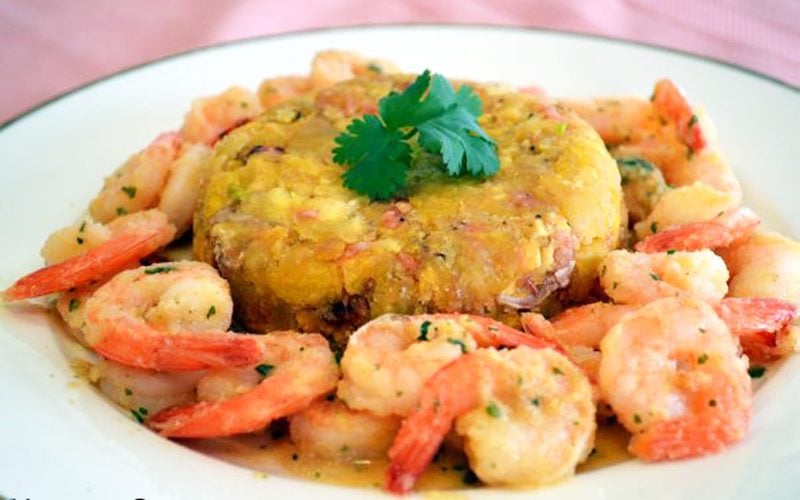
3. Mofongo with Garlic Shrimp
Mofongo is a Puerto Rican dish made from fried green plantains that are mashed with garlic and olive oil. The plantains get fried until golden and crispy, then shaped into a mound.
The garlic shrimp topping adds protein and flavor. You cook the shrimp in butter with garlic until they turn pink and tender.
This combination creates a filling meal that takes about 35 to 45 minutes to make. The starchy plantains pair well with the buttery, garlicky shrimp on top.
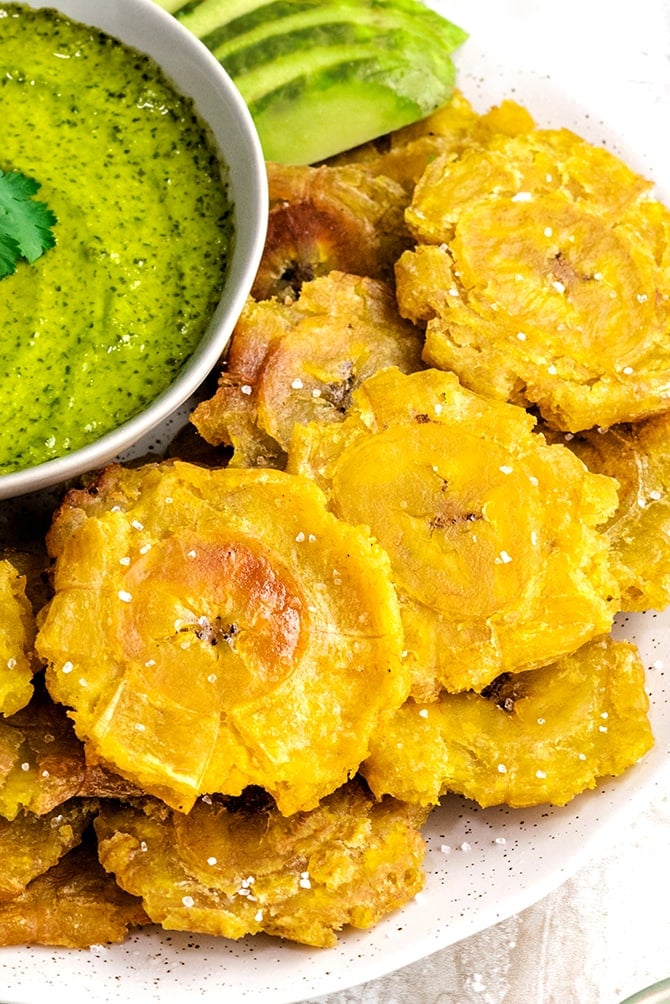
4. Tostones (Fried Green Plantains)
Tostones are twice-fried green plantains that create a crispy, golden side dish you’ll find throughout Puerto Rico. You start by slicing green plantains and frying them once, then smash them flat and fry them again.
This double-frying method gives you a crunchy outside with a soft center. The recipe needs just three ingredients: green plantains, oil, and salt.
You can serve tostones as an appetizer, side dish, or snack. They pair well with mayo-ketchup dipping sauce or alongside rice and beans for a traditional Puerto Rican meal.
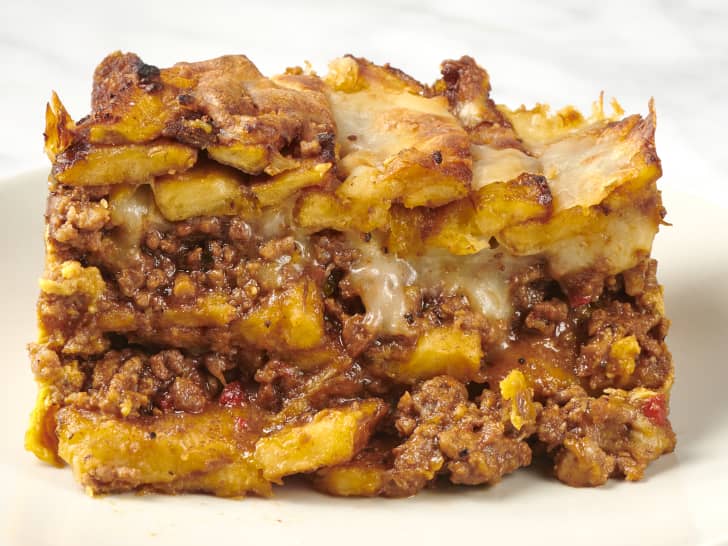
5. Pastelón (Puerto Rican Lasagna)
Pastelón is Puerto Rico’s answer to lasagna. Instead of pasta, you use sweet plantains that are sliced thin and fried until golden.
The layers come together with seasoned ground beef cooked in sofrito and tomato sauce. You’ll add cheese between each layer for a rich, melted finish.
The dish combines sweet and savory flavors. The plantains bring natural sweetness while the meat filling adds a hearty, savory element.
Many recipes include olives or capers for extra flavor. This casserole works well for family gatherings or potlucks.
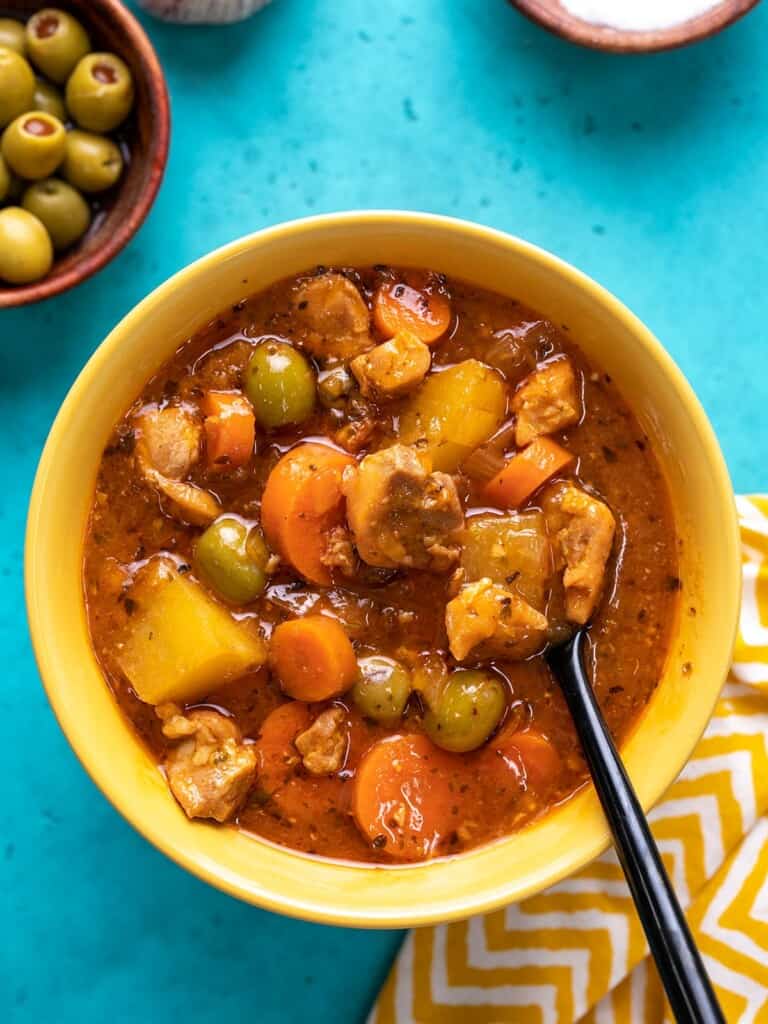
6. Pollo Guisado (Puerto Rican Chicken Stew)
Pollo Guisado is a classic one-pot chicken stew that brings comfort to your table. You’ll simmer bone-in chicken pieces with potatoes, carrots, and olives in a rich broth seasoned with sofrito, adobo, and sazón.
The chicken cooks low and slow until it becomes fork-tender and falls off the bone. This dish is popular throughout Puerto Rico and the Dominican Republic.
You can make this hearty meal in about an hour with simple ingredients you likely have on hand. It’s an easy, budget-friendly option that feeds your whole family.

7. Habichuelas Guisadas (Stewed Beans)
Habichuelas Guisadas are Puerto Rican stewed beans that serve as a staple side dish throughout the island. You’ll cook the beans in a tomato-based sauce flavored with sofrito, garlic, and spices.
The dish gets its depth from sofrito, which is a blend of peppers, onions, cilantro, and garlic. Some cooks mash a portion of the beans to thicken the broth naturally.
You can use pinto beans, pink beans, or red beans for this recipe. Serve your habichuelas over white rice for a traditional meal that takes about 15 minutes to prepare.
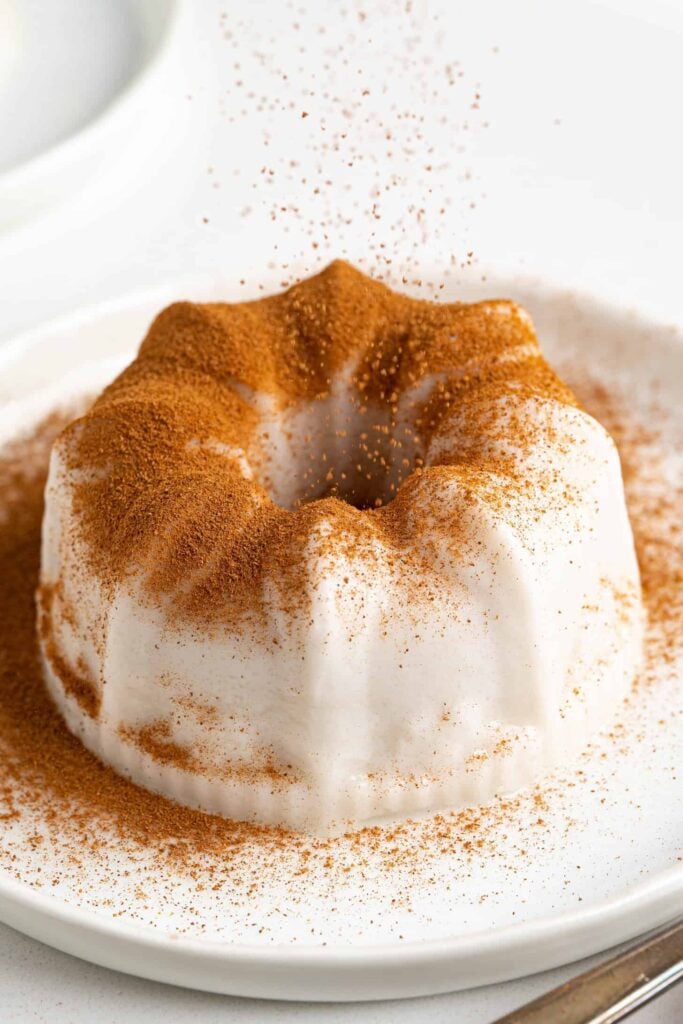
8. Tembleque (Coconut Pudding)
Tembleque is Puerto Rico’s beloved coconut pudding. The name means “wiggly” or “trembling,” which describes its signature jiggle.
You only need a few basic ingredients to make this dessert. Coconut milk, cornstarch, sugar, and cinnamon come together in about 20 minutes of cooking time.
Pour the pudding into molds and chill until firm. You can top it with ground cinnamon or toasted coconut before serving.

9. Cochinita Asada (Slow-Roasted Pork)
Cochinita Asada brings slow-roasted pork to your table with deep Puerto Rican flavors. You marinate a pork shoulder in garlic, adobo, and traditional spices before roasting it low and slow.
The long cooking time makes the meat tender and easy to pull apart. The skin gets crispy while the inside stays juicy.
You can serve this dish at holiday meals or family gatherings. It works well in tacos, with rice and beans, or on its own with your favorite sides.

10. Alcapurrias (Fried Stuffed Fritters)
Alcapurrias are crispy Puerto Rican fritters you’ll find at beach kiosks and street food stands across the island. The dough uses green bananas and yautía, a starchy root vegetable similar to taro.
You stuff the dough with seasoned ground beef called picadillo, though some versions use crab or shrimp. Shape the fritters into cylinders and deep-fry until golden brown.
These handheld snacks offer a satisfying crunch on the outside with a savory filling inside. They’re popular as appetizers or quick bites throughout the day.
Cultural Significance of Puerto Rican Cuisine
Puerto Rican food reflects centuries of cultural mixing, with three main groups shaping the island’s cooking style. The ingredients and cooking methods used today connect directly to the Taíno people, Spanish colonizers, and African slaves who lived on the island.
Historical Influences on Traditional Dishes
The Taíno people gave Puerto Rican cuisine its foundation. They introduced cassava, corn, sweet potatoes, and peppers to the island’s cooking.
Their method of slow-roasting meat over open fires still influences how Puerto Ricans prepare food today. Spanish colonizers brought new ingredients and techniques in the 1500s.
They added rice, wheat, olive oil, garlic, and onions to local dishes. The Spanish also introduced pork and beef, which became central proteins in Puerto Rican meals.
African slaves contributed the final layer to Puerto Rican cuisine. They brought okra, pigeon peas, and plantains from their homeland.
Their cooking methods, especially frying and stewing, changed how Puerto Ricans prepared their meals. The combination of these three cultures created dishes like mofongo and arroz con gandules that define Puerto Rican food.
Key Ingredients and Flavors
Sofrito forms the base of most Puerto Rican dishes. This mixture combines green peppers, onions, garlic, cilantro, and culantro.
You’ll find it in rice, beans, stews, and meat dishes across the island. Adobo and sazón are the main seasonings in Puerto Rican cooking.
Adobo blends garlic powder, oregano, black pepper, and salt. Sazón adds color and flavor through annatto seeds, coriander, and cumin.
Three ingredients appear in almost every Puerto Rican meal:
- Plantains – used green for savory dishes or ripe for sweet preparations
- Rice and beans – served together as a complete protein
- Pork – the most popular meat, prepared in various ways
These simple ingredients create bold, satisfying flavors that bring families together at the table.
Tips for Making Authentic Puerto Rican Recipes at Home
Success in Puerto Rican cooking starts with the right tools and ingredients in your kitchen, plus a few key techniques that bring out the bold flavors this cuisine is known for.
Essential Tools and Pantry Staples
A pilón (mortar and pestle) is your most important tool for making authentic sofrito and mashing garlic with salt. While a food processor works in a pinch, the pilón creates better texture and releases more flavor from fresh ingredients.
Your pantry needs these staples:
- Adobo seasoning (a blend of garlic powder, oregano, black pepper, and salt)
- Sazón packets or homemade seasoning with cumin, coriander, and annatto
- Recao (culantro) and cilantro for sofrito
- Green cooking bananas and plantains
- Dried beans (pigeon peas, pink beans, red beans)
- Long-grain rice for proper texture
Keep tomato sauce, green bell peppers, Spanish olives, and capers stocked for building flavor bases. Bay leaves and dried oregano are essential herbs you’ll use constantly.
Cooking Techniques to Master
Making sofrito from scratch transforms your cooking. Blend together green peppers, onions, garlic, cilantro, and recao until smooth.
Freeze extra in ice cube trays for quick use later. Learn to fry plantains properly at the right temperature.
Use 350°F oil for tostones (fried twice) and 375°F for maduros (ripe plantains fried once). Slow cooking meats until they fall apart is central to dishes like pernil and carne guisada.
Season meat generously with adobo, then cook low and slow to develop deep flavors. Don’t rush this process.
Toast your rice before adding liquid to prevent mushiness. This step creates separate, fluffy grains perfect for arroz con gandules.
Frequently Asked Questions
Puerto Rican cooking features slow-roasted meats, seasoned rice dishes, and fried plantains that work well for family meals. Most recipes use similar ingredients like sofrito, adobo seasoning, and garlic to create bold flavors.
What are some traditional Puerto Rican dinner recipes?
Traditional Puerto Rican dinners often feature pernil, a slow-roasted pork shoulder marinated with garlic and adobo seasoning. You can serve it alongside arroz con gandules, which is rice cooked with pigeon peas and sofrito.
Mofongo is another popular dinner option. It combines mashed fried plantains with garlic and often includes shrimp or pork.
Pastelón serves as a Puerto Rican version of lasagna, layering sweet plantains with seasoned ground beef and cheese.
Which Puerto Rican recipes are considered the easiest to make?
Tostones are one of the simplest Puerto Rican dishes you can make. You slice green plantains, fry them once, flatten them, and fry them again until crispy.
Arroz con gandules takes minimal prep work if you use canned pigeon peas. You just cook rice with sofrito, seasonings, and the peas in one pot.
Basic sofrito itself is easy to prepare by blending peppers, onions, garlic, and cilantro together.
What are the top five most popular dishes in Puerto Rican cuisine?
Mofongo ranks as one of the most beloved Puerto Rican dishes. Pernil appears at most celebrations and family gatherings.
Arroz con gandules is considered the national dish of Puerto Rico. Tostones show up as a side dish at nearly every meal.
Pastelón offers comfort food appeal with its layers of sweet plantains and savory meat filling.
Can you recommend some quick and easy Puerto Rican recipes?
Tostones take about 15 minutes from start to finish. You can make them with just green plantains, oil, and salt.
Simple arroz blanco (white rice) with beans provides a quick meal base that cooks in under 30 minutes. Picadillo, a seasoned ground beef dish, comes together quickly when you use pre-made sofrito.
You can serve it over rice or use it as a filling for empanadas.
Where can I find authentic Puerto Rican chicken recipes with images?
Recipe websites like Boricua Recipes and The Brilliant Kitchen offer Puerto Rican chicken recipes with photos. These sites show step-by-step images of dishes like pollo guisado (chicken stew) and arroz con pollo.
MamasLatinas.com features a collection of Puerto Rican recipes with detailed photos. You can find visual guides for preparing traditional chicken dishes seasoned with adobo and sofrito.
Are there any websites offering free and reliable Puerto Rican recipes?
Multiple cooking websites provide free Puerto Rican recipes with detailed instructions. The Brilliant Kitchen and Salima’s Kitchen offer collections of traditional recipes at no cost.
Boricua Recipes specializes in authentic Puerto Rican cuisine with meal prep tips. The Kitchen Community shares tested Puerto Rican recipes with user reviews.
You can access these recipes without payment or subscriptions.