
Chicken is one of the most popular proteins because it’s affordable and easy to cook. However, it can taste plain on its own.
The right sauce can turn simple chicken into a meal that’s full of flavor and much more interesting to eat.
This guide shows you how to make different sauces that work well with chicken. You’ll learn about classic options and new flavors to try.
Whether you want something creamy, tangy, sweet, or spicy, you’ll find sauces that match what you like.
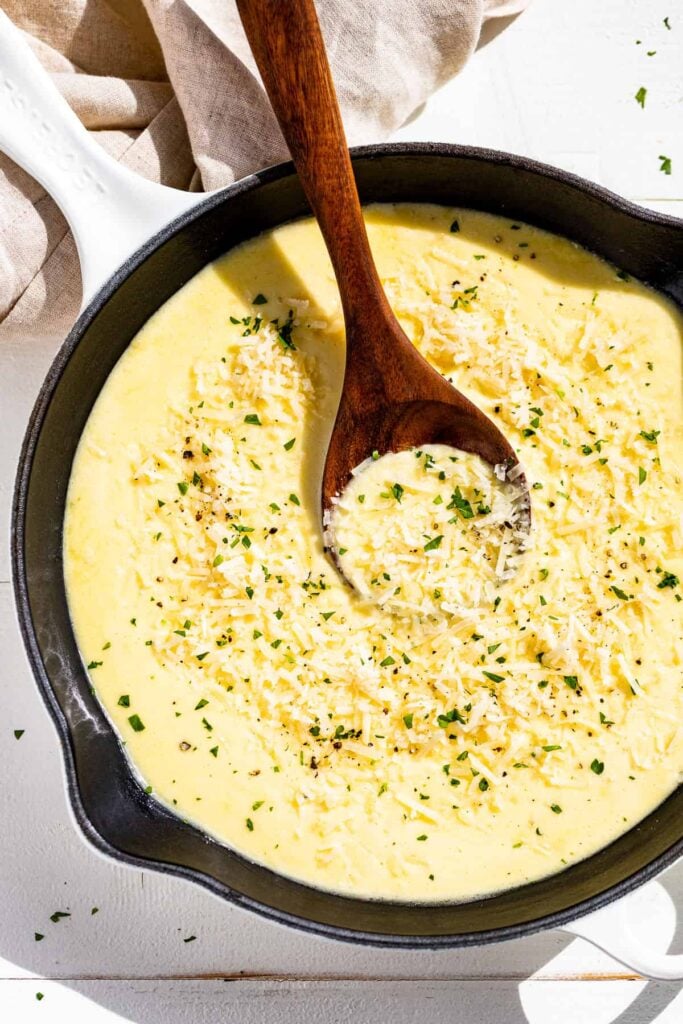
1. Garlic Parmesan Cream Sauce
Garlic parmesan cream sauce transforms plain chicken into a rich, flavorful meal. You need just a few basic ingredients: heavy cream, garlic, parmesan cheese, and butter.
You can make the sauce quickly in one pan. Cook your chicken first, then use the same skillet to make the sauce.
This saves time and adds extra flavor from the browned bits left behind. Serve this sauce over chicken breasts, thighs, or cutlets.
It pairs well with pasta, rice, or roasted vegetables.

2. Hoisin Sauce
Hoisin sauce brings a bold, savory flavor to your chicken dishes. This thick Chinese sauce is made from fermented soybeans, giving it a sweet and salty taste with rich umami notes.
Brush hoisin sauce on chicken as a marinade before cooking, or toss cooked chicken with it for a quick stir-fry. It also works well as a dipping sauce.
The sauce pairs nicely with vegetables and rice. You can create a complete meal in under 30 minutes.

3. Honey Mustard Sauce
Honey mustard sauce combines sweet honey with tangy mustard for a versatile dipping sauce. Make it in about five minutes with basic ingredients from your pantry.
This sauce works well with chicken tenders, grilled chicken, and roasted chicken. You can also use it as a salad dressing or spread.
The basic recipe uses honey, mustard, and mayonnaise. Some versions add a splash of vinegar or lemon juice for extra tanginess.
Adjust the honey-to-mustard ratio based on your taste preferences.

4. Lemon Garlic Sauce
Lemon garlic sauce combines bright citrus with aromatic garlic for a classic flavor pairing. The sauce works well with grilled, roasted, or pan-seared chicken.
Make this sauce with butter, fresh lemon juice, and minced garlic. Some versions add heavy cream and Parmesan cheese for a richer texture.
Prepare the sauce in about 15 minutes. It brings a tangy, refreshing taste that makes simple chicken dishes feel more special.

5. White Wine Sauce
White wine sauce brings a touch of elegance to your chicken dishes. This creamy sauce combines white wine, butter, garlic, and cream to create a rich coating.
It pairs perfectly with chicken breasts or thighs. Make this sauce in about 30 minutes.
The wine’s acidity balances the cream’s richness while adding depth to the flavor. Add herbs like thyme or rosemary to customize the taste.

6. Creamy Mushroom Sauce
Creamy mushroom sauce brings rich, savory flavors to your chicken dinner. Use mushrooms, garlic, cream, and chicken broth to make this restaurant-quality sauce at home.
The sauce pairs well with pan-seared chicken breasts. Prepare it in about 20 to 30 minutes.
Serve your chicken with the mushroom sauce over rice, pasta, or mashed potatoes. The creamy texture and earthy mushroom taste make this a satisfying meal.

7. Cherry Jam Vinegar Sauce
Cherry jam vinegar sauce brings a unique sweet and tangy flavor to your chicken dishes. Drizzle it over grilled chicken or use it as a marinade before cooking.
This sauce combines cherry jam with vinegar to create a balance of sweetness and acidity. It works well for barbecue recipes and adds depth to plain chicken breasts.
You only need a few ingredients to make this sauce at home. The cherry jam provides natural sweetness while the vinegar cuts through the richness of the chicken.

8. Ranch Dressing
Ranch dressing is a classic sauce that works perfectly with chicken. Use it as a marinade to keep your chicken juicy and flavorful, or as a dipping sauce for fried chicken tenders and wings.
The creamy, tangy flavor comes from a blend of buttermilk, mayonnaise, and herbs like dill and parsley. Buy bottled ranch at the store or make your own at home in just 10 minutes.
Ranch also pairs well with other flavors. Try mixing it with hot sauce for a spicy kick.
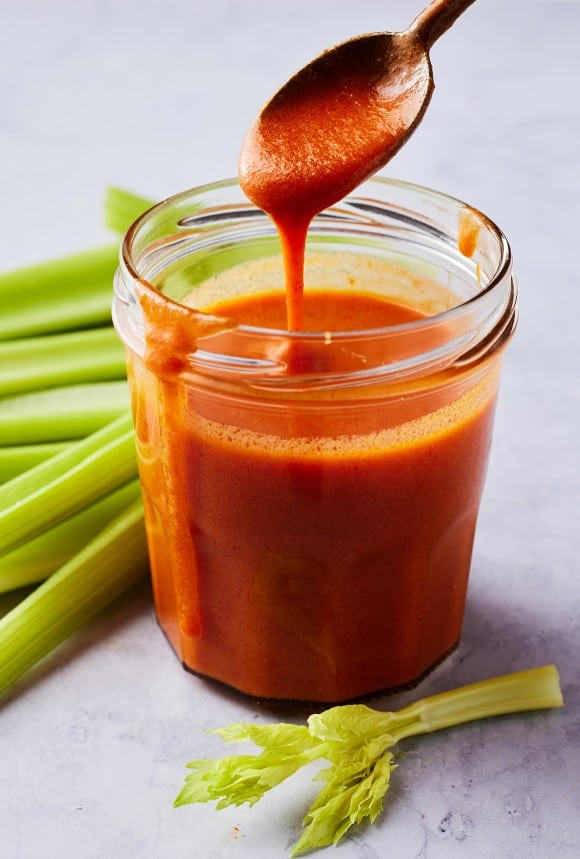
9. Buffalo Sauce
Buffalo sauce brings tangy heat to your chicken dishes. This classic sauce combines hot sauce with butter and vinegar for a flavor that works on wings, tenders, and grilled chicken breasts.
You can find quality bottled versions at most grocery stores. Frank’s RedHot remains a popular choice, though many brands now offer their own takes on the original Buffalo recipe.
Toss crispy fried chicken with Buffalo sauce, or use it as a marinade or dipping sauce. Keep the heat level in mind when choosing your bottle.

10. Teriyaki Sauce
Teriyaki sauce brings a sweet and savory glaze to your chicken dishes. This Japanese-inspired sauce combines soy sauce, sugar, and often ginger and garlic for a balanced flavor.
Use teriyaki sauce as a marinade before cooking or brush it on during the final minutes for a glossy finish. It works well for grilled, baked, or pan-fried chicken.
Store-bought options make weeknight dinners simple. Look for brands that use quality ingredients without excessive additives for the best taste.
Pairing Chicken with the Right Sauce
The right sauce transforms plain chicken into a dish worth remembering. Understanding how flavors work together helps you choose sauces that make your chicken taste better, not just wetter.
How Sauce Enhances Flavor Profiles
Chicken has a mild taste that works as a blank canvas for bold flavors. When you add sauce, you build layers of taste that your chicken can’t provide on its own.
Different chicken preparations need different sauces. Grilled chicken pairs well with smoky barbecue or tangy chimichurri because these sauces match the charred flavor.
Fried chicken benefits from creamy ranch or honey mustard that cuts through the richness of the coating. The texture of your sauce matters as much as its flavor.
Thick sauces like garlic parmesan cream cling to chicken breasts and create a coating with each bite. Thin sauces like teriyaki or hot sauce seep into the meat and season it from within.
Your cooking method guides your sauce choice:
- Pan-seared chicken works with butter-based sauces
- Baked chicken needs moisture from cream or tomato sauces
- Grilled chicken handles bold, acidic marinades and glazes
Balancing Heat, Sweetness, and Acidity
Every great chicken sauce balances three key elements. Heat wakes up your taste buds.
Sweetness rounds out sharp flavors. Acidity cuts through fat and adds brightness.
Buffalo sauce shows this balance in action. The hot sauce provides heat, a touch of butter adds richness, and vinegar brings acidity.
You can adjust these elements based on your preferences. If your barbecue sauce tastes too sweet, add vinegar or lime juice.
If your garlic sauce seems flat, a pinch of red pepper flakes adds life. Start with small amounts when adjusting flavors.
Add a teaspoon of honey to cut heat, or a squeeze of lemon to brighten heavy cream sauces. Taste as you go and stop when the flavors feel balanced to you.
Tips for Making Chicken Sauces at Home
Fresh ingredients and proper blending techniques are the foundation of restaurant-quality chicken sauces. Understanding which pantry items to keep on hand and how to achieve the right consistency will help you create flavorful sauces every time.
Essential Ingredients and Pantry Staples
You need a well-stocked pantry to make chicken sauces whenever the mood strikes. Keep olive oil, vegetable oil, and butter on hand as your base fats for building flavor.
Stock your spice cabinet with garlic powder, onion powder, paprika, and black pepper. Fresh garlic and onions deliver stronger flavors than dried versions when you have time to use them.
Your refrigerator should contain basics like soy sauce, vinegar (white, apple cider, and balsamic), and Dijon mustard. These acids brighten flavors and balance rich ingredients.
Store honey, brown sugar, and maple syrup for sweet sauces. Chicken broth, tomato paste, and heavy cream form the liquid bases for most sauce types.
Fresh herbs like parsley, cilantro, and oregano add brightness to finished sauces. Dried herbs work well during cooking but won’t give you the same fresh taste at the end.
Techniques for Optimal Texture
Start your sauce over medium heat to prevent burning. High heat causes ingredients like garlic and butter to turn bitter quickly.
Whisk constantly when adding flour or cornstarch to liquids. This prevents lumps from forming in your sauce.
Mix cornstarch with cold water before adding it to hot liquids for smooth results. Simmer sauces for at least 5-10 minutes to let flavors blend together.
The sauce should coat the back of a spoon when it reaches the right thickness. Add cream or butter at the end of cooking and remove the pan from direct heat.
This keeps dairy from breaking or curdling. Taste your sauce before serving and adjust salt, acid, or sweetness as needed.
Frequently Asked Questions
Chicken sauces work with many cooking methods and dietary needs. You can create dairy-free creamy sauces, thicken runny mixtures, and add flavors from around the world to your meals.
What are some classic sauce pairings for grilled chicken?
Grilled chicken pairs well with lemon garlic sauce, which adds brightness to the smoky flavor. Honey mustard sauce offers a sweet and tangy combination that works perfectly with char-grilled meat.
Hoisin sauce gives your grilled chicken an Asian-inspired glaze. Use white wine sauce for a light, elegant option that doesn’t overpower the grill marks.
How can I make a creamy sauce for chicken without using dairy?
Cashew cream makes an excellent dairy-free base for creamy sauces. Soak raw cashews in water for a few hours, then blend them until smooth.
Coconut milk creates rich, creamy sauces without any dairy products. Full-fat coconut milk works best for thickness and texture.
Silken tofu blends into a smooth, protein-rich cream substitute. Season it with garlic, herbs, and nutritional yeast to add depth of flavor.
What is the best way to thicken sauces meant for chicken dishes?
A cornstarch slurry thickens sauces quickly without changing the flavor. Mix one tablespoon of cornstarch with two tablespoons of cold water, then stir it into your simmering sauce.
Reducing your sauce over medium heat concentrates the flavors and naturally thickens it. This method works particularly well for white wine sauce and other liquid-based preparations.
You can also add a small amount of flour to melted butter to create a roux. This classic technique provides smooth, even thickening for cream-based sauces.
Can you suggest quick and easy sauces that complement baked chicken?
Garlic parmesan cream sauce comes together in about 10 minutes. Combine butter, garlic, cream, and parmesan cheese for a rich topping.
Honey mustard sauce requires only three basic ingredients: honey, mustard, and a splash of vinegar. Mix them together and your sauce is ready.
Lemon garlic sauce takes minimal effort and uses simple pantry staples. Melt butter with minced garlic and fresh lemon juice for a bright, flavorful finish.
What are some healthy sauce options that go well with chicken?
Lemon garlic sauce provides flavor without heavy cream or excessive calories. The fresh citrus and herbs give you taste without added fats.
Yogurt-based sauces offer protein and probiotics while keeping calories low. Mix Greek yogurt with herbs, garlic, and spices for a healthy alternative to cream sauces.
Tomato-based sauces deliver vitamins and antioxidants. Fresh tomatoes, garlic, and basil create a light sauce that doesn’t add unhealthy fats to your meal.
How do I incorporate international flavors into chicken sauces?
Hoisin sauce brings Chinese flavors to your chicken with its sweet and savory profile. Use it as a glaze or mix it with garlic and ginger for a stir-fry sauce.
Add curry powder and coconut milk to create an Indian-inspired sauce. Turmeric, cumin, and coriander deliver authentic flavors in minutes.
Try chimichurri for an Argentinian twist on your chicken. Fresh parsley, oregano, garlic, and red wine vinegar blend into a vibrant green sauce.
Mexican mole sauce combines chocolate with chili peppers for a complex, rich flavor.