
A seafood boil brings together fresh shellfish, vegetables, and bold spices in one pot for a meal that’s easy to make and fun to eat. This cooking method has roots in Southern coastal traditions but has become popular across the country for good reason.
It feeds a crowd without much fuss and creates a casual dining experience where everyone gathers around the table. You can prepare these meals for backyard gatherings or weeknight dinners.
The recipes ahead cover different styles, from traditional boil pots to modern bag methods. You’ll also find sauce variations and practical hosting tips to help you serve a successful seafood feast.
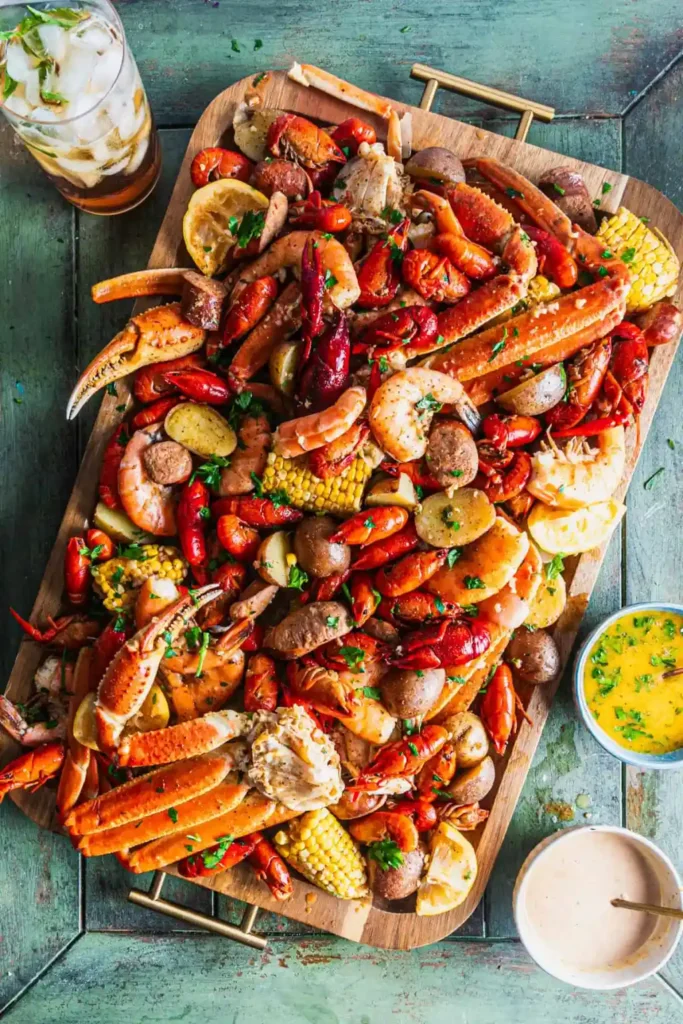
1. Classic Shrimp and Crab Legs Boil
This traditional seafood boil brings together sweet shrimp and rich crab legs in one pot. You’ll cook them with corn, potatoes, and smoked sausage in a seasoned broth.
You add ingredients in stages based on their cooking times. Potatoes go in first, followed by corn and sausage, then the seafood last.
Old Bay seasoning gives the dish its signature flavor. Finish everything with melted garlic butter for extra taste.

2. Louisiana-Style Crawfish and Andouille Sausage Boil
This communal feast brings crawfish, smoky andouille sausage, potatoes, and corn together in one heavily seasoned pot. You’ll boil everything in water mixed with Cajun spices and let the flavors combine.
Start by boiling potatoes and corn first since they take longer to cook. Add the crawfish and sliced sausage next, then turn off the heat and let everything soak for about 30 minutes.
The crawfish float to the top and turn bright red when ready. Serve everything on a large table covered with newspaper for an authentic backyard experience.

3. Creamy Garlic Butter Seafood Boil
This seafood boil brings together shrimp, crab, and sausage with a rich garlic butter sauce. You cook the seafood in a seasoned broth with potatoes and corn.
You melt butter with minced garlic, then add Cajun seasoning and lemon juice for the sauce. The result is a creamy coating that covers every piece of seafood.
You can prepare this meal in under an hour. Cook everything in one large pot for easy serving.

4. Spicy Cajun Seafood Boil with Corn and Potatoes
This Louisiana-style dish brings together shrimp, crab legs, and mussels in one pot. You’ll add red potatoes and corn on the cob to make it a complete meal.
Boil everything together with Cajun seasonings, Old Bay, and lemon in a large stockpot. Start with the potatoes since they take the longest, then add the corn and seafood.
A garlic butter sauce ties everything together. Serve this straight from the pot onto a table covered with newspaper for easy cleanup.

5. Smoked Sausage and Clams Seafood Boil
This seafood boil pairs two simple ingredients that work great together. You cook fresh clams alongside smoked sausage in a seasoned broth.
The sausage adds a smoky, savory flavor that complements the briny taste of the clams. You can use any type of smoked sausage you prefer, though andouille adds a nice kick of spice.
The clams steam open in the broth and soak up the seasonings. This creates a lighter seafood boil option that still delivers plenty of flavor.

6. Seafood Boil in a Bag with Cajun Butter Sauce
You can make a full seafood boil in your oven with minimal cleanup. The bag method locks in moisture and flavor while everything cooks together.
Combine shrimp, crab legs, corn, potatoes, and sausage in an oven-safe cooking bag. Pour melted butter mixed with garlic, Cajun seasoning, and lemon juice over the ingredients.
Seal the bag and bake until the seafood is cooked through. The butter sauce coats everything as it steams.
You get restaurant-quality results without scrubbing multiple pots.

7. Ultimate Crab, Shrimp, and Lobster Boil
This recipe brings together three types of shellfish in one pot. You’ll need crab legs, large shrimp, and lobster tails as your main ingredients.
Start by boiling seasoned water with your choice of Cajun spices or pre-made seafood boil seasoning. Add potatoes and corn first since they take longer to cook.
Once the vegetables are tender, add your seafood. The crab and lobster need about 8-10 minutes, while shrimp only needs 3-4 minutes.
Finish with a garlic butter sauce made from melted butter, minced garlic, and lemon juice for dipping.

8. Creole Garlic Sauce Seafood Boil
This recipe takes your seafood boil to the next level with a rich Creole garlic sauce. You’ll simmer shrimp, crab, sausage, potatoes, and corn in a spiced broth that’s full of flavor.
The garlic butter sauce mixed with Creole seasoning and smoked paprika creates a bold coating for every piece of seafood and vegetable. You can make this meal in under an hour.

9. Mussels and Shrimp in Herb-Infused Broth
This lighter take on a seafood boil focuses on fresh herbs and aromatic broth. You’ll cook mussels and shrimp together in a flavorful base made with garlic, thyme, and other herbs.
The broth becomes rich as the seafood cooks and releases its natural flavors. You can use fresh or dried herbs depending on what you have available.
Serve this dish with crusty bread to soak up the broth. It’s a simple one-pot meal that works well for weeknight dinners or when you’re entertaining guests.

10. Backyard Summer Seafood Boil Feast
This backyard seafood boil brings Louisiana flavors to your outdoor space. You’ll cook shrimp, crab, corn, and potatoes together in one large pot with Cajun spices.
Spread newspaper on your table for easy cleanup. Serve everything with garlic butter sauce on the side for dipping.
The spicy seasoning gives the seafood a bold taste that guests enjoy. You’ll need a large pot and Old Bay or Cajun seasoning to get started.
Essential Seafood Boil Ingredients
A successful seafood boil depends on three key components: fresh seafood that cooks evenly, bold seasonings that create layers of flavor, and vegetables that complement the main ingredients without overpowering them.
Choosing Fresh Seafood
Fresh seafood makes the difference between an average boil and an outstanding one. Look for shrimp with firm flesh and a mild ocean smell.
Avoid any that smell fishy or have black spots on the shells. Crab legs should feel heavy for their size and have no cracks in the shell.
Live crabs are the freshest option, but pre-cooked frozen crab legs work well too. Crawfish should be alive and moving in the tank when you buy them.
Key freshness indicators:
- Clear, bright eyes on whole fish
- Firm texture that springs back when pressed
- Shells that look moist and glossy
- No ammonia or strong fishy odors
Clams and mussels need closed shells or shells that close when tapped. Discard any that stay open before cooking.
Plan on about 1-2 pounds of seafood per person depending on what else you include in the boil.
Seasonings and Aromatics
The seasoning blend defines your seafood boil’s character. Paprika, cayenne pepper, garlic powder, onion powder, oregano, and thyme form the traditional Cajun base.
Old Bay seasoning offers a simpler alternative with its pre-mixed spices. Fresh garlic cloves and onions add depth when thrown directly into the boiling water.
Use at least 6-8 cloves of garlic and 2-3 halved onions for a large pot. Bay leaves contribute an earthy background note.
Salt is essential but start with less since you can always add more. Start with 1/4 cup for a large stockpot.
Lemon halves brighten the overall flavor and cut through richness.
Basic seasoning ratios per gallon of water:
- 2-3 tablespoons Cajun seasoning or Old Bay
- 1 tablespoon salt
- 1 tablespoon black peppercorns
- 2-3 bay leaves
Make garlic butter for dipping by mixing melted butter with minced garlic, parsley, and a squeeze of lemon juice. Make extra because everyone wants more.
Vegetable Additions
Potatoes and corn are the classic vegetable additions that soak up all the seasoned broth. Small red potatoes or Yukon golds work best because they hold their shape.
Cut larger potatoes in half so they cook at the same rate as other ingredients. Corn on the cob should be broken into 3-4 inch pieces for easier eating.
Fresh corn tastes better than frozen, but either works. Add these vegetables early in the cooking process since they take longer than seafood.
Smoked sausage adds a savory, meaty element that complements the seafood. Andouille sausage is traditional, but any smoked sausage works.
Slice it into 2-inch pieces so it fits on your plate with everything else. Some people add onion wedges, whole mushrooms, or brussels sprouts for variety.
These optional vegetables should be sturdy enough to withstand boiling without turning to mush.
Tips for Hosting a Memorable Seafood Boil
A successful seafood boil depends on proper setup, thoughtful presentation, and choosing drinks that complement the bold flavors. Getting these details right makes the difference between a good gathering and one your guests will talk about for months.
Setting Up Your Boil Station
Choose a location that can handle mess and moisture. Your backyard, patio, or garage works best since seafood boils create splashes and shells.
You need a large outdoor burner or propane cooker with a 30-60 quart stockpot. A standard kitchen stove cannot handle the pot size required for feeding a crowd.
Set up your cooking station on a stable, flat surface away from anything that could catch fire. Cover your serving table with kraft paper, butcher paper, or newspaper.
This classic approach makes cleanup simple and creates the communal atmosphere seafood boils are known for. Skip the plates and forks.
Essential supplies to have ready:
- Large slotted spoons or strainers
- Heavy-duty oven mitts
- Ice-filled coolers for drinks
- Trash bags and bins
- Garden hose or large sink nearby
- Small bowls for melted butter and sauces
- Plenty of paper towels and napkins
Set out bibs or old t-shirts for guests. Cracking shells and eating with your hands gets messy.
Have wet wipes or hand-washing stations available.
Serving and Presentation Ideas
Dump the entire boil directly onto your paper-covered table for an authentic experience. Spread everything out so guests can gather around and dig in together.
Arrange the seafood, corn, potatoes, and sausage in an appealing way. Group similar items together or create a pattern that looks inviting.
Add lemon wedges and fresh parsley around the spread for color and flavor. Put out small individual bowls filled with melted garlic butter, cocktail sauce, hot sauce, and extra seasoning.
Let guests customize their experience. If you prefer a less casual approach, use large platters or baking sheets lined with parchment paper.
This gives you more control over portions while keeping the communal feel. Metal buckets work well for holding shells and discarded corn cobs.
Provide seafood crackers and small forks for crab legs and lobster. Some guests struggle with getting meat out without proper tools.
Pairing Drinks with Seafood Boils
Beer is the traditional choice for seafood boils. Light lagers, pilsners, and wheat beers work best because they refresh your palate without overpowering the seafood.
Cold white wine pairs well if your guests prefer it. Choose crisp options like Sauvignon Blanc, Pinot Grigio, or Albariño.
The acidity cuts through the butter and spice.
Non-alcoholic options that complement seafood:
- Fresh lemonade
- Iced tea (sweetened or unsweetened)
- Sparkling water with citrus
- Ginger beer
Keep all drinks ice-cold in large coolers. The spicy seasoning makes guests thirsty, so stock more than you think you need.
Plan for at least two drinks per person per hour. Avoid heavy red wines or sweet cocktails.
These clash with the briny seafood and Cajun spices. Stick with light, refreshing choices that cleanse the palate between bites.
Frequently Asked Questions
A good seafood boil needs fresh shellfish, vegetables like corn and potatoes, and bold seasonings to create the right flavor. The cooking method matters too, whether you use a large pot or a foil bag.
What are the essential ingredients for a classic seafood boil?
You need shrimp, crab legs, or crawfish as your main seafood. Mussels and clams work well too.
Add small red potatoes, corn on the cob cut into thirds, and smoked sausage for substance. You’ll also need onions and garlic for flavor.
Lemons add brightness to the broth. The liquid base typically includes water or seafood stock.
Salt forms the foundation of your seasoning.
How do you prepare a simple yet delicious seafood boil?
Fill a large pot with water and add your seasonings, onions, and garlic. Bring it to a rolling boil.
Add potatoes first since they take the longest to cook, usually about 10 minutes. Next, add the sausage and corn for about 5 minutes.
Add your seafood last. Cook shrimp for 2-3 minutes and crab legs for 5-6 minutes until everything is done.
Drain the pot and spread everything on a table covered with newspaper or butcher paper. Serve immediately while hot.
Can you recommend a seafood boil sauce recipe that complements the dish?
Mix melted butter with minced garlic, lemon juice, and a pinch of cayenne pepper for a classic garlic butter sauce. Use about one stick of butter for every pound of seafood.
Blend melted butter with Old Bay seasoning, hot sauce, and Worcestershire sauce. Add chopped parsley for freshness.
For a creamier option, stir mayo into your garlic butter mixture. This creates a thicker dipping sauce that clings to the seafood better.
What is the best method to cook a seafood boil in a bag?
Layer your ingredients in a large foil bag or foil packet on a baking sheet. Start with potatoes on the bottom, then add corn, sausage, and seafood on top.
Pour your seasoned butter sauce directly over everything before sealing the bag tightly. Bake at 375°F for about 30-40 minutes.
The bag method keeps all the flavors concentrated and makes cleanup easier. You can also cook individual portions this way for better control.
What seasonings are key to an authentic seafood boil flavor?
Cayenne pepper provides heat while paprika adds color and mild flavor. Black pepper and white pepper give depth.
Garlic powder and onion powder create savory notes. Bay leaves contribute an earthy aroma.
Dried thyme works well with seafood. Mustard seeds and coriander seeds add complexity to your spice blend.
Celery salt brings a subtle vegetal quality that rounds out the mix.
How can I incorporate Old Bay seasoning into my seafood boil recipe?
Add 3-4 tablespoons of Old Bay directly to your boiling water before adding ingredients. This distributes the flavor throughout everything.
Toss your cooked seafood and vegetables with additional Old Bay after draining. Mix it with melted butter first for better distribution.
Old Bay contains celery salt, paprika, black pepper, and other spices balanced for seafood. Start with less than you think you need and add more to taste.