
Spanish desserts represent a rich tradition of sweets perfected over centuries. These treats range from simple fried dough to elegant custards, each with its own place in Spain’s food culture.
This guide introduces you to some of the most beloved Spanish desserts, from the classics you can find on street corners to the special sweets served during holidays. You’ll learn about the key ingredients that give these desserts their distinct flavors and the cultural importance they hold in Spanish celebrations.
Whether you want to try making these at home or simply learn more about Spanish cuisine, this collection covers the essentials.
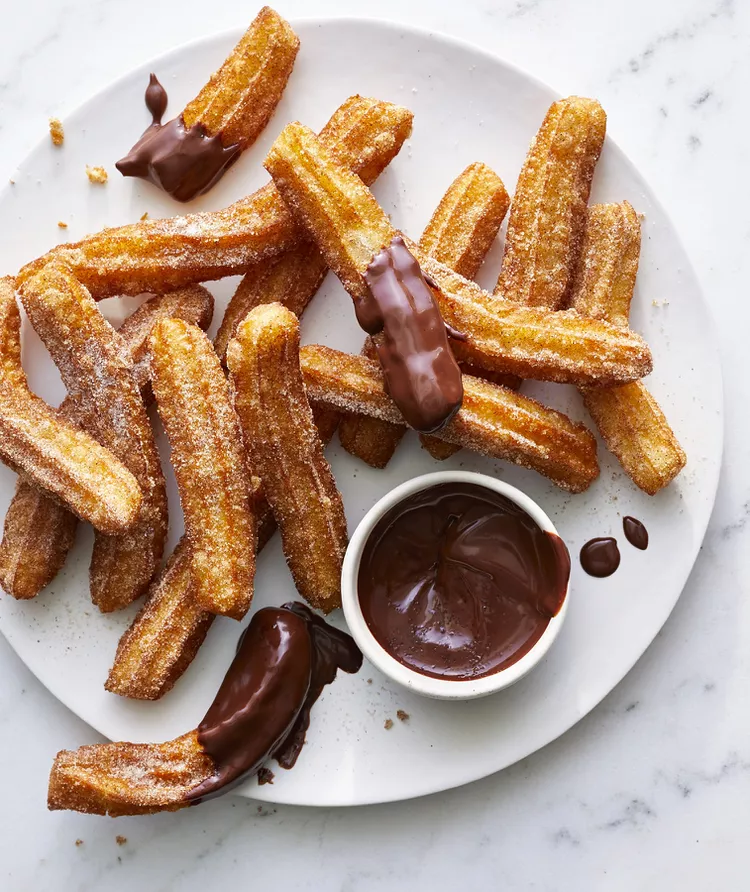
1. Churros con Chocolate
Churros con chocolate is a classic Spanish treat you can make at home with basic ingredients. The dessert features crispy fried dough sticks that are golden on the outside and soft inside.
You dip the churros into thick, warm chocolate sauce. The dough comes together from simple pantry items and you fry it until it reaches the right texture.
The recipe takes about 15 to 30 minutes to prepare. Many Spanish families enjoy this dessert during celebrations and casual gatherings.

2. Tarta de Santiago
Tarta de Santiago is a traditional almond cake from Galicia in northwest Spain. You’ll recognize it by the Cross of Saint James dusted on top with powdered sugar.
The cake uses ground almonds, sugar, and eggs. This makes it naturally gluten-free and easy to prepare at home.
You’ll enjoy its moist texture and rich almond flavor with hints of citrus. The recipe dates back to 1577 and has European Protected Geographical Indication status.

3. Crema Catalana
Crema Catalana is Spain’s answer to French crème brûlée. This classic dessert from Catalonia features a smooth custard base topped with caramelized sugar that cracks when you tap it with your spoon.
The custard gets its flavor from lemon zest and cinnamon instead of vanilla. You make it on the stovetop, which makes it easier than baked custards.
The crispy sugar top contrasts perfectly with the creamy custard underneath. You can prepare it a day ahead and just add the caramelized topping before serving.

4. Flan
Flan is a classic Spanish custard dessert topped with caramel sauce. You make it with simple ingredients like eggs, milk, and sugar.
The dessert has a smooth, creamy texture that’s rich but not too heavy. When you flip the flan out of its pan, golden caramel pours over the top.
You can serve flan at dinner parties or enjoy it as a weeknight treat. It’s also a great make-ahead dessert since you prepare it in advance and chill it before serving.

5. Leche Frita
Leche frita translates to “fried milk” and ranks among Spain’s most beloved traditional desserts. You start by cooking milk with sugar and citrus flavors until it becomes a thick custard.
Once the custard sets, you cut it into squares. Each piece gets coated in egg and breadcrumbs before frying.
The result is a crispy golden shell that gives way to a soft, creamy center. This dessert comes from northern Spain but you’ll find it throughout the country.
It requires basic ingredients and no special equipment.

6. Arroz con Leche
Arroz con leche is Spain’s classic rice pudding that you can make right on your stovetop. This creamy dessert combines rice with milk and warm spices like cinnamon.
You’ll simmer the rice slowly until it becomes soft and creamy. The dish often includes citrus zest for extra flavor.
You can serve arroz con leche warm or cold. Many people like to sprinkle cinnamon on top before eating.

7. Polvorones
Polvorones are traditional Spanish shortbread cookies that crumble and melt in your mouth. You’ll find them especially popular during the Christmas season, though they’re enjoyed year-round at celebrations.
These cookies are made with simple ingredients like flour, almonds, and fat. Traditional recipes used lard, but modern versions often use butter or shortening instead.
The name “polvorones” comes from the Spanish word for dust, which describes their powdery, crumbly texture. You can find them plain or flavored with cinnamon, chocolate, or lemon.
They’re typically wrapped in colorful paper for gifting.

8. Ensaimada
This spiral-shaped pastry comes from Mallorca, one of Spain’s Balearic Islands. You’ll recognize it by its coiled shape and light dusting of powdered sugar on top.
The dough is rolled thin and layered to create a flaky texture. When you bite into an ensaimada, you’ll taste its slightly sweet, buttery flavor.
Mallorcans enjoy this pastry for breakfast with coffee or as a dessert. You can find ensaimadas in bakeries throughout Spain and in former Spanish colonies like the Philippines.

9. Mantecados
Mantecados are traditional Spanish shortbread cookies from Andalucía that you’ll find especially during Christmas. These cookies get their name from “manteca,” which means lard in Spanish.
The texture is delightfully crumbly and melts in your mouth. You’ll taste the rich flavor from simple ingredients like flour, sugar, and lard.
Many recipes include cinnamon or ground almonds for extra warmth. These cookies are easy to make at home.
The dough comes together quickly, and you can bake them in under 30 minutes for a cozy treat any time of year.

10. Tocino de Cielo
Tocino de Cielo translates to “heaven’s bacon” and comes from Jerez de la Frontera in southern Spain. You’ll find this dessert dates back to the 1300s when nuns created it using leftover egg yolks from wine making.
This rich treat looks like flan but tastes completely different. You make it with just egg yolks, sugar, and water.
It contains no milk or dairy products. The dessert has a silky texture and golden color.
You can serve it at room temperature or chilled for a simple yet satisfying finish to your meal.
Cultural Significance of Spanish Desserts
Spanish desserts reflect centuries of cultural mixing and regional traditions. These sweets connect to religious holidays, local ingredients, and the unique character of Spain’s different regions.
Regional Influences in Spanish Sweets
Each region of Spain creates desserts based on what grows nearby and the cultures that shaped its history. The Moorish occupation brought almonds, honey, and citrus to southern Spain.
These ingredients became essential in desserts like polvorones and marzipan. Galicia in the northwest makes the Tarta de Santiago, an almond cake decorated with the cross of Saint James.
This dessert links directly to the pilgrimage route that ends in Santiago de Compostela. Catalonia developed crema catalana, a custard dessert flavored with citrus and cinnamon that predates similar French versions.
Coastal regions use ingredients like almonds and citrus fruits, while inland areas favor egg-based custards and cakes made with local wheat. The Basque Country produces its own cheesecake style that became famous worldwide.
These regional differences show how geography and local agriculture shaped dessert traditions across Spain.
Traditional Celebrations and Festive Dishes
Spanish desserts mark important religious and cultural celebrations throughout the year. Families eat roscón de reyes on Three Kings Day in January.
This ring-shaped cake contains hidden surprises and represents the gifts brought by the wise men. Christmas brings turrón, a nougat made from almonds and honey that dates back to Moorish times.
Different regions make their own versions, from hard alicante style to soft jijona style. Mantecados and polvorones appear during Christmas too, made with lard or butter that creates their crumbly texture.
Easter features torrijas, similar to French toast, made by soaking bread in milk and coating it with egg before frying. Many convents and monasteries still make traditional sweets using centuries-old recipes.
These religious institutions preserved dessert-making techniques through generations, keeping Spanish sweet traditions alive.
Key Ingredients and Techniques
Spanish desserts rely on a handful of pantry staples like almonds, eggs, and citrus that create their signature flavors. The techniques passed down through generations focus on simple methods that let these quality ingredients shine.
Staple Ingredients in Spanish Dessert Making
Almonds form the backbone of many Spanish sweets. You’ll find them ground into flour for Tarta de Santiago or transformed into turrón, a traditional nougat candy.
Spain’s almond groves, particularly in the south, have supplied bakers for centuries. Eggs and milk appear in nearly every custard-based dessert.
Spanish flan depends on whole eggs for its smooth texture. Natillas and crema catalana both use egg yolks mixed with milk to create rich, creamy bases.
Citrus fruits add brightness to heavy desserts. Lemon and orange zest flavor everything from cakes to custards.
The peel often gets candied or infused into syrups. Cinnamon and vanilla provide warmth and depth.
You’ll taste cinnamon in rice pudding and churros. Vanilla beans flavor custards and creams throughout Spain’s regions.
Honey and sugar sweeten desserts while adding their own flavors. Honey brings floral notes to traditional recipes, while caramelized sugar creates the glossy top on flan.
Classic Spanish Pastry Techniques
Caramelization creates the foundation for flan and other custards. You heat sugar in a pan until it melts and turns amber, then pour it into molds before adding the custard mixture.
Egg tempering prevents scrambling when making custards. You slowly add hot milk to beaten eggs while whisking constantly.
This gradual process brings the eggs up to temperature safely. Piping dough shapes churros and other fried pastries.
You push the dough through a star-shaped tip that creates ridges. These grooves help the outside get crispy while the inside stays soft.
Slow baking in water baths keeps custards smooth. You place filled ramekins in a pan of hot water before baking.
The surrounding water regulates temperature and prevents curdling.
Frequently Asked Questions
Spanish desserts range from simple fried dough treats to elegant almond cakes and creamy custards. These questions cover the most popular options, beginner-friendly recipes, and how to serve these sweets with traditional Spanish meals.
What are some classic Spanish desserts to try?
Churros con chocolate stands as one of Spain’s most recognizable treats. These fried dough pastries come with thick hot chocolate for dipping.
Crema catalana offers a creamy custard base topped with caramelized sugar. This Catalonian dessert predates the similar French crème brûlée by centuries.
Flan provides a smooth caramel custard that you’ll find throughout Spain. Tarta de Santiago brings almond flavor in a moist cake from Galicia, marked with a cross of powdered sugar on top.
Which Spanish desserts are considered the most popular nationally?
Churros con chocolate appears in cafes and street vendors across all regions of Spain. People eat them for breakfast or as an afternoon snack.
Flan ranks as another nationwide favorite that restaurants serve from Barcelona to Seville. Its simple custard preparation makes it a staple on Spanish menus.
Crema catalana holds strong popularity, especially in the northeastern regions. The dessert’s crispy sugar top and vanilla-cinnamon custard base appeal to locals and visitors alike.
Can you suggest simple and easy Spanish desserts for beginners?
Flan requires just eggs, milk, sugar, and vanilla to make. You mix the ingredients, bake in a water bath, and let it cool.
Churros need only flour, water, salt, and oil for frying. The dough comes together quickly and you pipe it directly into hot oil.
Leche frita translates to “fried milk” and uses milk, flour, sugar, and eggs. You cook the milk mixture until thick, let it set, then coat and fry the pieces.
What are the best no-bake Spanish dessert options?
Most traditional Spanish desserts require some cooking or baking. However, you can make simplified versions of certain treats without heat.
Some modern adaptations of Spanish desserts skip the baking step. You might find no-bake cheesecakes flavored with Spanish ingredients like orange or cinnamon.
Cold desserts like certain custard variations can work with alternative setting methods. These options don’t fully replicate traditional recipes but offer similar flavors.
Could you provide recipes for traditional Spanish sweets?
Churros require 1 cup water, 2 tablespoons sugar, 1/2 teaspoon salt, 2 tablespoons oil, 1 cup flour, and oil for frying. Boil the water with sugar, salt, and oil.
Stir in flour until smooth. Pipe through a star tip into hot oil and fry until golden.
For flan, you need 1 cup sugar (divided), 5 eggs, 1 can sweetened condensed milk, 1 can evaporated milk, and 1 teaspoon vanilla. Caramelize half the sugar in your pan.
Blend the remaining ingredients. Pour the mixture over the caramel and bake at 350°F in a water bath for 50-60 minutes.
Tarta de Santiago calls for 3 cups almond flour, 1 1/4 cups sugar, 4 eggs, zest of 1 lemon, 1 teaspoon cinnamon, and powdered sugar. Mix all ingredients except the powdered sugar.
Pour the batter into a greased pan. Bake at 350°F for 35-40 minutes.
How can I pair desserts with a traditional meal like paella?
Light desserts work best after a heavy rice dish like paella. Crema catalana provides a smooth finish without overwhelming your palate.
Flan offers another good option since its delicate custard doesn’t compete with the savory flavors of seafood or meat paella. The caramel adds just enough sweetness.
Fresh fruit with a small portion of Tarta de Santiago balances well too. You only need a thin slice of the almond cake after a filling main course.