
Spaghetti squash has become a popular ingredient in kitchens across the country. When you cook this winter squash and scrape out the flesh, it naturally separates into long strands that look like pasta noodles.
This makes it a useful option if you want to reduce carbs or add more vegetables to your meals. You can use spaghetti squash in many different types of dishes, from Italian-style meals with marinara and meatballs to Asian stir fries and creamy casseroles.
The squash works well with various sauces, proteins, and seasonings. You’ll find recipes here that cover roasting methods, flavor combinations, and cooking tips to help you prepare this vegetable in ways that match your taste preferences.
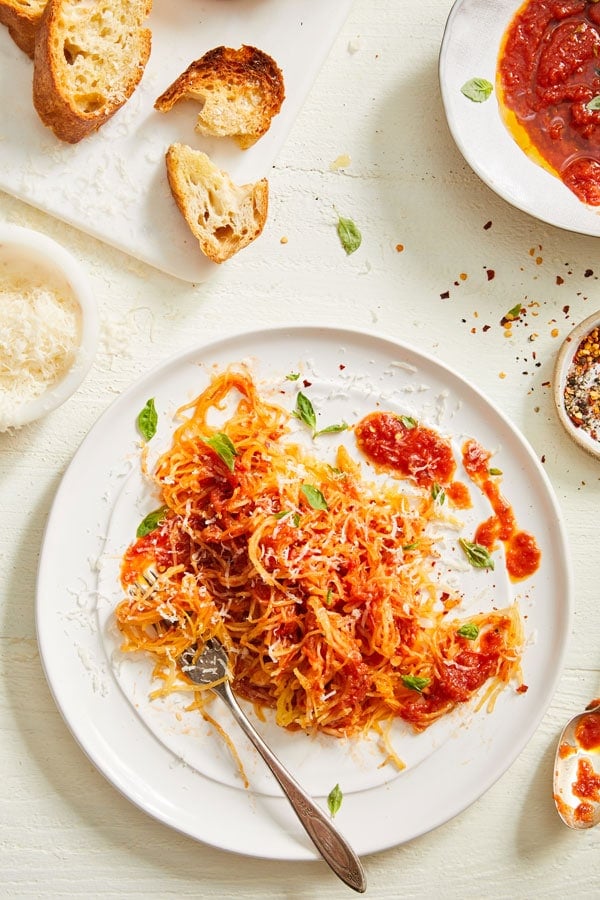
1. Classic Spaghetti Squash with Marinara Sauce
This dish transforms roasted spaghetti squash into tender strands that look like pasta. You coat them with a simple marinara sauce made from tomatoes, garlic, and herbs.
The recipe takes less than an hour to make. Roast the squash until it becomes soft and easy to shred with a fork.
Marinara sauce has a bright, fresh flavor that lets the squash’s natural taste shine. Add parmesan cheese and fresh basil on top for extra flavor.

2. Spaghetti Squash Pad Thai
This recipe swaps traditional rice noodles for roasted spaghetti squash strands. You get all the bold Thai flavors with fewer carbs and more vegetables.
The squash provides a mild base that soaks up the sauce made from peanut butter, tamarind, and fish sauce. Add protein like chicken, shrimp, or tofu along with bean sprouts and crushed peanuts.
Once you’ve roasted your squash, the dish comes together quickly. It works well for weeknight dinners when you want something flavorful but lighter than takeout.

3. Cheesy Spaghetti Squash Casserole
This casserole turns spaghetti squash into a filling main dish. Combine roasted squash strands with ground beef or pork and marinara sauce.
Add three types of cheese for a rich, creamy texture. You can add vegetables like bell peppers or onions to boost nutrition.
Some versions use Greek yogurt and sharp cheddar for a lighter take. Top everything with more cheese and bake until golden and bubbly.

4. Garlic Parmesan Roasted Spaghetti Squash
This recipe transforms spaghetti squash into a rich, flavorful side dish. Roast the squash until tender, then toss the strands with butter, minced garlic, and freshly grated Parmesan cheese.
The combination creates a low-carb alternative to traditional pasta dishes. You can prepare this meal in under an hour with basic ingredients.
The garlic adds a savory depth, and the Parmesan brings a salty, nutty flavor. The squash strands soak up these flavors when roasted properly.

5. Spaghetti Squash with Pesto and Cherry Tomatoes
This recipe brings together roasted spaghetti squash strands with fresh basil pesto and juicy cherry tomatoes. The nutty squash pairs with the bright, herby flavor of pesto.
The dish works well as a light main course or a side dish. Use store-bought pesto to save time, or make homemade if you have fresh basil.
The cherry tomatoes add sweetness and color. Finish with grated Parmesan cheese for extra richness.

6. Spaghetti Squash and Meatball Bake
This recipe takes classic comfort food and makes it lighter. Roast spaghetti squash until tender, then toss the strands with marinara sauce and meatballs.
Top everything with mozzarella cheese and bake until melted and golden. The squash soaks up the sauce like regular pasta.
Make this dish gluten-free by using gluten-free breadcrumbs in your meatballs. It’s ready in about 40 minutes, perfect for busy weeknights.

7. Asian-Inspired Spaghetti Squash Stir Fry
Swap traditional noodles for spaghetti squash in your next stir fry. This low-carb dish combines roasted squash strands with fresh vegetables and protein like tofu, chicken, or turkey.
The sauce typically includes tamari or soy sauce, rice vinegar, garlic, and ginger. Some versions add peanut butter for extra flavor.
Cook your spaghetti squash first. Stir fry your vegetables and protein in a large skillet, then toss everything together with the sauce and squash noodles.

8. Spaghetti Squash Primavera with Fresh Vegetables
Spaghetti squash primavera offers a lighter take on the classic pasta dish. The squash strands work well with any vegetables you have on hand.
Add bell peppers, zucchini, tomatoes, and fresh herbs. Some recipes include a quick marinara sauce, while others use olive oil and garlic.
The dish takes about 30 minutes once your squash is cooked. Top it with mozzarella or feta cheese for extra flavor.

9. Stuffed Spaghetti Squash with Italian Sausage
This dish turns spaghetti squash into a complete meal. Roast the squash halves until tender, then fill them with cooked Italian sausage and vegetables.
The sausage adds rich flavor while spinach, tomatoes, and mushrooms boost nutrition. Top everything with mozzarella cheese before baking.
Use mild or spicy Italian sausage based on your taste. The squash serves as both the pasta replacement and the serving bowl.

10. Spaghetti Squash Alfredo with Mushrooms
This dish gives you all the creamy comfort of traditional Alfredo without the heaviness. Roast the spaghetti squash until tender, then scrape out the strands.
The mushrooms add a meaty texture that makes the meal more filling. Use any mushrooms you like, but portobellos work especially well.
The Alfredo sauce combines butter, cream, and Parmesan cheese with garlic for flavor. You can also make a lighter version with cashew cream or soy milk.
Spaghetti Squash Nutrition and Health Benefits
Spaghetti squash delivers a range of essential nutrients while keeping calories low. It stands out as a smart choice for anyone looking to boost their vitamin intake or cut carbs.
Key Vitamins and Minerals
Spaghetti squash provides several important vitamins your body needs daily. A one-cup serving contains significant amounts of vitamin C, which supports your immune system and helps your body heal wounds.
You’ll also get vitamin B6, which plays a role in brain development and function. The mineral content includes potassium, which helps regulate your blood pressure and supports proper muscle function.
Manganese is another key mineral found in spaghetti squash that aids in bone formation and blood sugar regulation. You’ll find smaller amounts of other beneficial nutrients like folate, niacin, and pantothenic acid.
The squash also contains fiber, which supports digestive health and helps you feel full longer. One cup of cooked spaghetti squash delivers about 2.2 grams of fiber.
Calorie Comparison With Traditional Pasta
Spaghetti squash contains roughly 40 calories per cup when cooked. Traditional pasta has about 200 calories per cup, making spaghetti squash an 80% lower-calorie option.
The carbohydrate difference is equally dramatic. One cup of spaghetti squash has around 10 grams of carbs, while the same amount of regular pasta contains approximately 40 grams.
Traditional pasta does offer more protein at 7 grams per cup compared to spaghetti squash’s 1 gram per cup. You can easily add protein through toppings like chicken, turkey, or beans to create a balanced meal.
Tips for Cooking Spaghetti Squash Perfectly
Roasting in the oven produces the best texture and prevents sogginess. Quick-cooking methods like the microwave and Instant Pot offer convenient alternatives when you’re short on time.
Roasting Methods
Cut your spaghetti squash in half lengthwise and scoop out all the seeds with a spoon. Rub olive oil on the inside flesh and sprinkle with salt.
Place the halves cut-side down on a baking sheet. Roast at 400°F for 40-50 minutes.
The squash is done when you can easily pierce the skin with a fork. Let the squash cool for 5-10 minutes after roasting.
Use a fork to scrape the flesh, pulling from the edges toward the center to create long noodle-like strands. The strands should separate easily and have a slightly al dente texture.
Microwave and Instant Pot Techniques
For microwave cooking, pierce the whole squash several times with a knife to create vents. Microwave on high for 10-12 minutes, turning halfway through.
Let it cool before cutting and removing the seeds. The Instant Pot offers another quick option.
Cut the squash in half and remove the seeds. Pour 1 cup of water into the pot and place the halves on a trivet.
Cook on high pressure for 7 minutes, then quick release. Both methods cook faster than roasting but may produce softer strands.
Check your squash at the minimum cooking time to avoid overcooking. These methods work well when you’re adding the squash to sauces or casseroles where texture matters less.
Frequently Asked Questions
Cooking with spaghetti squash raises common questions about preparation methods, cooking times, and flavor combinations. These answers address the most practical concerns when making this versatile vegetable.
What are some easy spaghetti squash recipes for a quick dinner?
Classic Spaghetti Squash with Marinara Sauce takes about 40 minutes from start to finish. Roast the squash, scrape out the strands, and top with your favorite jarred or homemade marinara.
Garlic Parmesan Roasted Spaghetti Squash is another quick option. Toss the cooked strands with butter, minced garlic, and grated parmesan in under 45 minutes total.
For an even faster meal, microwave the squash halves for 10-12 minutes instead of roasting. This cuts your cooking time in half while still giving you tender, noodle-like strands.
How can I make a healthy spaghetti squash dish for weight loss?
Spaghetti squash naturally contains fewer calories and carbohydrates than regular pasta. One cup of spaghetti squash has about 40 calories compared to 200 calories in the same amount of cooked pasta.
Skip heavy cream sauces and cheese-heavy toppings to keep your dish light. Use marinara sauce, fresh vegetables, and lean proteins like grilled chicken or shrimp.
Spaghetti Squash with Pesto and Cherry Tomatoes offers a lighter option when you use a smaller amount of pesto. Add extra vegetables like zucchini, bell peppers, or spinach to increase volume without adding many calories.
Can you suggest unique ways to prepare spaghetti squash?
Spaghetti Squash Pad Thai gives you an Asian-inspired twist on the traditional vegetable. Toss the squash strands with a tangy peanut sauce, bean sprouts, and crushed peanuts for a different flavor profile.
Use spaghetti squash as a pizza crust alternative by pressing the cooked strands into a pan and baking until crispy. Top with sauce, cheese, and your favorite toppings.
Make spaghetti squash fritters by mixing the strands with eggs, cheese, and herbs, then pan-frying them until golden. You can also stuff the squash shells after scraping out the cooked strands and use them as edible bowls.
What are the top 10 spaghetti squash recipes?
Classic Spaghetti Squash with Marinara Sauce ranks as a top choice because it’s simple and familiar. Spaghetti Squash Pad Thai offers an exciting Asian fusion option.
Cheesy Spaghetti Squash Casserole combines comfort food appeal with vegetable nutrition. Garlic Parmesan Roasted Spaghetti Squash delivers rich flavor with minimal ingredients.
Spaghetti Squash with Pesto and Cherry Tomatoes provides a fresh, herbaceous option. Other popular recipes include spaghetti squash carbonara, buffalo chicken stuffed squash, Mexican-style squash boats, alfredo-topped squash, and Asian stir-fry variations.
How do I roast spaghetti squash perfectly?
Cut the squash in half lengthwise and scoop out the seeds. Brush the cut sides with olive oil and place them cut-side down on a baking sheet.
Roast at 400°F for 35-45 minutes depending on the size of your squash. The squash is done when you can easily pierce the skin with a fork and the flesh is tender.
Let the squash cool for 5-10 minutes before handling. Use a fork to scrape the flesh, which will naturally separate into spaghetti-like strands.
What ingredients can I add to enhance the flavor of spaghetti squash?
Garlic, butter, and parmesan cheese create a classic combination that enhances the squash’s mild, slightly sweet taste. Fresh herbs like basil, parsley, or thyme add brightness and aroma.
You can boost flavor with sun-dried tomatoes, capers, olives, or roasted red peppers. Red pepper flakes, black pepper, and Italian seasoning add spice and depth.
Sautéed onions, mushrooms, or bell peppers give your dish more texture and savory notes. Lemon juice or zest brightens the overall flavor.
A drizzle of quality olive oil adds richness.