
Spanish cuisine stands out for its bold flavors, simple preparation methods, and regional variety.
From the coastal areas to the mountain villages, each part of Spain has contributed dishes that have become favorites around the world.
These recipes rely on quality ingredients and traditional cooking techniques that have been used for generations.
You can bring the authentic taste of Spain into your own kitchen with recipes that range from small plates to hearty main dishes and desserts.
Learning to make these dishes will give you a good understanding of Spanish cooking methods and the key ingredients that make these meals special.
The recipes included cover everything from basic tapas to more complex dishes that work well for gatherings or everyday meals.
1. Classic Spanish Paella
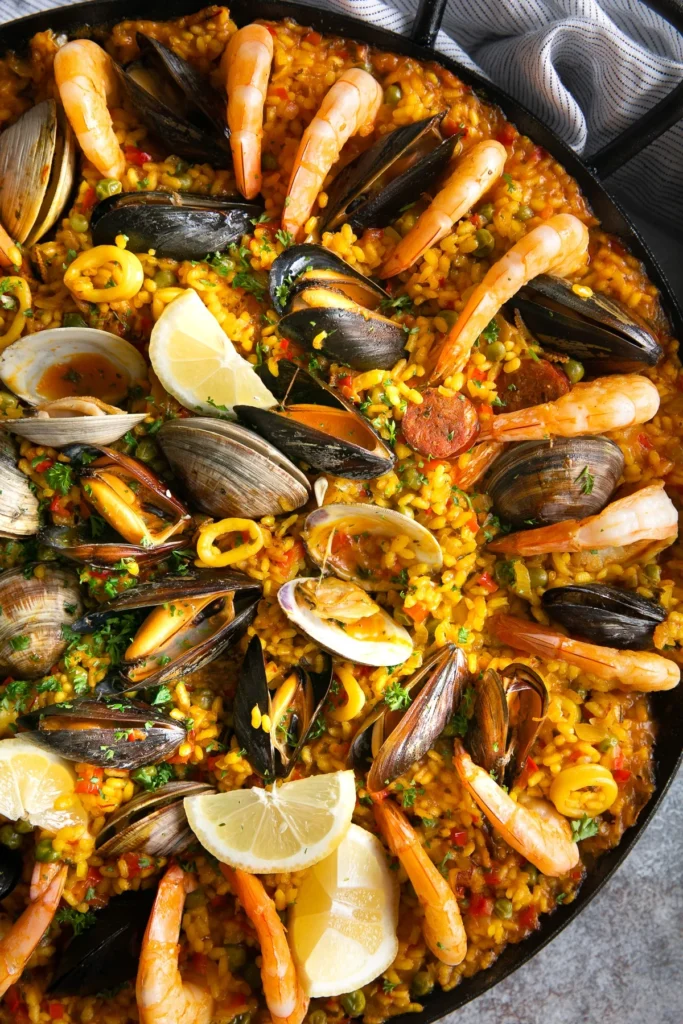
Paella brings the flavors of Valencia to your table in one colorful pan.
You’ll cook rice with saffron, which gives the dish its golden color and rich taste.
The traditional version uses chicken, rabbit or pork, and green beans.
You can also make it with seafood like shrimp and mussels.
Spanish chorizo adds a smoky flavor that makes the dish stand out.
The key is getting a crispy bottom layer of rice called socarrat.
Let the rice cook without stirring at the end to create socarrat.
2. Tortilla Española (Potato Omelet)
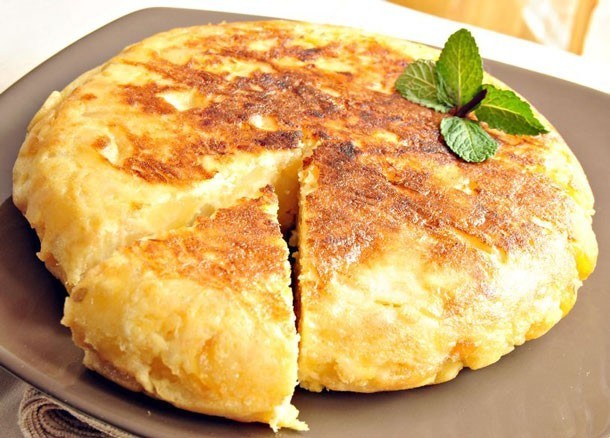
Tortilla Española is a classic Spanish dish that uses just a few basic ingredients.
You’ll need eggs, potatoes, onions, olive oil, and salt.
Cook the potatoes and onions slowly in olive oil until they become soft and tender.
Mix them with beaten eggs and cook everything together in a pan.
The result is a thick, hearty omelet that works for any meal.
You can serve it warm, at room temperature, or cold.
It’s popular as tapas or as a light main dish.

3. Patatas Bravas
Patatas bravas ranks as one of Spain’s most popular tapas dishes.
You’ll find crispy fried potatoes served with a spicy tomato sauce that gives them their bold flavor.
The dish gets its name from the bravas sauce, which adds a smoky and slightly spicy kick.
Many recipes also include a creamy garlic aioli on top or on the side.
You can make this tapas classic at home with just potatoes, oil, and a simple sauce.
The key is getting the potatoes crispy on the outside while keeping them tender inside.

4. Gazpacho Andaluz
You’ll love this cold soup from southern Spain’s Andalusia region.
Gazpacho Andaluz blends ripe tomatoes, cucumbers, and peppers into a refreshing dish that needs no cooking.
The recipe is simple.
Combine fresh vegetables with olive oil and vinegar, then chill before serving.
It’s perfect for hot summer days when you want something light and healthy.
You can make it in minutes with a blender and fresh ingredients from your kitchen.

5. Pulpo a la Gallega (Galician Octopus)
Pulpo a la Gallega comes from Spain’s northwestern region of Galicia.
This simple dish features tender octopus slices topped with olive oil, sea salt, and smoked paprika.
You’ll find this popular tapa served throughout Spain today.
The recipe uses just a few basic ingredients but delivers bold flavor.
Cook the octopus until it becomes tender.
Serve it on a wooden plate for an authentic presentation.

6. Chorizo al Vino (Chorizo in Red Wine)
This classic Spanish tapas dish combines smoky chorizo sausage with red wine for a rich, flavorful appetizer.
You’ll find it served in tapas bars throughout Spain, especially in La Rioja where it originated.
Fry sliced chorizo in olive oil, then simmer it in red wine with garlic and bay leaves.
The wine creates a savory sauce that pairs perfectly with the spicy sausage.
Serve your chorizo al vino tinto with crusty bread for dipping.
It works well as a standalone snack or as part of a larger tapas spread.

7. Pimientos de Padrón
These small green peppers from northwest Spain are one of the easiest tapas you can make at home.
You only need three ingredients: Padrón peppers, olive oil, and flaky sea salt.
Heat olive oil in a pan until hot, then fry the peppers until their skins blister.
Sprinkle them with sea salt and serve immediately.
Most peppers are mild, but you’ll occasionally get a spicy one.
If you can’t find Padrón peppers, shishito peppers work as a substitute.
The whole dish takes about five minutes to prepare.

8. Croquetas de Jamón (Ham Croquettes)
These crispy, golden croquettes are a staple on Spanish tapas menus throughout the country.
You’ll find them in bars and restaurants everywhere.
The croquettes feature a creamy béchamel sauce mixed with Serrano ham.
They’re coated in breadcrumbs and fried until the outside becomes perfectly crispy while the inside stays smooth and rich.
You can make them at home with simple ingredients like butter, milk, flour, ham, and breadcrumbs.
They work well as appetizers or snacks for any gathering.

9. Fabada Asturiana (Asturian Bean Stew)
Fabada Asturiana is a classic bean stew from the Asturias region in northern Spain.
This hearty dish features white beans simmered slowly with chorizo, morcilla, and pork.
The beans become creamy and tender during the long cooking process.
The meats add a smoky, rich flavor that makes this stew perfect for cold weather.
You can make fabada in one pot, though it takes several hours of simmering.

10. Crema Catalana
Crema Catalana is Spain’s answer to crème brûlée, featuring a smooth custard base infused with citrus and cinnamon.
You’ll find this traditional Catalan dessert easier to make than you might think, as it comes together entirely on the stovetop.
The custard gets its signature flavor from lemon zest and cinnamon sticks.
Finish it with a layer of caramelized sugar that creates a satisfying crack when you tap it with your spoon.
You can prepare this dessert a day ahead, making it practical for dinner parties.
Essential Spanish Cooking Ingredients
Spanish cooking relies on a few key ingredients that create the foundation of its authentic flavors.
Quality olive oil, the right spices like paprika and saffron, and various beans and legumes form the backbone of traditional dishes from paella to hearty stews.
Olive Oil Varieties
Extra virgin olive oil is the most important ingredient in Spanish cooking.
You’ll use it for everything from frying to drizzling over finished dishes.
Spain produces more olive oil than any other country in the world.
The flavor varies by region and olive type.
Arbequina olives create a mild, fruity oil that works well for delicate dishes.
Picual olives make a stronger, more bitter oil that holds up to high heat cooking.
Common Uses:
- Sautéing vegetables and meats
- Making sofrito (the flavor base for many dishes)
- Drizzling over bread, soups, and salads
- Deep frying foods like churros and croquetas
Keep two bottles in your kitchen.
Use a basic extra virgin olive oil for cooking and save a high-quality oil for finishing dishes.
The better oil makes a real difference when you can taste it directly.
Paprika and Saffron
Pimentón (Spanish paprika) comes in three types: sweet (dulce), bittersweet (agridulce), and hot (picante).
Spanish paprika is smoked, which gives it a deeper flavor than regular paprika.
The sweet version is what you’ll use most often in recipes.
You’ll find pimentón in chorizo, patatas bravas sauce, and countless stews.
It adds both color and a rich, smoky taste.
Saffron threads are expensive but essential for authentic paella and other rice dishes.
You only need a small pinch per dish.
The threads come from crocus flowers and give food a golden color and subtle floral flavor.
Buy threads instead of powder to avoid fake products.
Toast saffron threads lightly in a dry pan, then steep them in warm water or broth before adding to your recipe.
This releases the most flavor and color.
Beans and Legumes
Chickpeas, white beans, and lentils appear in Spanish cooking throughout the year.
Chickpeas go into cocido (a traditional stew) and are served in tapas dishes.
White beans make up the base of fabada asturiana, a rich bean stew from northern Spain.
Lentils cook quickly and show up in soups and side dishes.
You can buy dried or canned versions.
Dried beans have better texture but need soaking overnight.
Canned beans save time and still taste good in most recipes.
Spanish cooks also use fava beans fresh in spring dishes.
Black-eyed peas and kidney beans appear less often but still have their place in regional recipes.
Keep dried chickpeas and white beans in your pantry as staples for authentic Spanish meals.
Traditional Techniques for Spanish Cuisine
Spanish cooking builds its flavors through simple but essential methods that transform basic ingredients into memorable dishes.
Mastering sofrito and proper braising will give your Spanish recipes the authentic taste that makes this cuisine stand out.
Sofrito Preparation
Sofrito forms the flavor foundation for countless Spanish dishes.
You make it by slowly cooking onions, garlic, and tomatoes in olive oil until they break down into a rich, concentrated base.
Start by heating olive oil in a wide pan over medium-low heat.
Add finely chopped onions and cook them for 8-10 minutes until they turn soft and translucent.
Keep the heat moderate so nothing burns.
Next, add minced garlic and cook for one minute until fragrant.
Then add grated or diced tomatoes and reduce the heat to low.
Let the mixture cook for 20-30 minutes, stirring occasionally.
Key elements of proper sofrito:
- Use quality olive oil as your cooking fat
- Keep temperatures low to prevent burning
- Allow enough time for flavors to develop
- The mixture should become thick and jammy
Some regions add bell peppers or paprika to their sofrito.
The end result should smell sweet and rich, with no raw tomato taste remaining.
Simmering and Braising Methods
Spanish stews and rice dishes rely on gentle, prolonged cooking to build deep flavors.
You need patience and the right temperature to get tender meat and perfectly cooked grains.
For braising meat, brown it first in olive oil to create a flavorful crust.
Remove the meat and build your sofrito in the same pan to capture those browned bits.
Return the meat to the pan with liquid and cook covered at a bare simmer for 1-3 hours depending on the cut.
Temperature guidelines:
- Braising: low heat with occasional small bubbles
- Rice dishes: medium heat initially, then very low
- Stews: gentle simmer without vigorous boiling
When making paella or other rice dishes, add the rice to your prepared sofrito and toast it briefly.
Then add hot stock all at once and resist stirring.
The rice cooks undisturbed, allowing a crispy bottom layer to form.
Frequently Asked Questions
Spanish cooking focuses on fresh ingredients and simple techniques that create bold flavors.
Many classic dishes require just a few basic items and can fit any skill level or occasion.
What are some traditional dishes to try when exploring Spanish cuisine?
Start with paella, which combines rice with seafood or meat and saffron.
Tortilla Española offers a simple potato and egg combination that works for any meal.
Gazpacho Andaluz is a cold tomato soup perfect for warm weather.
Patatas Bravas are fried potatoes served with spicy tomato sauce.
Pulpo a la Gallega features tender octopus with paprika and olive oil.
These dishes represent different regions of Spain and show the variety of Spanish cooking.
How can I prepare a simple Spanish meal with minimal ingredients?
Tortilla Española needs only potatoes, eggs, olive oil, and salt.
You cook sliced potatoes in oil until soft, then mix them with beaten eggs and cook until set.
This dish works for breakfast, lunch, or dinner.
Gazpacho requires tomatoes, cucumber, bell pepper, garlic, olive oil, and vinegar.
You blend everything together and chill before serving.
Both dishes take under 30 minutes to make and use ingredients you can find at any grocery store.
What are some popular Spanish main courses for a dinner party?
Paella makes an impressive centerpiece that feeds many people. You can choose seafood, chicken and rabbit, or vegetarian versions based on your guests’ preferences.
The dish cooks in one large pan and creates a social atmosphere.
Pulpo a la Gallega works well as a starter or main course. You can prepare it ahead of time and serve it at room temperature.
These dishes look beautiful and taste authentic without requiring advanced cooking skills.
Where can I find classic and authentic recipes from Spain?
Look for recipes that list basic ingredients and traditional cooking methods. Authentic Spanish recipes avoid complicated steps and focus on quality ingredients like olive oil, garlic, and paprika.
Check sources that explain regional variations and cooking techniques. Spanish recipes should emphasize simplicity rather than elaborate preparations.
The best recipes tell you about the dish’s origin and how Spanish families actually cook it.
Can you suggest some easy-to-make Spanish dishes suitable for students?
Tortilla Española costs very little to make and provides protein and carbohydrates in one dish. You can eat it hot or cold and store leftovers in the refrigerator for several days.
Gazpacho needs no cooking at all if you have a blender. Patatas Bravas uses affordable potatoes and basic pantry items for the sauce.
These dishes require minimal equipment and work in small kitchens with limited space.
What are some characteristic dishes of the Spanish Mediterranean culinary tradition?
Mediterranean Spanish cooking uses olive oil, fresh vegetables, and seafood. Gazpacho comes from Andalusia in southern Spain and showcases ripe tomatoes and peppers.
Paella originated in Valencia on the eastern coast and combines rice with local ingredients. These dishes feature bright colors and fresh flavors.
They use ingredients that grow well in the region. The cooking methods stay simple to preserve the natural taste of each ingredient.