
Summer soups offer a perfect way to enjoy light meals during warm weather. Many people think soup is only for cold days, but the right recipes can keep you cool and satisfied when temperatures rise.
You can make soups with fresh seasonal produce that tastes great whether served hot or cold. Summer soups can be refreshing alternatives to heavy meals while making the most of ingredients like tomatoes, cucumbers, corn, and fresh herbs.
These recipes work well for quick weeknight dinners or can be prepared ahead of time. You’ll find options that include both chilled varieties and lighter warm soups that won’t heat up your kitchen.
This collection includes recipes using vegetables at their peak flavor, from creamy avocado blends to bright gazpachos and vegetable-packed options. You’ll also learn how to pick the best ingredients and store your soups properly.
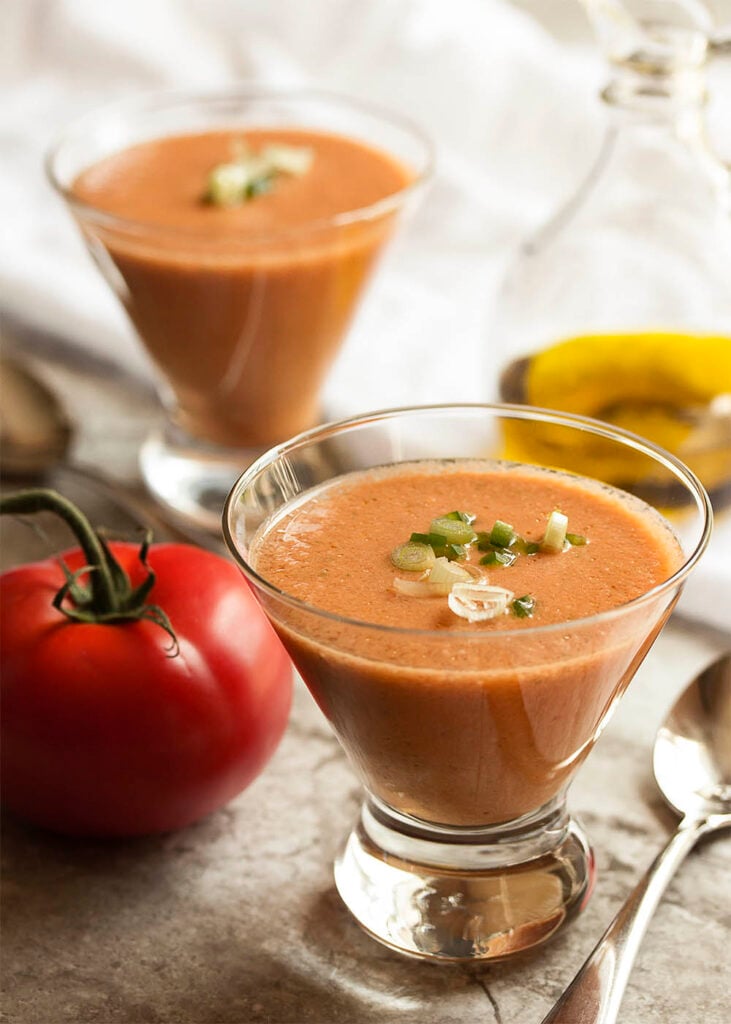
1. Chilled Gazpacho with Fresh Tomatoes and Cucumbers
Gazpacho is a cold Spanish soup that makes the perfect choice for hot summer days. You blend ripe tomatoes with cucumbers, bell peppers, and onions to create this refreshing dish.
You don’t need to cook anything. Simply chop your vegetables, blend most of them smooth, and chill the mixture in your fridge.
You can make a big batch using garden-fresh tomatoes when they’re at their peak. The soup tastes even better after it sits for a few hours, allowing all the flavors to blend together.

2. Summer Corn and Zucchini Soup
This soup brings together two garden favorites in one bowl. You can make it as a light broth-based soup or turn it into a creamy chowder.
Fresh corn kernels and diced zucchini form the base. Many recipes add potatoes, onions, and carrots for extra substance.
You can prepare it in under 30 minutes with basic ingredients. Some versions include bacon for a savory touch, while others keep it vegetarian and let the sweet corn and mild zucchini shine through.

3. Cold Cucumber and Greek Yogurt Soup
This no-cook soup requires just a few ingredients and comes together in about 15 minutes. You blend fresh cucumbers with Greek yogurt, fresh herbs like dill, and a splash of lemon juice.
The result is a light and creamy soup that keeps you cool on hot days. You can add garlic, walnuts, or red onion for extra flavor.
Serve it chilled with a garnish of cucumber pieces and fresh herbs. This soup works well as a quick lunch or refreshing appetizer.

4. Light Summer Minestrone with Seasonal Vegetables
Summer minestrone is a lighter version of the classic Italian soup that highlights fresh produce from the season. You can fill it with zucchini, tomatoes, green beans, corn, and yellow squash.
The soup uses a clear broth instead of a heavy base. You add white beans and small pasta like ditalini to make it filling.
Fresh basil gives the soup its bright flavor. You can serve it hot or at room temperature, which makes it work well for outdoor meals.

5. Chilled Avocado and Lime Soup
This cold soup brings together ripe avocados and fresh lime juice for a smooth, creamy dish. You can make it in about 15 minutes without any cooking.
The avocados create a thick texture on their own. The lime juice adds a bright, tangy flavor that balances the richness.
You’ll blend the ingredients together until smooth. Common additions include garlic, cilantro, and cucumber.
Some recipes call for yogurt or vegetable broth to thin the soup to your preferred consistency. Serve it cold on warm days as an appetizer or light meal.

6. Sweet Pea and Mint Soup
This bright green soup brings together two simple ingredients that work perfectly as a pair. Sweet peas and fresh mint create a light, refreshing dish that fits warm weather meals.
You can make this soup in about 30 minutes using fresh or frozen peas. The recipe is straightforward and requires basic kitchen tools.
Serve it warm for lunch or chilled on hot afternoons. The natural sweetness of peas balances with the cooling taste of mint.

7. Tomato and Basil Vichyssoise
This chilled soup puts a fresh spin on the classic vichyssoise by adding ripe tomatoes and fragrant basil. You can serve it cold on warm summer evenings when you want something light and refreshing.
The combination of tomatoes and basil creates a balanced flavor that works well together. This soup requires minimal cooking, which makes it easy to prepare ahead of time.
You simply let it chill in your refrigerator before serving. It’s a practical way to use seasonal tomatoes from your garden or local market.

8. Roasted Red Pepper and Tomato Summer Chowder
This chowder brings together sweet roasted red peppers and ripe tomatoes in a creamy, satisfying bowl. You can roast your own peppers for a smoky flavor or use jarred ones to save time.
The soup works well when summer produce is at its peak. You get natural sweetness from the peppers and bright acidity from the tomatoes.
It’s easy to make in large batches for freezing. Serve it with crusty bread for a simple summer meal.

9. Watermelon and Feta Gazpacho
This chilled soup brings a fruity twist to traditional Spanish gazpacho. You blend fresh watermelon with tomatoes, bell peppers, and cucumbers to create a smooth, refreshing dish.
The combination works because watermelon adds natural sweetness while feta cheese provides a salty contrast. You can serve it cold during hot summer days when you want something light.
You just blend raw vegetables with watermelon, then top each bowl with crumbled feta and fresh herbs before serving.

10. Cold Carrot and Ginger Soup
This chilled soup brings together sweet carrots and warming ginger for a refreshing summer meal. You’ll cook carrots with onions and fresh ginger in vegetable broth until tender, then blend everything until smooth.
The soup gets its creamy texture from coconut milk or yogurt. Add a splash of lemon juice and season with salt and pepper to taste.
Chill the soup before serving for the best flavor. It works as a light lunch or starter on hot days.
How to Choose the Best Ingredients for Summer Soups
The right ingredients transform a simple summer soup into something memorable. Focus on picking produce at its peak ripeness and pairing ingredients that complement each other in flavor and texture.
Seasonal Produce Selection
Summer vegetables deliver the most flavor when you buy them in season. Tomatoes should feel heavy for their size and smell sweet at the stem end.
Avoid any with soft spots or wrinkled skin. Zucchini and summer squash need firm flesh with no mushy areas.
The skin should look bright and feel smooth. Smaller squash taste better than large ones, which can be watery and bitter.
Corn tastes best when the husks look fresh and green. Pull back a small section to check that the kernels are plump and milky.
Fresh corn loses sweetness quickly after picking, so use it within a day or two.
Best vegetables for summer soups:
- Tomatoes
- Cucumbers
- Zucchini
- Summer squash
- Corn
- Green beans
- Bell peppers
Pick fresh herbs in the morning when their oils are strongest. Basil, mint, and cilantro work well in summer soups.
The leaves should look vibrant with no brown edges or wilting.
Balancing Flavors and Textures
Summer soups need lighter proteins instead of heavy meats. Seafood, fish, turkey, and chicken work better than beef or lamb.
These proteins cook quickly and don’t weigh down the soup. Mix soft and crunchy ingredients to create interest in each bite.
If your soup has tender cooked tomatoes, add diced cucumber or croutons for contrast. Creamy soups benefit from a garnish of toasted seeds or nuts.
Balance rich ingredients with bright flavors. Add lemon juice or vinegar to cream-based soups.
Fresh herbs cut through heaviness and add a clean finish. A spoonful of yogurt on top can provide tang and creaminess at once.
Consider serving temperature when you select ingredients. Cold soups need bold flavors since chilling dulls taste.
Add extra herbs, citrus, or spices to gazpacho and other chilled soups.
Serving and Storing Summer Soups
Cold soups taste best when properly chilled, and all summer soups stay fresh longer with the right storage methods. Understanding how to handle these dishes ensures you enjoy peak flavor and texture.
Chilling Techniques for Refreshing Soups
Cold soups need at least 4 hours in the refrigerator to reach the right temperature. Place your soup in a shallow container to speed up the cooling process.
For faster chilling, set your soup bowl over an ice bath before refrigerating. Stir the soup occasionally to help it cool evenly throughout.
Quick chilling methods:
- Use an ice bath with a ratio of 2 parts ice to 1 part water
- Spread soup in a wide, flat container to increase surface area
- Add frozen fruit like melon cubes to gazpacho for instant cooling
Never put hot soup directly into the refrigerator. Let it cool at room temperature for 30 minutes first to avoid raising your fridge’s internal temperature.
Cold soups taste sharper when served ice-cold. Keep serving bowls in the freezer for 15 minutes before plating.
Make-Ahead and Storage Tips
Most summer soups taste better the next day as flavors blend together. Store your soup in airtight containers in the refrigerator for up to 4 days.
Freeze soup in portions using freezer-safe containers or bags. Leave 1 inch of space at the top since liquids expand when frozen.
Label each container with the date and type of soup.
Storage guidelines:
| Soup Type | Refrigerator | Freezer |
|---|---|---|
| Broth-based | 3-4 days | 2-3 months |
| Cream-based | 2-3 days | 1 month |
| Gazpacho | 2-3 days | Not recommended |
Add fresh garnishes like herbs, cream, or croutons just before serving. These toppings lose their texture and color when stored with the soup.
Frequently Asked Questions
Summer soups work well for vegetarians, health-focused eaters, and fans of international cuisines, with options ranging from cold blended vegetables to light broths packed with seasonal produce.
What are some easy vegetarian summer soup recipes?
Cold cucumber and Greek yogurt soup requires just a few ingredients and no cooking. You blend cucumbers with yogurt, herbs, and seasonings until smooth.
Chilled avocado and lime soup comes together quickly in a blender. You combine ripe avocados, vegetable broth, lime juice, and cilantro for a creamy result.
Summer corn and zucchini soup uses fresh vegetables from the market. You sauté the vegetables briefly, add broth, and simmer until tender.
How can I make a healthy summer soup that’s both delicious and refreshing?
Start with fresh vegetables as your base instead of cream or heavy dairy products. Tomatoes, cucumbers, zucchini, and bell peppers add flavor without extra calories.
Use Greek yogurt or a small amount of avocado for creaminess instead of heavy cream. These ingredients add protein and healthy fats while keeping the soup light.
Add fresh herbs like basil, cilantro, or mint at the end of cooking. Lemon or lime juice brightens the flavors without adding fat or calories.
Can you suggest some popular Indian soup recipes for hot weather?
Tomato rasam is a tangy, spiced broth made with tomatoes, tamarind, and curry leaves. This thin soup aids digestion and tastes best served warm or at room temperature.
Cucumber raita soup is a cold, yogurt-based option seasoned with cumin and mint. You blend yogurt with grated cucumber, thin it with water, and season with roasted cumin powder.
Moong dal soup uses split yellow lentils cooked with turmeric and ginger. This light protein-rich soup works well served slightly warm rather than hot.
What are the best Italian soups to enjoy during summer?
Light summer minestrone skips the heavy beans and pasta found in winter versions. You use fresh tomatoes, green beans, zucchini, and small amounts of pasta or rice.
Pappa al pomodoro is a Tuscan bread and tomato soup served at room temperature. You combine ripe tomatoes with day-old bread, garlic, basil, and olive oil.
Stracciatella soup is an egg-drop style soup with a light broth base. You drizzle beaten eggs into hot chicken or vegetable broth and add fresh spinach or other greens.
What is a good recipe for a cold soup to beat the summer heat?
Chilled gazpacho with fresh tomatoes and cucumbers is a classic choice. Blend ripe tomatoes, cucumbers, bell peppers, onion, garlic, olive oil, and vinegar until smooth or slightly chunky.
Chill the soup for at least two hours before serving. Letting the soup sit in the refrigerator helps the flavors blend together.
Top with diced vegetables, croutons, or a drizzle of olive oil before serving. These garnishes add texture and make the presentation more appealing.
How do I prepare a summer vegetable soup as suggested by Jamie Oliver?
Jamie Oliver focuses on using whatever vegetables are in season at your local market. Start by sautéing onions and garlic in olive oil until soft.
Add chopped summer vegetables like zucchini, tomatoes, and green beans to the pot. Pour in vegetable or chicken stock and simmer until the vegetables are tender but not mushy.
Finish with fresh basil, a squeeze of lemon, and good quality olive oil. Serve this soup warm or let it cool to room temperature.