
Irish cooking centers on simple ingredients and straightforward methods that create filling, satisfying meals. These dishes rely on staples like potatoes, cabbage, butter, lamb, beef, and fresh dairy to build flavors that have fed families for generations.
The recipes work well for everyday dinners or special celebrations. You will find hearty stews, savory pies, homemade breads, and rustic desserts that bring warmth to any table.
Each dish uses ingredients you likely already have in your kitchen and techniques that anyone can master. This collection guides you through classic Irish meals from main courses to desserts.
You will also learn about the cultural roots of these dishes and get practical tips for cooking them the right way. Whether you want to mark a special occasion or simply enjoy good food, these recipes give you a taste of Ireland’s culinary traditions.
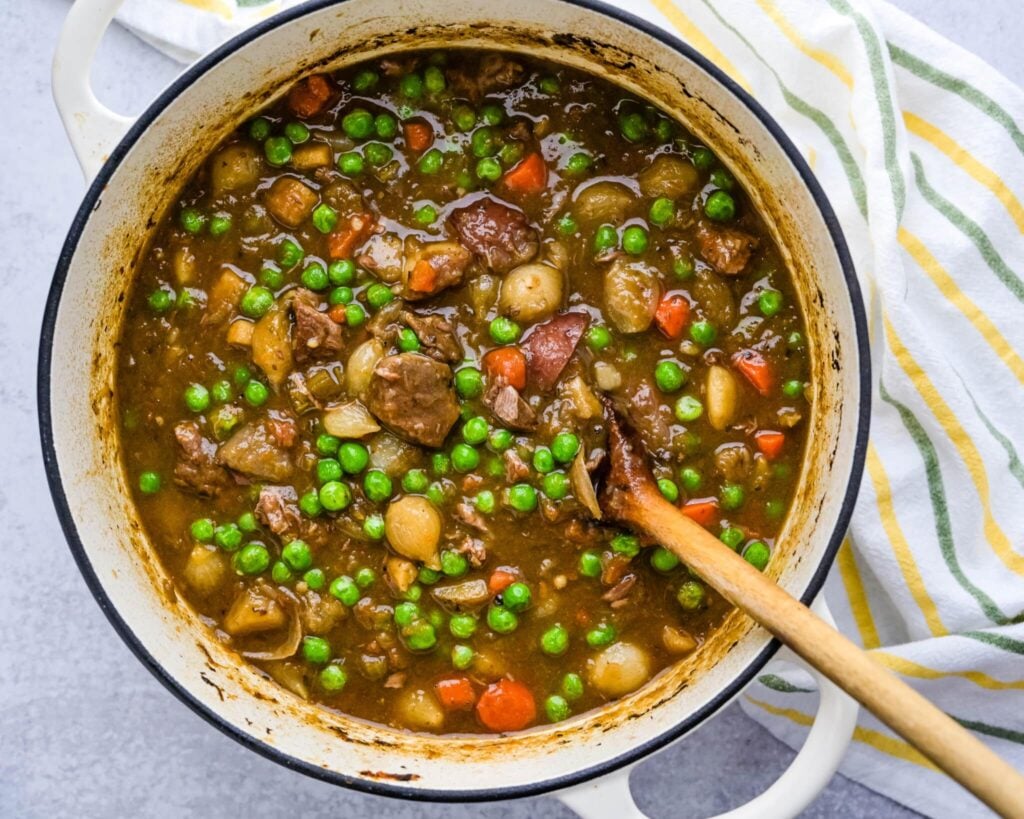
1. Irish Stew with Lamb and Root Vegetables
Irish stew is a simple, warming dish that has fed Irish families for generations. You make it with tender lamb shoulder, potatoes, carrots, and onions simmered in a rich broth.
The key is using quality lamb and letting it cook slowly. Root vegetables like parsnips and leeks add depth to the stew.
Season with salt, pepper, and fresh rosemary for authentic flavor. You can serve this stew with crusty bread or Irish soda bread on the side.

2. Traditional Colcannon with Cabbage and Potatoes
Colcannon is a classic Irish dish that combines creamy mashed potatoes with tender cabbage or kale. You make it by mixing hot, fluffy potatoes with sautéed cabbage, butter, and cream.
The name comes from the Irish term “cál ceannann,” which means “white-headed cabbage.” You’ll need basic ingredients like potatoes, cabbage, butter, and green onions.
This dish works well as a side for Irish stew or corned beef. You can serve it year-round, though it’s especially popular on St. Patrick’s Day.

3. Homemade Irish Soda Bread
You can make authentic Irish soda bread with just four basic ingredients. You need flour, baking soda, salt, and buttermilk.
The baking soda reacts with the buttermilk to help the bread rise. This means you don’t need yeast or any waiting time for the dough to proof.
You can mix and bake this bread in under an hour. The crust turns crisp and golden while the inside stays soft and tender.
The bread has a mild tangy flavor from the buttermilk that pairs well with soups and stews.

4. Shepherd’s Pie with Ground Lamb
Shepherd’s pie is a classic Irish comfort dish that features savory ground lamb as its base. You’ll cook the lamb with vegetables like peas, carrots, and onions in a rich gravy.
The mixture gets topped with a thick layer of creamy mashed potatoes. You bake everything until the potato topping turns golden brown.
The dish is hearty and filling, perfect for cold evenings. Traditional recipes use lamb rather than beef, which gives the pie its distinctive flavor.

5. Dublin Coddle with Sausages and Bacon
Dublin Coddle is a traditional Irish stew that brings together sausages, bacon, potatoes, and onions in a simple one-pot meal. The dish comes from Dublin’s working-class kitchens, where cooks used basic ingredients they had on hand.
You layer thick-cut bacon and pork sausages with sliced potatoes and onions, then simmer everything in broth until tender. The gentle cooking process gives the stew its name, which comes from the word meaning to boil gently.
This hearty dish works well for cold evenings when you want something filling and easy to make.

6. Boxty Potato Pancakes
Boxty is a traditional Irish potato pancake that combines both grated raw potatoes and mashed potatoes. You’ll get crispy, golden edges on the outside while the inside stays fluffy and tender.
The dish is sometimes called poundy or Irish potato cakes. You can serve boxty for breakfast, lunch, or dinner with various toppings.
Making boxty is simple and uses basic ingredients like flour, buttermilk, and potatoes. It’s a practical way to use leftover mashed potatoes if you have them on hand.

7. Corned Beef and Cabbage
Corned beef and cabbage is a classic Irish dish that brings comfort to your dinner table. You simmer tender corned beef brisket with spices, then add carrots, potatoes, and cabbage to create a complete meal.
This dish works well for feeding a crowd or enjoying a simple family dinner. You can make it in a Dutch oven or large pot with minimal effort.
The slow cooking method ensures your beef turns out tender while the vegetables absorb the savory flavors. Serve it with mustard on the side for an authentic touch.

8. Rustic Irish Apple Cake
This traditional dessert brings together simple ingredients for a comforting treat. You’ll find tender apple chunks mixed into a lightly spiced cake that’s perfect with afternoon tea.
The recipe comes from Irish countryside kitchens where bakers used seasonal apples and basic pantry staples. You can serve it warm with custard sauce or enjoy it plain.
The cake has a golden crust and moist crumb. It features cinnamon and nutmeg for warmth without being too sweet.

9. Baileys Irish Cream Cheesecake
Baileys Irish Cream Cheesecake brings together the smooth flavor of Irish cream liqueur with rich, creamy cheesecake filling. You can make this dessert with either a chocolate cookie crust or a traditional graham cracker base.
The cheesecake gets baked slowly in a water bath to create a silky texture. After baking, you top it with chocolate ganache made with Baileys for extra flavor.
This dessert works well for St. Patrick’s Day celebrations or any special occasion. You’ll need to plan ahead since the cheesecake requires several hours of chilling time after baking.

10. Beef and Guinness Stew
This hearty stew is a staple in Irish pubs across Dublin. You’ll find tender chunks of beef simmered slowly with root vegetables in a rich Guinness gravy.
The dark stout adds a deep flavor that sets this apart from regular beef stew. It balances the meat’s richness with a slightly bitter undertone.
You can thicken the sauce with a bit of flour to get a gravy-like texture instead of a thin, watery broth. Serve it with crusty bread for a satisfying meal.
The Cultural Significance of Traditional Irish Cuisine
Traditional Irish cuisine reflects centuries of adaptation, community values, and resourcefulness shaped by the island’s climate and social history. The foods that define Irish cooking today emerged from both necessity and celebration.
Roots in Irish History
Irish cooking developed through periods of prosperity and hardship that shaped what people ate. During the 18th and 19th centuries, most Irish families relied on simple ingredients they could grow or raise themselves.
Potatoes became central to the Irish diet because they grew well in Ireland’s cool, wet climate and could feed large families from small plots of land. The Great Famine of the 1840s changed Irish food culture forever.
After the potato blight destroyed crops, families who survived often emigrated and took their recipes with them. Those who stayed adapted by diversifying their crops and preserving traditional cooking methods.
Many classic Irish recipes use basic ingredients like cabbage, turnips, and oats. These foods were affordable and practical for working families.
Meat, especially lamb and pork, appeared less frequently and was often saved for special occasions or shared in communal stews.
Influence of Regional Ingredients
Ireland’s geography created distinct regional cooking styles based on what grew or lived nearby. Coastal communities built their meals around fish, shellfish, and seaweed.
You’ll find recipes for oysters, mussels, and salmon that have been prepared the same way for generations. Inland farming regions focused on dairy products and grain-based foods.
Irish butter, particularly from grass-fed cows, became famous for its rich yellow color and creamy taste. Soda bread emerged as a staple because it didn’t require yeast, which was expensive and hard to store.
Key Regional Ingredients:
- Coastal areas: Fresh fish, dulse (seaweed), shellfish
- Western regions: Lamb, root vegetables, wild game
- Eastern farmlands: Dairy products, wheat, barley
- Northern counties: Oats, potatoes, preserved meats
The quality of Irish dairy and meat comes from animals that graze on grass year-round. This grazing gives Irish ingredients their distinctive flavor that you can taste in traditional dishes.
Seasonal and Festive Celebrations
Irish food traditions revolve around the seasons and religious calendar. Sunday dinners remain important family gatherings where you’ll find roasted meats, potatoes, and vegetables served together.
These weekly meals strengthen family bonds and pass recipes to younger generations. Christmas brings its own food customs, including spiced beef, Christmas pudding, and mince pies.
Many families start preparing their Christmas pudding in November, giving it time to age. St. Patrick’s Day traditionally meant eating simple foods like bacon and cabbage rather than the elaborate feasts you see today.
Harvest time in autumn called for meals that used fresh produce before winter. You would make apple cakes, preserves, and hearty stews to celebrate the bounty.
Winter required preserved foods like salted fish, cured meats, and root vegetables stored in cellars.
Techniques and Tips for Authentic Irish Cooking
Irish cooking relies on simple methods that let quality ingredients shine, from slow stewing tough cuts of meat to baking bread without yeast. You’ll get better results when you understand how traditional techniques work and why Irish cooks choose specific ingredients.
Essential Cooking Methods
Stewing forms the backbone of Irish cooking. You need to brown your meat first, then cook it low and slow in liquid for several hours.
This method turns tough cuts like lamb shoulder or beef chuck into tender, flavorful meals. Irish stew traditionally uses only water, not stock, to let the meat and vegetables create their own flavor.
Baking soda bread requires a light hand. You should mix the dough just until combined, never overwork it.
The chemical reaction between buttermilk and baking soda creates the rise, so you must get your bread in the oven quickly after mixing. Boiling and mashing potatoes correctly makes a real difference.
You want to drain them completely and let steam escape before mashing. Add warm butter and milk gradually while mashing to get smooth, fluffy results.
Cold additions make potatoes gluey.
Selecting Traditional Irish Ingredients
Start with floury potatoes like Maris Piper or Russet for mashing and baking. Waxy potatoes work better for boiling whole or in stews.
Buttermilk gives Irish soda bread its distinctive tang and tender crumb. You can make a substitute by adding one tablespoon of lemon juice or vinegar to regular milk, but real buttermilk tastes better.
Choose fatty cuts of meat for traditional dishes. Irish cooking developed around tougher, cheaper cuts that need long cooking times.
Lamb neck, pork shoulder, and beef brisket all work well. Root vegetables like carrots, parsnips, and turnips appear in many recipes.
Pick firm vegetables without soft spots. Fresh cabbage should feel heavy and dense.
Modern Twists on Classic Recipes
You can update traditional recipes without losing their character. Irish whiskey glazes add depth to roasted chicken or pork.
The alcohol cooks off while the flavor concentrates. Boxty (potato pancakes) work as a base for tacos or as a side for modern proteins.
The potato texture pairs well with bold flavors from other cuisines. Try adding herbs and spices that weren’t common in old recipes.
Fresh thyme enhances lamb dishes. Smoked paprika gives depth to potato soup.
These additions respect the original dish while updating the flavor profile for current tastes.
Frequently Asked Questions
Traditional Irish cooking often raises questions about proper ingredients, cooking methods, and authentic preparation techniques. These answers will help you create genuine Irish dishes with confidence.
What are the key ingredients in classic Irish stew?
Classic Irish stew requires lamb or mutton as the main protein. You’ll need potatoes, onions, and carrots for the vegetables.
The stew uses water or stock, fresh thyme, and parsley for seasoning. Traditional recipes keep things simple with just these basic ingredients.
Some cooks add turnips or parsnips, but the original version stays minimal.
How do I make a traditional Irish soda bread?
Traditional Irish soda bread needs four basic ingredients: flour, baking soda, salt, and buttermilk. Mix the dry ingredients together first, then add the buttermilk until you form a soft dough.
Shape the dough into a round loaf and cut a deep cross on top. This cross helps the bread cook evenly and lets the fairies out, according to Irish tradition.
Bake at 425°F for about 30 to 40 minutes. The bread sounds hollow when you tap it.
Can you suggest a simple recipe for corned beef and cabbage?
Place your corned beef brisket in a large pot and cover it with water. Add the spice packet that comes with the meat.
Bring it to a boil and simmer for about 2.5 to 3 hours. Add quartered cabbage, potatoes, and carrots during the last 30 minutes of cooking.
The vegetables soak up the flavors from the meat as they cook. Let the meat rest for 10 minutes before slicing it against the grain.
What are some traditional Irish desserts to serve after dinner?
Irish apple cake makes a perfect ending to any meal. This simple dessert combines tart apples with a buttery cake base and often includes a dusting of sugar on top.
Bread pudding appears frequently on Irish tables, using leftover bread with eggs, milk, sugar, and dried fruit. Porter cake offers another option, made with dark Irish beer, dried fruits, and warm spices.
Irish cream-based desserts also work well for modern celebrations.
How do you prepare a Dublin Coddle?
Dublin Coddle starts with sliced pork sausages and bacon that you layer with onions and potatoes. Place everything in a heavy pot or Dutch oven with fresh parsley and black pepper.
Pour in enough stock or water to almost cover the ingredients. Cover the pot tightly and cook on low heat for about 2 hours.
Everything becomes tender as it cooks. The cooking liquid creates a simple gravy that brings all the flavors together.
What is a typical Irish breakfast recipe?
A traditional Irish breakfast includes bacon rashers, pork sausages, eggs, black pudding, and white pudding.
You’ll also serve grilled tomatoes, mushrooms, and baked beans on the side.
Irish soda bread or regular toast completes the meal.
Fry or grill the meats first.
Then cook your eggs however you prefer.
Serve everything on one plate for a filling start to the day.