
Salvadoran cuisine brings together native ingredients and European influences to create bold, comforting dishes that tell the story of El Salvador’s rich cultural heritage.
This complete guide explores 21 essential Salvadoran dishes that showcase the country’s most beloved flavors, from famous pupusas to traditional soups and sweet treats.
You’ll discover hearty corn-based meals, flavorful meat dishes, and refreshing drinks that make up the heart of Salvadoran cooking.
These recipes use simple ingredients like corn, beans, cheese, and fresh vegetables to create dishes that locals eat every day and visitors always remember.
1. Pupusas
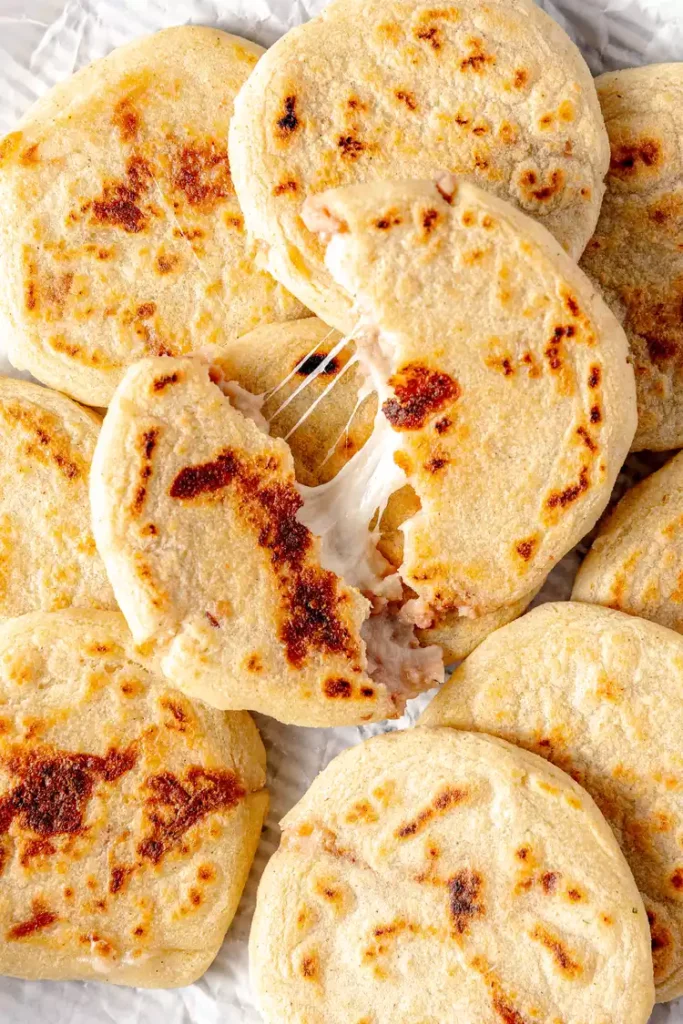
Pupusas are the heart of Salvadoran cuisine.
Cooks hand-make these thick corn tortillas and stuff them with delicious fillings.
You’ll find them filled with cheese, beans, or chicharrón.
They shape the masa dough from corn flour by hand.
Cooks grill them until golden and crispy on the outside.
The cheese inside becomes gooey and melted.
Pupusas come with curtido, a tangy cabbage slaw, and tomato sauce.
They’re El Salvador’s national dish and perfect for any meal.

2. Tamales
Salvadoran tamales are wrapped in banana leaves instead of corn husks.
This gives them a special flavor that makes them different from Mexican tamales.
The masa is made from corn and filled with chicken, pork, or vegetables.
You can also find sweet versions called tamales de elote made with fresh corn and sugar.
These tamales take hours to steam.
The banana leaves keep them moist and add an earthy taste you won’t find anywhere else.

3. Yuca Frita con Chicharrón
You’ll find this dish at street corners and parks across El Salvador.
Vendors serve crispy fried cassava with curtido and salsa in bags.
The yuca comes in two forms.
It can be cut into fries or shaped into “enredos,” which means yuca knots.
Chicharrón adds the perfect crunch.
These are deep-fried pork skins or pork belly pieces that top the tender cassava.
You get a mix of textures and flavors.
The soft yuca pairs with crispy pork and tangy cabbage salad.

4. Quesadilla Salvadorena
Don’t confuse this with Mexican quesadillas.
Quesadilla Salvadoreña is a sweet cheese bread that tastes more like moist pound cake.
You’ll find this traditional treat made with cheese, rice flour, and sugar.
The texture is light and fluffy with a rich, sweet flavor.
Salvadorans enjoy it for breakfast, as an afternoon snack, or dessert.
You can pair it perfectly with hot coffee for an authentic Central American experience.

5. Sopa de Res
Sopa de Res is a hearty Salvadoran beef soup that brings families together.
You’ll find this traditional dish served mainly at lunch in local markets and homes.
The soup starts with beef bones or chunks simmered to create a rich broth.
Vegetables like corn, carrots, yuca, cabbage, plantains, and zucchini are added for flavor and nutrition.

6. Empanadas de Leche
These sweet pastries are a beloved Salvadoran treat.
The dough is made from ground plantain that gets molded into oval shapes.
The filling is a creamy vanilla custard made with milk and sugar.
Some recipes add cornmeal to thicken the mixture.
You’ll find these empanadas served as breakfast, dessert, or a snack.
They’re often sprinkled with sugar or cinnamon on top.
The golden-brown pastries are baked until crispy outside but soft inside.

7. Pan con Pollo
Pan con Pollo is El Salvador’s most beloved chicken sandwich.
You’ll find this comfort food at family gatherings and street stalls across the country.
The sandwich features tender stewed chicken in a rich tomato-based sauce.
Fresh vegetables like lettuce and tomatoes add crunch and flavor.
You can make it using slow-cooked seasoned chicken or save time with rotisserie chicken.
The key is the flavorful tomato sauce that soaks into the crusty bread.

8. Pastelitos
Pastelitos are crispy, deep-fried turnovers that rank among El Salvador’s most beloved street foods.
You’ll find these golden pastries made with seasoned corn masa dough.
The filling typically combines ground meat with potatoes and spices.
You can choose chicken, pork, or beef varieties.
These half-moon shaped pastries get their distinctive orange color from annatto seasoning.
The corn flour base creates a unique texture different from wheat-based empanadas.
You’ll often see pastelitos served with curtido and tomato salsa at street vendors throughout El Salvador.
9. Curtido
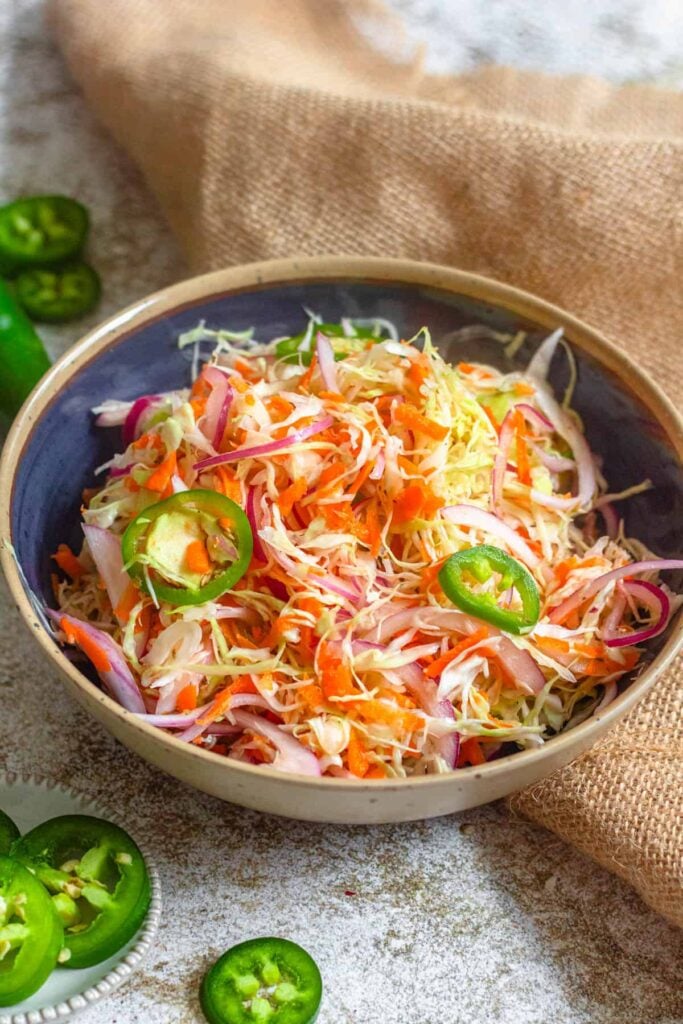
Curtido is a tangy cabbage slaw that you’ll find served with most Salvadoran dishes.
This pickled relish combines shredded cabbage, carrots, and onions in a vinegar-based brine.
You’ll taste hints of oregano and spice in this crunchy condiment.
The fermented slaw adds a refreshing kick to heavy meals.
Curtido is essential when you eat pupusas, but you can also enjoy it with tacos or grilled meats.
This versatile side dish brightens any plate with its sharp, zesty flavor.

10. Elote Loco
Elote Loco means “crazy corn” in English.
This popular street food uses a whole corn cob as its base.
You’ll find vendors cooking the corn by boiling or grilling it first.
They don’t add salt during cooking to keep the corn sweet.
The toppings make this dish special.
Vendors cover the corn with mayonnaise, mustard, ketchup, and cheese.
Some add salsa negra for extra flavor.
You can find Elote Loco at fairs and street vendors throughout El Salvador.

11. Atol de Elote
Atol de Elote is a traditional Salvadoran corn drink you’ll find in households across the country.
This creamy beverage uses fresh corn kernels as its main ingredient.
You blend corn with water, then strain the mixture.
The liquid gets cooked with milk, sugar, and spices to create a smooth texture.
You can enjoy this sweet drink warm or cold.
Many families serve it during festivals and special gatherings.
The drink provides a rich corn flavor that’s both comforting and nutritious.

12. Chicha
Chicha is a traditional fermented drink that holds deep roots in Salvadoran culture.
You’ll find this beverage made from corn, rice, or other grains.
The drink has a slightly sweet and tangy flavor.
Some versions contain alcohol while others remain non-alcoholic.
You can buy chicha from street vendors throughout El Salvador.
Many families also make their own versions at home using passed-down recipes.
This refreshing drink pairs well with spicy Salvadoran foods.

13. Huevos a la Flamenca
You’ll find this Spanish egg dish popular in El Salvador’s fusion cuisine.
The recipe combines eggs with tomatoes, bell peppers, and chorizo.
You bake everything together in a rich tomato sauce.
The dish gets its name from Spain’s flamenco region.
You can make it for breakfast or dinner.
The eggs cook right in the sauce with vegetables and meat.
You’ll taste bold flavors from paprika and garlic.
Many cooks add peas and ham for extra flavor.

14. Mariscada
Mariscada is El Salvador’s beloved seafood stew that brings ocean flavors to your table.
This hearty dish combines various types of fresh seafood in a rich, creamy broth.
The base uses milk and cream, seasoned with vegetables and spices.
You’ll find shrimp, clams, squid, crab, and fish swimming together in this delicious soup.
Salvadorans traditionally serve mariscada with chilaquiles – fried corn tortillas filled with cheese.

15. Platanos Fritos
Platanos fritos are sweet fried plantains that appear on tables across El Salvador.
You make them by slicing ripe plantains and frying them until golden brown.
The outside becomes crispy while the inside stays soft and sweet.
You can eat them as a side dish with beans and rice.
They also work well as a snack on their own.
Many Salvadoran families serve platanos fritos with crema and cuajada cheese for extra flavor.

16. Sopa de Frijoles
You’ll find this hearty bean soup in almost every Salvadoran home.
It’s one of El Salvador’s national dishes and a true comfort food.
The soup uses red beans as its base.
You cook them until they’re soft and tender.
Most recipes include pork bones or ribs for extra flavor.
Traditional cooks add vegetables like yuca, pipián, and chiles.
The soup gets rich flavor from slow cooking over several hours.
You can make it creamy or chunky based on your taste.

17. Sopa de Gallina India
This traditional Salvadoran chicken soup uses free-range chickens called gallina india.
The chickens give the broth a rich, deep flavor.
You cook the chicken slowly with fresh vegetables like carrots, potatoes, and herbs.
The long cooking process creates a hearty, flavorful soup.
Salvadoran families serve this soup at celebrations and special occasions.
The soup combines tender chicken pieces with a clear, aromatic broth.
You can add different vegetables based on what you have available.
18. Enchiladas Salvadoreñas
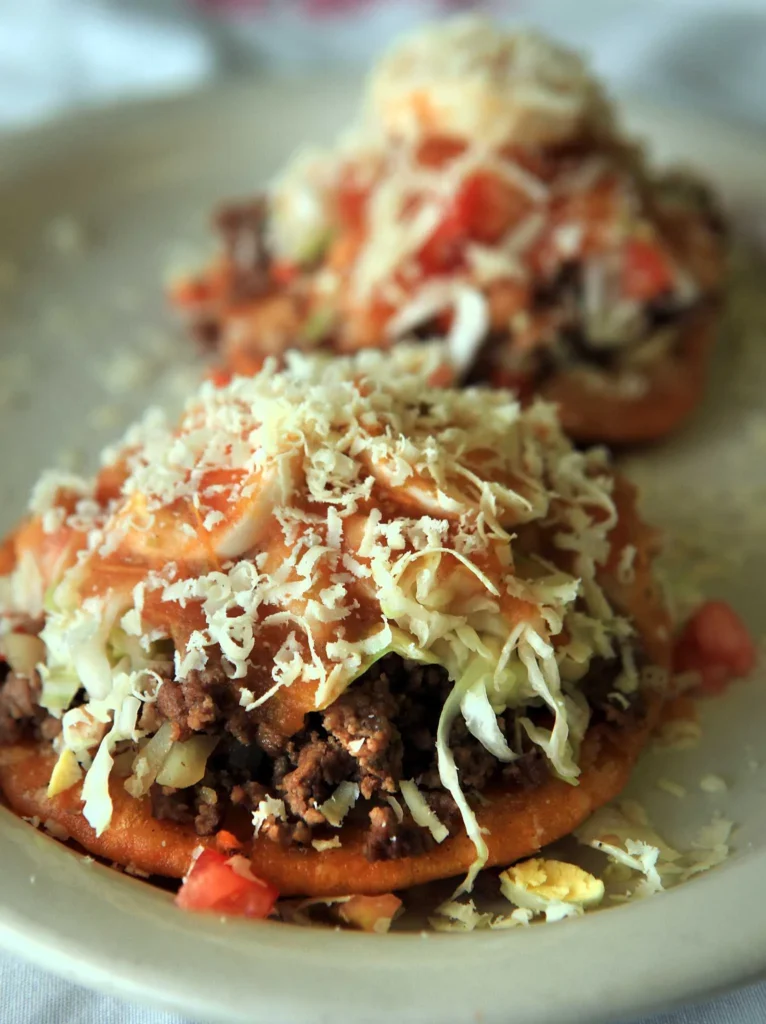
You’ll find these enchiladas are very different from Mexican versions.
They look more like tostadas than rolled tortillas.
The base is a crispy corn tortilla.
You top it with seasoned ground beef or chicken.
Traditional toppings include curtido, which is pickled cabbage slaw.
You also add tomato sauce, cheese, and sliced boiled eggs.
These make perfect street food or casual meals.

19. Carne Asada
You’ll find carne asada at the heart of Salvadoran grilling culture.
This dish features beef steak marinated in citrus juices, garlic, and spices.
The meat gets grilled over an open flame until tender.
You can use flank steak or skirt steak for best results.
Your marinade should include lime juice, soy sauce, and cilantro.
Let the beef soak for at least four hours before cooking.
Serve your carne asada with warm tortillas, rice, and beans.
Add grilled onions and cilantro on top for extra flavor.

20. Pollo Guisado
Pollo Guisado is El Salvador’s beloved chicken stew.
You’ll find this dish at Christmas celebrations and special occasions.
The recipe combines chicken with rich spices and vegetables.
Many cooks add potatoes or tender corn to make it hearty.
You marinate the chicken first with seasonings like adobo and Worcester sauce.
Then you brown it in a pot before adding the stewing liquid.

21. Baleadas
Baleadas are actually a traditional Honduran dish, not Salvadoran.
You might find them served alongside Salvadoran food at some restaurants.
This popular street food uses a flour tortilla filled with refried beans and cheese.
The tortilla gets folded over the filling.
You can add extras like avocado, eggs, or meat.
Baleadas make a filling breakfast or snack.
While not truly Salvadoran, you’ll see them on many Central American restaurant menus.
Cultural Roots of Salvadoran Cuisine
Salvadoran food combines native indigenous ingredients with Spanish colonial cooking methods.
These cultural influences created the unique flavors and dishes you find in El Salvador today.
Indigenous and Colonial Influences
The foundation of Salvadoran cuisine comes from indigenous groups who lived in the region for thousands of years. These native people used corn, beans, and chili peppers as their main ingredients.
Corn was the most important food. Indigenous cooks made tortillas, tamales, and other corn-based dishes that you still eat today.
When Spanish colonizers arrived in the 1500s, they brought new ingredients and cooking methods. They introduced rice, pork, beef, and chicken to local kitchens.
The Spanish also brought dairy products like cheese and cream. These ingredients mixed with native foods to create new dishes.
Key Indigenous Ingredients:
- Corn (maiz)
- Black beans
- Chili peppers
- Tomatoes
- Cacao
Spanish Additions:
- Pork and beef
- Rice
- Cheese
- Onions
- Garlic
You can see this blend of cultures in pupusas. They use indigenous corn masa filled with Spanish cheese.
Culinary Traditions and Social Gatherings
Food plays a central role in Salvadoran family life and community events. Meals bring people together and strengthen social bonds.
Sunday family dinners are important traditions. Extended families gather to share large meals with multiple dishes.
These meals can last for hours. Special occasions feature specific foods.
During Christmas, families make tamales together. This cooking process takes all day and involves multiple generations working side by side.
Pupusas are often made for weekend gatherings. Family members sit around the comal (griddle) and eat fresh pupusas as they cook.
Street food culture is also important. Vendors sell food at markets, festivals, and on street corners.
This makes traditional dishes available to everyone in the community. Food preparation often happens in groups.
Women traditionally gather to make large batches of tortillas or prepare ingredients for big celebrations.
Essential Cooking Techniques
Salvadoran cooking relies on time-tested methods that maximize flavor while using simple tools. Corn, beans, and traditional spices form the foundation of most dishes.
Traditional Preparation Methods
Nixtamalization is the most important technique in Salvadoran cooking. You soak dried corn in lime water to remove the hull.
This process makes masa for pupusas and tortillas. Clay pot cooking gives dishes their authentic taste.
You use clay pots called “ollas” for beans, stews, and rice. The clay adds earthy flavors you can’t get from metal pots.
Wood-fired cooking creates the signature smoky taste. Traditional kitchens use wood stoves for grilling meats and cooking beans.
The smoke penetrates the food during long cooking times. Hand grinding produces the best textures.
You use a volcanic stone called “metate” to grind corn, spices, and chiles. This creates smoother masa than machine grinding.
Slow simmering develops deep flavors in soups and stews. You cook dishes like sopa de res for several hours.
This breaks down tough meats and blends all the flavors together.
Key Ingredients and Their Uses
Masa harina serves as the base for pupusas, tamales, and tortillas. You mix it with warm water and salt.
The dough should feel soft but not sticky. Loroco is a green flower bud that adds a unique taste to pupusas.
You can’t substitute this ingredient easily. It has a nutty, slightly bitter flavor that defines Salvadoran food.
Curtido appears on every table as the main condiment. You make it with cabbage, carrots, onions, and vinegar.
This pickled mixture cuts through rich, heavy foods. Achiote seeds give food a red color and mild pepper taste.
You grind them into paste or fry whole seeds in oil. This ingredient colors rice, meats, and sauces.
Frequently Asked Questions
People often have questions about preparing pupusas at home, finding traditional dishes like tamales and sopa de res, and locating authentic recipes for Salvadoran desserts.
What are the traditional dishes to try when exploring Salvadoran cuisine?
Pupusas are the national dish made from corn dough filled with cheese, beans, or meat. You should try tamales wrapped in banana leaves with savory fillings.
Yuca frita con chicharrón combines fried cassava with crispy pork. Quesadilla Salvadoreña is a sweet bread dessert, not the Mexican cheese version.
Sopa de res is a hearty beef soup with vegetables. Curtido serves as the traditional pickled cabbage side dish for most meals.
How can one make authentic pupusas at home?
You need masa de maíz (corn flour) mixed with warm water to form the dough. Add salt to taste and knead until smooth.
Roll the dough into balls and flatten them. Add your filling like cheese, beans, or meat in the center.
Fold the edges over the filling and flatten again carefully. Cook on a hot griddle for 3-4 minutes per side until golden.
What are some must-try Salvadoran desserts for a sweet experience?
Quesadilla Salvadoreña is a sweet pound cake-style bread with cheese. Tres leches cake soaked in three types of milk is very popular.
Nuegados are fried dough balls covered in sugar syrup. Semita papalota is a layered cake with jam and powdered sugar.
Atol de elote is a warm corn drink that works as dessert. Empanadas de leche are sweet pastries filled with milk custard.
Can you recommend some simple Salvadoran recipes for beginners?
Start with basic cheese pupusas using store-bought masa harina. Mix the flour with water, add cheese filling, and cook on a pan.
Try making curtido by mixing shredded cabbage with vinegar and oregano. Let it sit overnight for the best flavor.
Yuca frita is easy – boil cassava until tender, then fry until golden. Serve with salt and lime juice.
Most menus feature pupusas with different fillings like cheese, beans, and chicharrón. You will find tamales and yuca frita as main dishes.
Soups include sopa de res and sopa de pollo. Rice and beans appear as side dishes with most meals.
Drinks include horchata, tamarindo, and fresh fruit juices. Quesadilla Salvadoreña and flan are common dessert options.
Where can I find recipes to recreate Salvadoran dishes authentically?
Look for Salvadoran cookbooks that focus on traditional family recipes. Many include step-by-step instructions for pupusas and tamales.
Salvadoran cooks often share authentic recipes on online sites. Check community forums where people post family recipes.
Visit Salvadoran restaurants and ask about cooking methods. Some chefs share basic techniques for home cooking.