
Polish food brings warmth and comfort to any table with its rich flavors and filling ingredients. The dishes from Poland have been passed down through families for many years.
Each recipe tells a story of tradition and uses simple ingredients to create amazing meals. These 21 authentic Polish recipes will help you make delicious traditional dishes in your own kitchen.
You will learn to cook everything from famous pierogi and hearty stews to sweet treats and warming soups. The recipes include classic comfort foods like cabbage rolls and potato pancakes, along with special occasion desserts that Polish families have enjoyed for generations.
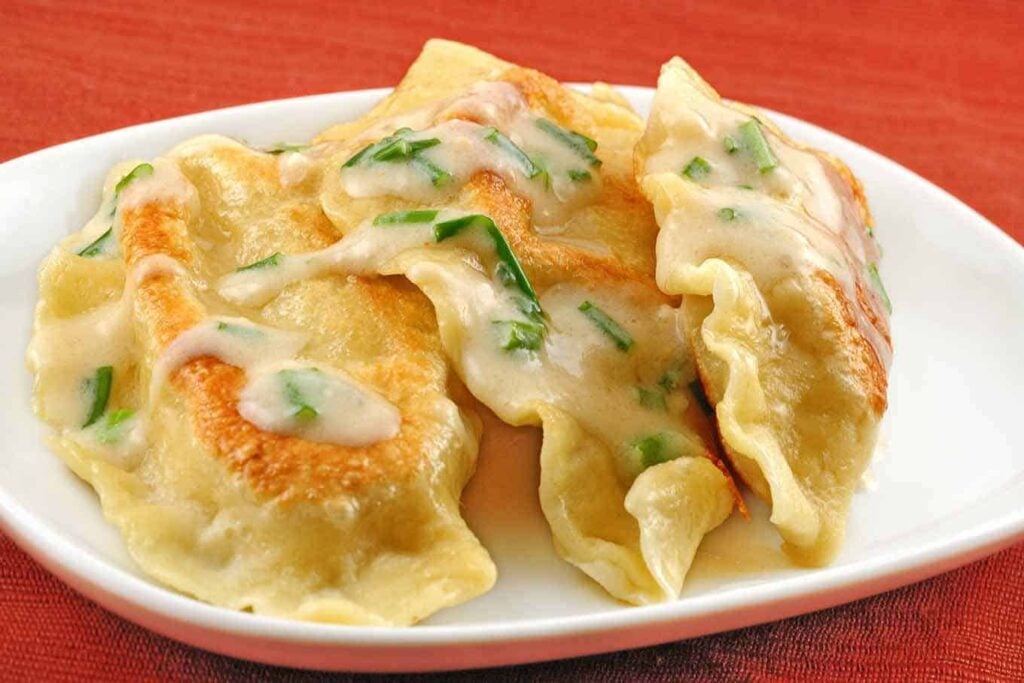
1. Pierogi with Potato and Cheese Filling
These dumplings are Poland’s most famous comfort food. You make them with simple dough wrapped around creamy potato and cheese filling.
The filling combines mashed potatoes with farmer’s cheese or cottage cheese. Many recipes add sautéed onions for extra flavor.
You boil the pierogi first, then pan-fry them in butter until golden. Serve them with caramelized onions, sour cream, or crispy bacon bits.
These versatile dumplings work as a main dish or side. You can freeze them for later meals too.
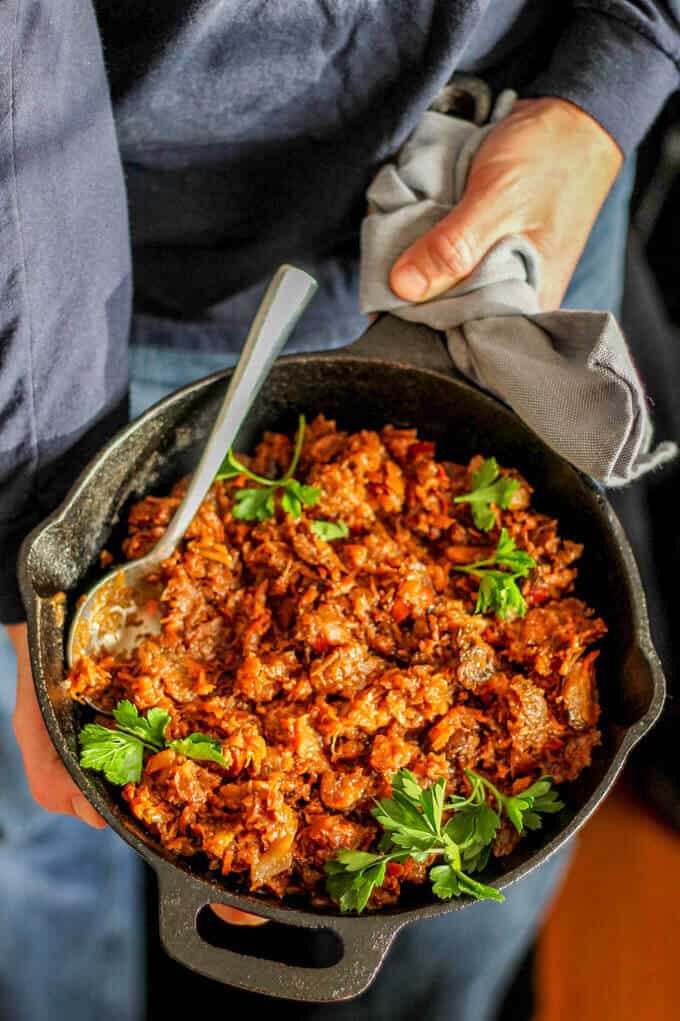
2. Traditional Bigos (Hunter’s Stew)
Bigos is Poland’s most famous stew. You’ll find this hearty dish in every Polish kitchen.
The base combines sauerkraut with fresh cabbage. You add various meats like kielbasa, bacon, and pork.
Wild mushrooms give it deep flavor. Dried plums and apples add sweetness.
You slow-cook everything together for hours. This creates rich, complex flavors that get better each day.
Polish families pass down their own recipes. Each version is slightly different but equally delicious.

3. Kielbasa Sausage with Sauerkraut
This classic Polish dish pairs smoky kielbasa with tangy sauerkraut. You can make it in one pan for easy cleanup.
The recipe takes about 30 minutes to prepare. Simply slice the kielbasa into thick pieces and cook it with the sauerkraut.
You can serve this dish with mashed potatoes or scalloped potatoes. Some recipes add sweet apples for extra flavor.
This hearty meal works well for busy weeknights or family dinners.
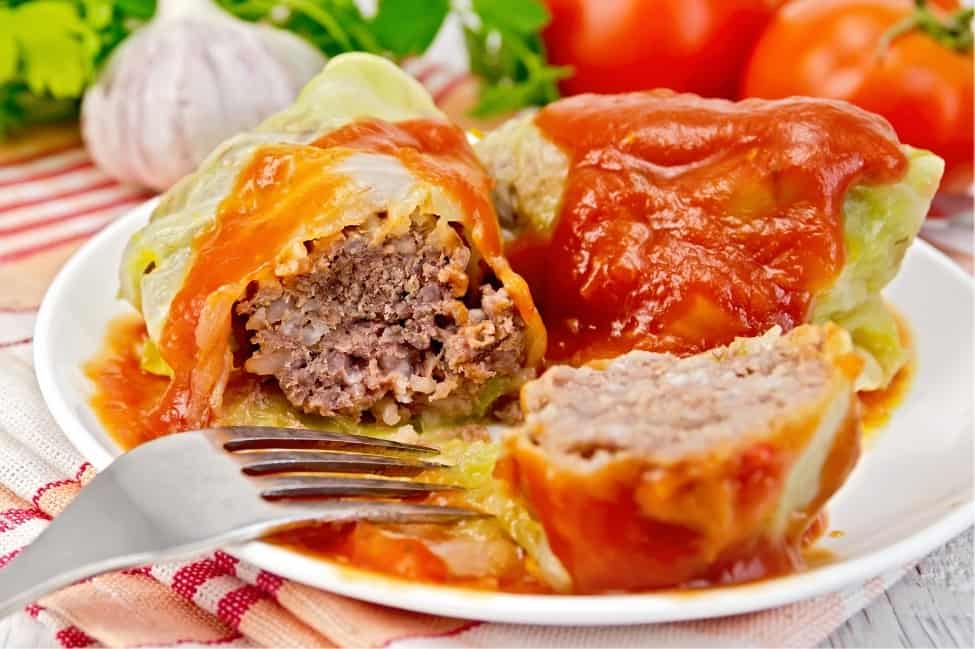
4. Gołąbki (Cabbage Rolls)
Gołąbki are stuffed cabbage rolls that rank among Poland’s most beloved dishes. The name means “little pigeons” in Polish.
You make them by wrapping seasoned ground meat and rice in tender cabbage leaves. The rolls are then cooked in tomato sauce until soft.
This hearty dish combines simple ingredients into something special. You can serve gołąbki as a main course with extra sauce on the side.
The preparation takes time but the results are worth it. Many Polish families pass down their own versions through generations.
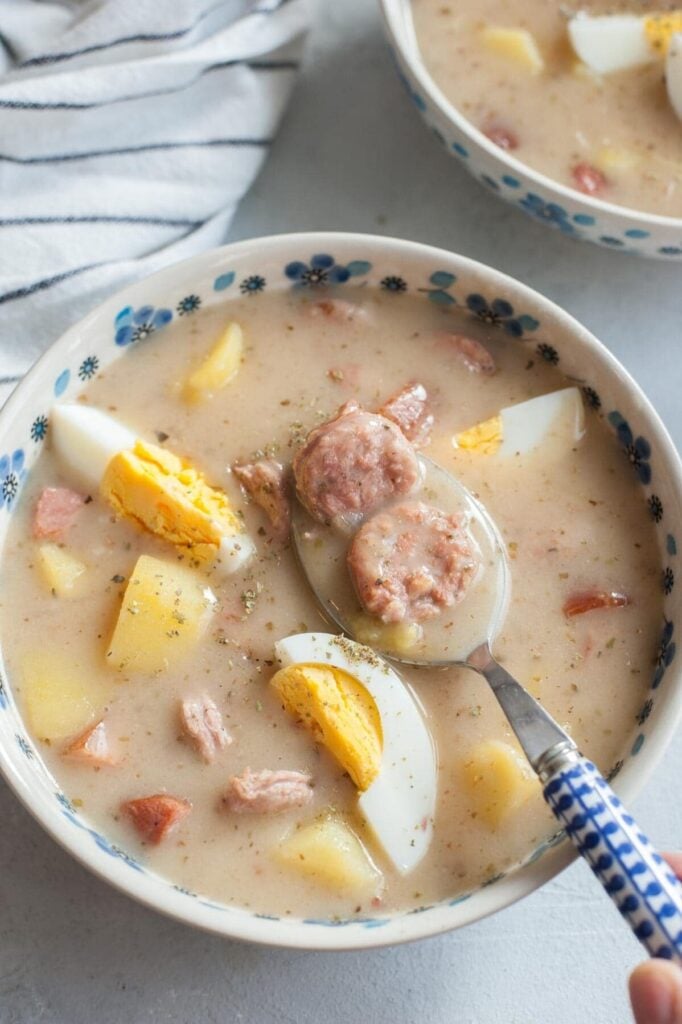
5. Żurek (Sour Rye Soup)
Żurek is a traditional Polish soup with a unique tangy flavor. The soup gets its distinctive sourness from fermented rye flour starter called zakwas.
You’ll find this hearty soup loaded with Polish sausage and bacon. Many recipes also include garlic and spices for extra flavor.
The soup has a creamy texture and smoky taste. It’s often served during Easter but enjoyed throughout the year in Poland.
You can make żurek at home using store-bought rye starter. The soup is usually garnished with fresh herbs and served with crusty bread.
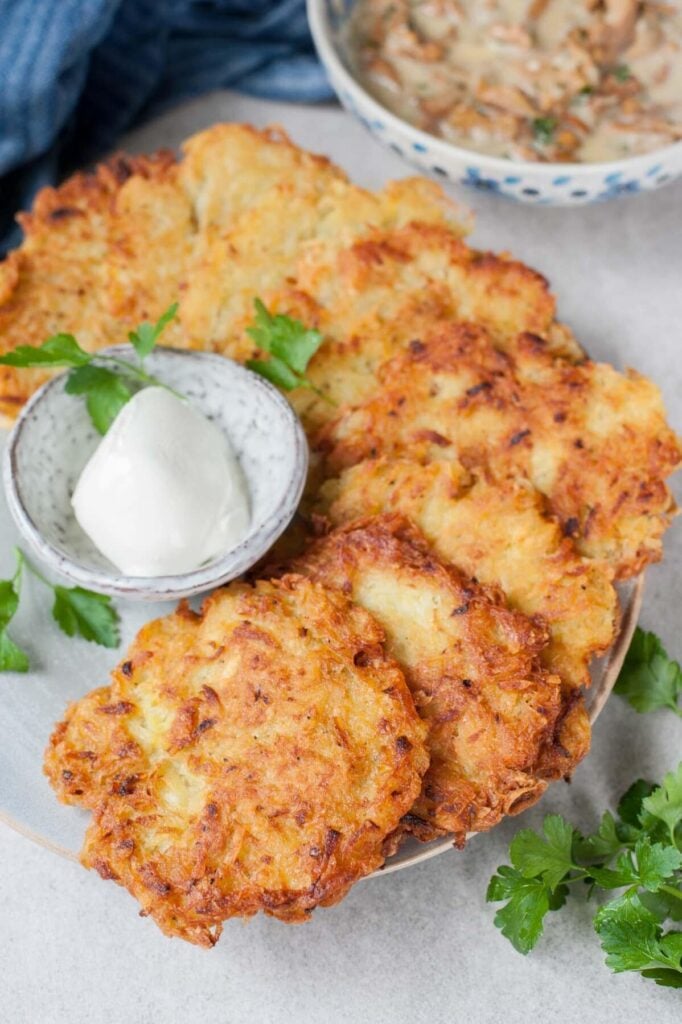
6. Placki ziemniaczane (Potato Pancakes)
Placki ziemniaczane are crispy Polish potato pancakes that make a perfect side dish or main meal. You make them with grated potatoes, onions, eggs, and flour.
These golden pancakes have crispy edges and soft centers. You can fry them in a pan until they turn golden brown.
Polish families serve them with sour cream, applesauce, or even a sprinkle of sugar. The dish works well for both kids and adults because of its simple flavors.
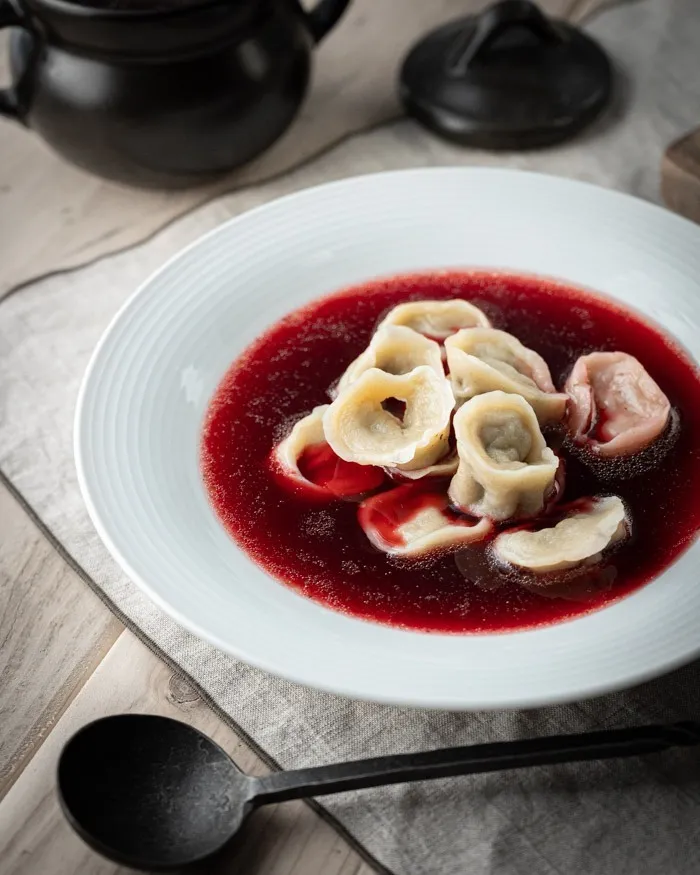
7. Barszcz czerwony (Beetroot Soup)
Barszcz czerwony is Poland’s famous red beetroot soup. You’ll find this clear, vibrant soup served at Christmas Eve dinner across Polish homes.
The soup has a tangy, slightly sweet flavor. It gets its sour taste from fermented beet juice or vinegar.
You can drink it from mugs like tea. Many people also serve it in bowls with small mushroom dumplings called uszka.
This soup is naturally gluten-free and vegan when made with vegetable broth. The recipe uses simple ingredients like beets, garlic, and mushrooms.
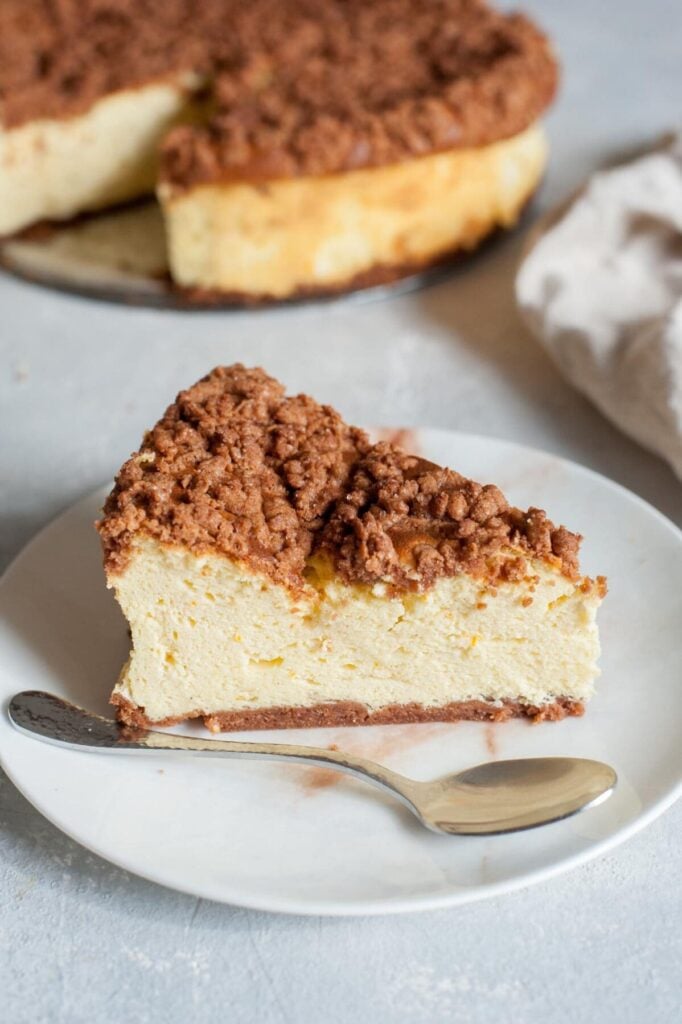
8. Sernik (Polish Cheesecake)
Sernik is Poland’s beloved cheesecake that appears at every family gathering. You’ll find it in cafes and restaurants across the country.
This dessert uses twarog, a Polish farmer’s cheese. It creates a denser texture than American cheesecake made with cream cheese.
The traditional recipe includes a shortcrust pastry base. The filling combines twarog with eggs and sugar for a creamy result.
Sernik tastes less sweet than Western cheesecakes. Each Polish family has their own version of this classic recipe.
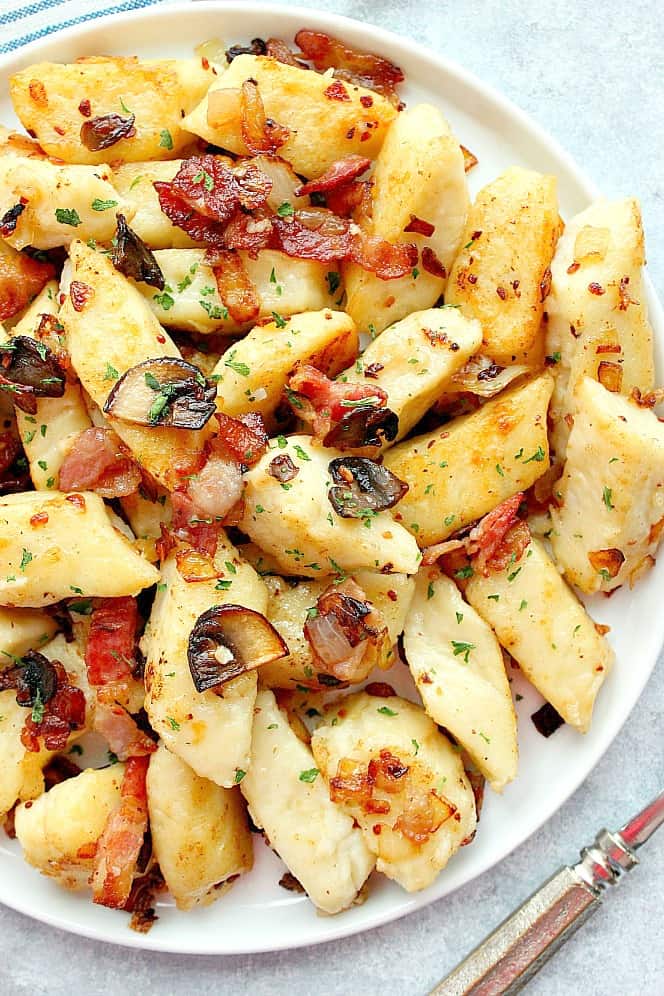
9. Kopytka (Potato Dumplings)
Kopytka are traditional Polish potato dumplings made with just four simple ingredients. You combine mashed potatoes with flour, egg, and salt to create these tender dumplings.
These dumplings work great as a side dish or main meal. You can top them with butter, gravy, or pan drippings for a classic preparation.
For more variety, try serving kopytka with sautéed onions, mushrooms, or fried kielbasa. They pair well with hearty stews and goulash too.

10. Babka Wielkanocna (Easter Bundt Cake)
This traditional Polish Easter cake brings sweet celebration to your holiday table. You make it with yeast dough that creates a light, fluffy texture.
The cake includes raisins and has a golden crust when baked. You bake it in a bundt pan, which gives it its classic shape.
Polish families have served this cake for centuries during Easter. You can finish it with powdered sugar or a simple glaze for extra sweetness.

11. Flaki (Tripe Soup)
Flaki is Poland’s famous tripe soup that dates back to the Middle Ages. You’ll find this hearty dish made with beef tripe cut into small strips.
The soup includes root vegetables like carrots, celery, and onions. Polish cooks season it with marjoram, which gives flaki its distinctive taste.
You can make this budget-friendly soup by simmering the tripe until tender. Many Polish families believe flaki helps cure hangovers and serve it at weddings and celebrations.

12. Krupnik (Barley Soup)
Krupnik is a classic Polish barley soup that brings comfort on cold days. You’ll find pearl barley as the main ingredient in this hearty dish.
The soup combines barley with vegetables like carrots, celery, and potatoes. You can make it with chicken, beef, or pork for extra flavor.
Traditional seasonings include bay leaves, allspice, and marjoram. These simple spices let the natural flavors shine through.
You’ll love the thick, creamy texture that develops as the barley cooks. This soup works well for both kids and adults.

13. Mizeria (Cucumber Salad with Sour Cream)
Mizeria is Poland’s most popular cucumber salad. You make it with thinly sliced cucumbers mixed in sour cream dressing.
The name comes from the Polish word “mizerny,” meaning poor or miserable. But this simple salad tastes anything but sad.
You need just a few ingredients: fresh cucumbers, sour cream, dill, and lemon juice. Some recipes add a pinch of sugar for balance.
This refreshing side dish works great with pork, chicken, or fish. You can also serve it at summer barbecues or potlucks.

14. Oscypek (Smoked Sheep Cheese)
Oscypek is a traditional Polish smoked cheese made from sheep’s milk. It comes from the Tatra Mountains in southern Poland.
This cheese has a unique spindle shape and golden color. The smoking process takes about two weeks and gives it a rich, smoky flavor.
You can find oscypek made only from May to September when sheep graze in mountain pastures. The European Union protects it as a regional specialty.
You can eat oscypek grilled with lingonberry jam or cranberry sauce. It also tastes good sliced and served with bread.

15. Faworki (Angel Wings Pastry)
Faworki are crispy Polish pastries that melt in your mouth. You might also hear them called chruściki or angel wings.
These light treats are made from rolled dough twisted into ribbon shapes. You fry them until golden brown, then dust them with powdered sugar.
Polish families traditionally make faworki during Carnival season and Fat Thursday. The pastries have a delicate texture and sweet taste that both kids and adults love.
You can easily make these at home with simple ingredients like flour, eggs, and sugar.

16. Paczki (Polish Doughnuts)
Paczki are traditional Polish doughnuts eaten on Fat Thursday before Lent begins. These yeast-based treats are round and fluffy without holes in the center.
You can fill them with jam, custard, or sweet cream. Popular fillings include marmalade and pudding.
The doughnuts are deep-fried until golden brown. You finish them with powdered sugar or glaze on top.
Paczki take time to make because the dough needs to rest. The result is light and spongy doughnuts that taste amazing.

17. Kapusniak (Cabbage Soup)
Kapusniak is a classic Polish soup that brings warmth to cold days. You can make it with sauerkraut, fresh cabbage, or both for extra flavor.
The soup includes simple ingredients like potatoes, carrots, and onions. Many recipes add kielbasa or other meat for protein.
Sauerkraut gives the soup its signature tangy taste. You can season it with caraway seeds or dill for traditional Polish flavors.
This budget-friendly soup is easy to make and very filling. You can serve it with rye bread for a complete meal.

18. Haluski (Cabbage and Noodles)
Haluski combines buttery egg noodles with fried cabbage for a simple comfort dish. You cook the cabbage and onions slowly in butter until they turn golden.
The dish uses basic ingredients you likely have at home. You need wide egg noodles, cabbage, onions, and plenty of butter.
Some recipes add bacon or kielbasa for extra flavor. You can serve haluski as a main dish or side.
This Polish comfort food cooks quickly and feeds a family well. The butter helps the noodles soak up all the cabbage flavors.

19. Gulasz (Polish-style Pork Stew)
Gulasz is Poland’s answer to hearty comfort food. You’ll find tender chunks of pork shoulder slowly cooked until they fall apart.
This one-pot dish combines pork with carrots, onions, and mushrooms. The rich sauce often includes paprika and sour cream for extra flavor.
You can serve gulasz with potato pancakes, mashed potatoes, or Polish noodles called kluski. It’s perfect for cold winter days when you need something warm and filling.
The dish takes just 10 minutes of prep time before slow cooking does the rest.

20. Makowiec (Poppy Seed Roll)
Makowiec is a traditional Polish sweet bread that you’ll find on holiday tables. This yeast-based roll features a rich filling made from ground poppy seeds.
The filling combines poppy seeds with honey, butter, raisins, and nuts. You can make the poppy seed mixture from scratch or buy it canned from Polish stores.
Polish families serve makowiec during Christmas and Easter celebrations. The bread has a golden-brown exterior and soft, fluffy texture inside.
You can store this dessert for up to four days in a cool place covered with a towel.

21. Zrazy (Stuffed Beef Rolls)
Zrazy is a classic Polish dish featuring thin beef slices rolled with savory fillings. You pound the beef until tender, then stuff it with ingredients like bacon, onions, pickles, and mushrooms.
The rolls are secured with toothpicks or string. You brown them in a pan, then simmer in beef broth until tender.
This hearty meal works well for Sunday dinners or special occasions. You can serve zrazy with mashed potatoes or buckwheat for an authentic Polish experience.
Essential Ingredients in Polish Cuisine
Polish cooking relies on simple, hearty ingredients that reflect the country’s farming traditions. Potatoes, cabbage, mushrooms, and pork form the backbone of most dishes.
Specific herbs and traditional baking staples complete authentic Polish flavors.
Common Herbs and Spices
Dill stands as the most important herb in Polish cooking. You’ll find it fresh in pierogi fillings, dried in soups, and mixed into sour cream sauces.
Marjoram adds earthy flavor to meat dishes and sausages. Polish cooks use it in kielbasa recipes and hearty stews.
Caraway seeds appear in rye bread and cabbage dishes. They give Polish sauerkraut its distinctive taste.
Bay leaves season slow-cooked meats and broths. You’ll need them for authentic bigos and beef stews.
Paprika provides mild heat and color. Sweet paprika works best for most Polish recipes.
Black pepper and allspice round out the basic spice collection. These warm spices enhance meat dishes and holiday baking.
Staple Proteins and Produce
Pork dominates Polish protein choices. You’ll use pork shoulder for roasts, ground pork for pierogi, and pork ribs for hearty soups.
Beef appears in special occasion dishes. Chuck roast works well for Polish pot roasts and beef rolls.
Potatoes serve as the foundation of Polish meals. You’ll need both waxy and starchy varieties for different preparations.
Cabbage comes in multiple forms. Fresh cabbage makes coleslaw, while sauerkraut adds tang to main dishes.
Wild mushrooms bring deep, earthy flavors. Dried porcini mushrooms work when fresh varieties aren’t available.
Onions and garlic provide aromatic bases for most dishes.
Traditional Baking Ingredients
All-purpose flour forms the base for pierogi dough, bread, and pastries. You’ll use large quantities for authentic recipes.
Eggs bind dough and enrich baked goods. Fresh eggs work best for noodles and pastries.
Sour cream adds richness to both savory and sweet preparations. It appears in cake batters and sauce recipes.
Yeast helps create traditional Polish breads. Active dry yeast works for home baking.
Poppy seeds fill classic pastries and cakes. You’ll need whole seeds that you grind fresh for the best flavor.
Farmer’s cheese provides protein and mild tang in sweet and savory baked items.
Serving and Presentation Tips for Polish Dishes
Polish meals shine when served on proper dishware with matching cutlery. Pair them with traditional beverages like Polish beer or vodka.
The right presentation honors the hearty nature of these comfort foods.
Authentic Table Settings
Use white or cream-colored ceramic plates to showcase the rich colors of Polish foods. Large dinner plates work best since Polish dishes come in generous portions.
Place heavy stainless steel or silver-plated cutlery at each setting. Polish meals often need both a knife and fork for hearty meats and dumplings.
Essential serving pieces include:
- Large serving spoons for stews and soups
- Slotted spoons for pierogi and dumplings
- Small bowls for sour cream and pickles
- Bread baskets lined with linen cloths
Set out small plates for pickles and sides. Polish meals include many accompaniments that need their own space.
Use cloth napkins in neutral colors. Paper napkins don’t match the formal nature of traditional Polish dining.
Recommended Beverage Pairings
Polish beer pairs perfectly with most dishes. Choose light lagers like Żywiec or Okocim for lighter fare.
Pick darker beers for heavy stews and roasted meats.
Polish vodka complements rich, fatty dishes. Serve it neat in small glasses alongside kielbasa or pork dishes.
The clean taste cuts through heavy sauces.
Wine options include:
- Light reds with beef dishes
- White wines with chicken or fish
- Sweet wines with dessert pierogi
Serve hot tea or coffee after the meal. Polish families often end dinner with warm beverages and small cookies or pastries.
Offer sparkling water to cleanse the palate between courses. The bubbles help break down rich, creamy sauces.
Frequently Asked Questions
Polish cooking involves specific techniques and traditional ingredients that create authentic flavors. These common questions cover preparation methods for classic dishes like pierogi, bigos, and zurek soup.
What are some traditional dishes to try when exploring Polish cuisine?
Start with pierogi, which are dumplings filled with potato, cheese, or meat. These soft pasta pockets are pan-fried until golden and served with sour cream.
Try bigos, known as hunter’s stew. This hearty dish combines sauerkraut, fresh cabbage, and various meats.
It tastes better after sitting for a day.
Kielbasa sausage is another must-try food. You can grill it, boil it, or pan-fry it with onions.
Serve it with mustard and rye bread.
How do I make authentic pierogi at home?
Make the dough with flour, eggs, warm water, and a pinch of salt. Knead it until smooth and let it rest for 30 minutes.
Roll the dough thin and cut circles with a glass or cookie cutter. Add filling to each circle and fold in half.
Press the edges firmly to seal. Boil the pierogi in salted water until they float.
Then pan-fry them in butter until golden brown on both sides.
What are the key ingredients in a classic Polish Bigos stew?
Sauerkraut forms the base of bigos stew. Use about two pounds of drained sauerkraut for the best flavor.
Add fresh cabbage, chopped onions, and mushrooms. Polish cooks often use dried mushrooms that have been soaked in water.
Include different types of meat like kielbasa, bacon, and leftover pork or beef. Some recipes add prunes or apples for sweetness.
Can you provide a beginner-friendly recipe for Polish golabki (stuffed cabbage rolls)?
Boil a whole cabbage head until the leaves are soft. Remove leaves carefully and cut out the thick stems.
Mix ground beef, cooked rice, diced onions, and seasonings for the filling. Place filling on each leaf and roll tightly.
Layer the rolls in a pot with tomato sauce. Cover with water and simmer for about 90 minutes until tender.
What is the proper way to prepare Polish zurek soup?
Start with sour rye starter, which you can buy at Polish stores. This gives the soup its tangy flavor.
Add white Polish sausage, bacon, and hard-boiled eggs. Cook potatoes separately and add them to the soup.
Season with garlic, marjoram, and bay leaves. Some cooks serve it in a bread bowl for special occasions.
Could you suggest a dessert recipe that is popular in Poland?
Sernik is Polish cheesecake made with farmer’s cheese. Mix the cheese with eggs, sugar, and vanilla.
Pour the mixture over a cookie crust. Bake at 350 degrees for about 45 minutes until the cheesecake sets.
Let it cool completely before cutting.
Makowiec is a poppy seed roll that’s popular during holidays. Roll the sweet poppy seed filling in yeast dough and bake it until golden.