
Italian cooking brings together simple ingredients to create some of the world’s most loved dishes. These recipes have been passed down through families for many years.
They focus on fresh ingredients and basic cooking methods that let each flavor shine. You can master everything from creamy pasta dishes to hearty soups and fresh salads.
These recipes cover appetizers, main courses, and desserts that represent the true taste of Italy.

1. Spaghetti Carbonara
Spaghetti Carbonara is one of Rome’s four classic pasta dishes. You only need five simple ingredients to make this beloved Italian recipe.
The authentic version uses guanciale, eggs, Pecorino Romano cheese, black pepper, and spaghetti. Never use cream in traditional carbonara.
You cook the guanciale until crispy, then toss hot pasta with beaten eggs and cheese. The heat creates a creamy sauce without adding cream.
This dish takes just 15 minutes to prepare. You can also use other pasta shapes like bucatini or rigatoni instead of spaghetti.

2. Chicken Parmesan
Chicken Parmesan is a beloved Italian-American dish that brings restaurant flavors to your kitchen. You’ll love how it combines crispy breaded chicken with rich marinara sauce and melted cheese.
You bread chicken breasts, pan-fry them until golden, then bake with tomato sauce and cheese. You can serve it over pasta like linguine or spaghetti.
Add a green salad and breadsticks for a complete meal your family will enjoy.

3. Margherita Pizza
You can make this classic Italian pizza with just four simple ingredients. The recipe uses pizza dough, San Marzano tomatoes, fresh mozzarella, and basil leaves.
This pizza was created in Naples during the 1800s. The red tomatoes, white mozzarella, and green basil represent the colors of the Italian flag.
You should focus on using high-quality ingredients rather than adding many toppings. The thin crust and fresh mozzarella create the authentic taste that makes this pizza special.

4. Osso Buco Milanese
Osso Buco Milanese brings together tender veal shanks and rich flavors. This classic dish from Milan uses slow cooking to create fall-off-the-bone meat.
You braise thick veal shanks with white wine, broth, and vegetables. The bone marrow melts during cooking and adds deep richness to the sauce.
You brown the meat, add liquids, and let it cook slowly until tender. Serve your Osso Buco with saffron risotto or polenta.

5. Classic Lasagna
You’ll find few dishes more comforting than authentic Italian lasagna. This layered masterpiece combines pasta sheets with rich meat sauce and creamy cheese.
Traditional lasagna uses a slow-simmered Bolognese sauce made with ground beef or Italian sausage. You layer this with ricotta cheese and a smooth béchamel sauce.
The best results come from 4-5 layers of pasta, sauce, and cheese. You’ll bake it at 350°F for about 45 minutes until the top forms a golden crust.

6. Penne all’Arrabbiata
Penne all’Arrabbiata means “angry pasta” in Italian. This spicy dish comes from the Lazio region around Rome.
The sauce gets its heat from red chili peppers. You make it with garlic, tomatoes, and olive oil.
The bright red color and fiery taste give this pasta its angry name. You can make it in under 30 minutes using simple ingredients.
This dish is naturally vegan since it contains no cheese. The spicy tomato sauce coats the penne pasta perfectly for bold Italian flavors.

7. Risotto alla Milanese
This golden rice dish comes from Milan and gets its bright yellow color from saffron. You cook Arborio or Carnaroli rice slowly in warm chicken stock.
The saffron gives the risotto a special earthy taste. You add butter and Parmesan cheese at the end to make it creamy.
Traditional recipes use bone marrow and dry white wine. Some cooks add diced onions at the start for extra flavor.

8. Fettuccine Alfredo
You might be surprised to learn that authentic Italian Fettuccine Alfredo uses only three ingredients. The original Roman recipe calls for butter, Parmesan cheese, and pasta water.
This creamy dish started in Rome when restaurant owner Alfredo di Lelio created it for his wife. The American version you know likely includes heavy cream, but the traditional recipe relies on technique instead.
You make the sauce by tossing hot fettuccine with butter and freshly grated Parmesan. The pasta water helps create a smooth, silky coating that clings perfectly to each strand.

9. Eggplant Parmesan
Eggplant Parmesan is a beloved Italian comfort food that brings families together. You layer sliced eggplant with rich tomato sauce and melted cheese.
The dish uses simple ingredients like mozzarella, parmesan, and marinara sauce. You can bake it instead of frying for a healthier option.
This vegetarian meal works perfectly as a main dish or side.

10. Caprese Salad
Caprese salad comes from Italy and uses just a few simple ingredients. You need ripe tomatoes, fresh mozzarella cheese, and basil leaves.
The key is using high-quality ingredients. Pick juicy, ripe tomatoes that are in season.
Fresh mozzarella works better than regular cheese. You arrange the tomato slices and mozzarella on a plate.
Add fresh basil leaves between them. Drizzle olive oil over everything and add a pinch of salt.
This salad takes less than 10 minutes to make. It works as an appetizer or light meal.
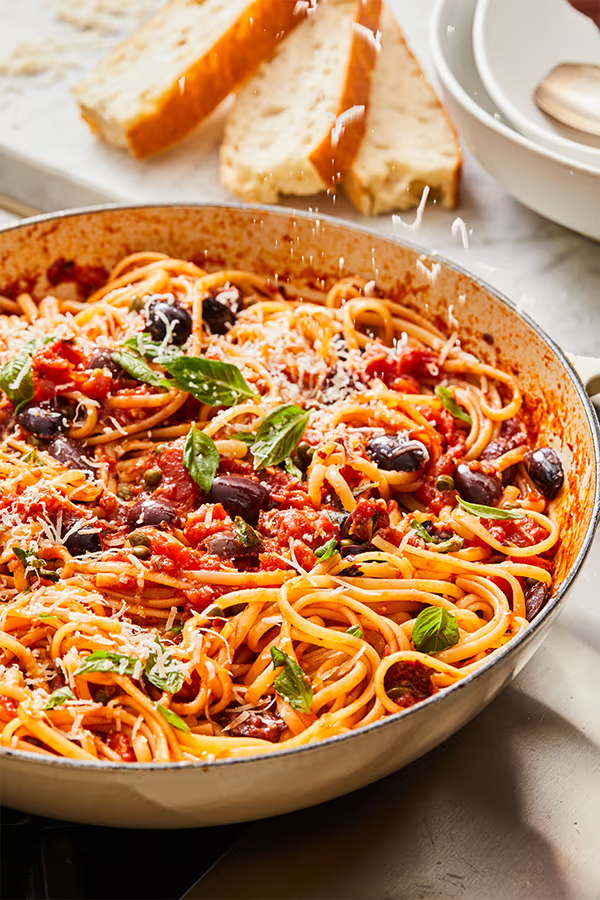
11. Pasta Puttanesca
Pasta Puttanesca comes from Southern Italy and uses simple pantry ingredients. You make this dish with tomatoes, garlic, olives, capers, and anchovies.
The sauce has bold, salty flavors that work well together. You can make it in about 30 minutes on busy weeknights.
You toss the pasta with the rich tomato sauce until it coats every piece. The dish tastes best with spaghetti or other long pasta shapes.

12. Tiramisu
Tiramisu is Italy’s most famous dessert. You make it with layers of coffee-soaked ladyfinger cookies and creamy mascarpone cheese.
The name means “pick me up” in Italian. This refers to the coffee that gives you energy.
You need mascarpone, eggs, sugar, strong coffee, and cocoa powder. Dip each ladyfinger quickly in coffee before layering.
The dessert needs to chill overnight. This helps all the flavors blend together perfectly.

13. Minestrone Soup
Minestrone is Italy’s most famous vegetable soup. You can make it with any seasonal vegetables you have on hand.
The classic recipe includes tomatoes, beans, and pasta in a savory broth. Common vegetables are carrots, celery, onions, and spinach.
You cook everything in one pot for easy cleanup. The soup gets better after sitting overnight as flavors blend together.
Minestrone works as a main dish or starter. Serve it with crusty bread for a complete meal.

14. Gnocchi with Sage Butter
Gnocchi with sage butter is one of Italy’s most beloved comfort dishes. You combine soft potato dumplings with nutty brown butter and crisp sage leaves.
This recipe needs just four ingredients. You’ll use gnocchi, butter, fresh sage, and Parmesan cheese.
The dish cooks in about 15 minutes. You brown the butter first, then add sage leaves until they become crispy.
Toss the cooked gnocchi in the sage butter sauce. Finish with grated Parmesan cheese and black pepper for extra flavor.

15. Saltimbocca alla Romana
This Roman classic combines tender veal cutlets with prosciutto and fresh sage leaves. The name means “jump in the mouth” in Italian.
You’ll need just a few simple ingredients. Thin veal slices get topped with prosciutto and sage, then cooked quickly in white wine.
The dish cooks in minutes despite its fancy appearance. You can serve it over sautéed spinach for an elegant presentation.

16. Pasta alla Norma
This classic Sicilian pasta dish comes from Catania on the eastern coast of Sicily. You’ll combine fried eggplant with rich tomato sauce and rigatoni pasta.
The dish gets its name from the opera “Norma” by composer Vincenzo Bellini. It’s considered a masterpiece of Sicilian cooking.
You’ll need eggplant, tomatoes, garlic, basil, and ricotta salata cheese. The eggplant is typically cubed and fried until golden.
This simple recipe delivers bold Mediterranean flavors that represent Sicily’s sunny climate and fresh ingredients.

17. Bolognese Sauce
Bolognese sauce is Italy’s most famous meat sauce. It comes from Bologna and takes time to make right.
You need ground beef, pancetta, onions, carrots, and celery. Add tomatoes, white wine, and a splash of milk or cream.
Cook everything low and slow for hours. This builds deep flavors that make the sauce special.
Serve your Bolognese with fresh tagliatelle or pappardelle pasta. These wide noodles hold the sauce perfectly.

18. Bruschetta al Pomodoro
You can make this classic Italian appetizer in just 20 minutes. Start with crusty bread that you toast until golden.
Rub fresh garlic on the warm toast. This adds flavor to every bite.
Top with ripe tomatoes, fresh basil, and good olive oil. Use plum tomatoes when possible since they have the best flavor.
The dish comes from ancient Rome. It shows how simple ingredients can create amazing taste.
You get different textures in each bite. The crispy bread contrasts with the soft tomatoes perfectly.

19. Osso Buco with Gremolata
Osso buco brings together tender veal shanks braised in wine and vegetables. This Milan classic gets its name from “marrowbone” in Italian.
You slow-cook the meat until it falls off the bone. The rich braising liquid creates a flavorful sauce.
The dish shines with gremolata on top. This bright garnish mixes lemon zest, parsley, and garlic.
You can serve osso buco with creamy polenta or risotto. The bone marrow adds deep flavor to every bite.

20. Pasta e Fagioli
Pasta e Fagioli is a classic Italian comfort soup that combines pasta and beans. You can pronounce it “pasta fah-jolie” or call it “pasta fazool” like many Italian-Americans do.
This hearty dish uses simple ingredients like borlotti beans, small pasta shapes, and vegetables. You cook everything together in a flavorful broth.
The soup is popular across Italy, with different regions having their own versions. You can add pancetta, garlic, or herbs like rosemary for extra flavor.

21. Cacio e Pepe
This Roman pasta dish uses just three ingredients: pasta, Pecorino Romano cheese, and black pepper. The name means “cheese and pepper” in Italian.
You need to cook your pasta until it’s barely al dente. Save some pasta water before draining.
The key is making a creamy sauce without cream. You mix the hot pasta water with grated Pecorino Romano cheese and freshly cracked black pepper.
This creates a smooth, silky coating on your pasta. The dish is ready in about 20 minutes and tastes like authentic Italian cooking.
The Essence of Classic Italian Cuisine
Italian cooking relies on high-quality ingredients like olive oil, tomatoes, and fresh herbs. Time-honored methods such as slow simmering and proper pasta techniques bring out authentic flavors in Italy’s beloved dishes.
Core Ingredients and Their Roles
Extra virgin olive oil forms the foundation of Italian cooking. Use it for sautéing garlic, drizzling over finished dishes, and creating flavorful bases for sauces.
San Marzano tomatoes set the standard for Italian sauces. Their sweet, low-acid flavor creates the perfect base for marinara and pizza sauces.
Fresh herbs like basil, oregano, and parsley add brightness to every dish. Basil pairs perfectly with tomatoes and mozzarella, while oregano enhances pizza and meat dishes.
Parmigiano-Reggiano cheese brings nutty, salty depth to pasta dishes. Grate it fresh over risotto, pasta, and soups for authentic flavor.
Garlic creates aromatic foundations when sautéed in olive oil. It flavors classics like aglio e olio and marinara sauce.
Italian cooks choose fewer, better ingredients rather than long lists of additions.
Traditional Cooking Techniques
Pasta cooking requires abundant salted water that tastes like seawater. Cook pasta until al dente, so it still has a slight bite.
Slow simmering develops deep flavors in sauces. Let tomato sauces bubble gently for at least 30 minutes to concentrate their taste.
Soffritto starts many Italian dishes. Sauté diced onions, carrots, and celery in olive oil until soft and fragrant.
Risotto technique involves adding warm broth one ladle at a time while stirring constantly. This creates a creamy texture without using cream.
Pizza dough handling requires gentle stretching rather than rolling. Work from the center outward to maintain air bubbles in the crust.
Serving and Pairing Suggestions
The right wine and side dishes can make your Italian meal complete. Classic pairings follow simple rules that match flavors and textures perfectly.
Wine Pairings for Italian Dishes
Red wines work best with tomato-based dishes like spaghetti marinara and lasagna. Choose Chianti or Sangiovese for these meals.
White wines pair well with creamy pasta dishes. Try Pinot Grigio with fettuccine alfredo or risotto.
Soave also works great with seafood pasta. For pizza, pick wines based on toppings.
Margherita pizza goes well with light reds like Barbera. Meat pizzas need stronger wines like Montepulciano.
Sparkling wines like Prosecco work with fried foods. They cut through the oil in dishes like arancini or fried calamari.
Sweet wines pair with desserts. Moscato d’Asti goes perfectly with tiramisu or cannoli.
Recommended Side Dishes
Caesar salad works with most pasta dishes. The crisp lettuce balances rich sauces.
Garlic bread is perfect with soups and stews. It also goes well with any tomato-based pasta.
Roasted vegetables like zucchini, bell peppers, or eggplant add color and nutrition to your meal. Season them with olive oil and herbs.
Antipasto platters with olives, cheese, and cured meats make great starters. Include mozzarella, salami, and marinated vegetables.
Simple green salads with olive oil and vinegar help cleanse your palate between rich courses.
Frequently Asked Questions
These common questions cover the basics of Italian cooking success, from pantry must-haves to sauce-making secrets and regional cooking differences.
What are the essential ingredients in a traditional Italian kitchen?
Extra virgin olive oil serves as the foundation of most Italian dishes. You need San Marzano tomatoes for the best sauce flavor.
Fresh garlic, onions, and basil appear in countless recipes. Parmigiano-Reggiano and Pecorino Romano cheeses add depth to pasta dishes.
High-quality pasta made from durum wheat makes a real difference. Keep pancetta or guanciale on hand for dishes like carbonara.
How can one achieve authentic flavors in classic Italian dishes?
Use fewer ingredients but make them count. Fresh herbs work better than dried ones in most cases.
Cook with the seasons and choose ripe, quality produce. Salt your pasta water until it tastes like seawater.
Let garlic cook slowly in olive oil without burning. Build flavors layer by layer instead of rushing the process.
What are some tips for perfecting homemade Italian pasta?
Use 100 grams of flour per egg for the right texture. Knead the dough for at least 10 minutes until smooth.
Rest the pasta dough for 30 minutes before rolling. This makes it easier to work with.
Roll pasta thin enough to see your hand through it. Cook fresh pasta for only 2-3 minutes in boiling water.
Can you suggest some lesser-known Italian dishes that are considered classics by locals?
Cacio e pepe uses just cheese, pepper, and pasta water for amazing flavor. Aglio e olio combines garlic, oil, and chili flakes.
Pasta e fagioli is a hearty bean and pasta soup. Saltimbocca alla romana features veal with prosciutto and sage.
Ribollita is a thick Tuscan bread soup.
What is the secret to a perfectly balanced Italian tomato sauce?
Start with good canned San Marzano tomatoes if fresh ones are not in season. Crush them by hand for better texture.
Cook garlic in olive oil until fragrant but not brown. Add tomatoes and let them simmer slowly.
Season with salt and add fresh basil at the end. A pinch of sugar helps balance acidity when needed.
How does regional diversity affect the characteristics of classic Italian recipes?
Northern Italy uses more butter, cream, and rice in dishes like risotto. Southern regions favor olive oil, tomatoes, and dried pasta.
Coastal areas feature more seafood in their traditional recipes. Mountain regions use heartier ingredients like game meats.
Each region has unique cheese varieties that shape local flavors. Climate and available ingredients have created these differences over centuries.