
Gin stands as one of the most versatile spirits for crafting cocktails. It offers endless possibilities for both classic and modern drinks.
From timeless favorites like the Martini and Gin and Tonic to creative modern twists, gin’s botanical complexity provides the perfect foundation for countless cocktail creations. This collection of 21 exceptional gin cocktails guides you through beloved classics and innovative recipes that showcase gin’s remarkable versatility.
Whether you prefer the crisp simplicity of a Tom Collins or the sophisticated balance of a Negroni, these recipes offer something for every taste preference and skill level. You’ll discover essential techniques that make each drink special, along with practical tips for perfecting your presentation and serving methods.
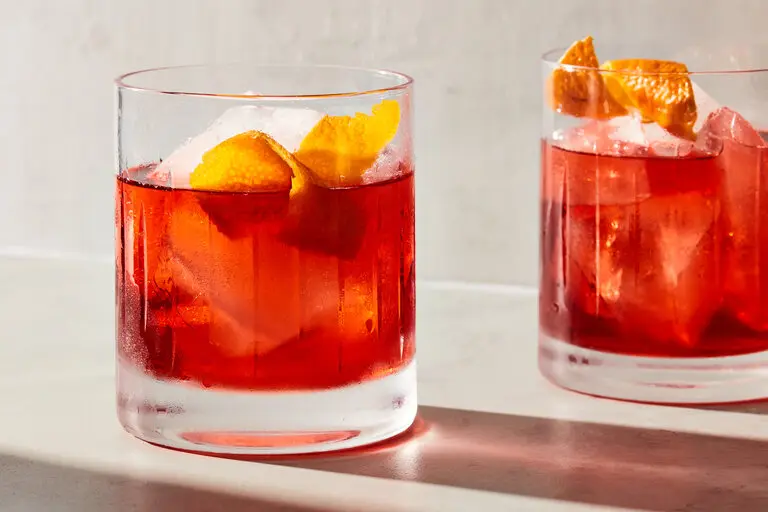
1. Negroni
The Negroni is a classic Italian cocktail that combines three simple ingredients. You mix equal parts gin, sweet vermouth, and Campari for the perfect balance.
This drink offers a unique blend of bitter and sweet flavors. The Campari provides the signature bitter taste while the sweet vermouth balances it out.
You can make a Negroni easily with its 1:1:1 ratio. Stir the ingredients with ice and serve over ice with an orange peel garnish.

2. Gin and Tonic
The gin and tonic stands as one of the most classic cocktails you can make. You need just two main ingredients: gin and tonic water.
This drink offers a crisp, refreshing taste that works well year-round. The botanical flavors in gin pair perfectly with the bubbles and slight bitterness of tonic water.
You can customize your gin and tonic with different garnishes. Try lime wedges, lemon slices, or fresh herbs like rosemary.

3. Martini
The classic gin martini stands as the king of gin cocktails. You make it with gin and dry vermouth, stirred with ice and strained into a chilled glass.
The dry vermouth adds subtle complexity to the gin’s botanicals. Most bartenders use a 6:1 ratio of gin to vermouth.
You can garnish your martini with olives or a lemon twist. Serve the drink ice-cold in a proper martini glass for the best experience.
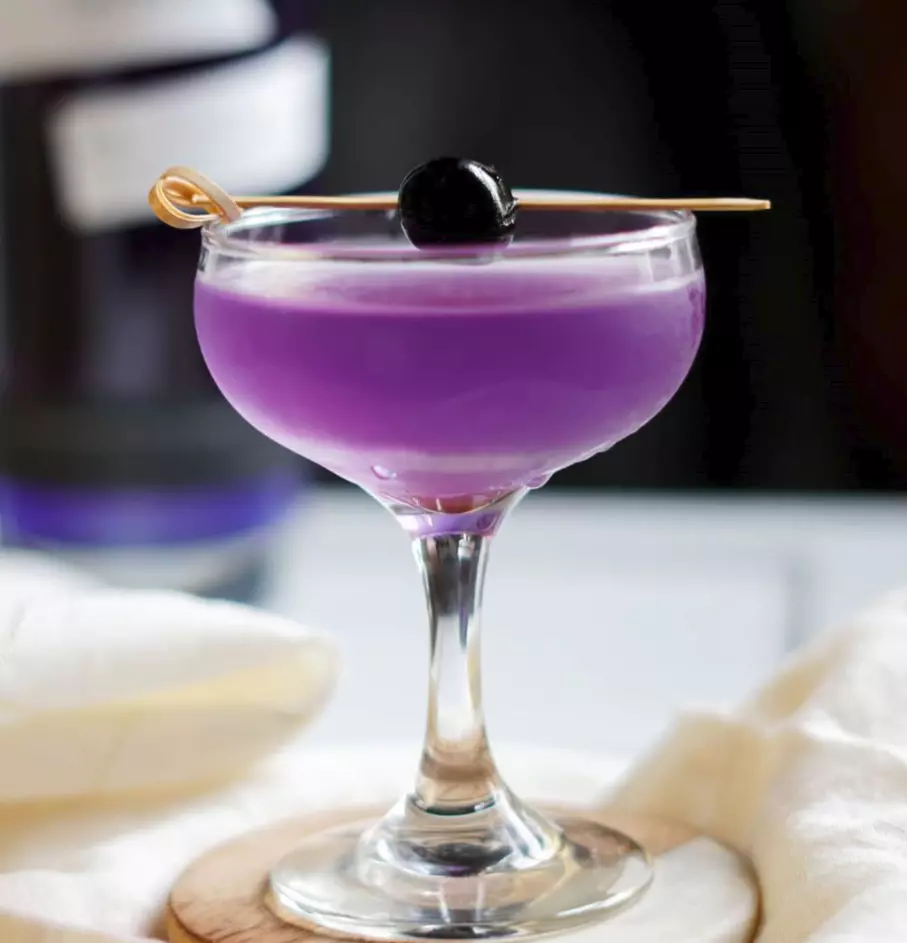
4. Aviation
The Aviation is a classic gin cocktail that disappeared for 50 years before making its comeback. You’ll notice its unique purple-blue color and floral notes.
This drink combines gin with maraschino liqueur and crème de violette. Fresh lemon juice adds brightness to balance the sweet elements.
You can use any quality gin for this cocktail, such as Bombay, Hendrick’s, or Aviation Gin itself. The gin’s botanical profile will change the drink’s character.
The Aviation works best when you want something different from standard gin cocktails.

5. French 75
The French 75 combines gin, lemon juice, simple syrup, and champagne into one elegant cocktail. You get a refreshing drink that’s perfect for celebrations.
This cocktail gets its name from a French 75mm field gun. The drink was said to have a kick like the weapon’s shell.
You’ll find the French 75 similar to a Tom Collins but with champagne instead of soda water. The bubbles make it ideal for toasting special occasions or fancy brunches.

6. Gimlet
The Gimlet is a simple three-ingredient cocktail that combines gin, lime juice, and sugar. This classic drink helped create the foundation for many sour-style cocktails.
You can make it with either fresh lime juice or lime cordial. The traditional version uses lime cordial for a sweeter taste.
Popular gin choices include Bombay Sapphire, Hendrick’s, or Bluecoat. The drink takes just five minutes to prepare and requires basic ingredients you likely already have.

7. Tom Collins
The Tom Collins is a classic gin cocktail that’s perfect for summer. You need just four simple ingredients to make this refreshing drink.
Mix gin with fresh lemon juice and simple syrup in a tall glass. Top it off with club soda for that signature fizz.
The drink is light and tangy. Serve it over ice in a highball glass to keep the bubbles fresh.
This cocktail has been around since the 1800s. It remains popular because it’s easy to make and tastes great on hot days.

8. Last Word
The Last Word is a sophisticated gin cocktail from the 1920s. You’ll mix equal parts gin, green Chartreuse, maraschino liqueur, and fresh lime juice.
This cocktail disappeared for decades before bartenders rediscovered it in the early 2000s. The equal parts recipe creates a unique balance of herbal and sweet flavors.
You can use different gin styles successfully. London Dry gins work well, but contemporary gins with spice notes add interesting complexity to this refreshing drink.

9. Singapore Sling
The Singapore Sling is a classic gin cocktail that started at the Raffles Hotel in Singapore in the early 1900s. This pink drink mixes gin with cherry liqueur, pineapple juice, and lime juice.
You can make it with London Dry gin like Beefeater or Tanqueray. The drink also includes Benedictine, Grand Marnier, and Angostura bitters.
This fruity cocktail balances sweet and tart flavors perfectly. It’s refreshing and complex, making it a popular choice for gin lovers.

10. Clover Club
The Clover Club is a classic gin cocktail that dates back to before Prohibition. You’ll love its bright pink color and smooth texture.
This drink combines gin with fresh lemon juice and raspberry syrup. The key ingredient is egg white, which creates a silky foam on top.
Shake gin, lemon juice, raspberry syrup, and egg white with ice. The standard recipe uses about 1.5 ounces of gin with equal parts lemon and raspberry syrup.
The result is a tart yet sweet cocktail with a beautiful presentation.

11. Bee’s Knees
This classic cocktail dates back to the 1920s Prohibition era. You’ll love its simple yet perfect combination of gin, fresh lemon juice, and honey.
The drink offers a smooth balance of sweet and tangy flavors. Dry gin works best for this recipe.
You can make modern variations by adding pineapple juice or grapefruit juice. Some bartenders use barrel-finished gin or add fresh mint leaves for extra flavor.

12. Gin Fizz
The Gin Fizz is a light and bubbly cocktail that tastes fresh and clean. You make it with gin, fresh lemon juice, simple syrup, and soda water.
This drink is perfect for hot summer days. The bubbles make it feel refreshing on your tongue.
To make a Gin Fizz, shake gin, lemon juice, and simple syrup with ice. Strain it into a tall glass and top it with soda water.
The drink has a bright citrus flavor that balances well with the gin’s botanical taste.

13. Bramble
The Bramble is a modern classic gin cocktail created in 1984 by British bartender Dick Bradsell. This refreshing drink combines gin with fresh lemon juice and simple syrup.
What makes the Bramble special is the blackberry liqueur drizzled on top. The crème de mûre creates a beautiful layered effect when poured over crushed ice.
You’ll taste a perfect balance of tart citrus and sweet berry flavors. The gin provides a strong base while the lemon adds brightness.
Serve your Bramble over crushed ice and garnish with fresh blackberries for the best presentation.

14. Corpse Reviver #2
The Corpse Reviver #2 is a classic gin cocktail that first appeared in the Savoy Cocktail Book in 1930. This pre-Prohibition drink was originally consumed in the morning as a hangover cure.
You’ll taste bright citrus flavors balanced with herbal notes. The drink combines gin, orange liqueur like Cointreau, Lillet Blanc, and fresh lemon juice.
A dash of absinthe adds complexity to this refreshing cocktail. The drink works perfectly as an aperitif or evening cocktail.
Its crisp, light profile makes it similar to other classic sours like the Margarita.

15. Gin Mule
The Gin Mule combines gin with spicy ginger beer and fresh lime juice. This drink puts a botanical twist on the classic Moscow Mule.
You’ll taste the gin’s juniper flavors alongside the warm ginger spice. The lime adds bright citrus notes that balance everything perfectly.
Choose a mild gin that won’t overpower the ginger beer. The ginger should stay center stage in this refreshing cocktail.
Serve your Gin Mule over ice in a copper mug or highball glass. Garnish with a lime wheel for the perfect finishing touch.

16. Southside
The Southside cocktail comes from New York’s famous 21 Club. This gin drink mixes fresh mint, lime juice, and simple syrup for a clean taste.
You’ll love this refreshing cocktail on warm days. The mint adds herbal notes that balance the gin’s botanical flavors perfectly.
To make a Southside, muddle mint leaves with lime juice and simple syrup. Add gin and shake with ice.
This cocktail works well for casual drinks or fancy parties. It’s a great choice if you’re new to gin cocktails.

17. Blue Lagoon
The Blue Lagoon transforms into a sophisticated gin cocktail when you swap out the traditional vodka. You’ll combine gin with blue curaçao and fresh lemonade for this vibrant drink.
The gin adds botanical complexity to the sweet citrus base. You can muddle fresh mint leaves for a mojito-inspired twist.
This bright blue cocktail works perfectly for summer parties or poolside relaxation. The drink maintains its eye-catching neon color while delivering refreshing flavors.

18. Ramos Gin Fizz
The Ramos Gin Fizz is a creamy, light cocktail that tastes like an orange creamsicle. You’ll need gin, lemon juice, lime juice, simple syrup, egg white, heavy cream, and orange flower water.
This drink requires lots of shaking to create its signature fluffy texture. Shake all ingredients except soda water for several minutes until the mixture becomes thick and frothy.
Top your drink with soda water and serve it in a tall glass. The result is an airy, cloud-like cocktail perfect for brunch.

19. English Garden
The English Garden cocktail captures the essence of a British summer in a glass. You’ll love this refreshing gin-based drink that combines botanical flavors perfectly.
This cocktail uses London dry gin as its base. Apple juice adds natural sweetness and body to the mix.
Elderflower liqueur brings delicate floral notes that make this drink special. Fresh lime juice provides the perfect acidic balance.
You can garnish your English Garden with cucumber slices and fresh mint. These additions enhance the garden-fresh appeal of this elegant cocktail.

20. Basil Smash
The Gin Basil Smash brings fresh herbs to your glass. Jörg Meyer created this drink in 2008 at his Hamburg bar.
You need just five ingredients: gin, fresh basil leaves, lemon juice, simple syrup, and ice. The muddled basil gives the cocktail a light green color.
Start by gently muddling basil in your shaker. Add gin, lemon juice, and simple syrup with ice.
Shake for 10 seconds and double strain over fresh ice. Garnish with a fresh basil sprig.

21. French Martini
The French Martini brings elegant sophistication to your cocktail repertoire. This drink combines gin with pineapple juice and berry flavors for a perfect balance.
You get sweet and tart notes from the pineapple that complement the gin beautifully. The berry elements add depth without overpowering the base spirit.
This martini offers a refined alternative to traditional recipes. You can easily make it at home for special occasions or quiet evenings.
The French Martini delivers smooth, well-balanced flavors that make it a standout choice for gin lovers.
Core Principles of Exceptional Gin Cocktails
Great gin cocktails depend on three key elements: balanced flavors that complement gin’s botanicals, choosing the right gin style for each drink, and using proper mixing methods to achieve the best texture and taste.
Balancing Flavors
Gin’s complex botanical profile requires careful balance with other ingredients. The juniper base pairs naturally with citrus, herbs, and bitter elements.
Sweet and Sour Balance creates the foundation of most gin cocktails. Use simple syrup or liqueurs for sweetness.
Fresh lemon or lime juice adds brightness without overpowering the botanicals. Bitter Components enhance gin’s herbal qualities.
Dry vermouth works in martinis and Negronis. Tonic water provides subtle bitterness in highballs.
Consider gin’s dominant botanicals when mixing. London Dry gins with strong juniper pair well with citrus and herbs.
Floral gins work better with lighter mixers like elderflower or cucumber. Start with classic ratios and adjust to taste:
- 2:1:1 ratio for sours (gin:citrus)
- 3:1 ratio for martinis (gin)
- 1:1:1 ratio for Negronis (gin:Campari vermouth)
Selecting the Right Gin
Different gin styles create different cocktail experiences. Your choice affects the drink’s final taste and character.
London Dry Gin works best in classic cocktails like martinis and gin fizzes. Its strong juniper flavor holds up against mixers.
Brands like Tanqueray and Bombay Sapphire are reliable choices. Plymouth Gin offers softer juniper with earthy notes.
It works well in aviation cocktails and drinks with delicate mixers. New Western Gins feature reduced juniper and highlight other botanicals.
These work best in modern cocktails with fruit or floral elements. Navy Strength Gin contains higher alcohol content (57% ABV).
Use it when you want gin flavor to shine through heavy mixers or in stirred cocktails. Match gin intensity to your other ingredients.
Strong mixers need bold gins. Delicate ingredients pair better with softer gin styles.
Essential Mixing Techniques
Proper technique affects texture, temperature, and dilution in your cocktails. Each method serves specific purposes.
Shaking works best for cocktails with citrus juice, cream, or egg whites. Shake vigorously for 10-15 seconds with ice.
This creates proper dilution and aeration. Stirring suits spirit-forward drinks like martinis and Negronis.
Stir gently for 30-40 seconds to chill without over-diluting. Use a bar spoon for smooth movement.
Building means adding ingredients directly to the serving glass. This works for simple highballs like gin and tonics.
Add gin first, then mixers, then ice. Double Straining removes ice chips and pulp for smooth cocktails.
Use both a Hawthorne strainer and fine mesh strainer. Fresh ice matters for every technique.
Use large cubes for stirring and smaller pieces for shaking. Replace melted ice before serving.
Tips for Serving and Presentation
The right glass and garnish can make your gin cocktail look and taste better. These two elements work together to create the perfect drink experience.
Choosing Appropriate Glassware
Rocks glasses work best for spirit-forward cocktails like Negronis. The wide opening lets you smell the botanicals better.
The heavy base feels good in your hand. Coupe glasses are perfect for gin martinis and other shaken cocktails.
They give your drink a classic, elegant look. The wide rim makes sipping easy.
Highball glasses suit gin and tonics and other tall drinks with mixers. The narrow shape keeps carbonation longer.
Ice stays cold in the tall design. Nick and Nora glasses hold 5-6 ounces and work well for cocktails served up.
They look vintage but hold the right amount. The stem keeps your hand from warming the drink.
Match your glass to your cocktail type. Clear glass shows off colorful drinks like pink gin cocktails.
Chilled glasses keep cold drinks colder longer.
Garnish Best Practices
Citrus peels release oils when you twist them over the drink. Express lemon or lime peel oils, then drop the peel in.
Orange peel works great with botanical gins. Fresh herbs like rosemary or thyme smell amazing and look professional.
Gently slap herbs between your palms before adding them. This releases their natural oils.
Olives and onions belong in martinis and gibsons. Use high-quality olives stuffed with garlic or blue cheese.
Cocktail onions should be small and crisp. Keep garnishes fresh and cut them right before serving.
Dried citrus peels and wilted herbs make drinks look old. Simple garnishes often work better than fancy ones.
Frequently Asked Questions
What are the essential ingredients needed for a classic gin cocktail?
Most gin cocktails need just a few basic ingredients. You’ll want quality gin as your base spirit.
Fresh citrus juice like lemon or lime adds brightness. Vermouth is key for drinks like martinis and negronis.
Simple syrup or sugar helps balance sour elements. Club soda or tonic water creates fizzy drinks.
Bitters add depth to cocktails. Angostura bitters work well in many recipes.
Keep these basics on hand and you can make most classic gin drinks.
How does one properly balance botanicals when mixing a gin-based drink?
Start by tasting your gin to understand its botanical profile. London dry gins have strong juniper flavors.
Some gins feature citrus or floral notes. Match your mixers to complement the gin’s botanicals.
Use citrus juices with citrus-forward gins. Pair floral gins with elderflower liqueur.
Don’t overpower delicate botanical flavors with too many strong ingredients. Let the gin’s character shine through your cocktail.
Can you recommend some popular garnishes that complement gin cocktails?
Lemon twists work perfectly with most gin drinks. The oils in the peel enhance citrus notes.
Lime wheels pair well with gin and tonics. Olives are classic for martinis.
Choose quality olives for the best flavor. Fresh herbs like rosemary or thyme add aromatic elements.
Cucumber slices complement botanical gins beautifully. Orange peels work well with negronis and other bitter cocktails.
What is the difference between a shaken and stirred gin cocktails, and when should each method be used?
Shake gin cocktails that contain citrus juice, cream, or egg whites. Shaking mixes these ingredients thoroughly and adds proper texture.
Stir cocktails made only with spirits and liqueurs. Martinis and negronis should be stirred to maintain clarity and smooth texture.
Shaking creates dilution and aeration. Stirring provides gentle mixing with less dilution.
The Aviation needs shaking while martinis need stirring.
Could you list some lesser-known gin cocktails that enthusiasts should try?
The Bee’s Knees combines gin with honey syrup and lemon juice. This Prohibition-era drink has a smooth, sweet taste.
Try a Corpse Reviver No. 2 with gin, Cointreau, Lillet Blanc, lemon juice, and absinthe. It’s complex and refreshing.
The Last Word mixes gin with green Chartreuse, maraschino liqueur, and lime juice. All ingredients use equal parts for perfect balance.
What are the key factors in choosing the right gin for various cocktail recipes?
Consider the gin’s botanical profile first. London dry gins work well in classic cocktails like martinis and gin and tonics.
Modern gins with unique botanicals need careful pairing. Floral gins work better in delicate cocktails.
Juniper-heavy gins handle strong mixers well.
Price matters, but expensive doesn’t always mean better for mixing. Choose gins that complement your specific cocktail rather than the most premium option.