
Haitian cuisine offers a unique blend of African, French, Spanish, and Caribbean influences that creates bold and satisfying flavors. These 21 authentic Haitian recipes will introduce you to the rich culinary traditions of Haiti, from tender meat stews to spiced rice dishes and traditional holiday soups.
You’ll discover essential dishes like marinated pork griot, pumpkin soup, and black mushroom rice. The list also includes specialties such as malanga fritters and spiced fried dough balls.
Each recipe connects you to Haiti’s cultural heritage. You’ll find new cooking techniques and ingredients to expand your kitchen skills.
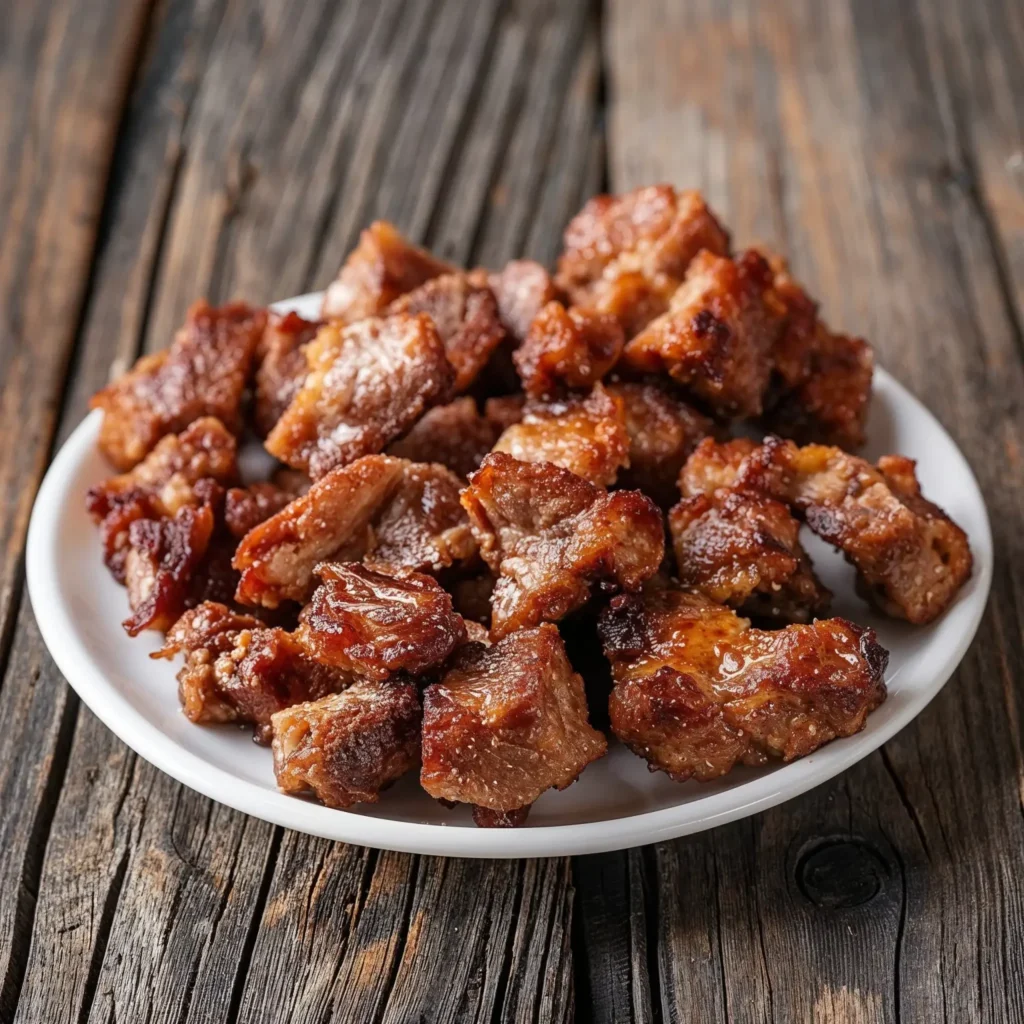
1. Haitian Griot (Marinated Fried Pork)
Griot is Haiti’s most loved pork dish. You marinate pork shoulder in citrus juice, garlic, and herbs.
You boil the pork until tender. Then you fry it until crispy and golden brown outside.
This creates perfectly seasoned meat that’s soft inside and crunchy outside. Haitian families serve griot at parties and special gatherings.
You can pair it with rice, beans, or pikliz for a complete meal.

2. Soup Joumou (Pumpkin Soup)
Soup Joumou is Haiti’s most important dish. You eat this pumpkin soup on January 1st to celebrate Haitian independence.
During French colonial times, slaves could not eat pumpkin soup. After Haiti became free in 1804, people started eating it on New Year’s Day.
You make it with pumpkin, beef, and vegetables like cabbage and root vegetables. The soup also has pasta or rice in it.

3. Tassot (Fried Dried Beef)
Tassot features marinated beef cubes. You marinate the meat in citrus juices, garlic, and spices for bold flavor.
First, you clean the beef with lime or vinegar. Then you boil the marinated meat until tender.
Finally, you fry the beef pieces until they become crispy and golden. This creates a perfect contrast between the tender inside and crunchy outside.
You can serve tassot with fried plantains or rice. It’s commonly part of “fritaille,” a mix of Haitian fried foods served at parties.

4. Pikliz (Spicy Pickled Vegetable Relish)
Pikliz is Haiti’s most popular condiment. You’ll find it on every Haitian table.
This spicy relish combines shredded cabbage, carrots, onions, and hot peppers. The vegetables soak in a vinegar brine that creates a tangy, crunchy side dish.
Scotch bonnet or habanero peppers give pikliz its signature heat. The vinegar adds sharp acidity that cuts through rich foods.
You can serve pikliz with fried pork, plantains, or rice dishes. It balances heavy meals perfectly.
The relish stays fresh for months in your pantry. You only need a small amount to add bold flavor to any meal.

5. Diri Ak Djon Djon (Black Mushroom Rice)
This special rice dish comes from northern Haiti. It uses djon djon mushrooms that grow on rotting wood during rainy seasons.
The black mushrooms give the rice a dark color and earthy taste. When you boil the mushrooms, they release a gray-black liquid that colors the rice.
Haitians serve this dish on Sundays and holidays. You can pair it with meat, fish, or boiled plantains for a complete meal.

6. Marinade (Spiced Haitian Fried Dough Balls)
Don’t let the name fool you – Haitian marinade isn’t a sauce. These are crispy, deep-fried fritters made from spiced batter.
You can make three types of marinade in Haiti. Fish marinade uses cod.
Chicken marinade includes meat pieces. The vegetarian version has no meat at all.
These quick and easy fritters are part of fritay, Haiti’s popular street food. You’ll often find them served hot alongside pikliz and fried plantains.
The batter is well-seasoned before frying. This creates golden, crunchy balls with bold Haitian flavors.

7. Lanmou’n Sere (Haitian Beef Stew)
This hearty beef stew is known as Bouyon Bef in Haiti. You’ll find tender chunks of beef simmered in a rich tomato-based sauce.
The stew typically includes plantains, malanga, and dumplings. Many families make this dish when the weather gets cold or when someone feels sick.
You can use short ribs or beef stew meat for the best results. The meat becomes very tender after slow cooking in the flavorful broth.
Each family has their own version of this recipe. The stew always features bold Haitian spices.

8. Bannan Peze (Fried Plantain Slices)
Bannan Peze makes every Haitian meal complete. You fry green plantains twice to get the perfect crispy texture.
First, you slice the plantains and fry them once. Then you flatten each piece and fry them again.
This double-frying method creates golden, crispy disks. You can soak the plantains in vinegar and salt water before frying.
This adds tangy flavor and helps make them extra crispy. Bannan Peze works as a snack, appetizer, or side dish.
You can serve it with rice and beans or alongside fried meats.

9. Haitian Legume (Vegetable Stew)
Haitian Legume is a hearty vegetable stew that serves as the ultimate comfort food. You’ll find this traditional dish packed with eggplant, chayote, spinach, and carrots in a rich, flavorful broth.
You can make this stew with beef, fish, or keep it vegetarian. The vegetables simmer together with aromatic herbs and spices.
Haitians typically serve legume with white rice or rice and beans. This one-pot dish delivers plenty of nutrients with bold, authentic flavors.

10. Bouillon (Hearty Haitian Broth)
Bouillon is Haiti’s most beloved comfort soup. This hearty dish combines tender meat with root vegetables in a rich, flavorful broth.
Traditionally, you make it with beef, chicken, or pork. The meat simmers with aromatic Haitian spices called epis.
You add potatoes, carrots, plantains, and other vegetables. Many families include dumplings for extra heartiness.
Haitians often prepare this soup on Saturdays. It brings families together around the dinner table for a warm, satisfying meal.

11. Pois Congo (Haitian Red Beans)
Pois Congo is a hearty Haitian red bean dish that serves as comfort food for many families. You cook kidney beans with traditional Haitian seasonings like epis, a flavorful paste made from herbs and spices.
This dish often pairs with white rice to create a complete meal. You can serve it as a main course when meat or fish isn’t available.
The beans absorb rich flavors from garlic, onions, and peppers during cooking. You’ll find this recipe simple but satisfying.

12. Mayi Moulen (Cornmeal Porridge)
You’ll love this creamy Haitian cornmeal dish that’s simple yet satisfying. Mayi moulen means “ground corn” in Haitian Creole.
You cook yellow cornmeal slowly in boiling water with garlic, butter, and salt. The texture becomes smooth and creamy like polenta.
You can eat mayi moulen at any meal. It works great as a side dish or main course.
You’ll often find it served with black bean sauce and sliced avocado. This combination creates a complete, filling meal.

13. Kabrit (Haitian Goat Stew)
Kabrit is a beloved Haitian goat stew that brings rich flavors to your table. The tender goat meat is cooked slowly with traditional Haitian spices.
You start by cleaning the goat meat with sour orange, lime, and vinegar. This removes any strong taste and prepares the meat for cooking.
The stew includes onions, garlic, and peppers for flavor. Many cooks add tomatoes and herbs to make the sauce richer.
You simmer the meat until it becomes tender and falls apart easily. This takes time but creates the perfect texture.

14. Haitian Fried Fish
You’ll love this crispy dish that uses fresh fish like sea bass or red snapper. The fish gets marinated with garlic, thyme, and lime juice.
Haitian seasoning gives the fish its bold flavor. You coat the fish and fry it until golden brown.
This recipe has been passed down through many families in Haiti. The result is perfectly crispy fish with juicy white meat inside.

15. Akra (Malanga Fritters)
Akra are crispy Haitian fritters made from malanga root. This popular snack uses grated malanga mixed with garlic, scallions, and spices.
You’ll find these golden fritters served at special events like baptisms and communions. They’re also a key part of fritay, Haiti’s beloved street food platter.
The malanga root gives akra a unique starchy texture. You deep fry the seasoned mixture until it becomes crunchy on the outside and tender inside.

16. Haitian Corn Fritters
These crispy treats use just four simple ingredients. You need corn, salt, butter, and eggs to make them.
The fritters are easy to prepare at home. They work great as a side dish or snack.
You can serve them at cookouts or family dinners. They’re also perfect for a quiet night in.
The corn fritters are vegetarian-friendly. They have a golden, crispy outside with a soft inside.

17. Haitian Chicken Creole
Haitian Chicken Creole brings bold Caribbean flavors to your kitchen. You’ll love this traditional stewed chicken dish.
The chicken simmers in a rich Creole sauce with garlic, onions, and bell peppers. Fresh herbs and spices create deep, complex flavors.
You can make this comfort food using epis, a special Haitian seasoning base. The tender chicken falls off the bone after slow cooking.
This hearty dish pairs well with rice and beans. Your family will enjoy this authentic taste of Haiti.

18. Dous Makos (Haitian Sugar Candy)
Dous Makos is a sweet vanilla fudge that comes from Petit-Goave, Haiti. This popular candy has three colorful stripes that make it special.
You’ll see a light vanilla layer, a chocolate layer, and a red layer made with food coloring. The candy uses simple ingredients like sugar, milk, and warm spices.
Making Dous Makos takes time and patience. You combine the ingredients and cook the mixture for several hours until it hardens into smooth, creamy fudge.

19. Haitian Rice and Beans
Haitian rice and beans, known as “diri ak pwa,” is a staple dish in every Haitian household. You can make this flavorful meal with different types of beans.
The most popular bean choices are red kidney beans, black beans, and pinto beans. You’ll also need long-grain white rice, onions, garlic, and bell peppers.
This dish serves as both a main course and side dish. The beans provide protein while the rice gives you energy from starch.
You can enhance the flavor with thyme and cloves during cooking.

20. Vodou-Inspired Spiced Chicken
This chicken dish draws from Haiti’s spiritual traditions and bold cooking style. You’ll use a mix of warm spices that create deep, complex flavors.
The spice blend typically includes garlic, thyme, scotch bonnet peppers, and allspice. These ingredients give the chicken a smoky, fiery taste.
You can grill or pan-fry the chicken after marinating it for several hours. The longer marination time helps the spices soak deep into the meat.

21. Haitian Saltfish and Vegetables
You can make this simple dish with salted cod and fresh vegetables. Soak the fish in water first to remove extra salt.
Heat oil in a pan and add onions, peppers, and tomatoes. Cook the vegetables until they get soft.
Add the saltfish and mix everything together. The dish tastes great with rice or plantains.
Many families eat this for breakfast or dinner. You can add different vegetables like carrots or cabbage based on what you have.
Essential Ingredients in Haitian Cuisine
Haitian cooking relies on bold spices like scotch bonnet peppers and epis seasoning blend. Rice, plantains, and yams form the foundation of most meals.
Goat, pork, and fresh seafood provide protein.
Traditional Spices and Seasonings
Epis serves as the heart of Haitian cooking. This green seasoning paste combines parsley, cilantro, garlic, onions, and bell peppers into a flavor base for most dishes.
Scotch bonnet peppers bring intense heat and fruity flavor to Haitian food. These fiery peppers appear in sauces, stews, and marinades throughout the cuisine.
Pikliz adds tangy spice to any meal. This pickled vegetable relish contains cabbage, carrots, scotch bonnets, and vinegar.
Other key seasonings include:
- Thyme – used fresh or dried in meat dishes
- Garlic – appears in nearly every recipe
- Bay leaves – flavor rice and bean dishes
- Black pepper – ground fresh for maximum potency
- Lime juice – brightens flavors and marinates proteins
Maggi seasoning cubes enhance the umami taste in soups and stews. Many Haitian cooks consider these bouillon cubes essential for authentic flavor.
Staple Foods and Produce
Rice appears at almost every Haitian meal. You can eat it plain, cooked with beans, or mixed with vegetables and meat.
Black beans pair with rice to create the classic “diri ak pwa” combination. Red kidney beans also feature in many traditional recipes.
Plantains serve multiple purposes in Haitian cooking. Green plantains get fried as banann boukannen or mashed into mangu.
Sweet ripe plantains become banann fri. Yams, sweet potatoes, and malanga provide starchy foundations for hearty meals.
These root vegetables often replace or accompany rice. Breadfruit grows abundantly in Haiti.
Cooks boil, fry, or roast this versatile fruit as a potato substitute. Fresh vegetables include:
- Bell peppers – red, green, and yellow varieties
- Onions – white and red types for different dishes
- Tomatoes – fresh and paste forms
- Okra – adds thickness to stews
- Cabbage – eaten fresh or pickled
Key Proteins and Seafood
Goat meat holds special importance in Haitian culture. Kabrit boukannen (grilled goat) appears at celebrations and special occasions.
Pork creates the beloved griot dish. This twice-cooked pork gets boiled then fried until crispy outside but tender inside.
Chicken appears in many forms. Poul nan sos (chicken in sauce) and poulet aux noix (chicken with cashews) rank among the most popular preparations.
Fresh seafood comes from Haiti’s coastal waters. Red snapper, grouper, and lobster feature prominently in seaside restaurants and home kitchens.
Salt cod provides protein in rural areas where fresh fish costs more. Cooks soak and prepare this preserved fish for dishes like morue.
Beef appears less frequently but makes excellent bouillon (soup) and grilled steaks. Ground beef fills pate (meat pies) sold as street food.
Eggs supplement protein needs and appear in breakfast dishes and baked goods throughout Haiti.
Cooking Techniques Unique to Haiti
Haitian cooking relies on extended marination periods using citrus-based marinades. Slow braising methods develop deep flavors.
Most dishes also feature a sofrito-style base called “epis.” Specific high-heat frying techniques create the signature textures found in authentic Haitian cuisine.
Marination and Slow Cooking Methods
Haitian cooks use citrus-heavy marinades that tenderize meat for hours or overnight. Lime juice, sour orange, and lemon serve as the main acids in these mixtures.
The marinade also includes epis, a blended seasoning paste. This contains parsley, cilantro, green onions, garlic, and peppers.
You blend these fresh herbs with oil to create a thick base. Slow braising is another key technique.
Cooks brown meat first, then cook it covered with liquid at low heat. This method works for dishes like griyo (fried pork) and boukannen (grilled meat).
The cooking happens in heavy pots over low flames. You let the meat cook for 2-3 hours until it falls apart easily.
This creates tender textures that absorb the marinade flavors completely.
Frying and Sautéing Practices
Haitian frying uses very hot oil to create crispy exteriors while keeping meat tender inside. You heat the oil until it almost smokes before adding food.
Double frying is common for dishes like griyo. You fry the marinated pork once at medium heat, then again at high heat.
This creates the signature crispy skin. For vegetables, cooks use quick sautéing with epis as the base.
You heat oil, add the herb mixture, then toss vegetables rapidly. This keeps them bright and slightly crunchy.
Plantain frying requires specific oil temperatures. You fry green plantains at 325°F for banann boukannen.
For sweet plantains, you use 350°F to caramelize the sugars properly.
Frequently Asked Questions
Haitian cuisine combines African, French, and indigenous Taíno influences to create bold, flavorful dishes that reflect the country’s rich cultural history. These common questions address traditional recipes, cultural significance, preparation methods, and authentic dish names.
What are some classic dishes to include in a traditional Haitian meal?
A traditional Haitian meal centers around rice and beans with flavorful meat dishes. Griot serves as the most popular main course, featuring marinated pork that’s fried until crispy.
Soup Joumou holds special cultural meaning as Haiti’s national soup. You’ll find this pumpkin-based soup served on Independence Day and other important celebrations.
Tassot offers another classic protein option with its fried dried beef preparation. The meat gets seasoned with garlic, scotch bonnet peppers, and other spices before frying.
Pikliz appears on almost every Haitian table as a spicy condiment. This pickled vegetable relish adds heat and tang to any meal.
How does Haitian food reflect the country’s cultural influences?
Haitian cuisine shows clear African roots through its use of bold spices and one-pot cooking methods. Many dishes feature scotch bonnet peppers, garlic, and thyme that create intense flavors.
French colonial influence appears in cooking techniques and some ingredients. You’ll notice this in the way meats get marinated and in certain sauce preparations.
Indigenous Taíno influences show up in the use of local vegetables and fruits. Sweet potatoes, plantains, and tropical seasonings come from these original inhabitants.
Spanish elements entered through shared island history with the Dominican Republic. Some spice combinations and preparation styles reflect this connection.
Can you provide a guide for making authentic Soup Joumou?
Start with a whole pumpkin or butternut squash as your base ingredient. Cut the pumpkin into chunks and boil until tender, then blend or mash smooth.
Add beef chunks, carrots, cabbage, and potatoes to create a hearty soup. Season with garlic, thyme, scotch bonnet peppers, and salt to taste.
Cook pasta separately and add it to the soup near the end. Macaroni or other small pasta shapes work best for this dish.
Simmer everything together for about 30 minutes. The soup should be thick but not too heavy, with tender vegetables throughout.
What are the most popular Haitian desserts and how are they prepared?
Pain Patate ranks as Haiti’s most beloved dessert, made from sweet potatoes. You blend sweet potatoes with coconut milk, spices, and sometimes raisins before baking.
Akasan provides a popular drink-dessert made from corn flour. Cooks prepare the corn flour with milk, sugar, vanilla, and cinnamon until thick and creamy.
Tablet Coconut offers a simple candy made from fresh coconut and sugar. Grate fresh coconut, cook it with sugar syrup, then form into small squares.
Pen Patat features sweet potato combined with coconut and spices. This dessert gets baked until firm and cut into serving pieces.
Could you depict the variety of Haitian cuisines through photos?
Haitian dishes create colorful, appealing presentations that photograph well. Griot shows golden-brown pork pieces alongside white rice and red beans.
Soup Joumou displays a bright orange color from the pumpkin base. The soup contains visible pasta, meat chunks, and green vegetables floating throughout.
Pikliz adds vibrant colors with its mix of cabbage, carrots, and peppers. The pickled vegetables create an attractive rainbow of colors in glass jars.
Diri Ak Djon Djon presents striking black rice that contrasts beautifully with other colorful side dishes. The dark mushrooms turn the rice an unusual deep gray color.
What are the Haitian Creole names for common Haitian dishes?
Griot keeps the same name in both English and Haitian Creole. This marinated fried pork dish represents one of Haiti’s most famous exports.
Soup Joumou translates directly from Creole, with “joumou” meaning pumpkin. Some people also call it “soup boukannen” in certain regions.
Pikliz comes from the Creole word for pickled vegetables. People also call it “pik” for short in casual conversation.
Diri Ak Djon Djon means “rice with black mushrooms” in English. The “djon djon” refers specifically to the dried black mushrooms used.
Tassot derives from the Creole term for dried, fried meat. Both beef and goat versions exist, called “tassot kabrit” for goat.