
Hawaiian cuisine brings together flavors from many cultures to create unique and tasty dishes. The islands’ food combines native Hawaiian traditions with influences from Japan, Portugal, China, and other places that shaped Hawaii’s history.
These authentic Hawaiian recipes help you make island-style meals at home using ingredients you can find at most grocery stores. From fresh poke and tender kalua pork to sweet haupia and crispy spam musubi, you can explore the diverse tastes that make Hawaiian food special.
Many of these dishes feature tropical fruits, fresh seafood, and simple cooking methods. These methods let the natural flavors shine through.
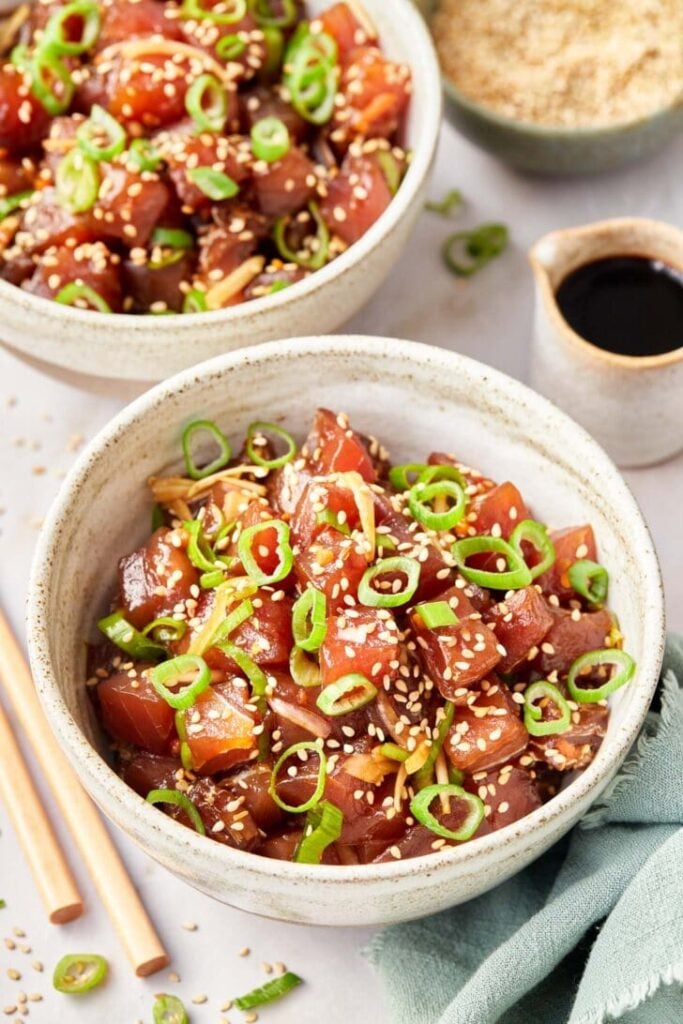
1. Ahi Poke
Ahi poke is Hawaii’s most famous raw fish dish. You cube fresh ahi tuna and marinate it in simple ingredients.
The traditional recipe uses soy sauce, sesame oil, and onions. Some versions add seaweed or green onions for extra flavor.
You can make this dish in just 15 minutes. Use the freshest tuna you can find, even if it’s frozen and thawed.
Serve your poke over rice or eat it as an appetizer. The buttery tuna pairs perfectly with the salty marinade.

2. Spam Musubi
Spam musubi is Hawaii’s most famous snack. You get savory glazed Spam layered with sticky sushi rice and wrapped in crispy nori seaweed.
This handheld treat takes less than 30 minutes to make. You cook the Spam with a teriyaki glaze for sweet and salty flavor.
The rice sticks everything together perfectly. You can add furikake seasoning for extra taste.
Spam musubi works great as a quick lunch or portable snack.

3. Kalua Pork
Kalua pork is a traditional Hawaiian dish that brings smoky, tender flavors to your table. You only need three basic ingredients to make this authentic recipe at home.
The pork shoulder cooks low and slow until it falls apart easily. You can use your oven, slow cooker, or Instant Pot to prepare it.
Hawaiian sea salt and liquid smoke create the signature taste. Some recipes wrap the meat in banana leaves for extra flavor.

4. Loco Moco
Loco moco is Hawaii’s favorite comfort food. This hearty dish combines four simple ingredients into one satisfying meal.
You’ll find rice as the base, topped with a juicy hamburger patty. A fried egg sits on top, with rich brown gravy covering everything.
The dish started in Hawaii and became popular across the islands. It works great for breakfast, lunch, or dinner.
You can make loco moco at home in about 30 minutes. Use jasmine rice and ground beef for the best results.

5. Huli Huli Chicken
Huli Huli Chicken brings authentic Hawaiian BBQ flavor to your table. The word “huli” means “turn” in Hawaiian, referring to how you rotate the chicken while cooking.
This dish features chicken marinated in a sweet and savory sauce. Pineapple juice is the key ingredient that creates the tropical taste.
You should marinate the chicken for at least 3 hours. For best results, let it sit for 24 to 48 hours so the flavors soak in completely.
You can grill, bake, or air fry this chicken. The cooking method creates a juicy interior with a caramelized exterior.

6. Shoyu Chicken
Shoyu chicken brings Hawaii’s comfort food to your kitchen. This dish features tender chicken thighs cooked in a sweet and salty soy sauce glaze.
You only need six basic ingredients to make this recipe. Soy sauce, brown sugar, garlic, and ginger create the signature flavor.
The chicken simmers slowly until it falls apart easily. This one-pot meal takes less than one hour to prepare.
Serve your shoyu chicken over steamed rice with mac salad on the side for an authentic Hawaiian plate lunch.
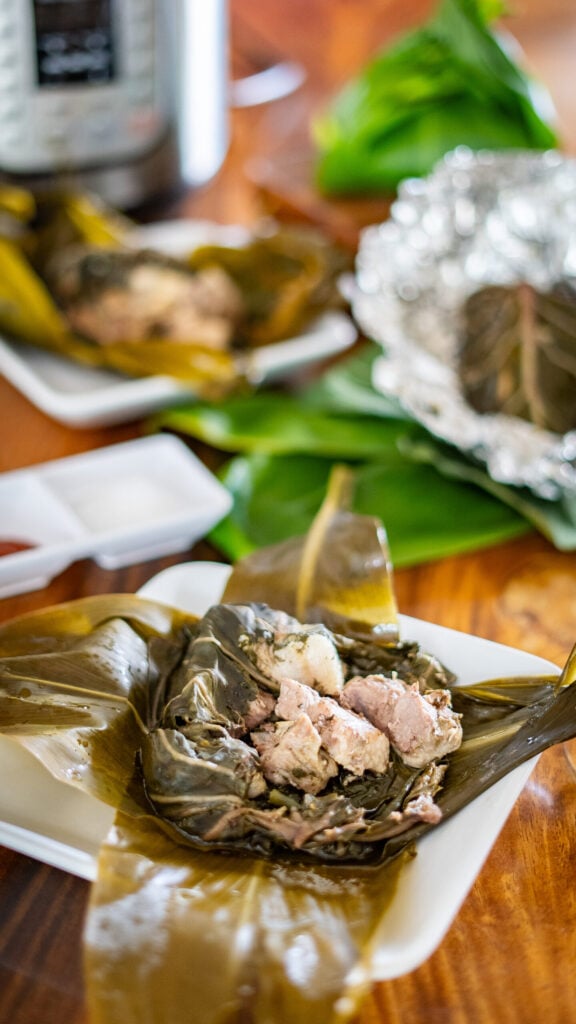
7. Lau Lau
Lau lau is a traditional Hawaiian comfort food that brings authentic island flavors to your table. This dish features tender pork and salted butterfish wrapped in taro leaves and ti leaves.
You steam the wrapped bundles until the meat becomes moist and melts in your mouth. The taro leaves add a unique earthy flavor that makes this dish special.
Serve your lau lau with steamed rice or poi for a complete Hawaiian meal. This popular dish appears at many Hawaiian celebrations and family gatherings.

8. Haupia
Haupia is a traditional Hawaiian coconut pudding you’ll find at every luau. This creamy dessert has a smooth, jelly-like texture that melts in your mouth.
You only need four simple ingredients: coconut milk, sugar, cornstarch, and water. The pudding is typically served in small squares and chilled before eating.
This naturally dairy-free and gluten-free treat offers refreshing coconut flavor. You can enjoy haupia on its own or use it as a topping for cakes and pies.

9. Grilled Teriyaki Beef
Grilled teriyaki beef brings authentic Hawaiian flavors to your backyard. You marinate tender cuts of beef in a sweet and salty teriyaki sauce made with soy sauce, sugar, garlic, and ginger.
Flank steak works best for this dish. The meat soaks up the marinade and stays juicy when grilled over high heat.
You can make your own teriyaki sauce or buy it from the store. Homemade sauce gives you better control over the sweetness and salt levels.
Grill the beef for just a few minutes on each side. This keeps it tender and prevents overcooking.

10. Macaroni Salad
Hawaiian macaroni salad is a plate lunch staple you’ll find everywhere in Hawaii. This creamy side dish uses simple ingredients like elbow macaroni, mayonnaise, and grated carrots.
The pasta is cooked until very tender, almost overcooked by mainland standards. This gives it the perfect texture to absorb the tangy dressing.
You’ll taste a balance of sweet and savory flavors. The mayonnaise-based dressing often includes a touch of pickle juice for extra tang.
This comfort food pairs perfectly with grilled meats at your next barbecue or luau.

11. Portuguese Sausage
Portuguese sausage became a Hawaiian staple when Portuguese workers arrived in the 1800s to work sugar plantations. They brought traditional sausage-making skills and adapted their recipes for local tastes.
This spiced pork sausage features paprika as its signature flavor. You’ll find it on breakfast plates across Hawaii, from McDonald’s to local plate lunch spots.
The most popular way to enjoy Portuguese sausage is with rice and eggs for breakfast. You can also add it to fried rice or bean soup for extra flavor.

12. Saimin Noodles
Saimin is Hawaii’s beloved noodle soup that you can eat any time of day. This comfort food combines wheat and egg noodles in a flavorful dashi-based broth.
You’ll find saimin topped with spam, sliced egg, kamaboko, and green onions. The dish blends Japanese, Chinese, and Filipino influences into something uniquely Hawaiian.
You can grab saimin at local spots like Zippy’s or make it at home using Sun Noodle’s fresh noodles from Hawaiian grocery stores.

13. Malasadas
Malasadas are Hawaii’s version of Portuguese donuts. You’ll find these fluffy, fried treats at bakeries and food trucks across the islands.
These sweet donuts are made from yeast dough and deep-fried until golden. They’re rolled in sugar while still warm.
You can eat malasadas plain or filled with custard, haupia, or guava jam. Many locals enjoy them for breakfast with coffee.
The best malasadas are fresh and warm. Look for places that make them throughout the day for the fluffiest texture.

14. Pineapple Fried Rice
This sweet and savory dish brings tropical flavors to your dinner table. You combine day-old rice with juicy pineapple chunks and diced ham or spam.
The recipe takes about 20-25 minutes to make. You stir-fry everything together with vegetables like peas, carrots, and bell peppers.
Soy sauce and sesame oil add the savory base flavors. The pineapple provides natural sweetness that balances the salty meat perfectly.
You can serve this as a main dish or side. It works great for weeknight dinners when you want something quick and tasty.

15. Taro Chips
Taro chips are a crunchy Hawaiian snack made from thinly sliced taro root. This purple root vegetable is a staple in Hawaiian cooking.
You can make taro chips three different ways. Deep frying gives the crispiest results.
Baking works well for a healthier option. Air frying creates crispy chips with less oil.
The chips take about 30 minutes to make using any method. Taro chips taste earthy and slightly sweet.
They make a healthier alternative to regular potato chips with fewer calories.

16. Chicken Long Rice
This Hawaiian comfort food combines tender chicken with clear vermicelli noodles in a light, flavorful broth. You’ll taste the fresh ginger and green onions that make this dish special.
Chicken long rice is a favorite at Hawaiian luaus and family gatherings. The dish has Chinese roots but became a true Hawaiian staple over time.
You can serve it as a side dish or light main course. The clear broth and soft noodles make it perfect for warm weather or when you want something comforting.

17. Coconut Haupia Pie
Coconut haupia pie brings together Hawaii’s most loved dessert in pie form. You get creamy coconut pudding layers with rich chocolate filling in a buttery crust.
The pie uses coconut milk, sugar, and cornstarch to create the smooth haupia layer. Most recipes add chocolate for extra richness.
You can serve this pie chilled with whipped cream on top. It works great for parties or family dinners when you want something tropical and sweet.

18. Hawaiian Sweet Bread
Hawaiian sweet bread offers a soft, fluffy texture with subtle sweetness. This enriched bread contains ingredients like flour, sugar, milk, and eggs.
You can make this versatile bread at home using basic pantry ingredients. The recipe works well for both round loaves and dinner rolls.
This bread pairs perfectly with butter as a side dish. You can also save leftovers for French toast the next morning.

19. Garlic Shrimp Plate
You can taste Hawaii’s famous garlic shrimp without visiting the North Shore food trucks. This dish features shell-on shrimp coated in seasoned flour and pan-fried until golden.
The shrimp gets tossed in rich garlic butter sauce with crispy garlic bits. You’ll need plenty of napkins for this messy but delicious meal.
Serve your garlic shrimp over white rice with a side of macaroni salad. The combination creates an authentic Hawaiian plate lunch at home.

20. Manapua (Steamed Pork Buns)
Manapua brings Hawaiian comfort food to your table. These soft steamed buns hold sweet char siu pork filling inside fluffy dough.
You can steam or bake these buns. The pork filling uses Chinese BBQ pork with oyster sauce and hoisin sauce.
Hawaii made these buns bigger and sweeter than the original Chinese version. You’ll find many flavors like chicken curry, teriyaki beef, or purple yam at local shops.
Making manapua takes time but creates a satisfying snack or meal.

21. Beef Teriyaki
You can make authentic Hawaiian beef teriyaki with simple ingredients. Use flank steak for the best results.
The marinade combines soy sauce, brown sugar, garlic, and ginger. Add pineapple juice for that tropical Hawaiian taste.
Grill the marinated beef on a griddle or stovetop. Cook until tender and caramelized.
Serve over steamed white rice. Top with green onions and sesame seeds for extra flavor.
Core Elements of Hawaiian Cuisine
Hawaiian cuisine blends native ingredients like poi and seafood with Asian, Polynesian, and American influences through unique cooking methods. Traditional techniques include underground roasting, while modern fusion incorporates teriyaki glazes and spam into classic dishes.
Traditional Ingredients and Flavors
Native Hawaiian ingredients form the foundation of island cooking. Taro root gets pounded into poi, a purple paste that serves as a staple food.
Sweet potato, breadfruit, and coconut appear in many traditional recipes. Fresh seafood dominates Hawaiian menus.
Ahi tuna, mahi-mahi, and salmon feature in dishes like poke bowls and lomi lomi salmon. The ocean provides the main protein source for island cooking.
Tropical fruits add sweetness and color. Pineapple, mango, papaya, and passion fruit appear in both sweet and savory dishes.
These fruits balance salty and smoky flavors in marinades and sauces. Sea salt and seaweed enhance natural flavors.
Hawaiian sea salt contains minerals that add depth to grilled meats and vegetables. Seaweed wraps foods and adds umami taste to soups and salads.
Fusion Influences and Modern Twists
Asian flavors shape modern Hawaiian cooking. Soy sauce, ginger, and garlic appear in marinades for kalua pork and teriyaki chicken.
Rice replaces traditional starches in many local dishes.
Spam and canned goods became popular during World War II. Spam musubi combines Japanese rice balls with American processed meat.
This fusion created entirely new Hawaiian comfort foods.
Portuguese and Filipino influences add bread and vinegar-based dishes. Malasadas (Portuguese donuts) and adobo-style preparations blend with island ingredients.
These cultures brought their own cooking methods to Hawaii.
American ranch and barbecue styles influence modern Hawaiian cooking. Plate lunches combine local ingredients with mainland comfort food formats.
Ranch dressing and barbecue sauce appear alongside traditional preparations.
Cooking Methods and Techniques
Underground pit cooking creates signature Hawaiian flavors. The imu pit uses hot rocks and banana leaves to steam whole pigs for kalua pork.
This method takes 12-24 hours and creates tender, smoky meat.
Grilling over volcanic rock adds unique taste to seafood and vegetables. Lava rock retains heat longer than regular charcoal.
This method creates crispy exteriors while keeping interiors moist.
Raw preparation techniques preserve fresh flavors in dishes like poke. Salt and seaweed cure fresh fish without heat.
Acidic ingredients like lime juice “cook” the proteins through chemical processes.
Steaming in leaves keeps foods moist and adds plant flavors. Ti leaves and banana leaves wrap fish, pork, and vegetables.
This method prevents burning while adding subtle herbal notes to the final dish.
Tips for Preparing Authentic Hawaiian Dishes
Fresh ingredients and proper presentation make Hawaiian dishes taste their best. You need to focus on quality produce and traditional serving methods to create meals that capture the true spirit of island cooking.
Sourcing Fresh Local Produce
Fish and seafood form the heart of Hawaiian cooking. Look for sushi-grade ahi tuna at Asian markets or specialty fish counters.
The fish should smell like ocean water, not “fishy.”
Your poke will only taste as good as your fish quality. Buy fish the same day you plan to use it.
Tropical fruits add sweetness and color to Hawaiian dishes. Check these sources for the freshest options:
- Asian grocery stores (best for lychee, dragon fruit)
- Mexican markets (ripe pineapples, papayas)
- Health food stores (coconut products, passion fruit)
- Online specialty retailers (hard-to-find items)
Root vegetables like taro can be tricky to find. Sweet potatoes work as a substitute in many recipes.
Look for purple sweet potatoes at farmers markets.
Coconut milk should be full-fat and unsweetened. Shake the can before buying—you should hear liquid moving inside.
Serving Suggestions and Presentation
Traditional serving styles keep dishes simple and fresh. Serve poke in wooden bowls if possible.
Use banana leaves as natural placemats or food wrapping.
Color combinations matter in Hawaiian food. Pair bright fish with green seaweed.
Add orange carrot strips to white rice. Purple cabbage makes any plate pop.
Temperature contrast adds interest to meals. Serve cold poke over warm rice.
Pair hot grilled meats with chilled fruit salad.
Family-style portions match Hawaiian culture. Put large platters in the center of the table.
Let everyone share and try different combinations.
Garnishes should be edible and meaningful. Use toasted coconut flakes, chopped macadamia nuts, or fresh cilantro.
Skip fancy decorations that don’t add flavor.
Frequently Asked Questions
What are some traditional Hawaiian dinner recipes suitable for a family gathering?
Kalua pork works perfectly for feeding large groups. You slow-cook a whole pork shoulder with sea salt until it falls apart easily.
Lau lau makes another excellent choice for families. This dish wraps salted pork and salted fish in taro leaves, then steams everything for hours.
Huli huli chicken feeds many people without much effort. You marinate chicken pieces in a sweet teriyaki-style sauce and grill them while turning frequently.
Poi serves as the traditional starch that goes with these main dishes. You make it by pounding cooked taro root into a smooth paste.
How can one make a healthy version of a classic Hawaiian dish?
You can make healthier poke by choosing lean ahi tuna and adding more vegetables. Use less sauce and include cucumber, edamame, and seaweed for extra nutrients.
For a lighter loco moco, try brown rice instead of white rice. Use lean ground turkey instead of beef and add a fried egg with the yolk still runny.
Swap regular white rice for cauliflower rice in many Hawaiian dishes. This cuts calories and adds more vitamins to your meal.
You can also grill instead of frying when possible. Grilled Spam musubi tastes great and has less oil than the fried version.
Are there any authentic old Hawaiian recipes that are still popular today?
Poi remains one of the oldest Hawaiian foods still eaten today. Native Hawaiians have made this taro root dish for over 1,000 years.
Lau lau also dates back centuries to before European contact. The cooking method of wrapping food in leaves and steaming it underground stays the same.
Kalua pig used to cook in underground ovens called imu. Many families still use this traditional method for special occasions and holidays.
Haupia coconut pudding has ancient roots too. Traditional recipes used fresh coconut milk and arrowroot to thicken the dessert.
Spam musubi became popular during plantation days when workers needed portable meals. Rice and canned meat provided cheap, filling energy for long work days.
Plate lunches started on plantations too. These meals include rice, macaroni salad, and a protein like teriyaki chicken or kalua pork.
Portuguese malasadas came from plantation workers who brought their donut recipes from home. These fried dough balls became a local favorite.
Mixed rice dishes combined ingredients from different cultures. Workers shared recipes that blended Asian, Portuguese, and Hawaiian cooking styles.
Can you suggest some Hawaiian recipes that would be ideal for a potluck?
Spam musubi travels well and everyone can grab pieces easily. You make these rice balls ahead of time and they stay good at room temperature.
Ahi poke works great for potlucks if you keep it cold. Bring it in a cooler and serve it with tortilla chips or over rice.
Huli huli chicken tastes good hot or at room temperature. The sweet glaze keeps the meat moist even after it cools down.
Hawaiian mac salad is a potluck classic. This creamy side dish pairs well with almost any main course and feeds many people cheaply.
What is a classic ‘ono’ Hawaiian dish and how is it prepared?
Ono means “delicious” in Hawaiian. Ahi poke is considered one of the most ono dishes in Hawaiian cuisine.
You make poke by cutting fresh ahi tuna into cubes. Mix the fish with sea salt, seaweed, and onions for the most basic version.
Use sushi-grade tuna that’s very fresh. You want the fish to taste clean and sweet.
Serve poke immediately after making it. The salt will start cooking the fish if you let it sit too long.