
Korean cuisine offers much more than just savory dishes like kimchi and bulgogi. The country has a rich tradition of sweet treats that range from ancient rice cakes to modern fusion desserts.
These desserts use unique ingredients like red beans, glutinous rice, and sweet potato to create flavors you won’t find anywhere else. You’ll discover everything from refreshing shaved ice desserts perfect for hot weather to warm pancakes filled with sweet ingredients.
Whether you’re interested in simple recipes you can make at home or want to understand the cultural meaning behind these sweets, these Korean desserts offer something for every taste preference.
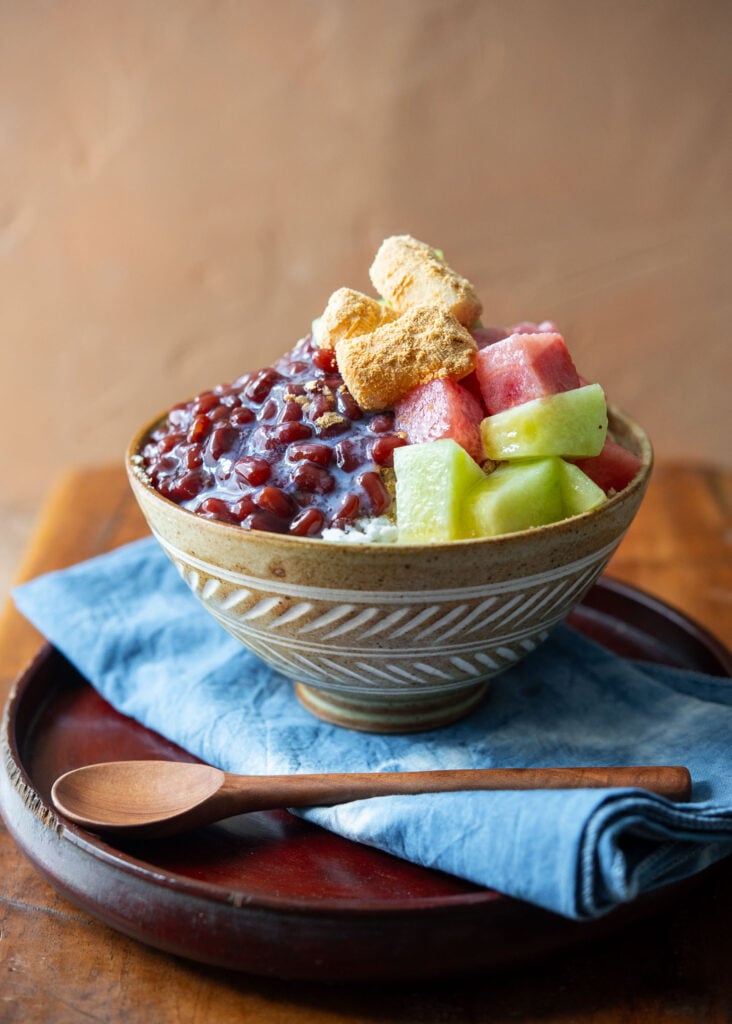
1. Patbingsu (Red Bean Shaved Ice)
Patbingsu is Korea’s most popular summer dessert. You’ll find this refreshing treat at cafes and restaurants across the country.
The base is finely shaved ice topped with sweet red beans. Many versions include fresh fruit, rice cakes, and condensed milk.
You can make it at home with a shaved ice machine or blender. You can use homemade or canned sweet red beans.

2. Hotteok (Sweet Korean Pancakes)
Hotteok is Korea’s most beloved winter street food. You’ll find these warm pancakes sold from carts on every Seoul street corner during cold months.
The pancakes have a crispy outside and chewy inside. They’re stuffed with a sweet filling made from brown sugar, cinnamon, and chopped nuts like walnuts.
When you bite into hotteok, the hot sugar syrup oozes out. You can easily make them at home with basic ingredients.

3. Yakgwa (Honey Cookies)
You’ll love these traditional Korean honey cookies that taste amazing. They’re made with flour, sesame oil, honey, and ginger.
The cookies are deep-fried and then soaked in sweet honey syrup. This makes them crispy on the outside and chewy inside.
You can find yakgwa shaped like flowers or cut into squares. They have a rich, sweet taste with hints of ginger and sesame.
These cookies are popular during Korean holidays and celebrations like New Year’s and weddings.

4. Tteok (Korean Rice Cakes)
Tteok are traditional Korean rice cakes made from glutinous rice flour. They offer a unique chewy texture that makes them stand out from other desserts.
You’ll find many different types of tteok. Popular varieties include songpyeon, baekseolgi, and injeolmi.
Each has its own distinct flavor and texture. These rice cakes can be sweet or savory.
They’re often dusted with soybean powder or filled with sweet red bean paste. Tteok plays an important role in Korean celebrations and ceremonies.
You can enjoy them as everyday snacks or special occasion treats.

5. Bungeoppang (Fish-shaped Pastry)
You’ll find bungeoppang sold as a popular Korean street snack, especially during winter months. These fish-shaped pastries have a crispy outer shell with a soft, chewy interior.
The traditional filling is sweet red bean paste. You can also enjoy modern versions filled with custard, cheese, or chocolate.
You make bungeoppang using a special fish-shaped mold, similar to a waffle iron. The pastry originated from Japanese taiyaki but became a beloved part of Korean food culture.

6. Chapssaltteok (Glutinous Rice Cake)
You’ll love chapssaltteok, a chewy Korean dessert made from glutinous rice flour. This sweet treat looks similar to Japanese mochi but has its own unique taste.
The soft, sticky exterior wraps around sweet red bean paste filling. You can also find modern versions with chocolate or caramel inside.
Koreans traditionally enjoy chapssaltteok during special occasions and festivals. You can eat it as a snack or pair it with tea for a perfect afternoon treat.

7. Mochi Ice Cream
Mochi ice cream combines the best of two worlds. You get chewy rice cake dough wrapped around creamy ice cream.
The outer layer is made from glutinous rice flour, sugar, and water. The filling can be any ice cream flavor you like.
You can make this treat at home easily. Shape small ice cream balls first.
Then wrap them in the soft mochi dough and freeze. This dessert works great for hot days.
The cool ice cream and chewy texture make it a perfect handheld snack.

8. Songpyeon (Half-moon Rice Cake)
You’ll find songpyeon on every Korean table during Chuseok, Korea’s harvest moon festival. These small rice cakes get their distinctive half-moon shape from careful hand-forming.
The dough comes from rice flour mixed with water. You can fill them with sweet sesame seeds, red bean paste, or chestnuts.
What makes songpyeon special is the steaming process. They cook on a bed of pine needles, which gives them a fresh pine scent.
The name “songpyeon” actually means pine rice cake because of this tradition.

9. Hodugwaja (Walnut Cake)
Hodugwaja is a beloved Korean street snack shaped like walnuts. These bite-sized pastries come from Cheonan, South Korea.
You’ll find sweet red bean paste and chopped walnuts inside each cake. The combination creates a rich, nutty flavor that locals love.
Korean rest stops and street vendors commonly sell these treats. The pastry shell is soft and slightly sweet.
You can make hodugwaja at home using flour, yeast, and milk for the dough. The filling uses store-bought or homemade red bean paste mixed with walnuts.

10. Injeolmi (Soybean Powder Rice Cake)
Injeolmi is a chewy Korean rice cake made from sweet glutinous rice. You’ll find this traditional treat covered in roasted soybean powder that gives it a nutty flavor.
The rice cake has a soft, sticky texture similar to mochi. You can make it quickly using a microwave method in about 10 minutes.
Koreans often eat injeolmi during special occasions and festivals like Chuseok. The roasted soybean coating creates a nice contrast with the sweet rice base.
You can enjoy this simple dessert with tea or your favorite drink.

11. Mochi Bingsu
Mochi bingsu adds chewy rice cakes to the classic Korean shaved ice dessert. The soft mochi pieces create a fun texture contrast with the fluffy ice.
You can make this treat by shaving frozen milk into fine flakes. Then add small mochi balls on top along with condensed milk.
The chewy mochi makes each bite more interesting. You can also add fresh fruit or red bean paste for extra flavor.
This dessert works great on hot days when you want something cold and satisfying.

12. Gyeongdan (Sweet Rice Balls)
These chewy rice cake balls are a beloved Korean dessert. You’ll find them filled with sweet red bean paste and rolled in colorful powders.
Gyeongdan uses glutinous rice flour as its main ingredient. The dough gets shaped into small balls and stuffed with filling.
Koreans traditionally eat these treats during special occasions like Lunar New Year. The colorful coatings include sesame seeds, mugwort powder, and other natural ingredients.
You can make gyeongdan at home with simple ingredients. The process involves kneading rice flour dough and rolling the finished balls in your chosen coating.

13. Sikhye (Sweet Rice Drink)
Sikhye is Korea’s most popular traditional sweet drink. You’ll find this refreshing beverage served as dessert in Korean restaurants.
This non-alcoholic drink combines fermented malt barley with cooked rice. The fermentation process turns the rice grains white and soft while creating a light amber liquid.
You can taste the drink’s mild sweetness and unique malty flavor. It’s often garnished with pine nuts or jujube dates for extra taste.
Korean families serve sikhye after meals to help with digestion. You can enjoy it chilled or with ice.

14. Dalgona Candy
Dalgona candy is a Korean street snack made with just sugar and baking soda. You might know it as honeycomb toffee or sponge candy.
This sweet treat has been popular in Korea for over 50 years. It became famous worldwide after appearing in the Netflix show Squid Game.
You can make dalgona at home easily. The candy has a light, airy texture and sweet caramel taste.
Many Korean cafes now use dalgona flavor in ice creams and other desserts.

15. Ssuktteok (Mugwort Rice Cake)
Ssuktteok is a traditional Korean rice cake made with mugwort. The green herb gives it a unique earthy flavor and bright color.
You can find this dessert served during spring celebrations. Mugwort adds a fresh, herbal taste that makes it different from other rice cakes.
The cake has a soft, chewy texture. You can eat it plain or dip it in honey or sesame oil for extra sweetness.

16. Hwajeon (Flower Pancakes)
Hwajeon are Korean flower pancakes made with glutinous rice flour and topped with edible flower petals. You’ll find them served during spring when azalea flowers bloom wild in the mountains.
These pancakes have a chewy, sticky texture inside with a lightly crisp outside. The petals from azaleas, chrysanthemums, or rose petals give them their unique look and taste.
You can enjoy hwajeon drizzled with honey or sugar syrup for sweetness. Korean families traditionally made these during Buddha’s Birthday and special holidays as a beautiful dessert option.

17. Jeonggwa (Candied Fruit)
Jeonggwa is a traditional Korean candy made from fruits, roots, or seeds. You’ll find it has a crispy and chewy texture with bright colors.
The candy is made by cooking sliced ingredients in honey, sugar water, or rice syrup. Popular varieties include ginseng, ginger, lotus root, and citrus fruits.
This sweet treat was once only for wealthy families because sugar was rare in Korea. Today you can enjoy jeonggwa as a healthy snack that’s often served with tea.

18. Kkwabaegi (Twisted Doughnuts)
You can find these twisted treats at Korean bakeries and street food stands. Kkwabaegi are made from yeasted dough that gets twisted into rope-like shapes before frying.
The donuts turn golden brown and crispy on the outside. Inside, they stay soft and fluffy with a nice chew.
Most kkwabaegi get rolled in cinnamon sugar while still warm. This coating adds sweetness and spice to each bite.
You can enjoy these donuts as an after-school snack or breakfast treat. They pair well with coffee or tea.

19. Chestnut Cake (Bam Tteok)
Chestnut cake combines sweet chestnuts with soft rice cake texture. You’ll find this dessert made with chestnut flour or chestnut paste mixed into traditional tteok.
The cake has a nutty flavor and dense texture. Chestnuts add natural sweetness and make the dessert more filling than regular rice cakes.
You can enjoy bam tteok warm or at room temperature. Some versions include honey or other sweeteners to boost the flavor.
This dessert works well as an afternoon snack or light meal.

20. Misutgaru (Multi-grain Powder Drink)
Misutgaru is a Korean drink made from roasted grain powder. The powder contains different grains like barley, brown rice, and black beans.
You mix the powder with cold milk or water to make the drink. It tastes nutty and earthy from the roasted grains.
Many Koreans drink it as a healthy breakfast or snack. The drink is low in calories but filling and full of protein.
You can find misutgaru powder at Korean markets or online stores.

21. Baesuk (Steamed Pear Dessert)
Baesuk is a traditional Korean dessert made with steamed pears. You can serve it hot or cold as both a sweet treat and natural remedy.
The pear is hollowed out and filled with honey, ginger, and cinnamon. Pine nuts and jujubes are often added for extra flavor and texture.
This dessert was once served only in the Korean Royal Court. It became popular with the public in the mid-twentieth century.
You can make baesuk with Korean pears or regular bosc pears. Many people eat it when they have coughs or colds because of its soothing properties.
Cultural Significance of Korean Desserts
Korean desserts carry deep meaning beyond their sweet flavors. They connect you to centuries-old traditions through festival celebrations and reflect the unique history of different Korean regions.
Traditional Celebrations and Festivals
Korean desserts play essential roles in major celebrations throughout the year. During Chuseok (Korean Thanksgiving), families gather to share songpyeon, small rice cakes filled with sweet ingredients like red beans or chestnuts.
Lunar New Year brings yakgwa, honey cookies shaped like flowers. These golden treats symbolize prosperity and good fortune for the coming year.
Wedding ceremonies feature special desserts that represent happiness and unity between families. Jujube and chestnut combinations appear frequently because they symbolize fertility and abundance.
Buddhist temple celebrations include desserts made without animal products. Monks create intricate sweet treats using plant-based ingredients that follow religious dietary rules.
Festival desserts often use specific colors that carry meaning. Red represents good luck and protection from evil spirits.
White symbolizes purity and new beginnings.
Regional Influences and History
Different Korean regions developed unique dessert styles based on local ingredients and climate conditions. Northern areas create heartier sweets using grains and nuts that grow well in colder weather.
Southern coastal regions incorporate more rice-based desserts due to abundant rice farming. These areas also developed lighter, more delicate textures in their sweet treats.
Jeju Island stands apart with desserts featuring hallabong citrus and green tea. The island’s volcanic soil creates unique flavors you cannot find on the mainland.
Historical trade routes brought new ingredients like sugar and foreign spices. These additions gradually changed traditional recipes while keeping core Korean flavors intact.
Royal court influence shaped many elegant dessert presentations. Palace kitchens created elaborate designs and refined techniques that common people later adopted and simplified.
Modern Trends in Korean Sweets
Korean dessert culture has changed a lot in recent years. New flavors mix Korean and Western styles, while special dessert cafés have become popular spots to try these treats.
Fusion and Contemporary Flavors
Korean dessert makers now blend traditional ingredients with Western techniques. You’ll find green tea macarons and red bean croissants in many bakeries.
Popular fusion treats include:
- Honey butter chips – sweet and salty snacks
- Korean-style cheesecakes with flavors like sweet potato
- Matcha bingsu – shaved ice with green tea powder
- Tteok ice cream – rice cake mixed into frozen treats
Many cafés serve Korean-style tiramisu made with rice wine instead of coffee. Yakgwa-flavored desserts bring the honey cookie taste to modern sweets like mousses and tarts.
Street vendors now sell twisted donuts filled with cream cheese or custard. These treats mix the crispy Korean fried dough with smooth Western fillings.
Popular Dessert Cafés in Korea
Seoul has become famous for its dessert café scene. These shops focus only on sweets and create Instagram-worthy treats.
Sulbing started the bingsu trend with huge bowls of flavored shaved ice. Their locations serve toppings like fresh fruit, condensed milk, and sweet beans.
Paris Baguette and Tous Les Jours offer Korean-French fusion pastries. You can find red bean bread and sweet potato cakes alongside croissants.
Many smaller cafés specialize in one type of dessert. Some focus on Korean-style waffles with unique toppings.
Others serve only handmade chocolates with Korean flavors like ginseng or persimmon.
Frequently Asked Questions
Korean desserts blend traditional ingredients like red beans and rice flour with modern flavors. These treats range from street food favorites to seasonal specialties that change throughout the year.
What are some popular traditional Korean desserts?
Songpyeon stands out as a classic half-moon rice cake filled with red bean paste or chestnuts. You’ll often find this dessert served during Korean holidays and family celebrations.
Yakgwa ranks among the most beloved traditional sweets. These honey cookies have a deep, rich flavor and chewy texture that makes them perfect for special occasions.
Tteok encompasses many varieties of Korean rice cakes. Each type uses sweet rice flour to create different textures and shapes, often filled with sweet ingredients.
Which Korean dessert recipes are considered easy for beginners?
Hotteok offers one of the simplest starting points for new cooks. You can make these sweet pancakes with basic ingredients like flour, sugar, and cinnamon.
Hwachae provides another beginner-friendly option. This fruit punch dessert requires no cooking – just mix fresh fruits with sweetened water or milk.
Simple patbingsu variations work well for beginners too. You only need shaved ice, sweetened condensed milk, and your choice of toppings like red beans or fruit.
Can you list must-try sweet street food items in Korea?
Bungeoppang tops the list of popular street desserts. These fish-shaped pastries come filled with red bean paste and taste best when served hot from street vendors.
Hotteok remains a street food favorite during colder months. Vendors cook these sweet pancakes on griddles and fill them with brown sugar, nuts, and cinnamon.
Gyeranppang combines sweet and savory flavors in one treat. This egg bread dessert offers a unique taste experience you can find at many Korean street stalls.
What ingredients are commonly used in Korean sweet treats?
Sweet rice flour forms the base of many Korean desserts. This ingredient creates the chewy texture found in tteok and other traditional sweets.
Red beans appear frequently as fillings and toppings. They add natural sweetness and protein to desserts like patbingsu and bungeoppang.
Honey and sesame seeds serve as common flavor enhancers. You’ll taste honey in yakgwa cookies and see sesame seeds sprinkled on various desserts for extra flavor.
What are some seasonal desserts in Korea and when are they typically available?
Patbingsu dominates summer menus across Korea. This shaved ice dessert helps people cool down during hot, humid months from June through September.
Songpyeon appears mainly during Chuseok, Korea’s autumn harvest festival. Families make these rice cakes together in September or October each year.
Winter brings hotteok to street vendors and markets. The warm, sweet pancakes provide comfort during cold months from December through February.
How have modern influences changed the landscape of Korean desserts?
Modern Korean cafes now serve fusion desserts that blend traditional and Western elements. You can find green tea bingsu, chocolate-filled bungeoppang, and ice cream versions of classic treats.
Social media drives the creation of visually striking desserts. Many Korean dessert shops focus on colorful, Instagram-worthy presentations that attract younger customers.
Dessert makers now use international ingredients in Korean desserts. They incorporate matcha, cheese, and tropical fruits alongside traditional Korean components.