
Korean side dishes, called banchan, play a central role in Korean dining culture. These small plates of vegetables, pickled foods, and other dishes appear at almost every Korean meal.
They add flavor, color, and nutrition to rice and main dishes. Learning to make these authentic Korean side dishes will help you create complete Korean meals at home and discover new flavors for your cooking.
You’ll find everything from spicy kimchi varieties to seasoned vegetables, braised dishes, and Korean-style salads. Each banchan brings its own taste and texture to balance out your meal.
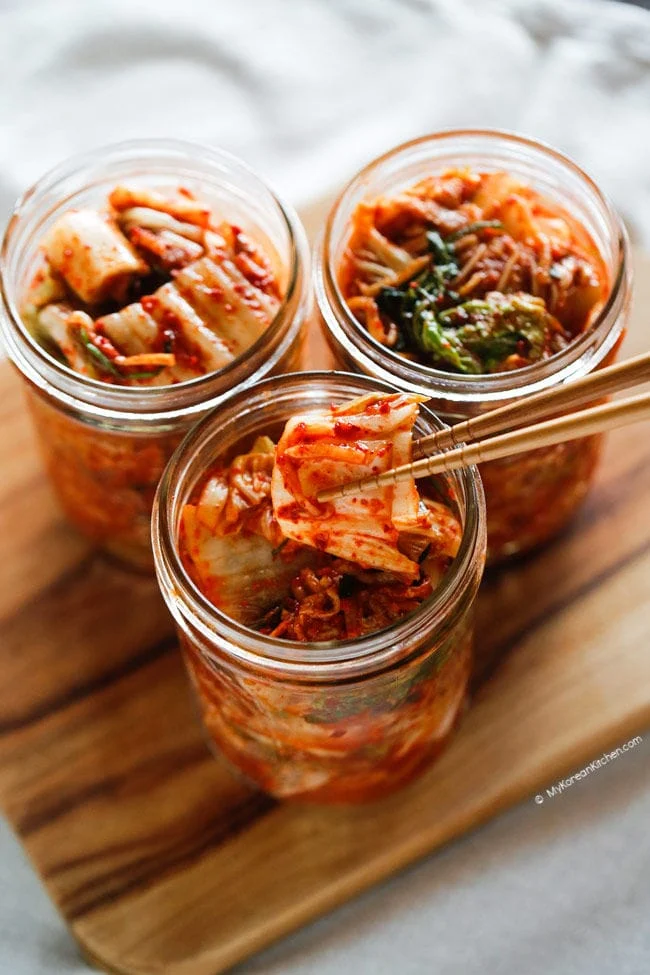
1. Kimchi
Kimchi is Korea’s most famous side dish. You’ll find it at every Korean meal.
This fermented cabbage dish has a spicy, sour taste. It contains healthy bacteria called probiotics.
You can eat kimchi straight from the jar. It adds a tangy kick to rice, noodles, and grilled meats.
Kimchi lasts for months in your fridge. The flavors get stronger over time.
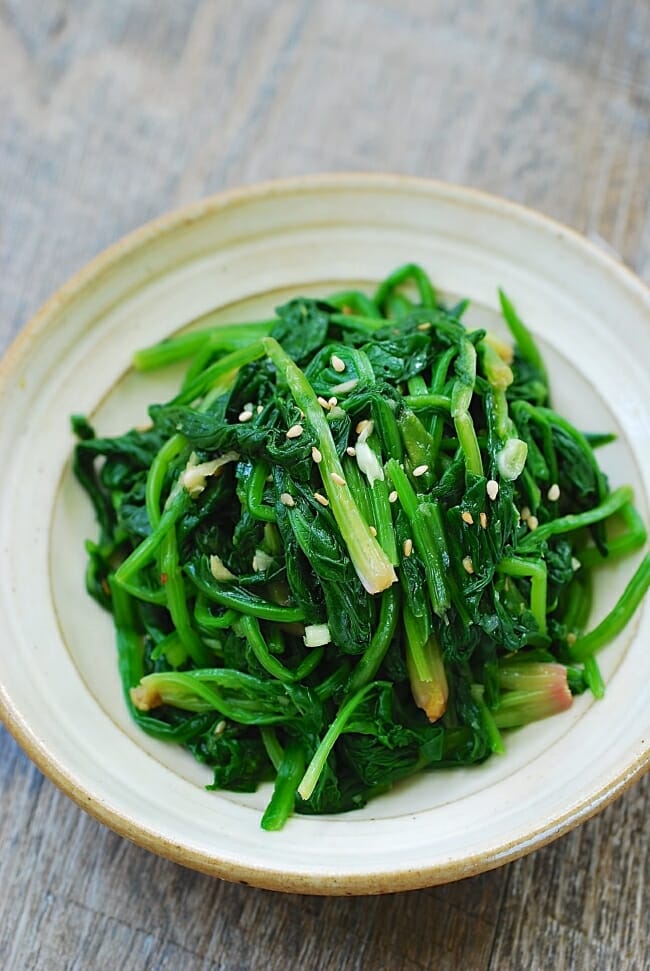
2. Sigeumchi Namul (Seasoned Spinach)
You’ll find this spinach side dish on almost every Korean table. Sigeumchi namul combines blanched spinach with simple seasonings.
The preparation is quick and easy. Blanch fresh spinach briefly, then squeeze out excess water.
The seasoning includes soy sauce, sesame oil, garlic, and sesame seeds. Some recipes add green onions for extra flavor.
Serve this banchan cold or at room temperature. It pairs perfectly with rice and other Korean dishes like bibimbap.
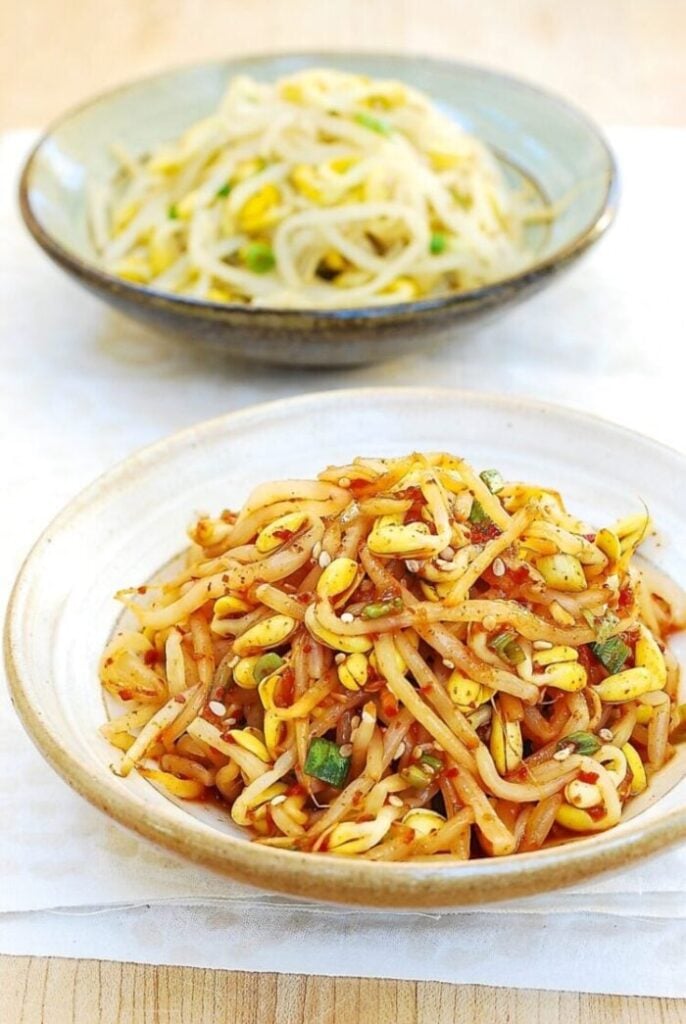
3. Kongnamul Muchim (Seasoned Soybean Sprouts)
Kongnamul muchim is one of Korea’s most common side dishes. You’ll find it served at almost every Korean meal.
This banchan features blanched soybean sprouts tossed in a simple dressing. The dressing usually contains soy sauce, garlic, and sesame oil.
The sprouts have a nutty flavor and crunchy texture. Add chili flakes for spice or keep it mild.
This dish takes only 10 minutes to prepare. Blanch the sprouts briefly, then mix them with the seasoning while they’re still warm.
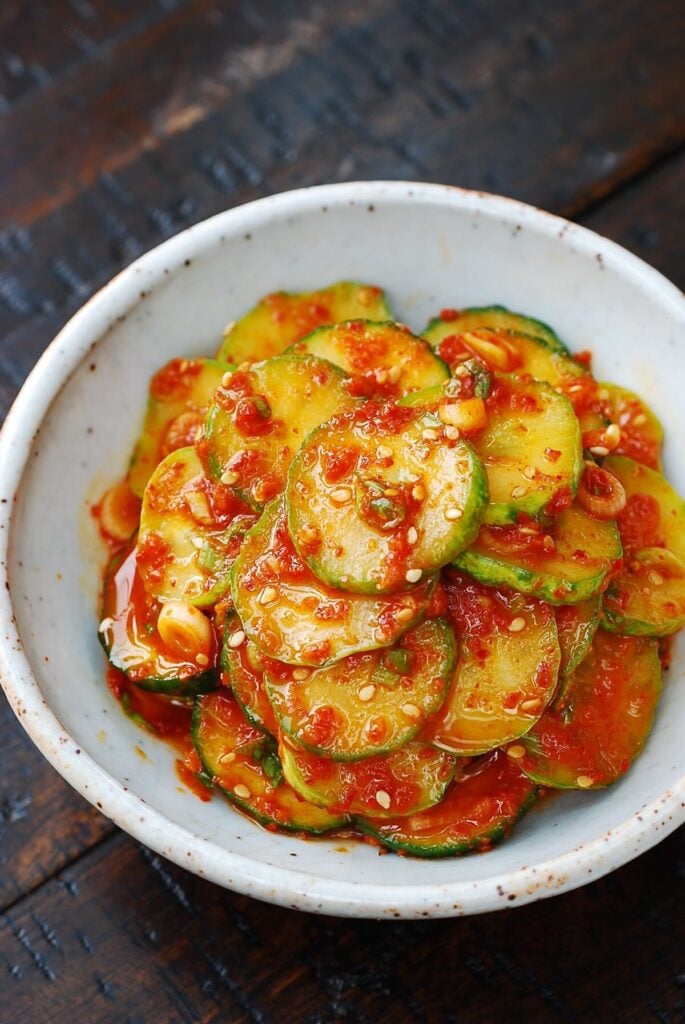
4. Oi Muchim (Spicy Cucumber Salad)
Oi muchim is a refreshing spicy cucumber salad that serves as a popular Korean side dish. The name means “seasoned cucumbers” in Korean.
Make this banchan with any crunchy cucumber variety. English, Persian, or Korean cucumbers all work well.
The dressing combines gochugaru, sesame oil, garlic, and vinegar. This creates a balance of spicy, savory, and tangy flavors.
This cold salad pairs perfectly with Korean BBQ and rice dishes. It helps cleanse your palate between bites of heavier foods.
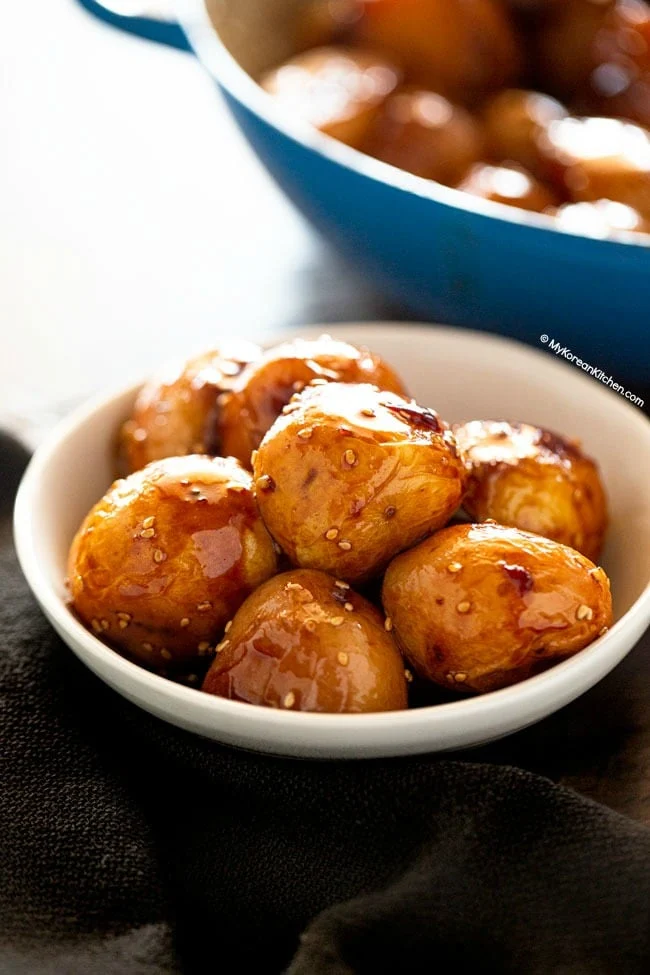
5. Gamja Jorim (Braised Potatoes)
Gamja jorim is a sweet and savory Korean side dish made with baby potatoes. You’ll find these braised potatoes at most Korean restaurants and in lunch boxes.
The potatoes cook in a soy sauce-based glaze with sugar or honey. This creates a sticky, chewy coating on the outside while keeping the inside soft.
Make this dish in under 30 minutes with just a few ingredients. The potatoes pair perfectly with rice and other Korean dishes.
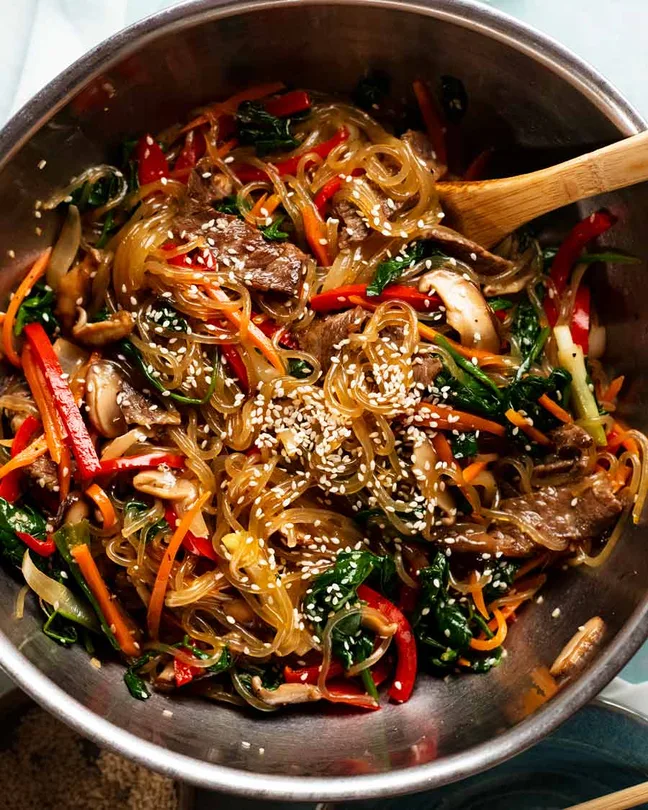
6. Japchae (Stir-fried Glass Noodles with Vegetables)
Japchae is a classic Korean dish made with sweet potato glass noodles. The clear noodles get mixed with colorful vegetables like spinach, carrots, and mushrooms.
You’ll taste both sweet and savory flavors in every bite. The noodles have a chewy texture that pairs well with the crisp vegetables.
Koreans serve japchae at special occasions and holidays. You can eat it warm or cold as a side dish.

7. Gyeran Jjim (Steamed Egg Custard)
Gyeran jjim is a fluffy Korean steamed egg dish you’ll find at most Korean restaurants. The name means “steamed eggs” in Korean.
This side dish has a soft, custard-like texture similar to a light soufflé. You can eat it any time of day, not just for breakfast.
The basic recipe uses eggs, water or broth, and simple seasonings like salt and sesame oil. Green onions are often added for extra flavor.
Gyeran jjim often appears alongside spicy Korean dishes because its mild taste helps cool your mouth.
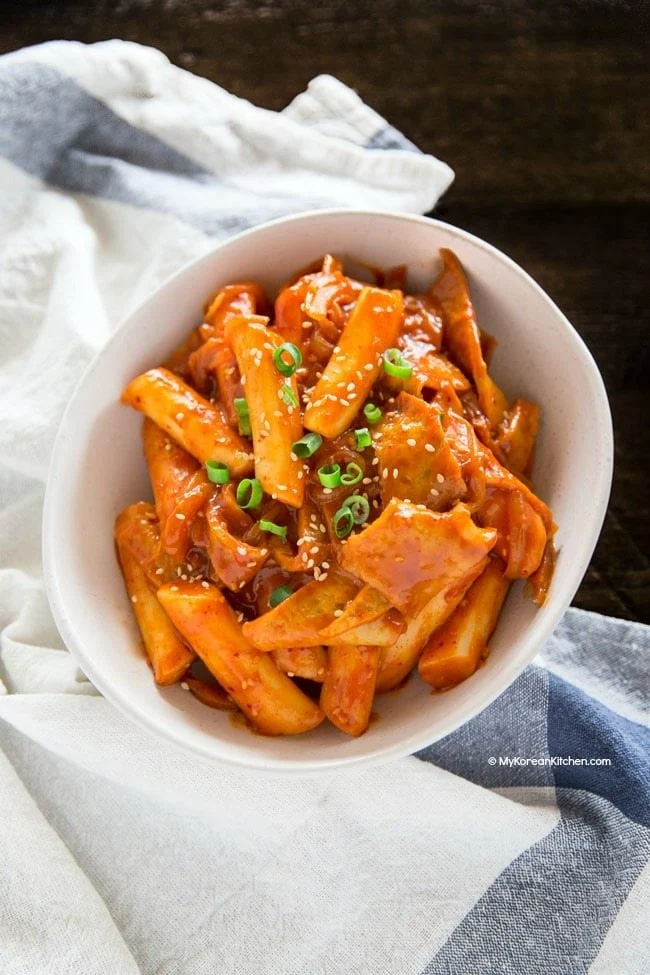
8. Tteokbokki (Spicy Rice Cakes)
Tteokbokki is Korea’s most famous street food. These chewy rice cakes swim in a spicy red sauce made with gochujang.
Vendors sell this dish from big pots on Korean streets. The rice cakes have a soft, bouncy texture that soaks up the sweet and spicy sauce.
Make this popular snack at home in just 20 minutes. Enjoy tteokbokki as a side dish or quick meal.
The dish pairs well with other Korean foods and has become popular worldwide thanks to K-dramas.
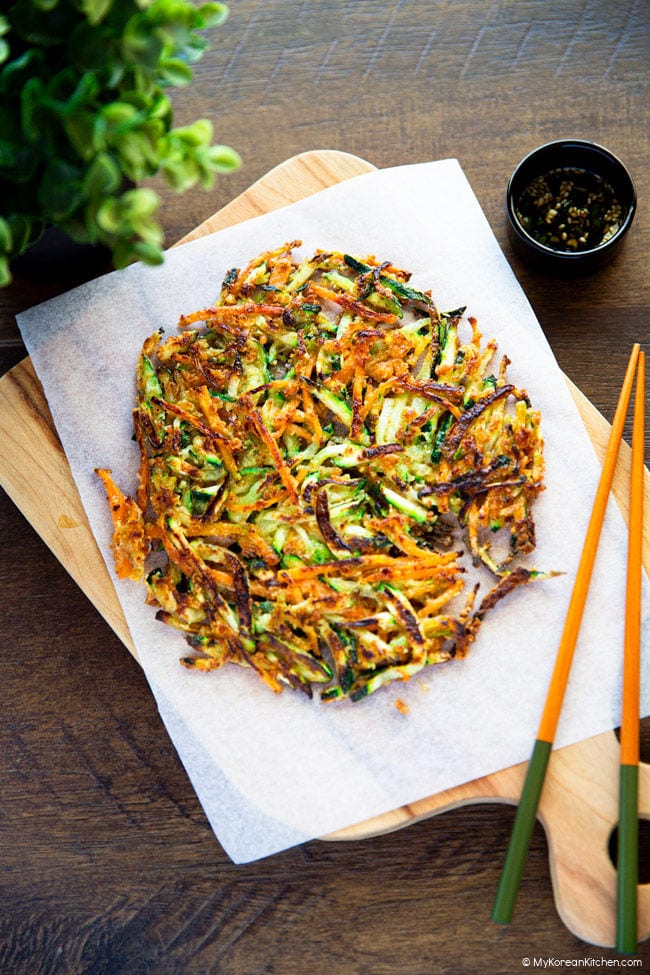
9. Banchan-style Pan-fried Jeon (Korean Pancakes)
Jeon are savory Korean pancakes that make perfect banchan side dishes. You coat ingredients in flour and egg batter, then pan-fry them until golden.
Popular varieties include hobak jeon made with zucchini slices. The zucchini becomes tender inside with a crispy coating outside.
You can also make meat versions like pork jeon with seasoned ground pork. These pancakes work well alongside rice and soup in traditional Korean meals.
The simple batter lets the main ingredient shine through while adding satisfying texture.

10. Dubu Jorim (Braised Tofu)
Dubu jorim transforms plain tofu into a flavorful dish. Pan-fry the tofu first to create a crispy outside.
Then braise it in a savory sauce made with soy sauce, garlic, and spices. The sauce soaks into the tofu, making it juicy and tasty.
Make this dish spicy or mild. It works great as a side dish with rice or noodles.
The tofu stays crispy outside but soft inside.

11. Mu Saengchae (Spicy Radish Salad)
Mu saengchae is a fresh Korean radish salad that takes just minutes to make. Cut Korean radish into thin strips and mix it with red pepper flakes.
This crunchy side dish has a sweet and spicy taste. It works great as a quick substitute when you don’t have kimchi ready.
Serve mu saengchae with rice or add it to bibimbap. The radish stays crisp and refreshing even with the spicy seasoning.
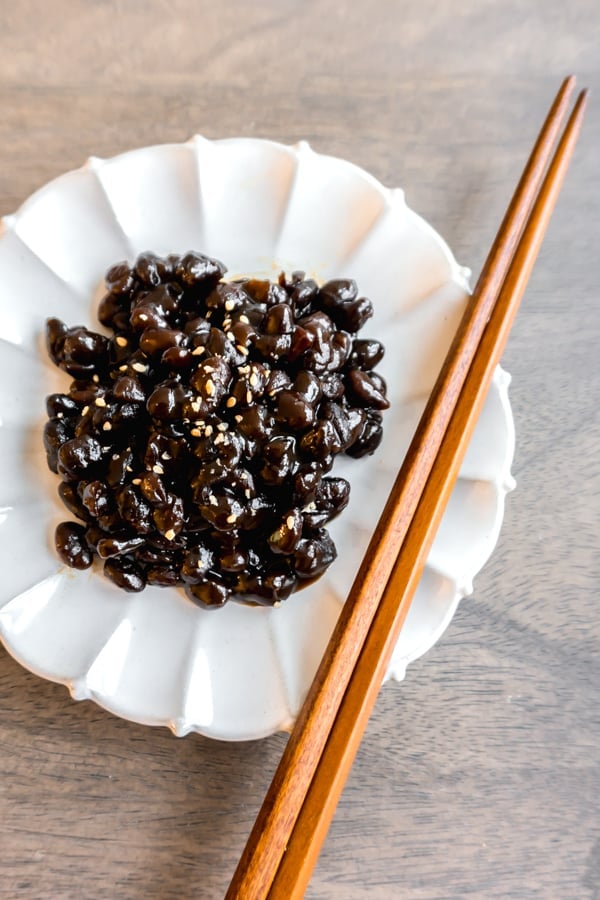
12. Kongjaban (Black Soybeans)
Kongjaban is a sweet and salty Korean side dish made with black soybeans. You’ll find this traditional banchan in most Korean homes.
Soak the beans, then braise them in soy sauce and sugar until tender. They stay slightly firm, not mushy like other bean dishes.
Maple syrup or honey adds extra sweetness to the sauce. Serve the beans chilled as a refreshing side dish.
This protein-rich banchan pairs well with rice and other Korean foods. You can make it ahead of time for easy weeknight meals.
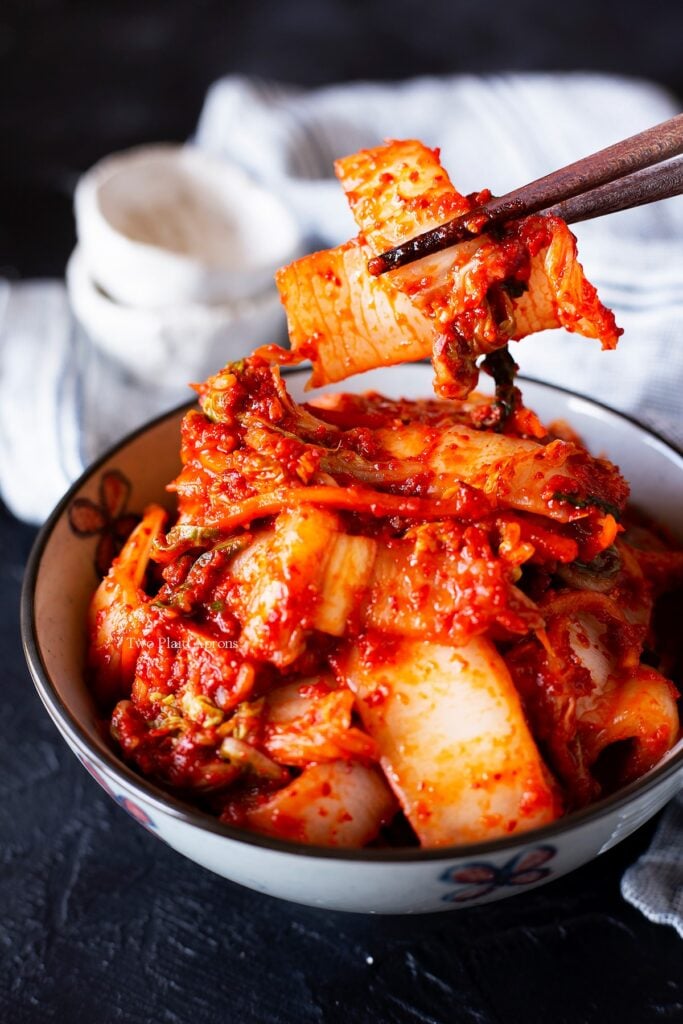
13. Baechu Geotjeori (Fresh Kimchi)
Baechu geotjeori is fresh kimchi made without fermentation. Eat it right after making it, unlike traditional kimchi that sits for days.
This dish tastes like spicy cabbage salad. It has umami, sweet, and spicy flavors without the sour taste of fermented kimchi.
Make it with napa cabbage, red pepper flakes, and seasonings. The cabbage stays crunchy and fresh.
Fresh kimchi pairs well with Korean barbecue and warm noodle soups. Make small batches when you want kimchi flavors quickly.
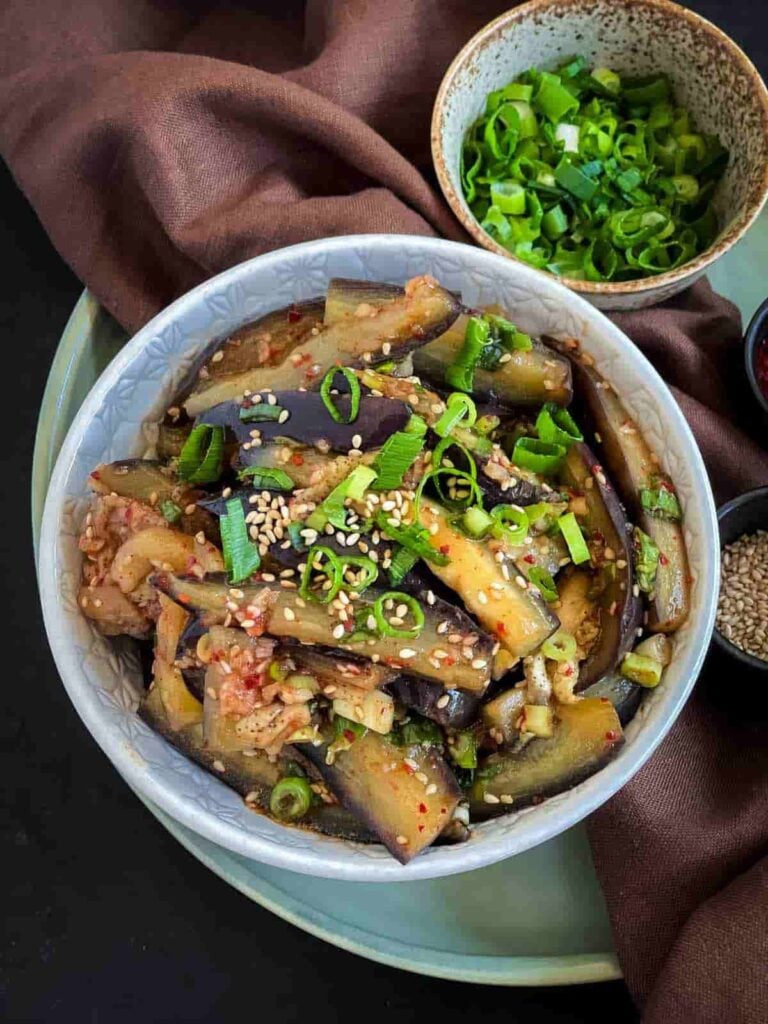
14. Gaji Namul (Seasoned Eggplant)
Gaji namul is a popular Korean steamed eggplant side dish. Steam Asian eggplants until tender.
Tear the eggplant into strips by hand. Then season it with soy sauce, sesame oil, and minced garlic.
This banchan has a soft texture and fresh taste. The purple color looks bright on your table.
Make gaji namul in under 10 minutes. Serve it cold or at room temperature alongside rice and other side dishes.
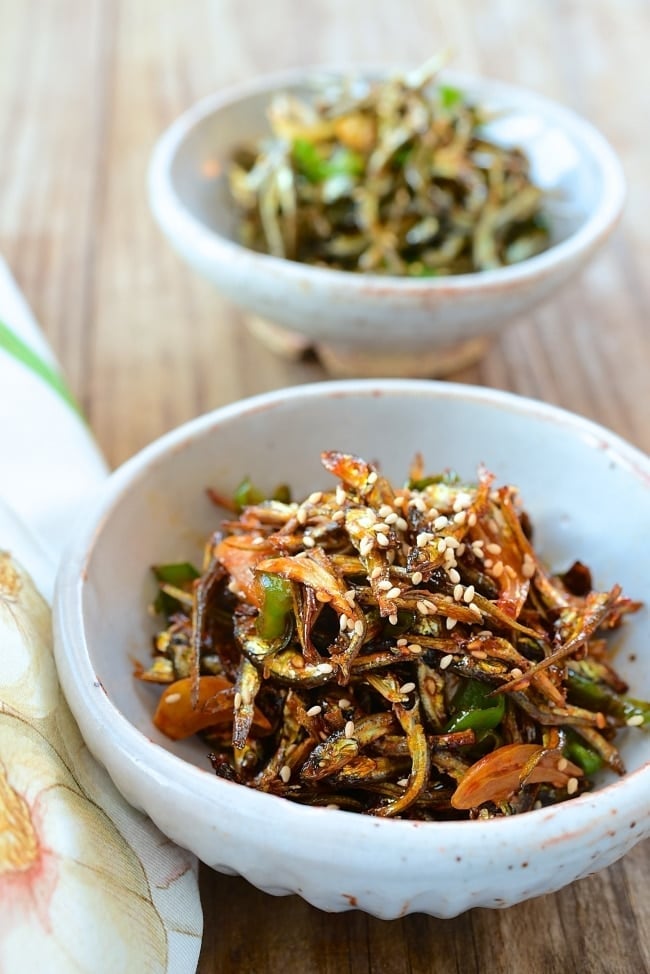
15. Myeolchi Bokkeum (Stir-fried Anchovies)
Myeolchi bokkeum is one of Korea’s most popular side dishes. You’ll find these sweet and savory stir-fried dried anchovies in almost every Korean home.
The dish combines tiny dried anchovies with a sticky glaze made from soy sauce, sugar, and honey. You get a perfect mix of salty, sweet, and umami flavors in each bite.
This banchan stays fresh in your fridge for days. Many Korean families make large batches because it’s quick to prepare and lasts long.
Eat myeolchi bokkeum with rice, kimchi, or other side dishes for a balanced meal.
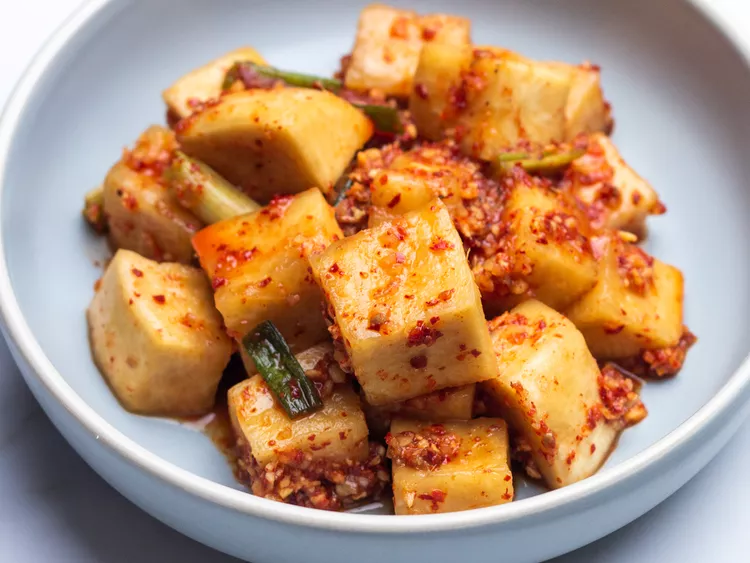
16. Kkakdugi (Cubed Radish Kimchi)
Kkakdugi is Korean cubed radish kimchi made with daikon radish. Cut the radish into small cubes instead of slicing it.
This kimchi tastes spicy, salty, and slightly sweet. It stays very crunchy even after fermenting.
Prepare kkakdugi faster than cabbage kimchi. It takes about 30 minutes to prepare and is ready to eat in 1-2 days.
Korean families often serve kkakdugi with everyday meals alongside napa cabbage kimchi. It pairs well with soups and rice dishes.
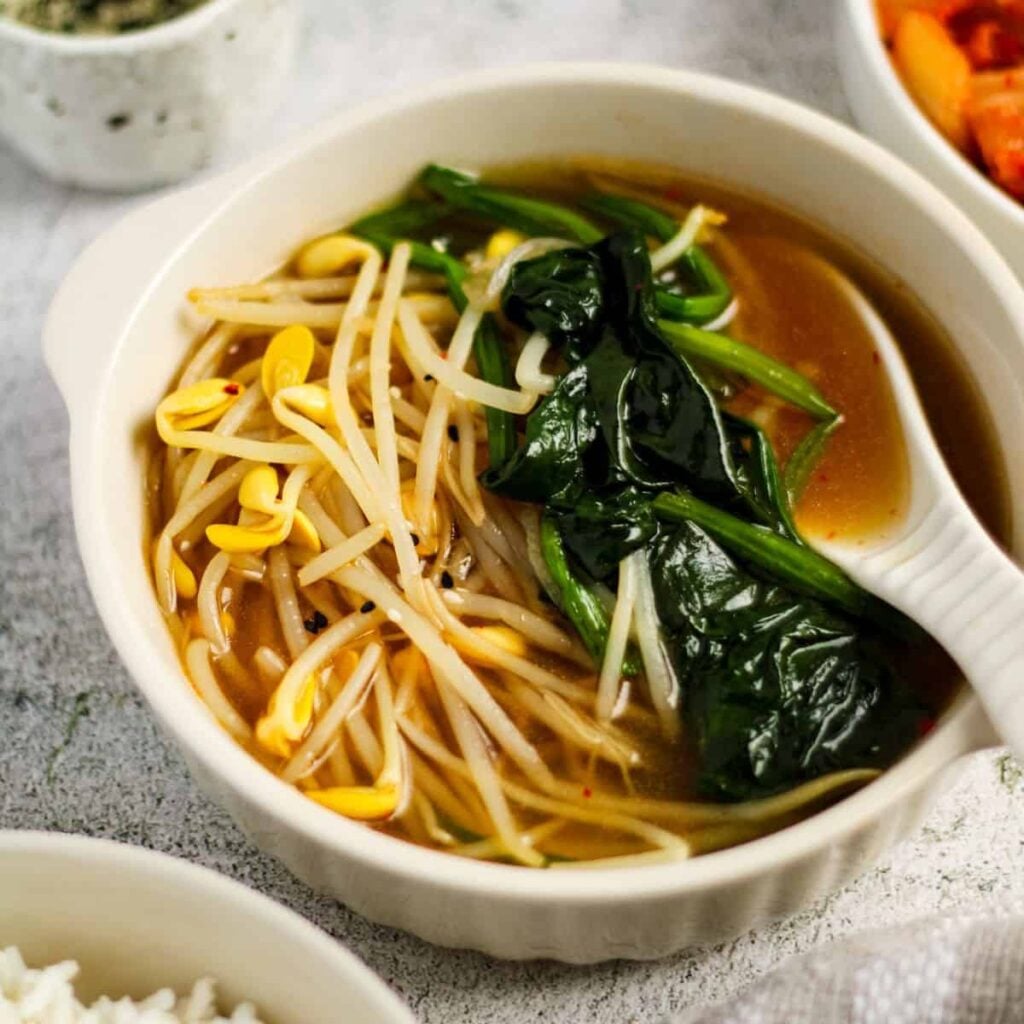
17. Spinach Kongnamul (Spinach and Soybean Sprout Mix)
This Korean side dish combines two popular vegetables into one flavorful banchan. You get the nutty crunch of soybean sprouts mixed with tender spinach.
Season and sauté both vegetables using almost the same ingredients and cooking methods. This makes the dish simple to prepare at home.
The mix adds great texture to your Korean meals. It pairs well with rice and other side dishes on your table.
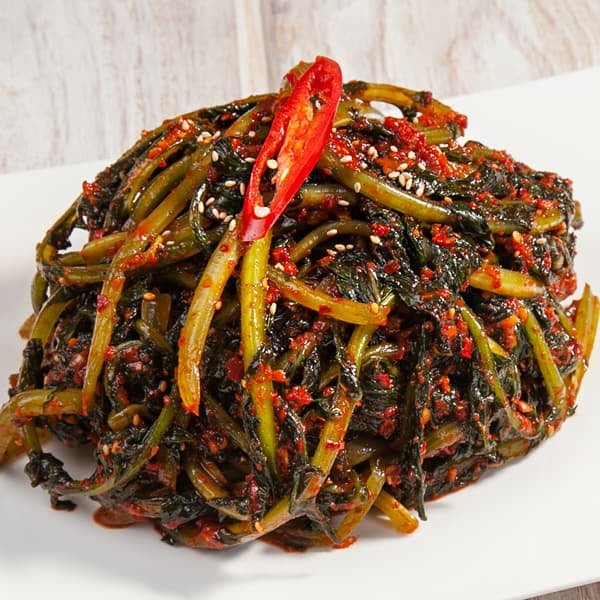
18. Yeolmu Kimchi (Young Summer Radish Kimchi)
Yeolmu kimchi is made from young summer radish greens. These tender greens often still have tiny radish roots attached.
This kimchi is lighter and crunchier than regular cabbage kimchi. It ferments quickly and is ready to eat in just a few days.
Korean restaurants serve this refreshing side dish during hot summer months. The watery brine makes it perfect for cooling down.
Eat yeolmu kimchi with steamed rice or grilled meats. It also works well as a topping for rice bowls and noodles.
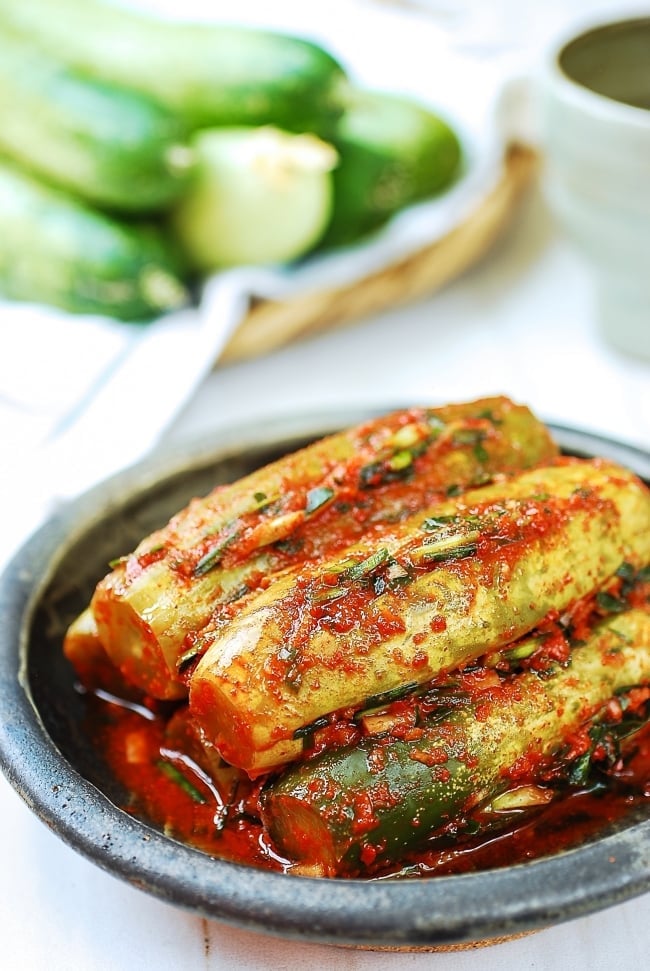
19. Oisobagi (Stuffed Cucumber Kimchi)
Oisobagi is a fresh cucumber kimchi that you can eat right away. You don’t need to wait for it to ferment like regular kimchi.
Cut cucumbers into pockets and stuff them with vegetables and spicy paste. The cucumbers stay crisp and crunchy.
This kimchi tastes refreshing and spicy at the same time. Koreans especially enjoy it during summer when cucumbers are fresh and in season.
Serve oisobagi as a side dish with Korean barbecue or rice dishes.

20. Gamja Salad (Korean Potato Salad)
Gamja salad is a creamy Korean side dish you’ll find at most Korean BBQ restaurants. It’s different from American potato salad because it includes crunchy vegetables like cucumber and carrots.
The base is made from mashed potatoes mixed with mayonnaise. You’ll also find hard-boiled eggs and sometimes sweet corn or apple pieces.
This banchan has a slightly sweet taste and smooth texture. It pairs perfectly with grilled meats like galbi and bulgogi, helping balance out rich flavors.
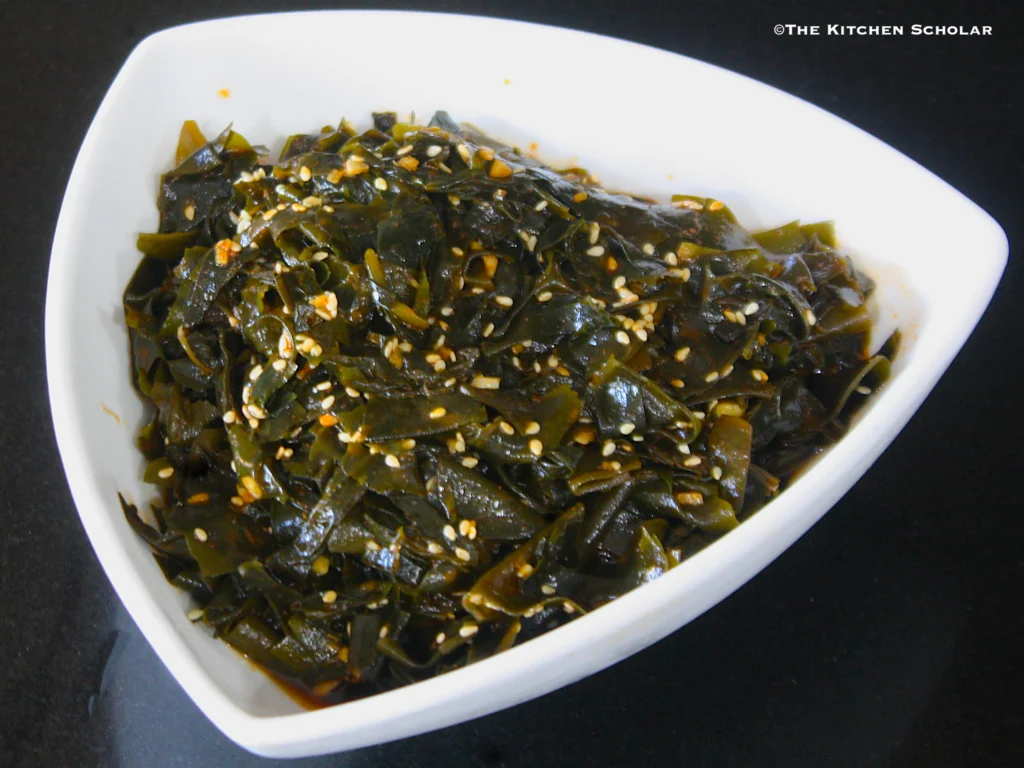
21. Miyeok Muchim (Seasoned Seaweed Salad)
Miyeok muchim is a refreshing Korean seaweed salad made with wakame seaweed. Soak dried seaweed in cold water until it becomes soft and green.
The salad has a sweet and sour taste. Dress it with vinegar, sesame oil, and garlic for flavor.
This healthy side dish works well with grilled meats and Korean BBQ. Serve it cold on hot summer days.
The seaweed provides good nutrition and adds a unique texture to your meal.
Understanding Korean Banchan
Korean banchan represents a core tradition where multiple small dishes create balance and variety in every meal. These side dishes carry deep cultural meaning, use specific ingredients, and work together to enhance the main course.
Cultural Significance of Korean Side Dishes
Banchan serves as the foundation of Korean dining culture. Every Korean meal includes these small dishes, no matter how simple or elaborate the main course might be.
The tradition shows Korean values of sharing and community. All banchan dishes sit in the center of the table for everyone to share.
Take small portions from each dish throughout the meal. Korean families pass down banchan recipes through generations.
Mothers teach daughters how to make these dishes. Each family often has their own special versions of classic recipes.
The number of banchan dishes shows the importance of the meal. Regular family dinners might have 3-5 banchan, while special occasions can feature 12 or more different side dishes.
Banchan also reflects Korean beliefs about balanced eating. The dishes include different colors, textures, and flavors.
This variety provides many nutrients in one meal.
Typical Ingredients Used in Banchan
Korean banchan uses several key ingredients that create the distinct flavors you taste in these dishes.
Vegetables make up most banchan dishes. Common choices include:
- Cabbage (for kimchi)
- Spinach
- Bean sprouts
- Radish
- Cucumber
- Mushrooms
Fermented ingredients add deep, complex flavors. Kimchi uses fermented cabbage or radish.
Doenjang (soybean paste) appears in many recipes. These fermented foods also provide healthy bacteria.
Seasonings create the signature Korean taste:
- Gochugaru (Korean red pepper flakes)
- Sesame oil
- Garlic
- Ginger
- Soy sauce
- Rice vinegar
Protein sources include tofu, small fish, and occasionally meat. Marinate or season these proteins with the same flavor profiles as vegetable banchan.
How Banchan Complements Korean Meals
Banchan works with Korean main dishes to create complete, balanced meals. Each side dish serves a specific purpose in the overall eating experience.
The dishes provide flavor contrast. If your main dish is spicy, mild banchan balances the heat.
Sweet banchan pairs with salty main courses. This contrast keeps your taste buds interested throughout the meal.
Texture variety comes from different banchan preparations. You might have crunchy pickled vegetables, soft braised dishes, and chewy marinated items.
Banchan adds nutritional balance to Korean meals. Main dishes often focus on rice and meat or fish.
The side dishes provide vegetables, fiber, and different vitamins your body needs. Temperature differences also play a role.
Serve some banchan cold, others at room temperature, and some warm. This variety works well with hot rice and soup.
The small portions let you taste many different flavors without getting too full. Mix and match flavors as you eat your main course.
Tips for Serving and Storing Banchan
Proper presentation and storage methods keep your Korean side dishes fresh and appealing for multiple meals. Smart pairing choices help create balanced flavors that complement your main dishes perfectly.
Best Practices for Presentation
Use small, shallow dishes to serve each banchan separately. Traditional Korean ceramic bowls work best, but any small plates will do fine.
Arrange banchan dishes around the main course in a clockwise pattern. This creates an organized look and makes everything easy to reach.
Keep portions small—about 2-3 tablespoons per person for each side dish. This prevents waste and lets people try everything without getting too full.
Place banchan at room temperature unless they need to stay cold. Most fermented dishes like kimchi taste better when not ice cold.
Use serving spoons for each dish to keep flavors separate. Small wooden or metal spoons work perfectly for this purpose.
Fill dishes only halfway to make them look neat and prevent spilling. You can always refill them during the meal.
Proper Storage Techniques
Store most banchan in the refrigerator in airtight containers. Glass containers with tight lids work better than plastic for keeping flavors fresh.
Fermented dishes like kimchi can last 1-2 weeks when stored properly. Keep them in the coldest part of your fridge.
Vegetable-based banchan stay good for 3-5 days. Check for any odd smells or slimy textures before serving leftovers.
Keep different banchan in separate containers. Strong flavors can mix together and change the taste of milder dishes.
Some banchan freeze well for later use. Seasoned spinach and bean sprouts freeze for up to one month without losing much quality.
Label containers with dates so you know when to use them up. This prevents food waste and keeps your family safe.
Pairing Banchan With Main Dishes
Match the number of banchan to your main dish—simple meals need 2-3 sides while special dinners can have 5-7 different options.
Balance flavors by mixing spicy, mild, sour, and salty banchan. If your main dish is spicy, include cooling sides like cucumber salad.
Pair heavy main dishes with light, fresh banchan. Grilled meats work well with pickled vegetables and crisp salads.
Consider textures when choosing sides. Soft main dishes need crunchy banchan, while crispy mains pair well with tender vegetables.
Season-based pairing works well too. Serve warming dishes in winter and cooling, fresh banchan during hot summer months.
Frequently Asked Questions
Korean side dishes involve specific ingredients like gochugaru and sesame oil, with many dishes suitable for meal prep and storage. Different types of banchan serve various purposes from BBQ accompaniments to everyday vegetable dishes.
What are the typical ingredients for traditional Korean side dishes?
Korean side dishes use gochugaru (Korean red pepper flakes) as a key spice. Sesame oil and sesame seeds add nutty flavor to most banchan recipes.
Soy sauce, rice vinegar, and garlic appear in many seasoning mixtures. Green onions and ginger provide fresh aromatics.
Salt is used for pickling vegetables like kimchi. Sugar balances spicy and sour flavors in dishes like braised potatoes.
How can I make simple Korean banchan at home?
Start with seasoned spinach by blanching fresh spinach and mixing it with sesame oil, garlic, and soy sauce. This dish takes less than 15 minutes to prepare.
Soybean sprout salad requires boiling sprouts for 3 minutes, then seasoning with sesame oil and salt. Let the mixture sit for 30 minutes before serving.
Spicy cucumber salad involves salting sliced cucumbers for 20 minutes, then adding gochugaru and rice vinegar. Most banchan recipes use similar techniques of blanching, salting, or quick pickling.
Which Korean vegetable side dishes are the most common at meals?
Kimchi appears at almost every Korean meal as fermented cabbage with chili paste. Seasoned spinach (sigeumchi namul) is served frequently as a mild, nutritious option.
Bean sprout salad provides a crunchy texture and fresh taste. Cucumber dishes like oi muchim offer cooling relief from spicy main courses.
Braised potatoes (gamja jorim) serve as a sweeter side dish. These five vegetables form the foundation of most Korean side dish collections.
What are some Korean side dishes suitable for long-term storage?
Kimchi lasts 3-6 months in the refrigerator when properly fermented. The flavor develops and becomes more sour over time.
Braised potatoes keep for one week refrigerated in their cooking liquid. Seasoned spinach stays fresh for 3-4 days when stored covered.
Pickled radish and other fermented vegetables maintain quality for several weeks. Oil-based namul dishes generally have shorter storage times of 2-3 days.
How do Korean BBQ sides differ from other Korean side dishes?
BBQ banchan focus on cutting through rich, fatty flavors from grilled meats. Kimchi and pickled vegetables provide acidic contrast to heavy proteins.
Fresh lettuce leaves serve as wraps for meat and rice. Spicy cucumber salad adds cooling elements between bites of hot food.
Regular meal banchan include more varied textures and mild flavors. BBQ sides emphasize bold, cleansing tastes that refresh the palate.
Where can I find authentic Korean side dishes in my area?
Korean grocery stores like H-Mart sell pre-made banchan in refrigerated sections. Many stores offer 8-12 different varieties daily.
Korean restaurants often sell banchan separately or as combination platters. Call ahead to ask about takeout options for side dishes.
Asian markets sometimes carry Korean brands of kimchi and pickled vegetables. Online retailers ship specialty ingredients for making banchan at home.