
Broccoli is a green vegetable that works well in many types of dishes. You can roast it, steam it, add it to soups, or mix it into casseroles and pasta dishes.
This collection of recipes will show you simple and tasty ways to cook broccoli for any meal.
Whether you want a quick side dish or a full dinner, these recipes cover different cooking methods and flavors. You’ll find creamy soups, crispy roasted options, hearty stir-fries, and fresh salads.
Each recipe uses broccoli as a main ingredient to help you get more vegetables into your meals. You’ll also learn about the health benefits of broccoli and get tips for cooking it the right way.
These recipes are easy to follow and use ingredients you can find at most grocery stores.
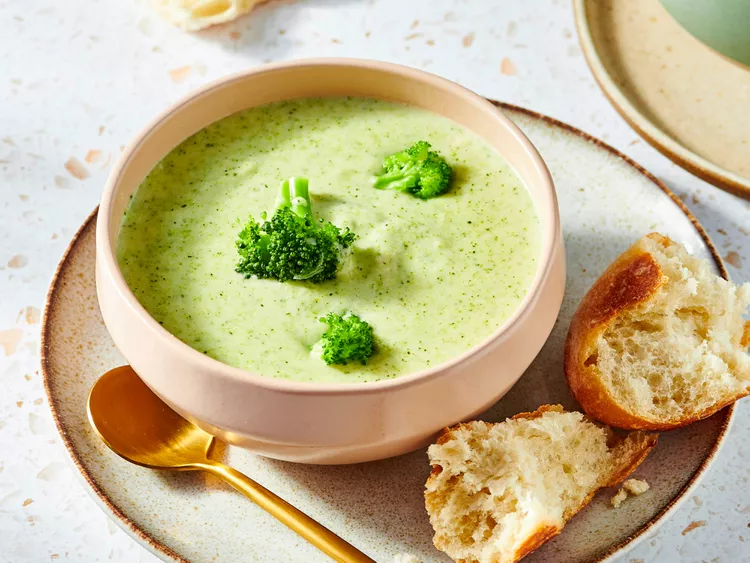
1. Cream of Broccoli Soup
This classic soup brings comfort to your table in just 30 minutes. Simmer fresh broccoli with onions and garlic in broth until tender, then blend it smooth.
The creamy texture comes from a simple butter and flour base mixed with milk. Add cheddar cheese for extra richness if you want.
The recipe works well with frozen broccoli too. Enjoy it as a light lunch or pair it with your favorite sandwich for dinner.
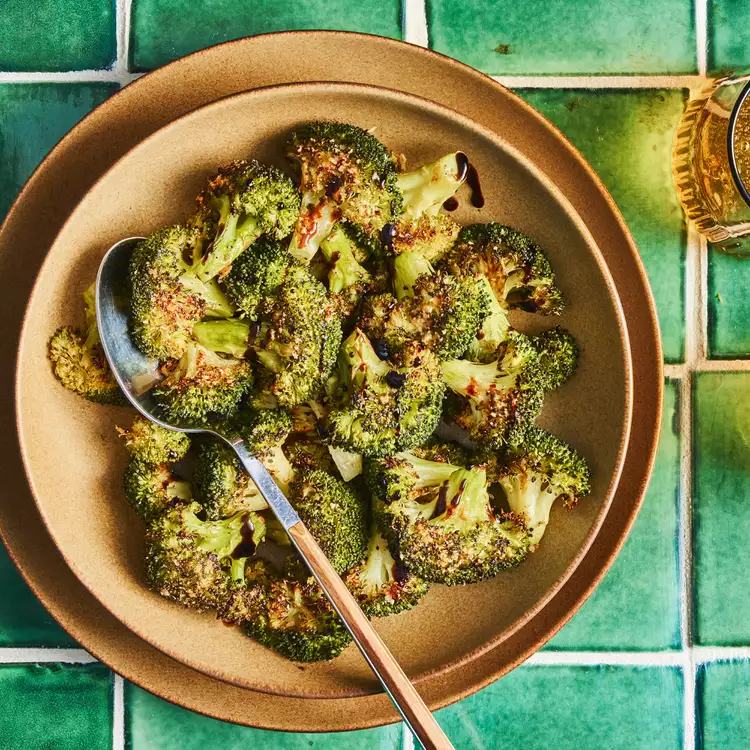
2. Crispy Smashed Broccoli with Balsamic & Parmesan
This recipe transforms ordinary broccoli into crispy, golden bites. Boil the florets until tender, then smash them flat before roasting.
The technique creates more surface area for browning. Your broccoli gets crispy edges while staying tender inside.
You’ll need just a few ingredients: broccoli, olive oil, Parmesan cheese, and balsamic vinegar. Garlic and seasonings add extra flavor.
The balsamic glaze provides a tangy sweetness that balances the salty cheese. This side dish works well with chicken, fish, or pasta.
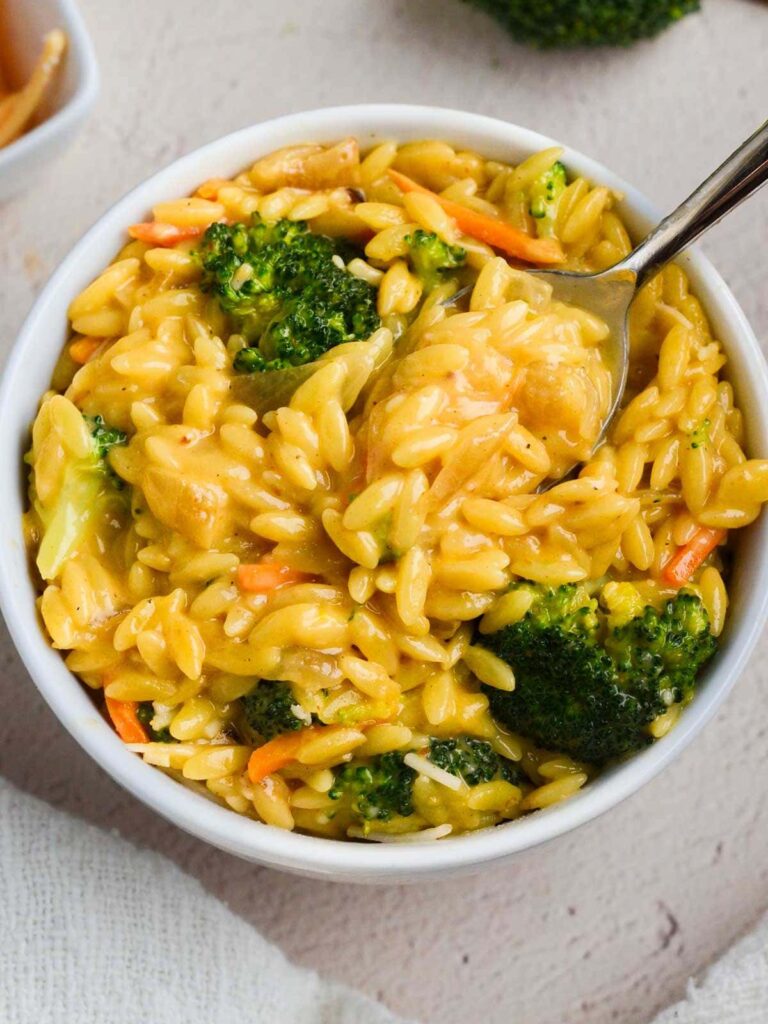
3. Broccoli Cheddar Orzo
Broccoli cheddar orzo brings together tender pasta, fresh broccoli, and melted cheddar cheese in one pot. You can have this dish ready in about 30 minutes with minimal cleanup.
Use freshly shredded cheddar cheese from a block for the best results. Pre-shredded cheese doesn’t melt as smoothly.
Cut your broccoli into small pieces so it cooks evenly with the orzo. This recipe works well as a side dish or main course.
You can add butter at the end for extra creaminess.
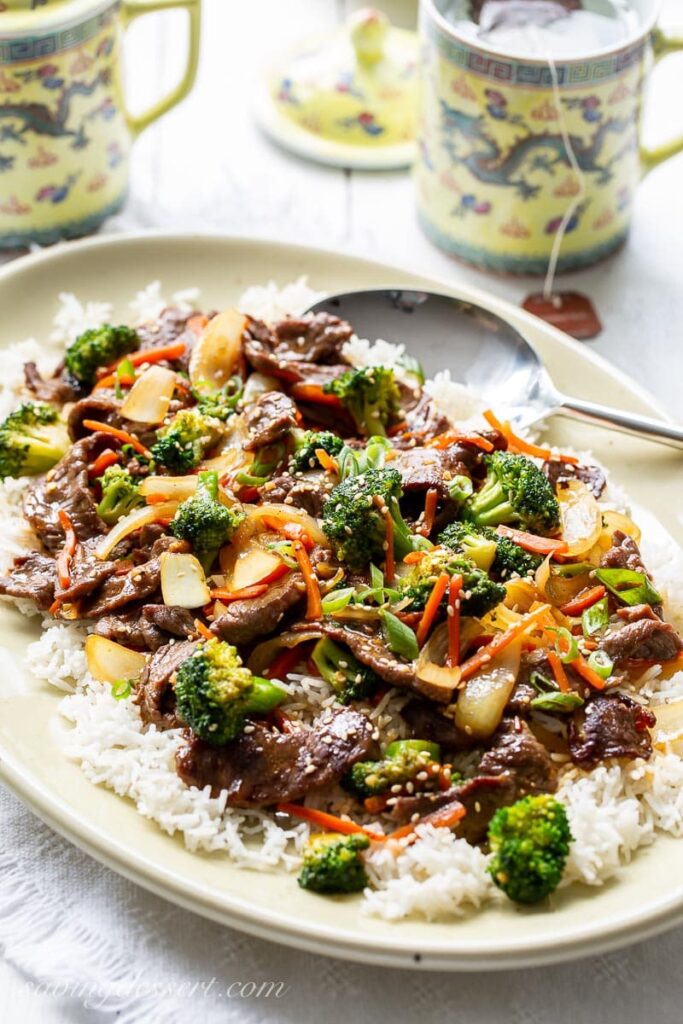
4. Beef and Broccoli Stir-Fry
Beef and broccoli stir-fry brings restaurant-quality flavor to your kitchen in just 30 minutes. Tender beef strips pair with crisp broccoli in a savory sauce.
The dish combines simple ingredients like soy sauce, ginger, and garlic into a glossy coating. Your broccoli stays bright green and slightly crisp while the beef turns out juicy.
This one-pan meal works perfectly for busy weeknights. Serve it over rice for a complete dinner that satisfies takeout cravings.
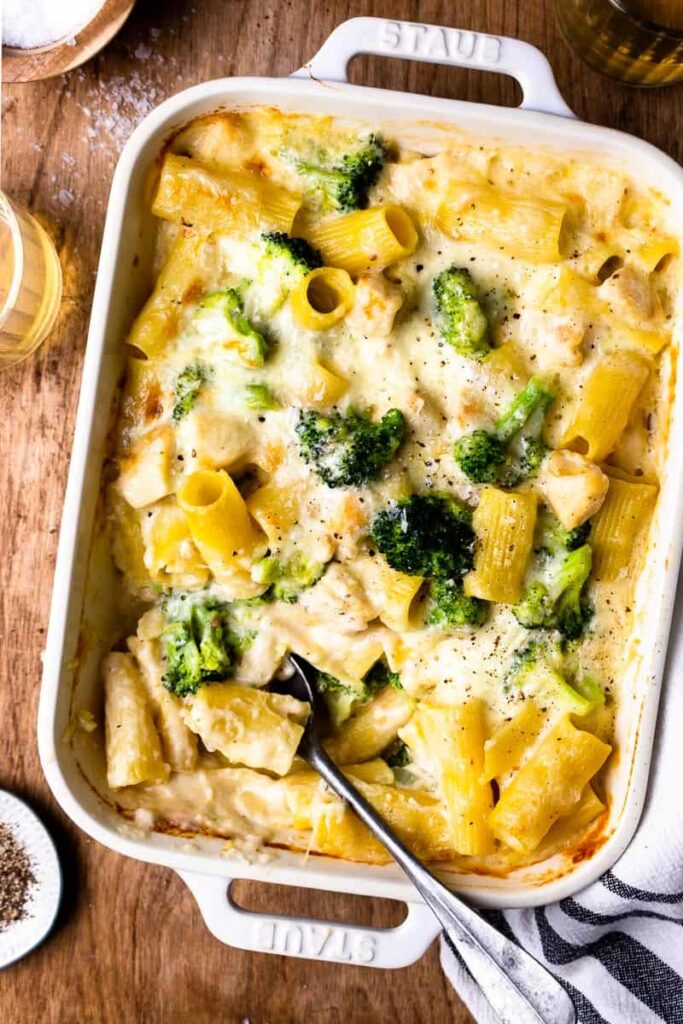
5. Broccoli Pasta Bake
Broccoli pasta bake combines tender pasta with cheese sauce and roasted broccoli in one dish. Use small pasta shapes like elbow macaroni or shells for even cooking.
Prepare everything in advance for easy weeknight dinners. Most recipes use a creamy cheese sauce made with milk, butter, and cheeses like cheddar or parmesan.
Cook the broccoli until it’s tender but still has some bite. The cheese creates a golden, bubbly top when baked.

6. Broccoli and Cheese Casserole
Broccoli and cheese casserole brings together tender broccoli florets with a creamy cheese sauce. You can make this dish with fresh or frozen broccoli, which makes it simple to prepare any time.
The basic recipe includes broccoli, cheese, and a creamy base. Many versions add toppings like crushed crackers or fried onions for extra texture.
This casserole works well as a side dish for weeknight dinners or holiday meals. Prepare it ahead of time and bake it when needed.
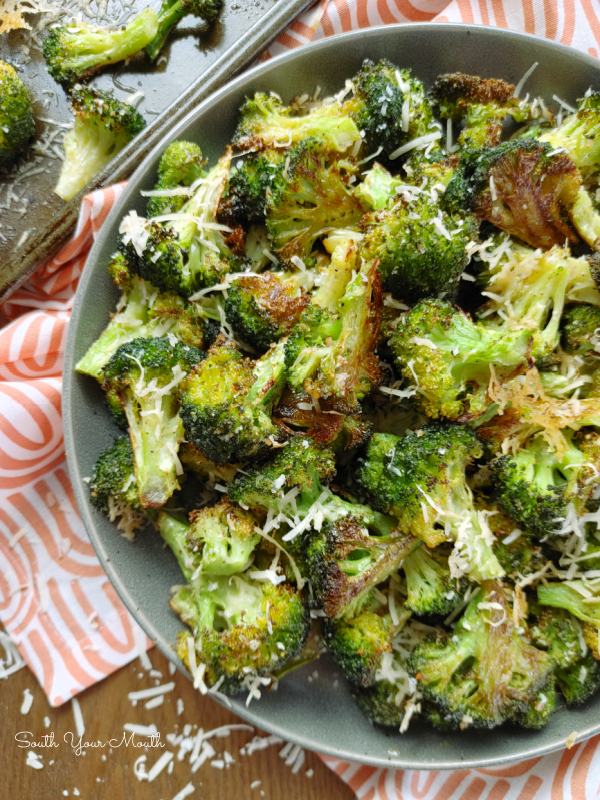
7. Garlic Roasted Broccoli
Roasting broccoli with garlic brings out natural sweetness while creating crispy edges. You need just five minutes to prep this side dish before it goes in the oven.
The high heat caramelizes the florets and makes them tender inside. Garlic adds flavor without overpowering the vegetable.
This method works well with fresh broccoli florets tossed in oil and seasonings. The dish takes about 20-25 minutes total from start to finish.
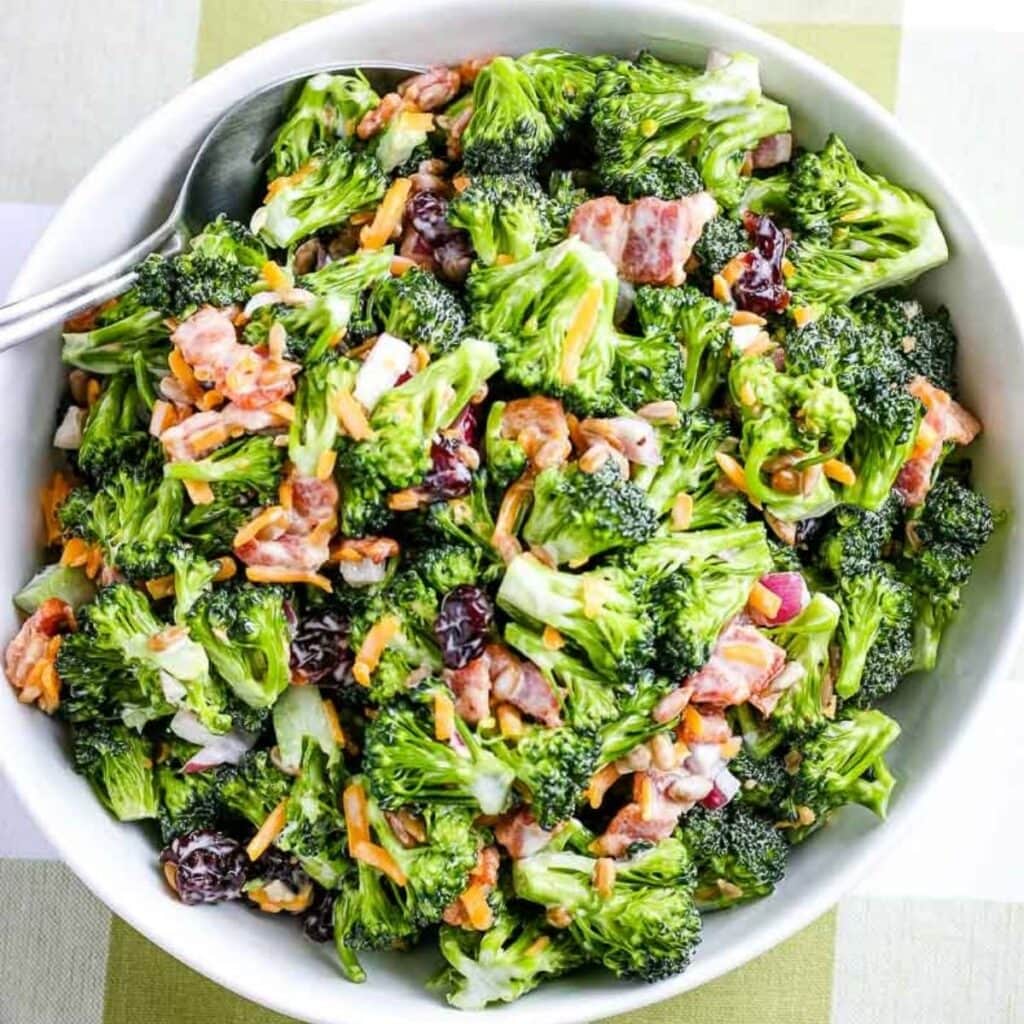
8. Broccoli Salad with Bacon and Cranberries
This salad combines raw broccoli florets with crispy bacon and dried cranberries. The mix creates a balance of crunchy, salty, and sweet flavors in each bite.
Toss the ingredients in a creamy dressing made with mayo, vinegar, and a touch of sugar. Many versions include sunflower seeds or sliced almonds for extra crunch.
Sharp cheddar cheese and red onion add more flavor. Prep the ingredients up to three days ahead and store them separately.
Mix everything together before serving. This makes it a practical choice for potlucks and family gatherings.
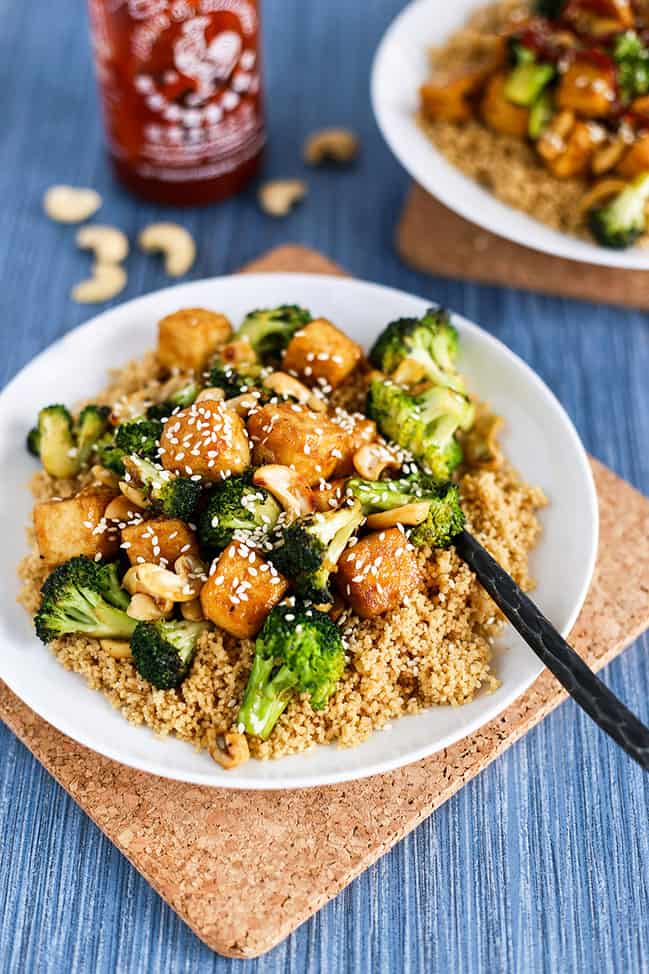
9. Broccoli Stir-Fry with Cashews
This stir-fry combines crispy broccoli with toasted cashews for a quick weeknight meal. You can have it ready in about 20 minutes.
Use a simple sauce made from soy sauce, garlic, and ginger. Add a splash of vinegar for brightness.
Cook your broccoli until it’s crisp-tender, not mushy. The cashews add a buttery crunch that balances the vegetables perfectly.
Serve it over rice or noodles for a complete meal. You can also enjoy it on its own as a side dish.
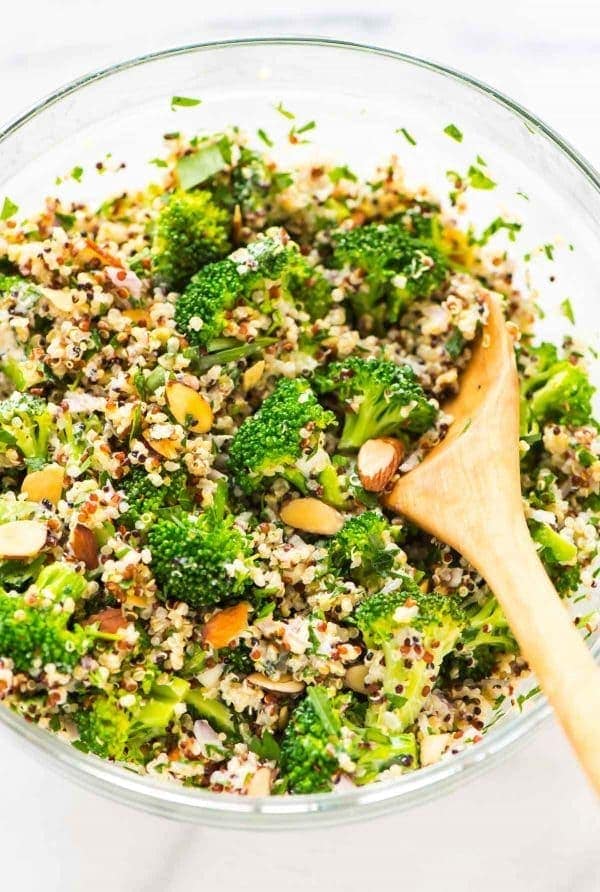
10. Broccoli and Quinoa Bowl
You can make a broccoli and quinoa bowl in about 30 minutes. This dish combines fluffy quinoa with roasted or steamed broccoli for a simple meal.
The bowl works well as a main dish because quinoa provides protein and fiber. Add a tahini dressing or a cheese sauce to make it more filling.
This recipe is good for meal prep since you can store it in the fridge for several days. Add beans, chickpeas, or other vegetables to change it up.
Broccoli Nutrition And Health Benefits
Broccoli delivers substantial amounts of essential vitamins and minerals. It provides powerful antioxidants and fiber that support your body’s key functions.
This green vegetable offers specific benefits for bone health, immune function, and digestion.
Key Vitamins And Minerals
Broccoli stands out as an excellent source of vitamin K, which is essential for maintaining strong bones and proper blood clotting. One cup of cooked broccoli provides about 220% of your daily vitamin K needs.
You’ll also get a significant amount of vitamin C from broccoli. A single cup contains more vitamin C than an orange, supporting your immune system and helping your body absorb iron.
The mineral content in broccoli includes:
- Calcium: Supports bone strength and dental health
- Potassium: Helps regulate blood pressure
- Iron: Carries oxygen throughout your body
- Magnesium: Aids in muscle and nerve function
Broccoli also provides folate, which is particularly important during pregnancy for proper fetal development. These nutrients work together to support bone mineral density, energy levels, and blood health.
Antioxidant Properties
Broccoli contains powerful antioxidants that help protect your cells from damage. Sulforaphane gives broccoli its distinctive properties and has been studied for its potential anti-inflammatory effects.
These antioxidants work to reduce inflammation in your body. Vitamin C in broccoli acts as another antioxidant that neutralizes harmful compounds.
Your body benefits from the combination of different antioxidants working together. The green color of broccoli comes from chlorophyll, which provides additional protective compounds.
Broccoli And Digestive Health
The fiber content in broccoli supports healthy digestion and regular bowel movements. One cup of cooked broccoli provides about 5 grams of fiber, which is roughly 20% of your daily needs.
This fiber feeds the beneficial bacteria in your gut. A healthy gut microbiome supports your immune system and helps your body absorb nutrients more effectively.
Broccoli contains both soluble and insoluble fiber. Soluble fiber helps regulate blood sugar levels, while insoluble fiber adds bulk to your stool and prevents constipation.
The high water content in broccoli further aids digestion by keeping things moving smoothly through your digestive system.
Expert Tips For Cooking Broccoli
Fresh broccoli with the right preparation and cooking method can transform from a boring vegetable into a flavorful dish. Your success starts with picking quality broccoli and ends with choosing a cooking technique that brings out its best qualities.
Choosing The Best Broccoli
Look for broccoli with tight, compact florets that are dark green or slightly purple. The stalks should feel firm when you squeeze them gently.
Avoid broccoli with yellowing florets, which means it’s past its prime. Small to medium heads usually taste better than large ones.
The florets should have a fresh smell, not strong or unpleasant. Check the cut end of the stalk.
It should look moist and fresh, not dried out or brown. If you see flowering buds starting to open, skip that bunch.
The texture will be woody and the flavor bitter. Fresh broccoli lasts about 7-10 days in your refrigerator when stored properly.
Prepping And Storing For Freshness
Don’t wash broccoli until you’re ready to use it. Extra moisture speeds up spoiling.
Store unwashed broccoli in a loose plastic bag in your refrigerator’s crisper drawer. When you’re ready to cook, rinse the broccoli under cold water.
Cut the florets into similar sizes so they cook evenly. The stems are edible too.
Peel off the tough outer layer and slice the tender inside into rounds or strips. You can prep broccoli 1-2 days ahead.
Store the cut pieces in an airtight container with a damp paper towel. For longer storage, blanch the florets for 3 minutes, cool them in ice water, drain well, and freeze in freezer bags for up to 12 months.
Cooking Methods To Enhance Flavor
Roast broccoli at 425°F for 20-25 minutes to create browning that adds depth and sweetness. Toss the florets with oil and spread them in a single layer on your baking sheet.
Steam broccoli for 5-7 minutes to preserve the bright green color and keep the texture crisp-tender. Steamed broccoli lacks the caramelized flavor that comes from browning.
Air fry at 375°F for 8-10 minutes to get crispy edges with less oil than roasting. Stir-fry over high heat for 4-5 minutes when you want to combine broccoli with other vegetables or protein.
Sauté in a pan with garlic and olive oil for 7-8 minutes to build flavor through browning. Blanch in boiling salted water for 2-3 minutes followed by an ice bath to keep broccoli versatile for salads or meal prep.
Skip boiling broccoli for long periods, which creates a mushy texture and washes away nutrients.
Frequently Asked Questions
Broccoli works well in many different cooking methods, from steaming to roasting, and fits into any meal plan. You can keep broccoli fresh for days with proper storage and make it appealing even to picky eaters.
What are some healthy ways to prepare broccoli?
Steam broccoli to keep it healthy because it needs no added fat. Place the florets in a steamer basket over boiling water for 5-7 minutes until tender.
This method keeps the broccoli bright green and preserves most of its vitamins. Roast broccoli to bring out natural sweetness while keeping it nutritious.
Toss florets with a small amount of olive oil and roast at 425°F for 20-25 minutes. Add garlic or lemon juice for extra flavor without adding many calories.
Blanch broccoli by briefly boiling it for 2-3 minutes, then immediately place it in ice water. This stops the cooking process and locks in the bright color and crisp texture.
Can you suggest quick broccoli dishes for weeknight dinners?
Beef and broccoli stir-fry takes only 15-20 minutes from start to finish. Cook sliced beef in a hot pan, add broccoli florets, and toss everything with soy sauce and garlic.
Serve it over rice for a complete meal. Broccoli cheddar orzo is ready in under 30 minutes.
Cook the pasta according to package directions, then stir in steamed broccoli and shredded cheddar cheese. The hot pasta melts the cheese into a creamy sauce.
Sauté broccoli as a fast side dish for any protein. Heat oil in a pan, add broccoli florets, and cook for 5-7 minutes with salt and pepper.
Add red pepper flakes or garlic if you want more flavor.
What are the best methods to retain nutrients while cooking broccoli?
Steaming keeps the most nutrients because the broccoli doesn’t sit in water. Water-soluble vitamins like vitamin C and B vitamins stay in the vegetable instead of leaching into cooking liquid.
Steam for no more than 5-7 minutes to prevent nutrient loss from overcooking. Roasting at high heat for a short time also preserves nutrients well.
The dry heat concentrates flavors while keeping vitamins intact. Avoid roasting longer than 25 minutes to prevent breaking down beneficial compounds.
If you boil broccoli, use as little water as possible and cook for just 3-4 minutes. Save the cooking water for soups or stocks to capture any vitamins that escaped.
Never overcook broccoli until it turns olive green, as this signals significant nutrient loss.
How can I incorporate broccoli into a vegetarian meal plan?
Broccoli pasta bake serves as a filling main dish for vegetarians. Combine cooked pasta with broccoli, cheese, and a cream sauce, then bake until bubbly.
This provides protein from the cheese and fiber from the broccoli and pasta. Cream of broccoli soup makes a satisfying lunch or dinner when you pair it with bread.
Use vegetable stock instead of chicken stock to keep it vegetarian. Add white beans or tofu for extra protein.
Broccoli cheddar orzo works well as a vegetarian main course. The combination of pasta and cheese provides complete protein.
Add chickpeas or cannellini beans to increase the protein content further.
What are some creative broccoli recipes for children who are picky eaters?
Crispy smashed broccoli with balsamic and parmesan turns the vegetable into a crunchy snack. Boil broccoli florets until tender, smash them flat, then roast until the edges get crispy.
Kids often enjoy the chip-like texture and cheesy flavor. Broccoli cheddar soup hides the vegetable in a creamy, familiar cheese sauce.
Blend it smooth so children don’t see large pieces. Serve it with crackers or bread for dipping.
Mixing small broccoli pieces into pasta dishes helps children accept the vegetable. The broccoli cheddar orzo disguises broccoli florets in a cheesy pasta that most kids already like.
Cut the broccoli into tiny pieces so it blends in better.
How do I store broccoli to maintain its freshness before cooking?
Store unwashed broccoli in the refrigerator crisper drawer in a loose plastic bag. Make sure the bag has some air holes to prevent moisture buildup.
Fresh broccoli stays good for 5-7 days this way. Don’t wash broccoli until you’re ready to use it.
Extra moisture speeds up decay and causes the florets to turn yellow or brown. If you see any yellowing, cut those parts away before cooking.
You can freeze broccoli for longer storage. First, blanch the florets in boiling water for 3 minutes.
Next, cool them in ice water, then drain and freeze in airtight containers. Frozen broccoli lasts 10-12 months and works well in soups and casseroles.