
Buttermilk is a tangy, creamy ingredient that can transform your cooking and baking. It adds moisture to cakes, helps create fluffy pancakes, and makes fried chicken extra crispy.
You can use it in everything from savory dishes like biscuits and dressings to sweet treats like muffins and pound cakes. You’ll find options for breakfast, lunch, dinner, and dessert.
Whether you have leftover buttermilk to use up or want to explore new ways to cook with it, these recipes will give you practical ideas that work.
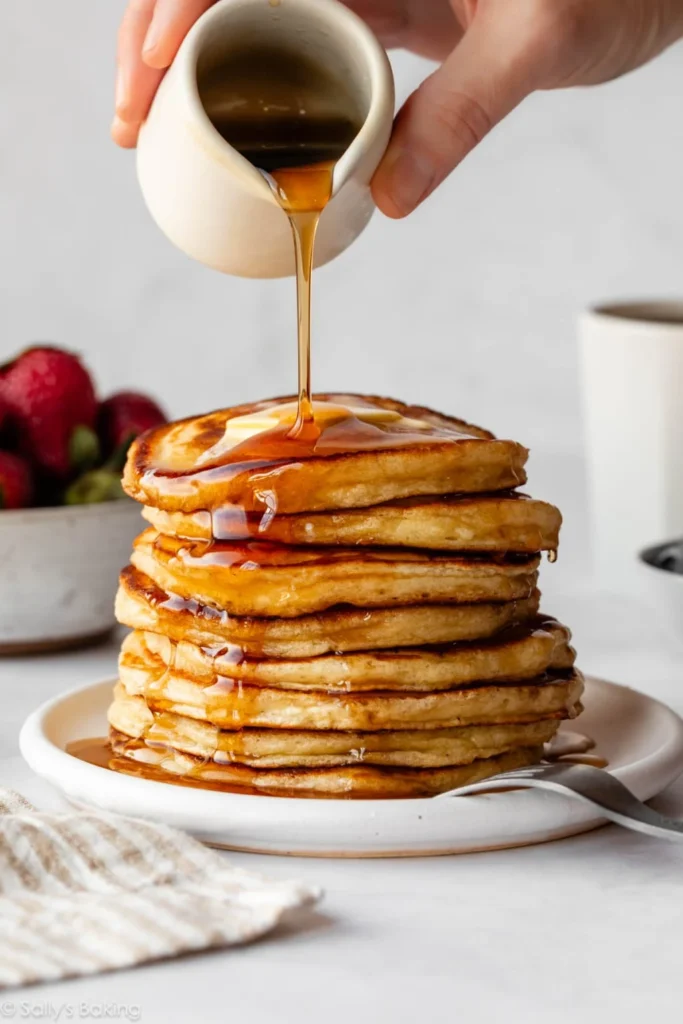
1. Classic Buttermilk Pancakes
Buttermilk pancakes are a breakfast staple that you can easily make from scratch. The buttermilk adds a slight tang while creating a light, fluffy texture that sets these pancakes apart from regular ones.
Let your batter rest at room temperature for about 30 minutes. This allows the buttermilk to thicken the mixture, making your pancakes extra fluffy.
The recipe comes together quickly and produces golden pancakes that taste great with maple syrup and butter.

2. Southern-Style Buttermilk Biscuits
Southern-style buttermilk biscuits bring a taste of comfort to your table. These biscuits are soft, fluffy, and buttery with a golden crust that makes them perfect for any meal.
You can make them with simple ingredients like all-purpose flour, real butter, and buttermilk. The recipe comes together quickly, usually in about 35 minutes from start to finish.
Serve your biscuits warm from the oven with butter, honey, or jam. They also work great alongside breakfast gravy or as a side for dinner.
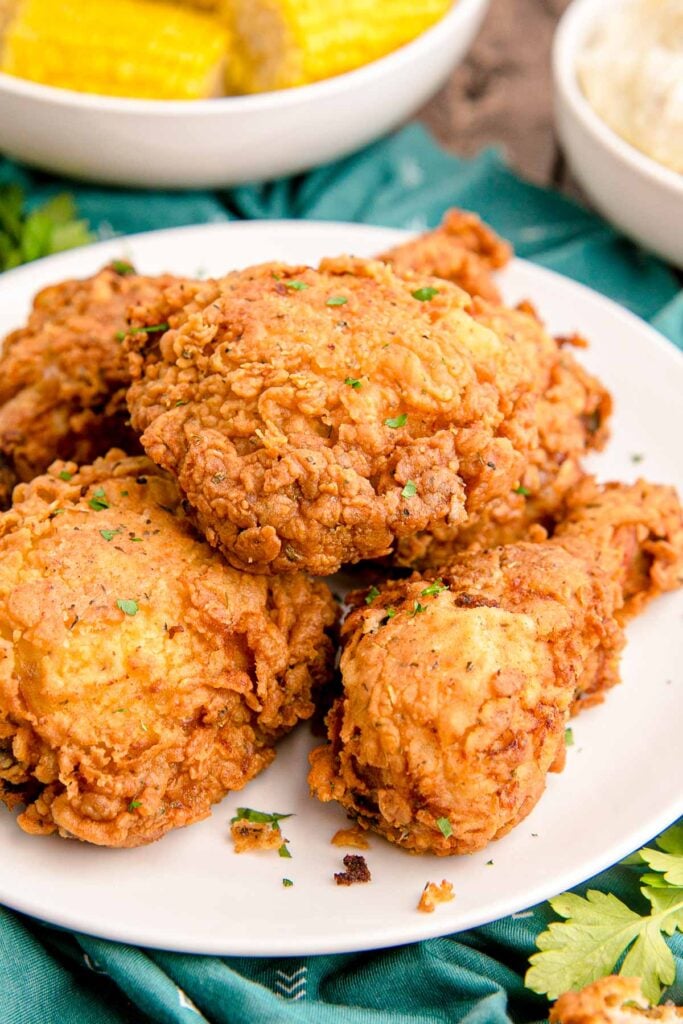
3. Buttermilk Fried Chicken
Buttermilk fried chicken delivers crispy coating and juicy meat every time. The buttermilk acts as a brine that keeps your chicken tender while adding flavor.
Soak the chicken pieces in buttermilk, then coat them in seasoned flour before frying. This creates a crunchy exterior that sticks to the meat.
Use oils with high smoke points like vegetable, canola, or peanut oil for frying. The buttermilk marinade makes this recipe reliable and tasty.

4. Buttermilk Ranch Dressing
You can make ranch dressing at home in just five minutes with buttermilk as the key ingredient. The buttermilk creates a creamy, tangy flavor that tastes fresher than bottled versions.
Mix buttermilk with mayonnaise, sour cream, and simple seasonings like garlic and herbs. You’ll get a versatile dressing that works for salads, vegetable dips, or chicken wings.
Adjust the thickness by adding more or less buttermilk to suit your needs.

5. Buttermilk Cornbread
Buttermilk cornbread is a simple side dish that pairs well with chili, soups, and barbecue. The buttermilk makes the cornbread moist and adds a slight tang to balance the sweetness.
You can make this recipe without a mixer. Just combine cornmeal, flour, buttermilk, eggs, and butter in a bowl.
The batter bakes into a golden bread with crispy edges and a tender inside. Serve it warm with butter for the best taste.

6. Lemon Buttermilk Pound Cake
Lemon buttermilk pound cake combines tangy citrus with rich butter flavor. The buttermilk keeps the cake moist and adds a slight tang that balances the sweetness.
You’ll need fresh lemon zest and juice to get the best flavor. Most recipes call for about five lemons total.
Bake this cake in a bundt pan at 325 degrees. Many bakers add a lemon glaze or syrup after baking to boost the citrus taste.

7. Buttermilk Mashed Potatoes
Buttermilk mashed potatoes deliver creamy texture with a pleasant tang. You can make them with Yukon Gold or Russet potatoes for the best results.
The buttermilk adds flavor while keeping the potatoes light and fluffy. You’ll need less butter than traditional recipes, making them a bit lighter.
Add some garlic if you want extra flavor.

8. Buttermilk Chocolate Cake
Buttermilk chocolate cake delivers rich chocolate flavor with a moist, tender crumb. The buttermilk adds a slight tang that balances the sweetness and creates a better texture than regular milk.
Mix your dry ingredients first, then add buttermilk, eggs, and oil. The batter comes together quickly with just a whisk.
This cake works well for birthdays and celebrations. Top it with chocolate frosting or serve it plain with powdered sugar.

9. Buttermilk Blueberry Muffins
Buttermilk blueberry muffins give you a tender, moist texture that regular milk can’t match. The buttermilk adds a subtle tang that balances the sweetness of the berries.
You can use fresh or frozen blueberries in this recipe. The muffins come together quickly in one bowl, making them perfect for busy mornings.
Top your muffins with coarse sugar before baking for a crunchy, sweet finish. Some recipes add a cinnamon streusel or lemon zest for extra flavor.
These muffins stay fresh for several days and freeze well too.

10. Buttermilk Onion Rings
Buttermilk onion rings give you that restaurant-quality crunch at home. The buttermilk helps create an extra-crispy coating while adding a subtle tangy flavor.
Soak thick onion slices in buttermilk, then coat them in seasoned flour. Many recipes use a double-dredge method for maximum crispiness.
When you fry these onion rings, the buttermilk batter turns golden brown and crispy. The onions inside stay tender and sweet, creating a perfect contrast in textures.
Serve them as an appetizer or side dish with your favorite dipping sauce.
The Role Of Buttermilk In Baking
Buttermilk brings acidity, moisture, and fat to your baked goods. It works with leavening agents to create tender textures and balanced flavors.
Understanding how it functions helps you use it effectively in your recipes.
Science Behind Buttermilk’s Tang
Buttermilk contains lactic acid, which gives it a pH of around 4.5. This acidity reacts with baking soda to produce carbon dioxide bubbles that make your cakes, pancakes, and biscuits rise.
The acid also breaks down gluten strands in flour. This process creates softer, more tender baked goods compared to using regular milk.
You’ll notice this especially in cakes and quick breads. The tangy flavor comes from the fermentation process.
Modern buttermilk is made by adding bacterial cultures to low-fat milk. These cultures produce lactic acid and create the characteristic taste that balances sweetness in your recipes.
Buttermilk adds moisture through its liquid content and fat. Even low-fat buttermilk contains enough fat to contribute to a moist crumb structure.
The combination of acid and fat helps baked goods stay fresh longer.
Alternatives For Buttermilk
You can make a quick substitute by adding 1 tablespoon of white vinegar or lemon juice to 1 cup of regular milk. Let it sit for 5-10 minutes until it thickens slightly.
Common Buttermilk Substitutes:
- Milk + vinegar (1 cup milk + 1 tablespoon vinegar)
- Milk + lemon juice (1 cup milk + 1 tablespoon lemon juice)
- Plain yogurt thinned with milk (3/4 cup yogurt + 1/4 cup milk)
- Sour cream thinned with milk (3/4 cup sour cream + 1/4 cup milk)
Plain yogurt or sour cream mixed with milk provides similar acidity and thickness. Thin these dairy products with milk to match buttermilk’s consistency.
The ratio depends on how thick your yogurt or sour cream is. Powdered buttermilk works well if you bake occasionally.
Store it in your pantry and mix it with water when needed. Follow the package directions for the correct ratio.
Handling And Storing Buttermilk
Store buttermilk in your refrigerator at 40°F or below. Keep it in its original container with the lid tightly sealed.
Buttermilk typically lasts 1-2 weeks past the sell-by date when stored properly. Check for spoilage before using buttermilk that’s been in your fridge for a while.
Fresh buttermilk smells tangy but not unpleasant. Discard it if you see mold, notice a sharp ammonia smell, or find the texture has become slimy.
You can freeze buttermilk for up to 3 months. Pour it into freezer-safe containers or ice cube trays for easy portioning.
Thaw it in the refrigerator overnight before using. Shake well after thawing since the texture may separate slightly.
Always shake buttermilk before measuring it for your recipes. The fat and solids can separate during storage.
This ensures you get consistent results in your baking.
Tips For Perfect Buttermilk Recipes
Success with buttermilk depends on choosing quality ingredients and knowing how to balance flavors with complementary additions.
Selecting The Best Buttermilk
Look for cultured buttermilk in the dairy section rather than making substitutes when possible. Real buttermilk contains active cultures that create its signature tangy flavor and thick texture.
Check the expiration date and choose the freshest container available. Store buttermilk in the coldest part of your refrigerator, usually the back of the bottom shelf.
It typically stays fresh for up to two weeks after opening. You can also freeze buttermilk in ice cube trays or small containers for up to three months.
If you need buttermilk but don’t have any, you can make a substitute by adding one tablespoon of lemon juice or white vinegar to one cup of regular milk. Let this mixture sit for five to ten minutes before using.
This works in most recipes, though the flavor won’t be quite as complex as real cultured buttermilk.
Common Mistakes To Avoid
Never use buttermilk that’s too cold in baked goods. Let it sit at room temperature for 15-20 minutes before mixing.
Cold buttermilk can cause butter or other fats to seize up, creating lumpy batter and dense results. Don’t overmix batters and doughs made with buttermilk.
The acid in buttermilk activates baking soda quickly, creating bubbles that make your recipes light and fluffy. Stirring too much releases these bubbles and makes pancakes, biscuits, and cakes tough.
Measure buttermilk accurately using liquid measuring cups placed on a flat surface. Check the measurement at eye level for precision.
Too much buttermilk makes batters runny, while too little creates dry, dense results. Skip the urge to substitute regular milk in recipes specifically designed for buttermilk.
The acid content affects how other ingredients react, especially leavening agents like baking soda.
Enhancing Flavors With Mix-Ins
Add fresh or dried herbs to buttermilk marinades and dressings for extra depth. Dill, chives, and parsley work particularly well with buttermilk’s tangy profile.
Use about one tablespoon of fresh herbs or one teaspoon of dried herbs per cup of buttermilk. Vanilla extract, almond extract, or citrus zest brighten buttermilk in sweet recipes.
Start with half a teaspoon of extract or one teaspoon of zest per cup of buttermilk in pancakes, muffins, or cakes. For savory dishes, mix in garlic powder, onion powder, black pepper, or hot sauce.
These additions work especially well in fried chicken marinades and salad dressings. Start with small amounts and taste as you go, since buttermilk already has a strong flavor that you don’t want to overpower.
Frequently Asked Questions
Buttermilk works in many different types of recipes, from sweet baked goods to savory main dishes. These common questions cover the best ways to use buttermilk in your cooking.
What are some classic buttermilk pound cake variations?
You can make a traditional buttermilk pound cake more interesting by adding lemon zest and juice for a citrus version. A chocolate buttermilk pound cake uses cocoa powder to create a rich, moist dessert.
Almond extract and sliced almonds give you an almond buttermilk pound cake. You can also add fresh or frozen berries like blueberries or strawberries to the batter for a fruity twist.
Can you suggest some savory dishes that feature buttermilk as a key ingredient?
Buttermilk fried chicken uses buttermilk as a marinade to tenderize the meat and create a crispy coating. You can make buttermilk ranch dressing by mixing buttermilk with herbs, garlic, and mayonnaise.
Buttermilk cornbread gets its moist texture and tangy flavor from buttermilk. Try using buttermilk in mashed potatoes for a creamy, flavorful side dish.
You can also make buttermilk coleslaw. Use buttermilk as a base for creamy soups.
What are the top buttermilk-based dessert recipes?
Buttermilk pie is a Southern classic with a custard-like filling and sweet, tangy taste. Buttermilk cake stays moist for days and works well with different frostings.
You can make buttermilk panna cotta for a light, creamy dessert. Buttermilk donuts have a tender crumb and pair well with glazes or sugar coatings.
Buttermilk ice cream offers a tangy alternative to regular ice cream flavors.
How can I incorporate buttermilk into healthy meal options?
You can use buttermilk in smoothies for added protein and probiotics. Mix it with oats for overnight oats that have a creamy texture and tangy flavor.
Buttermilk makes a good base for healthy salad dressings when you mix it with herbs and spices. Marinate lean proteins like chicken breast or fish in buttermilk before grilling.
Use buttermilk in whole grain muffins or quick breads to add moisture without extra fat.
What are some simple but delicious recipes that use buttermilk for baking?
Classic buttermilk pancakes need just a few basic ingredients and cook quickly on a griddle. Southern-style buttermilk biscuits require flour, butter, and buttermilk for flaky layers.
You can make buttermilk muffins in one bowl with minimal cleanup. Buttermilk scones come together fast and work with sweet or savory add-ins.
Buttermilk waffles create a crispy outside and fluffy inside.
Which dinner recipes that include buttermilk are considered the best?
Buttermilk fried chicken remains a top choice for dinner. The buttermilk creates tender, juicy meat.
You can make buttermilk-marinated pork chops that stay moist during cooking.
Buttermilk mashed potatoes provide a creamy side dish for any meal.
Try making buttermilk baked chicken for a lighter version of fried chicken.
Buttermilk cornbread pairs perfectly with chili, stews, and barbecue dishes.