
Cabbage often gets overlooked in the kitchen, but it’s one of the most useful vegetables you can buy. It costs less than many other vegetables, stays fresh for weeks in your fridge, and works well in dozens of different dishes.
This guide will show you how to turn simple cabbage into delicious meals your family will enjoy, from crunchy slaws and hearty soups to crispy roasted wedges and savory pancakes.
You’ll find recipes that work for busy weeknight dinners and weekend cooking projects. Each dish uses basic cooking methods and ingredients you probably already have.
Whether you want something light and fresh or warm and filling, cabbage adapts to what you need.
1. Classic Coleslaw
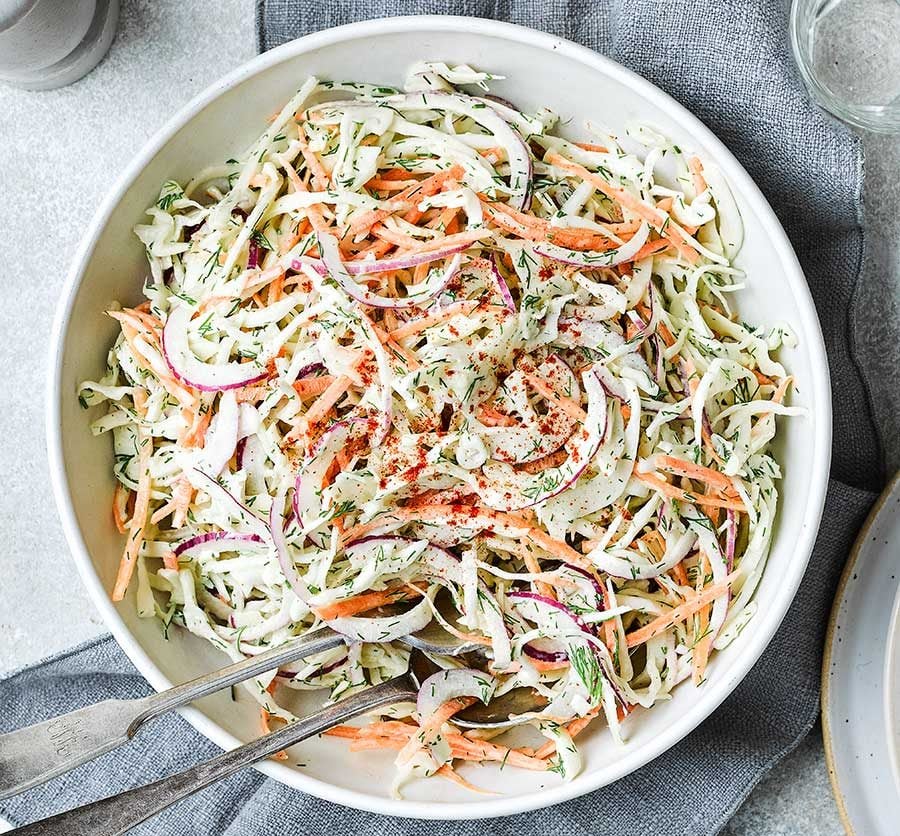
Classic coleslaw brings crisp cabbage and carrots together with a creamy, tangy dressing. You can make it in just minutes with simple ingredients you probably have at home.
The dressing combines mayonnaise, vinegar, and a touch of sugar for the perfect balance. Some recipes add mustard or celery seed for extra flavor.
You can use green cabbage alone or mix in red cabbage for color. Pre-shredded coleslaw mix makes it even faster to prepare.
This side dish works great for cookouts and potlucks.

2. Stuffed Cabbage Rolls
Stuffed cabbage rolls are a comforting dish that brings warmth to your dinner table. You wrap tender cabbage leaves around a filling made with ground beef, rice, and seasonings.
Bake the rolls in tomato sauce until everything cooks through. You can use ground turkey instead of beef if you want a leaner option.
The cabbage becomes soft during cooking, and the sauce adds a savory flavor to each bite.

3. Cabbage Stir-Fry with Soy Sauce
You can make this stir-fry in just 20 minutes with basic ingredients. The dish combines crisp cabbage with garlic, soy sauce, and sesame oil for a simple side that pairs well with any meal.
Cook the cabbage in a hot wok or skillet to keep it tender yet crunchy. The high heat brings out the cabbage’s natural sweetness while the soy sauce adds a savory flavor.
This recipe works great for busy weeknights when you need something quick and healthy.

4. Cabbage and Smoked Sausage Sauté
This one-pan meal comes together in about 30 minutes. You’ll brown sliced smoked sausage in a skillet, then add chopped cabbage with onions and garlic.
The cabbage cooks down until tender while soaking up the smoky flavors from the sausage. Season with salt, pepper, and red pepper flakes for a simple but tasty dinner.
You can serve it as a main dish or hearty side. The recipe works well with any smoked sausage you have on hand.

5. Sweet and Sour Cabbage
Sweet and sour cabbage brings together tangy vinegar and brown sugar for a balanced flavor. This recipe works well as a side dish for roasted chicken, pork chops, or grilled sausages.
You can make this dish with green or red cabbage. The cooking process is simple and takes about 15-20 minutes.
Many versions include bacon for extra flavor, while others keep it vegetarian. The cabbage cooks until it’s tender but still has some texture.
This recipe is budget-friendly and adds vegetables to your meal without complicated steps.

6. Cabbage Soup with Vegetables
This vegetable cabbage soup makes a quick weeknight meal when you need something warm and filling. You can make it in one pot, which saves time on cleanup.
The soup combines shredded green cabbage with other vegetables like beans, potatoes, and tomatoes in a seasoned broth. Most recipes are ready in about 30 minutes.
You can adjust the vegetables based on what you have available. The dish works well as a main course or side dish throughout the year.

7. Roasted Crispy Cabbage Wedges
Roasting cabbage wedges creates crispy, caramelized edges and a tender center. You’ll need just a few basic ingredients: cabbage, olive oil, salt, and your choice of seasonings.
Cut your cabbage into thick wedges and brush them with olive oil. Season with salt, pepper, and garlic powder or herbs.
Roast at high heat until the edges turn golden brown. This cooking method brings out the natural sweetness in cabbage without creating strong kitchen odors.
The wedges make a simple weeknight side dish that pairs well with most main courses.

8. Cabbage Pancakes
Cabbage pancakes turn shredded cabbage into crispy, savory rounds that work for breakfast, lunch, or dinner. You mix thinly shredded cabbage with eggs, a bit of flour, and seasonings to create a simple batter.
Shred your cabbage finely so it cooks evenly and holds together well. You can add green onions, cheese, or other vegetables to customize the flavor.
These pancakes cook quickly in a hot pan with oil until they’re golden and crispy on the outside. Serve them with soy sauce, spicy mayo, or your favorite dipping sauce for a budget-friendly meal.

9. Sheet Pan Pierogies with Cabbage
This one-pan meal brings together frozen pierogies and cabbage for a simple weeknight dinner. You can use any flavor of pierogies you have on hand.
The dish often includes kielbasa sausage, which adds smoky flavor. Everything roasts together on a single sheet pan, so cleanup is easy.
Many recipes finish the dish with a simple sauce like honey mustard or a tangy vinaigrette. The cabbage becomes tender and slightly caramelized as it cooks.
You’ll have dinner ready in about 30 minutes with less than 10 ingredients.

10. Warm Cabbage and Bacon Salad
This salad combines crispy bacon with tender cabbage for a simple side dish. You cook the bacon first, then use the rendered fat to wilt the cabbage until it’s tender but still has some crunch.
The warm dressing usually includes Dijon mustard and vinegar for tanginess. You can make this recipe in under 20 minutes, which works well for busy weeknights.
The dish works with green cabbage or napa cabbage. Some versions add mushrooms or walnuts for extra texture.
Tips for Cooking with Cabbage
Working with cabbage becomes much easier when you know how to pick the best head, store it properly, and prepare it correctly. These practical tips will help you avoid common problems and get the most flavor from this affordable vegetable.
Selecting and Storing Fresh Cabbage
Look for cabbage heads that feel heavy for their size and have tight, crisp leaves. The outer leaves should be bright and free from brown spots or cracks.
A light head usually means the cabbage is old and dried out inside. Green cabbage keeps longer than red or Savoy varieties.
Store your whole cabbage head in the crisper drawer of your refrigerator. It will stay fresh for up to two weeks when kept cold.
Once you cut into a cabbage, wrap the remaining portion tightly in plastic wrap or place it in an airtight container. Cut cabbage will last about three to five days in the fridge.
Make sure to check for any browning on the cut edges before using it.
Preparing Cabbage for Cooking
Remove the tough outer leaves first, then rinse the cabbage under cold water. Cut the head into quarters through the core.
This makes it easier to remove the hard core from each piece. For shredding, use a sharp knife or mandoline to cut thin, even strips.
Thicker slices work better for roasting or grilling. If you’re making slaw, aim for pieces about 1/8 inch thick.
Cabbage releases water as it cooks, so you don’t need much liquid when making soups or stews. Salt your shredded cabbage and let it sit for 10 minutes before making slaw.
This draws out excess moisture and creates a crunchier texture.
Common Mistakes to Avoid
Don’t overcook your cabbage. It only needs 5-7 minutes when sautéing and 10-15 minutes when boiling.
Overcooked cabbage becomes mushy and develops a strong sulfur smell that many people find unpleasant. Avoid crowding the pan when you cook cabbage.
Give it enough space so it can brown properly instead of steaming. Cook in batches if needed.
Many cooks throw away the core, but you can dice it finely and add it to soups or stir-fries. It just needs a few extra minutes of cooking time to become tender.
Season cabbage properly with salt, pepper, and acids like vinegar or lemon juice to bring out its natural sweetness.
Nutritional Highlights of Cabbage Recipes
Cabbage delivers impressive amounts of vitamins C and K while staying extremely low in calories. Cooking methods play a big role in keeping those nutrients intact.
Health Benefits of Cabbage
Cabbage provides about 85% of your daily vitamin C needs in just one cup of raw leaves. This vitamin supports your immune system and helps your body heal wounds faster.
You’ll also get a full day’s worth of vitamin K from that same serving. Your body uses this vitamin to help blood clot properly and keep your bones strong.
Cabbage contains only 22 calories per cup, making it perfect when you want to feel full without adding extra calories to your meals. The high fiber content helps with digestion and keeps you satisfied longer.
The vegetable includes powerful antioxidants called anthocyanins, especially in red cabbage varieties. These compounds may help reduce inflammation in your body and protect your cells from damage.
Ways to Maximize Nutrient Retention
Quick cooking methods preserve the most nutrients. Steam cabbage for 5-7 minutes or stir-fry it for 3-5 minutes to keep vitamins intact.
Long cooking times break down vitamin C and other heat-sensitive nutrients. Raw preparations like coleslaw and salads give you the maximum nutritional benefit.
You won’t lose any vitamins to heat or cooking water. When you need to boil cabbage, save the cooking water for soups or stews.
Vitamins C and B leak into the water during cooking, so you can recapture those nutrients instead of pouring them down the drain. Cut cabbage right before cooking rather than hours in advance.
Exposure to air breaks down vitamin C over time.
Frequently Asked Questions
Cabbage dishes work well for quick weeknight meals, weight loss goals, and vegetarian cooking when you know the right techniques and ingredient combinations. These answers cover cooking methods that preserve nutrients, flavor pairings that boost taste, and simple steps for making satisfying meals.
What are some simple steps to create a delicious cabbage dish for dinner?
Start by removing the outer leaves of your cabbage and cutting it into your desired size. For shredded dishes, slice it thin with a sharp knife or mandoline.
Heat oil or butter in a large pan over medium-high heat. Add your cabbage along with aromatics like garlic or onion.
Season with salt and pepper while cooking for 8-12 minutes, stirring occasionally until the cabbage softens and develops light brown edges. You can add protein like smoked sausage or create vegetarian versions with beans.
Finish with a splash of vinegar or soy sauce to brighten the flavors before serving.
How can I make a healthy cabbage recipe that is still satisfying and flavorful?
Use cooking methods like stir-frying or sautéing with minimal oil to keep calories low while developing good flavor. Add umami-rich ingredients like soy sauce, garlic, or ginger to create depth without extra calories.
Pair cabbage with lean proteins such as chicken breast or tofu to make the meal more filling. Include other vegetables like carrots, bell peppers, or mushrooms to add variety and nutrients.
Season generously with herbs and spices instead of relying on heavy sauces. Red pepper flakes, black pepper, cumin, or fresh herbs can transform simple cabbage into a dish you’ll want to eat regularly.
Which ingredients are best to include in a cabbage recipe for weight loss?
Focus on adding high-protein ingredients like chicken, turkey, or tofu to keep you full longer. These proteins help maintain muscle while you lose weight.
Include other non-starchy vegetables such as carrots, celery, onions, and bell peppers. These add volume and nutrients without many calories.
Use broth instead of oil when possible for cooking. Season with vinegar, lemon juice, herbs, and spices rather than creamy dressings or heavy sauces.
Avoid adding sugar or sweeteners to keep the calorie count low.
Could you suggest some vegetarian cabbage recipes that are easy to prepare?
Make a simple stir-fry by cooking shredded cabbage with soy sauce, garlic, and ginger. Add sesame oil at the end for extra flavor.
Prepare stuffed cabbage rolls using a filling of rice, mushrooms, and vegetables instead of meat. Top with tomato sauce and bake until tender.
Create a sweet and sour cabbage by cooking it with apple cider vinegar, a small amount of sweetener, and caraway seeds. Serve this as a side dish or over grains for a light main course.
What are the secrets to making the best sautéed cabbage?
Cut your cabbage into uniform pieces so everything cooks evenly. Avoid crowding the pan to prevent steaming and encourage browning.
Use medium-high heat and let the cabbage sit without stirring for 2-3 minutes at a time. This caramelizes the cabbage and develops sweet, nutty flavors.
Add a splash of liquid near the end of cooking to deglaze the pan. Water, broth, or vinegar works well and picks up all the flavorful bits stuck to the bottom.
Season with salt throughout the cooking process rather than just at the end.
How do I cook cabbage to maintain its nutrients while enhancing its flavor?
Use quick cooking methods like stir-frying or sautéing for 8-10 minutes. Boiling for a long time causes nutrients to leach out.
Cut cabbage just before cooking to minimize nutrient loss from exposure to air. Larger pieces retain more nutrients than very finely shredded cabbage.
Steam cabbage for 5-7 minutes to preserve the most nutrients while making it tender. Add flavor after cooking with a drizzle of olive oil, lemon juice, garlic, or your favorite seasonings.
Avoid overcooking, as cabbage becomes mushy and loses both nutrients and appeal when cooked too long.