
Filipino cuisine brings together flavors from Spanish, Chinese, and Malay cooking traditions. The food is known for mixing sweet, sour, and salty tastes in ways that might seem unusual at first.
Many Filipino dishes use ingredients like garlic, vinegar, soy sauce, and coconut milk to create bold and memorable flavors.
This collection will show you how to make authentic Filipino dishes that go beyond the basics, from savory stews made with organ meats to sweet desserts topped with shaved ice. You will learn about traditional cooking methods and the key ingredients that make these recipes special.
These dishes reflect the creativity and warmth of Filipino cooking culture.
1. Bistek Tagalog (Filipino Beef Steak)
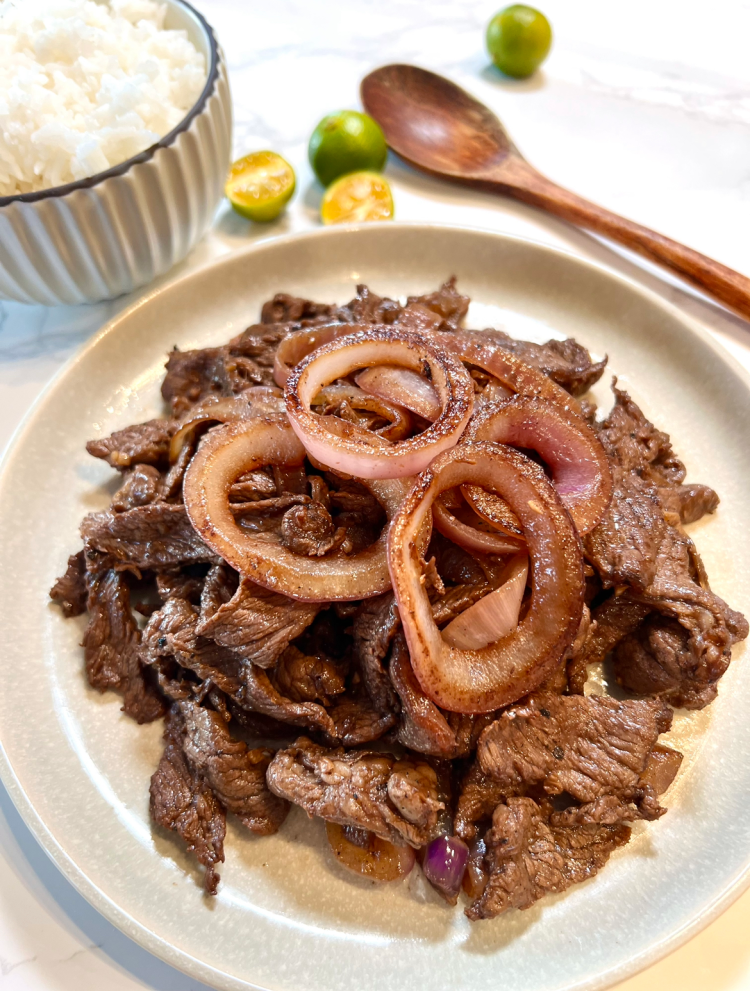
Bistek Tagalog brings together thin slices of beef with a bright, savory marinade. You’ll marinate the meat in soy sauce and calamansi juice, which gives it a tangy flavor that balances the richness of the beef.
You pan-fry the marinated beef until it’s tender, then simmer it in the marinade. Caramelized onions go on top, adding sweetness to each bite.
Serve it over steamed white rice to soak up the flavorful sauce.
2. Kare-Kare (Oxtail Peanut Stew)
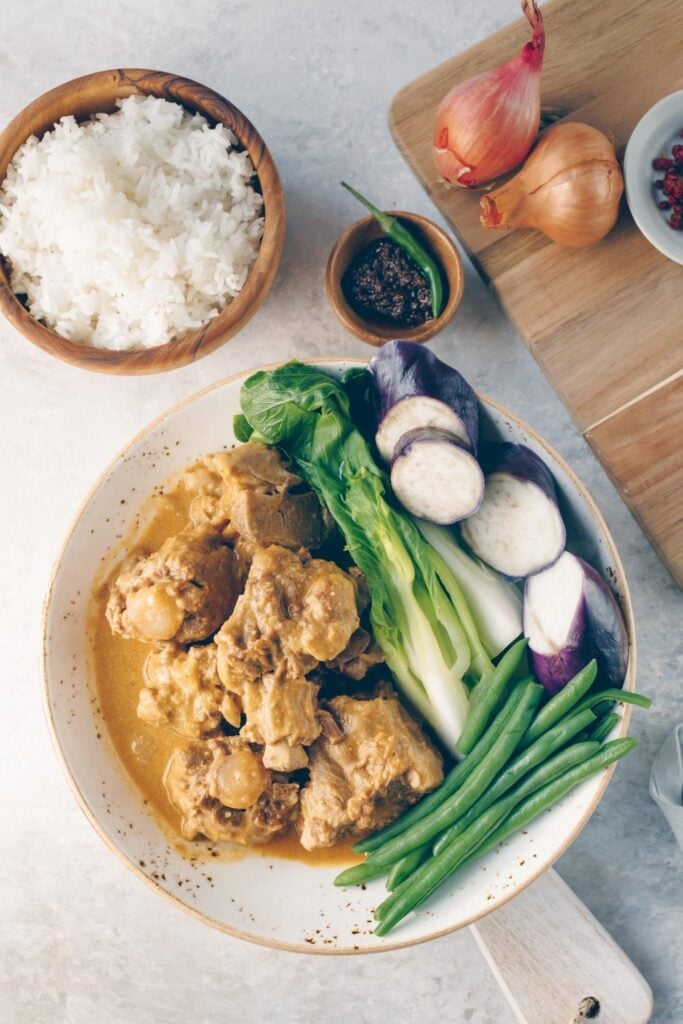
Kare-Kare is a Filipino stew that brings together oxtail and vegetables in a thick peanut sauce. The dish requires patience, as the oxtail needs to simmer for hours until it becomes tender.
The peanut butter creates a creamy base that coats each piece of meat and vegetable. Common additions include eggplant, long green beans, and bok choy.
The stew typically pairs with bagoong, a fermented shrimp paste that adds a salty contrast to the nutty flavors.
3. Laing (Taro Leaves in Coconut Milk)
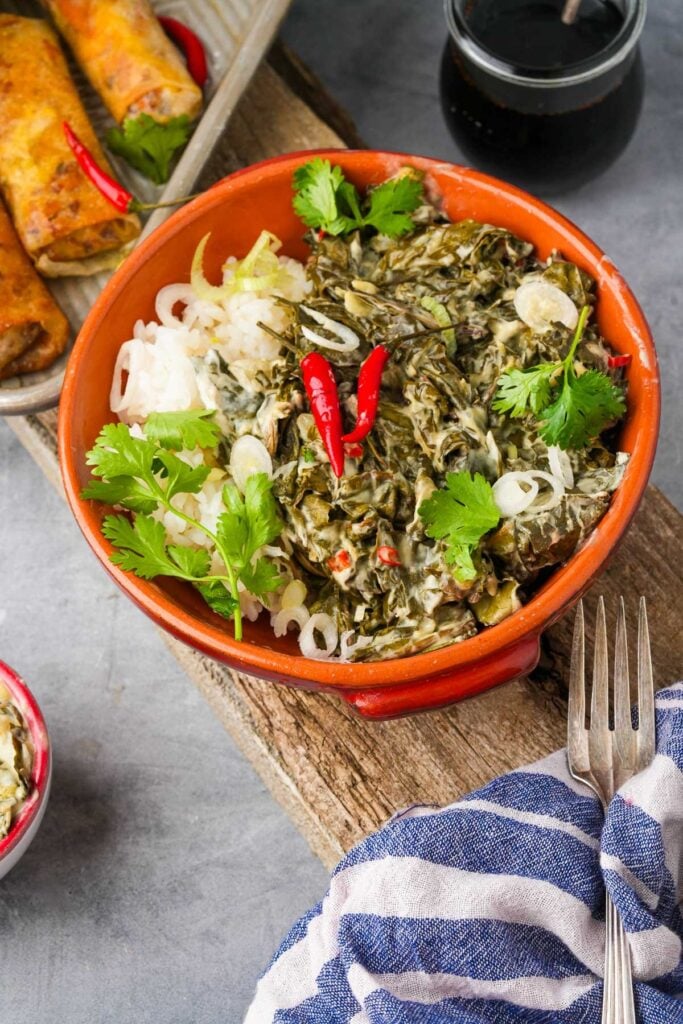
Laing is a beloved Filipino dish that comes from the Bicol region. You cook dried taro leaves in rich coconut milk until they become tender and creamy.
The dish gets its flavor from garlic, ginger, and chilies. Many recipes also include lemongrass for extra taste.
You can make it with just vegetables or add pork, shrimp, or fish. The taro leaves need to cook for a long time in the coconut milk.
This makes them safe to eat and helps them absorb all the flavors.
4. Balut (Fermented Duck Egg)
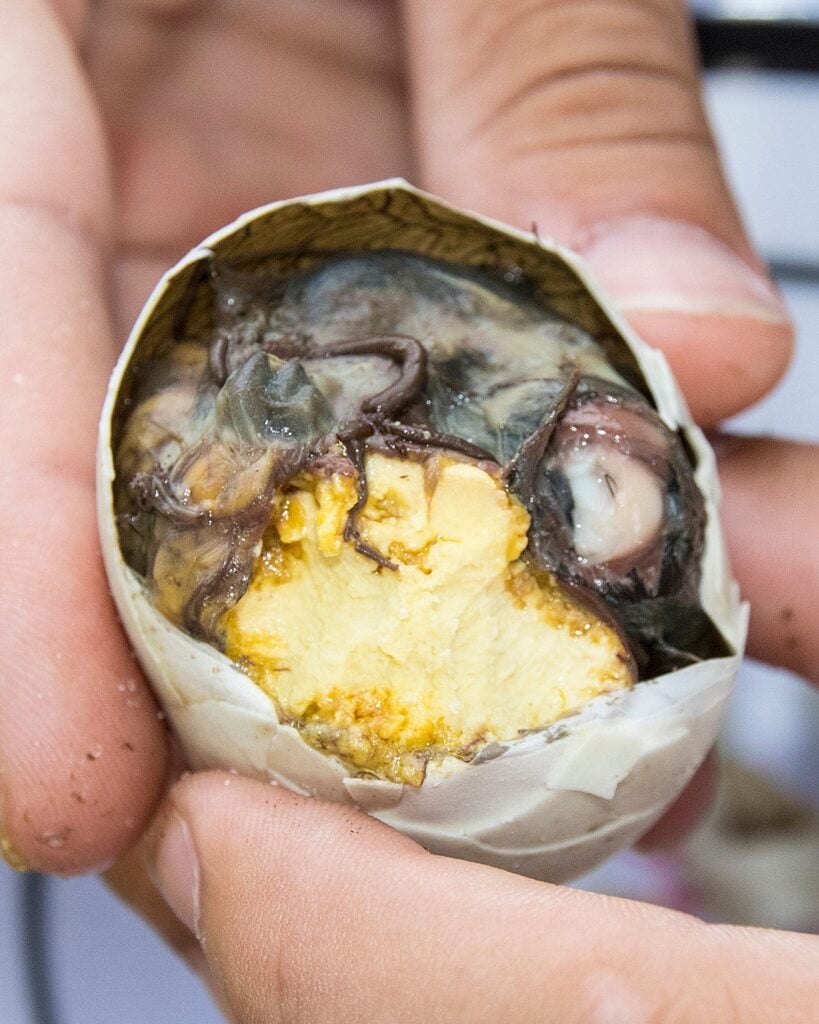
Balut is a traditional Filipino street food made from fertilized duck eggs. The eggs are incubated for about 16 days before being boiled and served warm in the shell.
You’ll find this delicacy sold by street vendors throughout the Philippines. The dish has a unique taste and texture that comes from the developing duck embryo inside.
To eat balut, you crack open the shell and sip the broth first. Then you peel away more shell and eat the contents with salt or a vinegar dipping sauce.
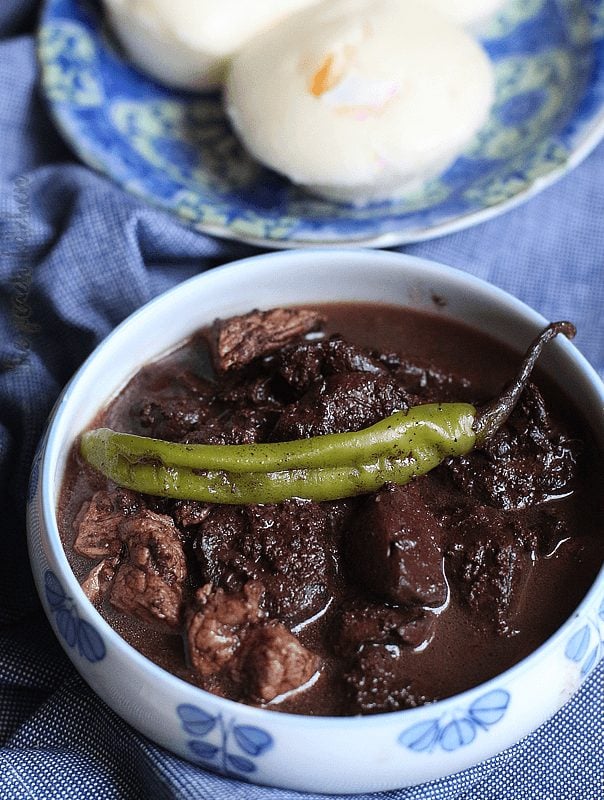
5. Dinuguan (Pork Blood Stew)
Dinuguan is a bold Filipino stew made with pork, pig’s blood, vinegar, and spices. The dish has a dark, rich appearance and a savory, tangy flavor that sets it apart from other Filipino foods.
You’ll find tender pieces of pork belly or shoulder cooked in a thick sauce. The blood gives the stew its signature color and adds depth to the taste.
Filipinos traditionally serve dinuguan with steamed white rice or puto, which are sweet rice cakes.
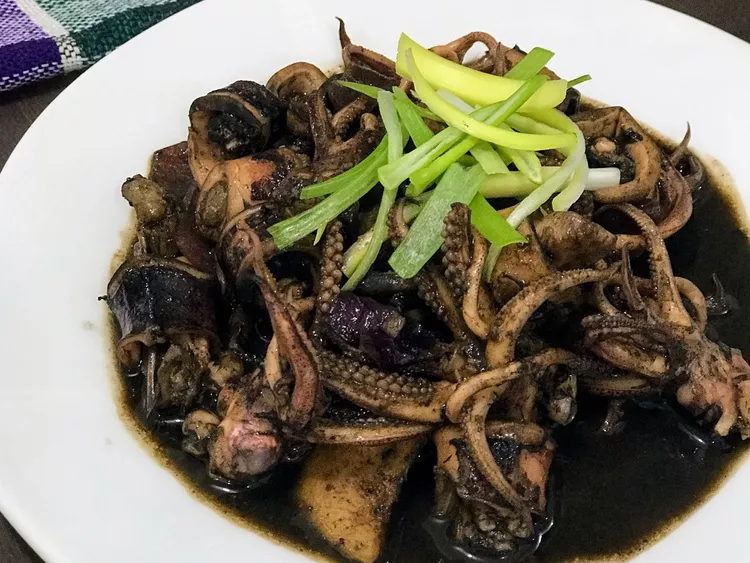
6. Adobong Pusit (Squid Adobo)
Adobong Pusit brings the classic Filipino adobo method to seafood. You cook tender squid in a savory blend of soy sauce, vinegar, garlic, and onions.
The squid soaks up the tangy, salty flavors while staying soft. Some recipes add tomatoes or squid ink for extra depth.
This dish is easy to make and cooks quickly. You can have it ready for lunch or dinner in under 30 minutes.
Serve your Adobong Pusit with steamed white rice to enjoy the flavorful sauce.

7. Paksiw na Lechon (Roast Pork in Vinegar Sauce)
Paksiw na Lechon turns leftover roast pork into a new meal. You simmer the pork in vinegar with liver sauce, garlic, and spices.
The vinegar creates a tangy flavor that balances with sweet notes from brown sugar. This cooking method keeps the meat moist and tender.
You can make this dish in about 15 minutes. It works well with leftover lechon or any roasted pork you have on hand.
Serve it with steamed rice for a complete meal.

8. Pinakbet (Vegetable Stew with Shrimp Paste)
Pinakbet is a healthy vegetable stew from the northern island of Luzon. You’ll find a colorful mix of fresh vegetables like squash, eggplant, okra, and bitter melon simmered together in one pan.
The key ingredient is bagoong, a fermented shrimp paste that gives the dish its signature savory taste. This paste adds a deep umami flavor that makes the vegetables more appealing.
You can make pinakbet with or without meat. Many cooks add pork belly for extra richness, but the vegetable version is just as satisfying when served over rice.

9. Turon (Banana Lumpia)
Turon is a beloved Filipino snack that combines sweet bananas with a crispy fried wrapper. You wrap ripe saba bananas in spring roll wrappers after coating them in brown sugar.
Many versions include jackfruit strips for extra sweetness and texture. When you fry these rolls, the sugar caramelizes and creates a golden, crunchy exterior.
The contrast between the crisp shell and soft banana filling makes this treat irresistible. You can serve turon as a dessert or snack any time of day.

10. Halo-Halo (Mixed Dessert with Shaved Ice)
Halo-halo means “mix-mix” in Tagalog, which tells you exactly how to eat this Filipino dessert. You’ll find layers of shaved ice topped with sweetened beans, tropical fruits, jellies, and evaporated milk in a tall glass.
The dessert includes ube ice cream, leche flan, and sometimes coconut jam or jackfruit. You mix everything together with a long spoon before eating.
Each spoonful gives you different textures and flavors. It’s a cold, refreshing treat that Filipinos enjoy year-round.
Cultural Significance of Exotic Filipino Dishes
Exotic Filipino dishes reveal the deep cultural roots of the Philippines through centuries of trade, colonization, and regional diversity. These unique foods showcase how different cultures and local traditions merged to create something distinctly Filipino.
Historical Influences on Filipino Cuisine
Filipino cuisine developed through layers of cultural exchange that shaped its exotic dishes. The Malay people brought early cooking methods and ingredients that formed the foundation of Filipino food culture.
Chinese traders introduced soy sauce, noodles, and stir-frying techniques that became essential to many recipes. Spanish colonization lasting over 300 years left a major mark on Filipino cooking.
This influence brought new ingredients and cooking styles that mixed with existing traditions. American occupation added another layer, introducing canned goods and Western cooking methods.
Key Cultural Influences:
- Malay – Base cooking methods and indigenous ingredients
- Chinese – Soy sauce, vinegar use, and quick-cooking techniques
- Spanish – Tomato-based dishes and meat preparation methods
- American – Modern ingredients and convenience foods
These influences blended with local ingredients and methods to create dishes you won’t find anywhere else in the world.
Regional Variations in Exotic Recipes
The Philippines has over 7,000 islands, and each region developed its own exotic dishes based on local ingredients and cultural traditions. Ilocano cuisine in the north features dishes adapted to the harsh climate and available resources.
The Bicol region became known for its use of coconut milk and spicy chilies in exotic preparations. Visayan islands developed seafood-focused exotic dishes that reflect their coastal location.
Mindanao’s Muslim communities created distinct recipes that follow Halal practices while using local tropical ingredients. The Kapampangan region earned recognition for bold flavors and creative use of unusual ingredients.
Each region’s exotic dishes tell stories about the people, their environment, and their history. These recipes passed down through generations preserve cultural identity and connect communities to their heritage.
Key Ingredients and Cooking Techniques
Filipino cooking relies on a core set of ingredients that create its signature flavors, combined with traditional methods that bring out the best in each dish.
Sourcing Authentic Ingredients
You’ll need several essential ingredients to create authentic Filipino dishes at home. The most important ones include garlic, onions, tomatoes, soy sauce, vinegar, and fish sauce.
These form the foundation of most Filipino recipes.
Core Pantry Items:
- Cane vinegar or coconut vinegar
- Filipino soy sauce (slightly sweeter than Chinese varieties)
- Patis (fish sauce)
- Calamansi or regular lime juice
- Palm sugar or brown sugar
Fresh ingredients make a big difference in your cooking. Look for Asian grocery stores in your area for specialty items like banana leaves, ube, pandan, and tamarind.
You can substitute regular white vinegar if Filipino vinegar isn’t available, but the flavor will be slightly different. Many online retailers now ship Filipino ingredients directly to your home.
This makes it easier to find items like shrimp paste, annatto seeds, and Filipino-style chorizo that local stores might not carry.
Traditional Preparation Methods
Filipino cooking uses specific techniques that develop deep, complex flavors. The most common method is sautéing with garlic, onions, and tomatoes, which creates a flavor base called ginisa.
Braising appears in many Filipino dishes like adobo and kaldereta. You brown the meat first, then simmer it slowly in a mixture of vinegar, soy sauce, and spices.
This creates tender meat with rich sauce. Grilling over charcoal gives Filipino barbecue its smoky taste.
The meat marinates in a sweet-salty mixture before cooking. Deep-frying is another key technique, used for dishes like lumpia and crispy pata.
Many recipes require long, slow cooking times. This allows flavors to blend together and meat to become fall-apart tender.
Frequently Asked Questions
Filipino cooking relies on specific ingredients, techniques, and flavor balances that create its distinctive taste. Understanding these elements helps you prepare authentic dishes at home, whether you’re making meat-based classics or plant-based alternatives.
What are the classic ingredients used in traditional Filipino cuisine?
Filipino cooking uses garlic, onions, and tomatoes as its base for most dishes. Soy sauce and vinegar provide the signature salty and sour notes you’ll find in many recipes.
Coconut milk appears in dishes like Laing and Kare-Kare to add richness. Fish sauce, called patis, brings umami depth to stews and sauces.
Bay leaves and peppercorns add aromatic notes to meat dishes.
How can I authentically replicate the flavors of the Philippines at home?
Start with quality vinegar, preferably cane vinegar or coconut vinegar, which provides the right acidity level. Use dark soy sauce instead of regular soy sauce for richer color and flavor in dishes like Bistek Tagalog.
Toast shrimp paste before adding it to recipes for better flavor development. Source banana leaves from Asian markets to wrap and steam foods the traditional way.
Buy tamarind paste or fresh tamarind to create the authentic sour base for stews.
What are some popular Filipino dishes that are perfect for family gatherings?
Kare-Kare works well for large groups because you can make it in big batches. The oxtail and peanut stew feeds many people and tastes better the next day.
Bistek Tagalog serves easily over rice for family-style meals. Laing brings a vegetable option that pairs with meat dishes.
These recipes scale up without losing quality or flavor.
Can you suggest some vegetarian or vegan options in Filipino cooking?
Laing becomes vegan when you use coconut milk without added dairy or animal products. You can make vegetable versions of traditional stews using mushrooms instead of meat.
Ginataang gulay combines various vegetables in coconut milk sauce. Tortang talong, an eggplant omelet, works as a vegetarian option when made without meat additions.
Replace fish sauce with soy sauce or salt in recipes to make them fully plant-based.
How do I properly balance the sweet, sour, and salty flavors characteristic of Filipino dishes?
Start with equal parts soy sauce and vinegar as your base. Add sugar gradually, tasting as you go, since Filipino dishes use less sweetness than you might expect.
The sour note should come through first, followed by salty, then a slight sweet finish. In Bistek Tagalog, the citrus and soy sauce balance creates the signature taste.
Adjust each element separately rather than adding everything at once.
What are the cooking techniques unique to Filipino food preparation?
Braising in vinegar and soy sauce, called adobo-style cooking, develops deep flavors without browning meat first.
Long, slow simmering breaks down tough cuts like oxtail in Kare-Kare until they become tender.
Toasting rice and grinding it into powder adds texture to dishes like Dinuguan.
Cooks squeeze and wring taro leaves to remove excess moisture and bitterness before cooking.
Layering ingredients rather than stirring constantly allows flavors to develop naturally during cooking.