
Hawaiian food combines sweet and savory flavors with fresh ingredients from the islands. The cuisine blends native Hawaiian traditions with influences from Japan, Portugal, China, and other cultures that shaped the region’s history.
This mix creates dishes that taste different from anything you’ll find on the mainland.
You can make authentic Hawaiian meals at home using everyday ingredients and simple cooking methods. The recipes range from light appetizers and fresh poke bowls to hearty main dishes with pork and chicken.
You’ll also learn about traditional ingredients like taro leaves and coconut. Discover the techniques that give these dishes their unique island flavor.
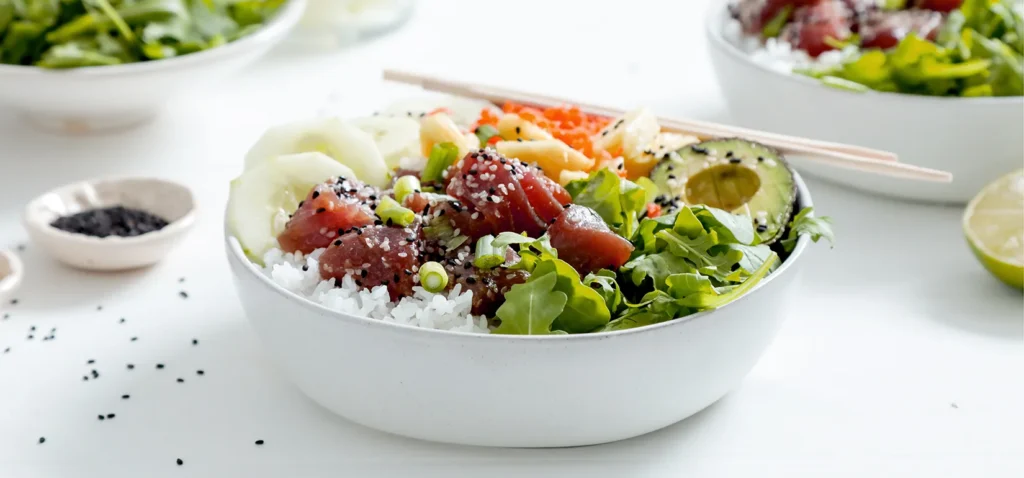
1. Ahi Poke Bowl
Ahi poke bowls bring authentic Hawaiian flavors to your table in about 15 minutes. You’ll use fresh, sushi-grade ahi tuna cut into cubes and marinate it in soy sauce, sesame oil, and sea salt.
The base starts with steamed rice. Add toppings like cucumber, avocado, radishes, sprouts, and green onions.
Sprinkle furikake or sesame seeds on top for extra flavor. This dish works well as a light meal or appetizer.
Use high-quality fish to keep the raw tuna fresh and flavorful. Customize your bowl with different vegetables based on what you have available.
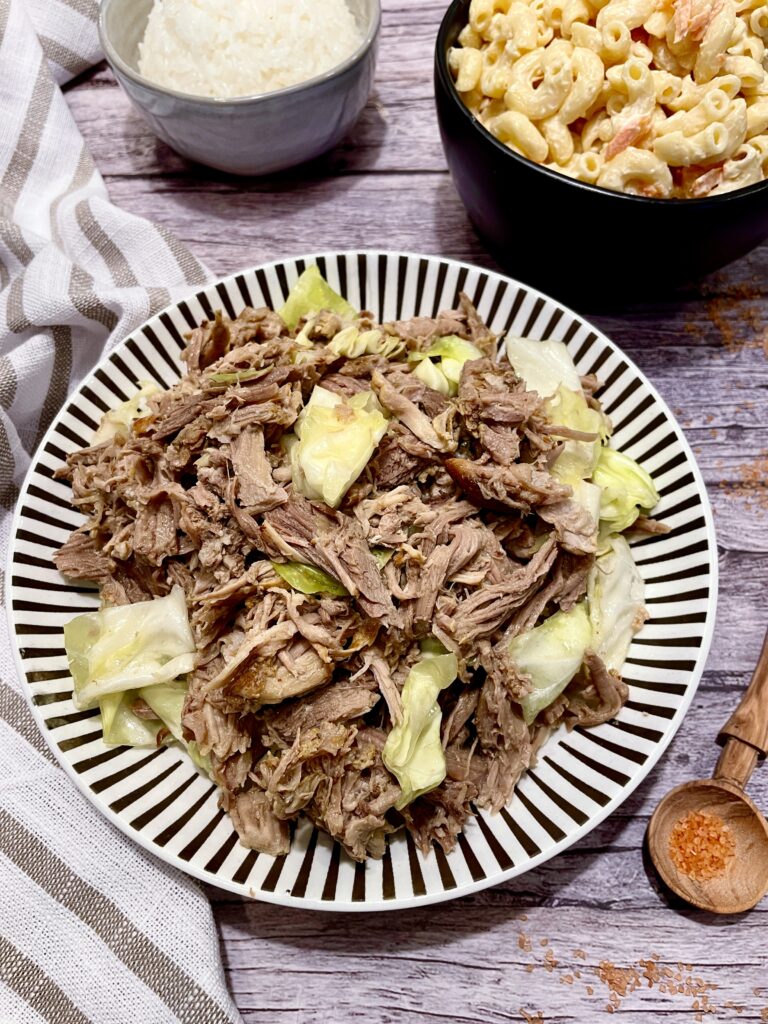
2. Kalua Pork
Kalua pork brings authentic Hawaiian flavor to your table. This slow-cooked dish uses pork shoulder seasoned with sea salt and liquid smoke to create tender, pulled meat.
Make it in your oven or slow cooker without needing a traditional underground pit. Cook the pork low and slow until it falls apart easily.
Serve your kalua pork over rice or use it for sliders, tacos, and sandwiches. It pairs well with cabbage for a traditional Hawaiian meal.
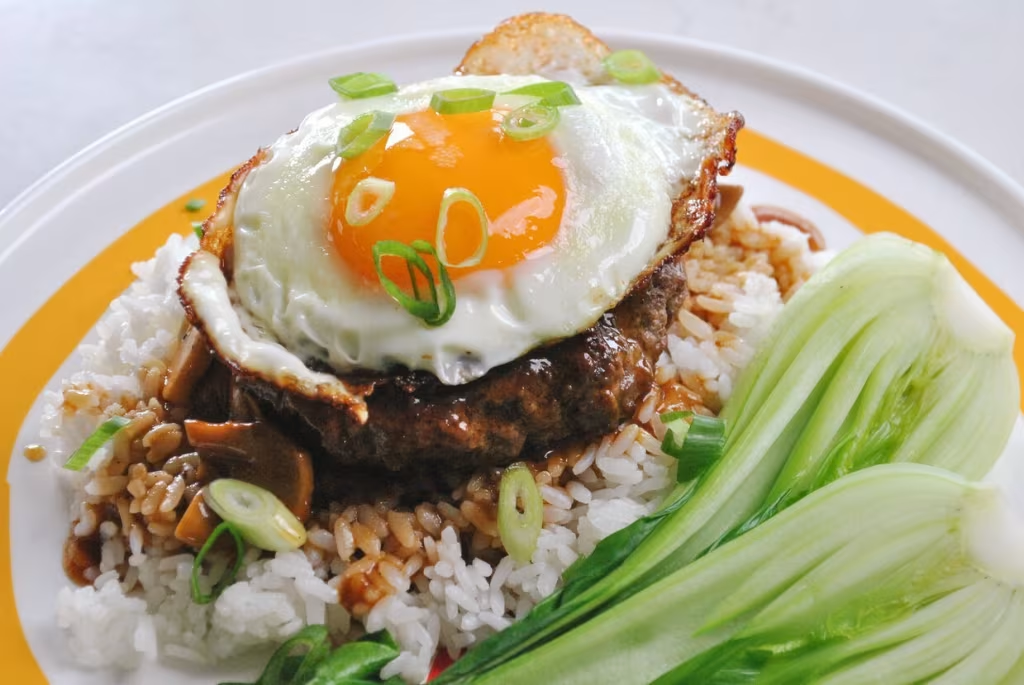
3. Loco Moco
Loco Moco is a classic Hawaiian comfort food that combines simple ingredients into a filling meal. Build this dish with a base of white rice topped with a hamburger patty, rich brown gravy, and a fried egg.
The runny egg yolk mixes with the gravy to create extra flavor. Enjoy this dish for breakfast, lunch, or dinner.
Making Loco Moco at home is easy and doesn’t require special cooking skills. Add mushrooms or onions to your gravy if you want more flavor.

4. Spam Musubi
Spam musubi is one of Hawaii’s most popular snacks. You’ll find it everywhere across the islands, from convenience stores to beach stands.
This portable treat wraps a slice of pan-fried Spam with sticky rice in a sheet of nori seaweed. Many recipes add a teriyaki or soy-based glaze to the Spam for extra flavor.
Sprinkle furikake seasoning on the rice if you like. The recipe combines Japanese and Hawaiian food traditions.
You can make it at home in about 30 minutes with basic ingredients.
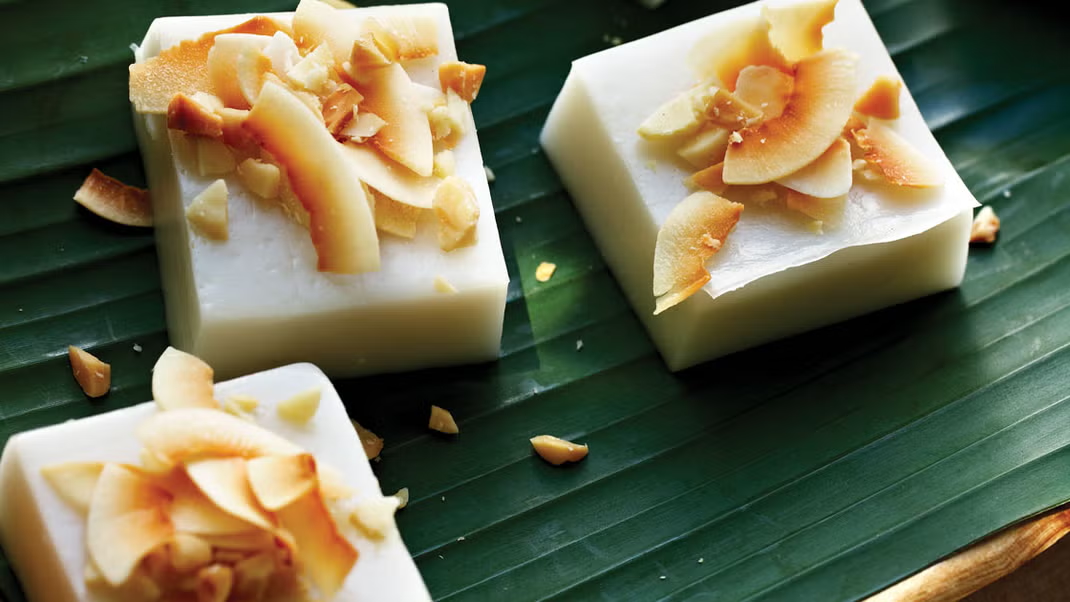
5. Haupia (Coconut Pudding)
Haupia is a traditional Hawaiian dessert that’s been served at luaus for generations. This coconut pudding has a smooth, creamy texture and appears as small chilled squares.
You only need four basic ingredients: coconut milk, sugar, cornstarch, and water. The coconut milk creates the rich base while cornstarch thickens it into pudding.
Making haupia is simple but requires patience. Mix the ingredients and cook them slowly over low heat, whisking constantly.
The result is a sweet tropical treat that captures authentic Hawaiian flavor.
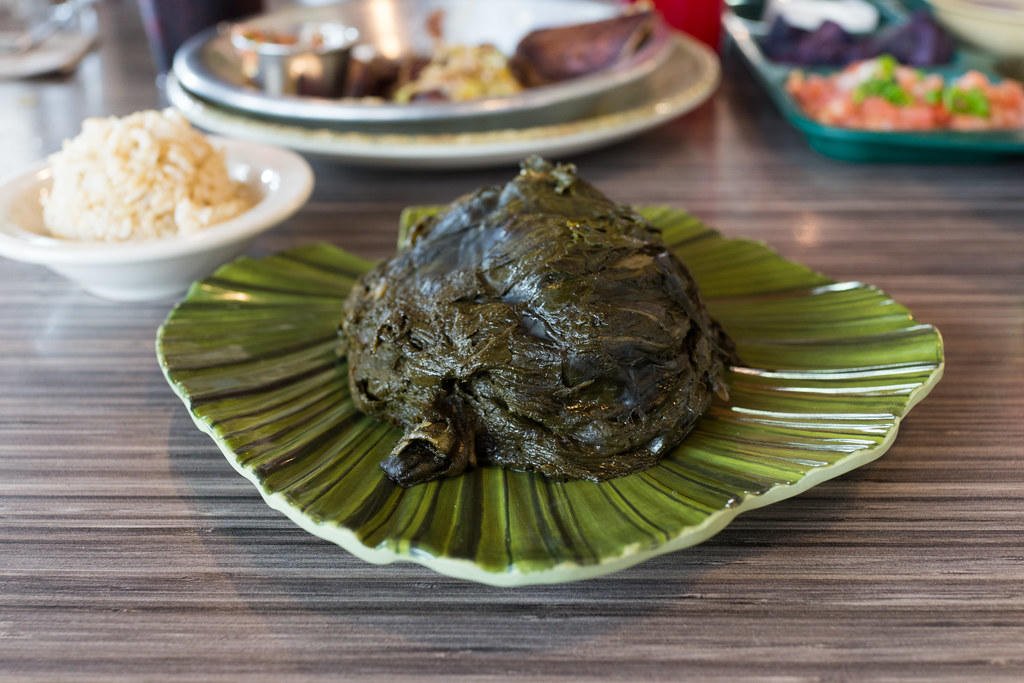
6. Lau Lau (Steamed Pork Wrapped in Taro Leaves)
Lau lau is a traditional Hawaiian dish that features pork wrapped in taro leaves and steamed until tender. Season the pork with Hawaiian sea salt before wrapping.
Secure the bundles with ti leaves and then steam them slowly. Some versions include butterfish along with the pork for added flavor and moisture.
Traditionally, cooks used underground imu ovens for lau lau. Today, you can make it in a steamer or slow cooker at home.
Serve your lau lau with rice or poi for an authentic Hawaiian meal.
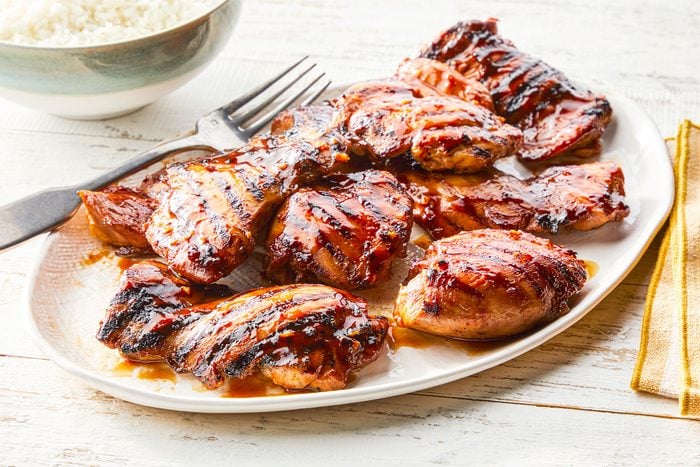
7. Huli Huli Chicken
Huli Huli Chicken is a classic Hawaiian barbecue dish that dates back to 1955. The name comes from the Hawaiian word “huli,” which means “to turn.”
You flip the chicken repeatedly while it grills to get that perfect char. The marinade combines soy sauce, brown sugar, and pineapple juice for a sweet and tangy glaze.
Grill it outdoors, bake it in your oven, or use an air fryer. The chicken stays juicy while the sauce caramelizes into a sticky coating.
Marinate it for several hours before cooking for the best flavor.
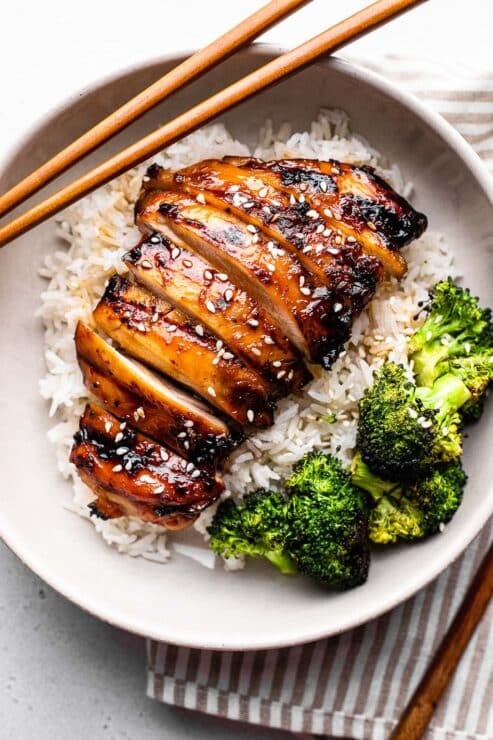
8. Grilled Teriyaki Chicken
Grilled teriyaki chicken brings authentic Hawaiian flavors to your backyard. The marinade combines soy sauce, sugar, garlic, and ginger to create a sweet and savory coating.
Use chicken thighs or breasts for this recipe. Marinate the chicken for at least two hours before grilling.
The marinade caramelizes on the grill, creating a flavorful char on the outside while keeping the meat juicy inside. Serve your grilled teriyaki chicken with rice and grilled pineapple for a complete Hawaiian meal.
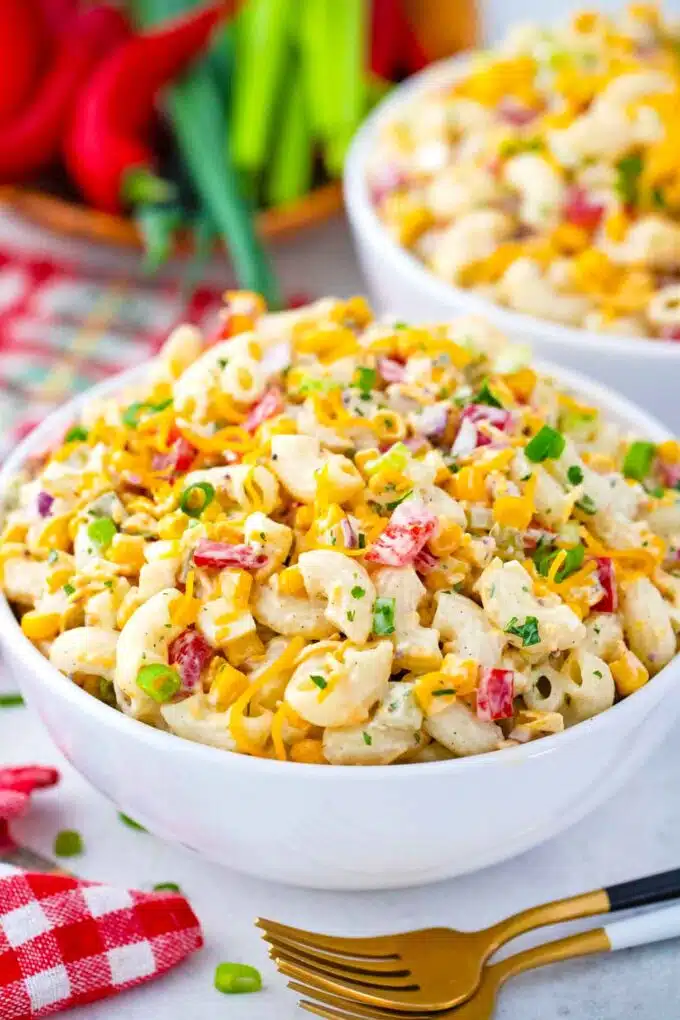
9. Macaroni Salad
Hawaiian macaroni salad stands out from other versions with its simple, creamy approach. You won’t find mustard or pickle juice here.
This island classic features overcooked pasta that soaks up a rich, tangy dressing. The mix-ins stay minimal.
Add shredded carrots, celery, and onion for crunch. This side dish pairs perfectly with barbecued meats at your next cookout.
Make it in under 30 minutes with basic pantry ingredients. The flavors improve when you chill it overnight before serving.
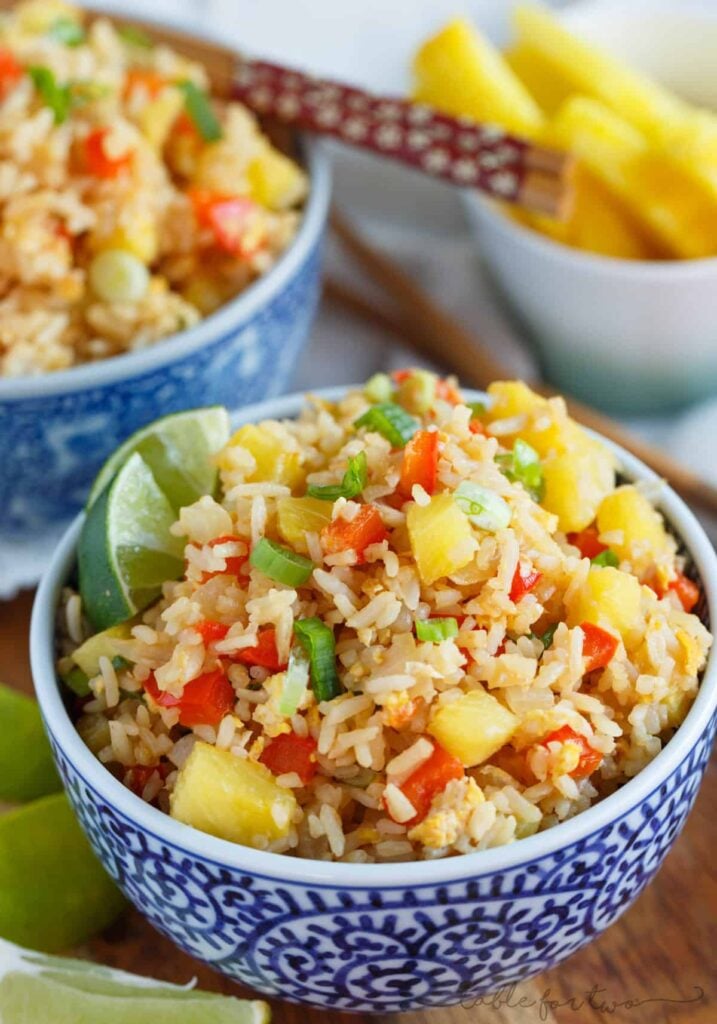
10. Pineapple Fried Rice
Pineapple fried rice brings together sweet and savory flavors in one dish. You can make this tropical meal in about 25 minutes with basic ingredients.
The recipe combines fluffy rice with chunks of pineapple and your choice of protein like ham or spam. Add vegetables, soy sauce, and sesame oil for extra flavor.
Day-old jasmine rice works best because it stays separate and doesn’t get mushy. Fresh pineapple adds natural sweetness that balances the salty ingredients perfectly.
Key Ingredients in Traditional Hawaiian Cooking
Hawaiian cooking relies on tropical produce like pineapple and taro, fresh seafood including ahi tuna, and distinctive seasonings such as sea salt and ti leaves that create the islands’ signature flavors.
Island Fruits and Vegetables
Pineapple stands as the most recognized Hawaiian fruit. Use it fresh in poke bowls, grilled alongside proteins, or as a marinade base for its natural sweetness and tenderizing enzymes.
Taro serves as a cornerstone starch in Hawaiian cuisine. Steam the root and pound it into poi, a traditional paste with a slightly sour taste.
You can also find taro in chips, bread, and even desserts. Coconut appears in multiple forms throughout island cooking.
Fresh coconut meat adds texture to desserts, while coconut milk creates rich sauces and marinades. Sweet potatoes, particularly the purple Okinawan variety, offer a vibrant color and naturally sweet flavor when roasted or mashed.
Bananas grow abundantly in Hawaii, with apple bananas being a local favorite for their small size and tangy-sweet taste. You’ll also encounter breadfruit, which you can roast, fry, or boil as a potato substitute.
Locally Sourced Proteins
Ahi tuna dominates Hawaiian seafood dishes. Use it raw in poke, seared for steaks, or grilled for a smoky flavor.
The fish must be sushi-grade fresh for raw preparations. Mahi-mahi provides a mild, flaky white fish option.
It works well grilled, baked, or pan-seared with tropical fruit salsas. Kalua pork requires pork shoulder cooked low and slow, traditionally in an underground imu oven.
The meat becomes tender and smoky, perfect for plates or as a filling. Spam holds an unexpected but important place in Hawaiian cooking.
You’ll find it in musubi, fried rice, and breakfast plates. Fresh opah, marlin, and ono offer additional fish options when available.
Chicken appears frequently in dishes like huli huli chicken and various stir-fries influenced by Asian cooking traditions.
Herbs and Seasonings Unique to Hawaii
Hawaiian sea salt brings minerals and a clean taste to dishes. Alaea salt gets its red color from volcanic clay, while black lava salt contains activated charcoal.
Limu refers to various edible seaweeds used in poke and other dishes. It adds a briny, ocean flavor and slight crunch.
Ti leaves wrap food for steaming, similar to banana leaves. They impart a subtle, earthy flavor to meats and fish during cooking.
Ginger and garlic feature heavily in marinades and sauces, reflecting Asian influences on island cuisine. Green onions appear as garnishes and in marinades.
Soy sauce serves as a base seasoning in many recipes. Sesame oil adds nutty richness.
Cooking Techniques and Methods
Hawaiian cooking relies on heat, smoke, and natural materials to transform simple ingredients into flavorful dishes. The imu remains the cornerstone of traditional preparation.
Modern kitchens have adapted these ancient methods for everyday use.
Imu and Pit Cooking
The imu is an underground oven that uses heated volcanic rocks to cook food slowly over several hours. You dig a pit, line it with rocks, and build a fire until the stones glow red-hot.
After removing the fire, place food wrapped in ti or banana leaves directly on the rocks. The wrapped food steams in its own juices as earth covers the pit, trapping heat and moisture inside.
This method works particularly well for large cuts of pork, whole fish, and root vegetables like taro and sweet potato. The rocks maintain consistent temperatures between 300-400°F for up to 8 hours.
Kalua pork gets its signature smoky flavor and tender texture from imu cooking. The pork shoulder absorbs smoke while the fat renders slowly, creating meat that pulls apart easily with minimal effort.
Steaming and Wrapping
Ti leaves and banana leaves serve as natural cooking vessels that protect food from direct heat while adding subtle flavors. Wrap fish, pork, chicken, or vegetables in these leaves before cooking to keep moisture locked inside and prevent burning.
Lau lau bundles contain salted butterfish and pork wrapped in taro leaves, then enclosed in ti leaves for steaming. The leaves break down slightly during cooking, contributing their own taste to the dish.
Steam these packages for 3-4 hours until the meat becomes tender. Modern steamers can replicate this method without an imu.
Arrange wrapped bundles in a steamer basket over boiling water to achieve similar results in your kitchen.
Modern Adaptations in Hawaiian Cuisine
Home cooks now use slow cookers and conventional ovens to recreate imu-style dishes without digging pits. Make kalua pork in a slow cooker by adding liquid smoke, sea salt, and cooking on low for 16-20 hours.
Common modern substitutions include:
- Aluminum foil instead of ti or banana leaves
- Oven roasting at 325°F for traditional pit-cooked recipes
- Stovetop smoking boxes for adding wood smoke flavor
- Rice cookers for steaming lau lau bundles
Grilling has become popular for preparing teriyaki-glazed meats and fresh fish. Marinate proteins in soy sauce, ginger, and brown sugar before cooking over direct heat.
Asian cooking techniques like stir-frying now blend seamlessly with traditional Hawaiian ingredients. Fusion dishes honor multiple cultural influences.
Frequently Asked Questions
Hawaiian cooking brings together fresh ingredients, bold flavors, and simple techniques that work for everything from casual parties to traditional gatherings.
What are some simple Hawaiian recipes suitable for a party atmosphere?
Spam Musubi works perfectly for parties because you can make it ahead and serve it at room temperature. Slice it into bite-sized pieces that guests can grab easily.
Ahi Poke Bowl is another excellent choice. Set up a poke bar where guests build their own bowls with fresh ahi tuna, rice, and various toppings.
Kalua Pork requires minimal prep work and feeds a crowd. Use a slow cooker to make it tender and flavorful without watching it constantly.
What are the top Hawaiian dinner recipes that are both delicious and easy to prepare?
Loco Moco makes a satisfying dinner with just a few components. You prepare rice, cook hamburger patties, fry eggs, and make a simple brown gravy.
Kalua Pork takes little effort despite its impressive results. You season pork with salt, wrap it in banana leaves or foil, and let your oven or slow cooker do the work.
Spam Musubi serves as a quick dinner option when you’re short on time. You need only rice, Spam, and nori seaweed sheets to create this filling meal.
How can I make a healthy Hawaiian meal that still tastes authentic?
Ahi Poke Bowl gives you lean protein from fresh tuna plus nutrients from vegetables and rice. You control the sodium by adjusting your soy sauce amount.
You can lighten traditional recipes by using less oil and choosing brown rice instead of white rice. These substitutions keep the authentic flavors intact.
Fresh ingredients form the foundation of Hawaiian cooking. When you use quality fish, local vegetables, and natural seasonings, your meals stay healthy and true to tradition.
Could you suggest some chicken recipes that capture the essence of Hawaiian cuisine?
Hawaiian chicken marinades typically combine pineapple juice, soy sauce, brown sugar, and fresh ginger. You let the chicken soak in these flavors before grilling or baking it.
Teriyaki chicken represents a popular local favorite. You marinate chicken pieces in a sweet and savory sauce, then grill them until they develop a slight char.
Huli Huli chicken gets its name from the Hawaiian word for “turn.” You baste the chicken repeatedly with a pineapple-based sauce while cooking it over medium heat.
What are the best traditional Hawaiian dishes to bring to a potluck?
Kalua Pork travels well and tastes good at any temperature. You can shred it ahead of time and warm it up when you arrive.
Haupia is a coconut pudding dessert that everyone loves at potlucks. You cut it into small squares for easy serving.
Spam Musubi holds up during transport without getting soggy. You wrap each piece individually so guests can take what they want.
Loco Moco remains a local comfort food staple. Residents eat it for breakfast, lunch, or dinner.
Spam Musubi appears in lunch boxes across the islands. Local families make it regularly because the ingredients are inexpensive and always available.
Ahi Poke Bowl reflects the island tradition of eating fresh fish. Locals buy poke from markets and fish counters as a quick meal.