
Healthy bowl recipes offer a simple way to combine proteins, grains, and vegetables into one complete meal. These versatile dishes work well for busy weeknights, meal prep, or when you want something nutritious without complicated cooking.
Bowl meals let you mix different ingredients in countless ways while keeping prep and cleanup simple. You can build these dishes around your dietary needs, whether you prefer plant-based options, lean proteins, or grain-free bases.
The recipes ahead include options with chicken, seafood, tofu, legumes, and vegetables paired with quinoa, rice, and other wholesome bases. You’ll also learn the basics of balanced bowl building and how to create your own combinations at home.
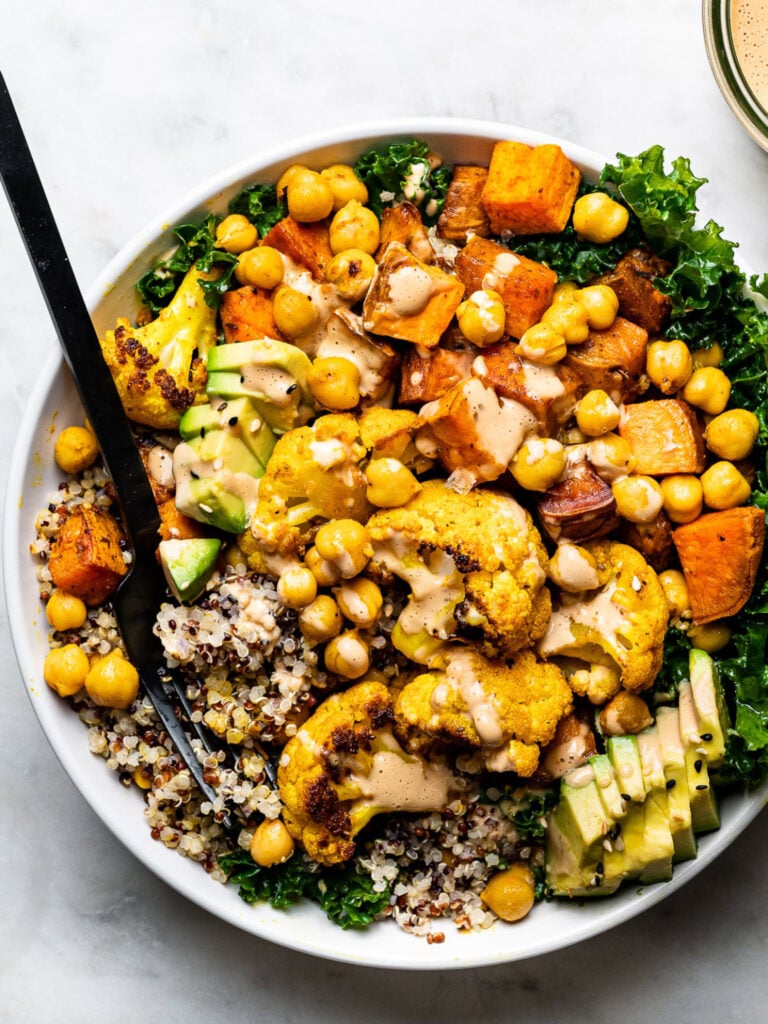
1. Quinoa and Roasted Vegetable Buddha Bowl
This Buddha bowl combines quinoa with colorful roasted vegetables for a complete meal. You can use bell peppers, sweet potatoes, carrots, or zucchini based on what you have available.
Quinoa provides protein and keeps you full for hours. Roast your vegetables until they’re tender and slightly crispy at the edges.
Top your bowl with chickpeas for extra protein. Add a tahini dressing or cashew sauce to bring all the flavors together.
This bowl works well for meal prep since the ingredients stay fresh for several days.

2. Grilled Chicken and Avocado Rice Bowl
This bowl brings together protein-rich grilled chicken with creamy avocado and fluffy rice. You get a balanced meal that’s easy to prepare on busy weeknights.
Season the chicken with simple spices like garlic and black pepper. Layer it over your choice of white or brown rice.
Add fresh vegetables like cherry tomatoes, cucumber, or corn for extra nutrients and crunch. The avocado provides healthy fats that help keep you full.
Finish with a squeeze of lime juice or a light dressing.

3. Spicy Tofu and Edamame Bowl
This protein-packed bowl brings together crispy tofu and edamame for a satisfying meal. Bake or pan-sear your tofu until it gets crispy on the outside while staying tender inside.
Edamame adds extra protein and a nice texture to your bowl. Build your bowl on a base of rice or quinoa.
Top everything with a spicy sauce made from peanut butter, soy sauce, and chili paste. Add fresh vegetables like shredded carrots and cabbage for crunch.
This bowl takes about 30 minutes to make and works great for meal prep.

4. Mediterranean Chickpea and Feta Bowl
This bowl brings together protein-rich chickpeas with fresh vegetables and crumbly feta cheese. You’ll get a balanced meal that’s ready in minutes.
The base includes chickpeas, cucumbers, tomatoes, and Kalamata olives. Add quinoa or greens for extra nutrients.
Top everything with feta cheese and a simple tahini or lemon dressing. Prep the ingredients ahead of time for quick lunches throughout the week.

5. Salmon Poke Bowl with Brown Rice
Make a healthy salmon poke bowl at home using fresh ingredients. Start with a base of brown rice, which adds fiber and nutrients to your meal.
Top it with sushi-grade salmon cut into cubes. Add vegetables like cucumber, avocado, edamame, and shredded carrots for extra vitamins and crunch.
Finish your bowl with seaweed strips, sesame seeds, and green onions. Drizzle spicy mayo or a simple soy-based sauce on top for extra flavor.
This meal takes about 20 minutes to prepare and gives you protein, healthy fats, and whole grains in one bowl.

6. Sweet Potato and Black Bean Bowl
This bowl combines roasted sweet potatoes with seasoned black beans for a filling plant-based meal. You’ll get protein and fiber from the beans, while sweet potatoes provide complex carbs and vitamins.
Roast diced sweet potatoes with olive oil until they’re tender. Warm your black beans with spices like cumin or chili powder.
Add a base of rice or greens, then top with avocado and a simple lime dressing. Make components ahead and store them separately for easy meal prep.

7. Thai Beef and Mango Salad Bowl
This Thai-inspired bowl brings together grilled beef with sweet mango and crunchy vegetables. The tangy lime dressing ties everything together.
Start with a base of mixed greens or rice noodles. Add sliced grilled steak and fresh mango chunks.
Layer in carrots, bell peppers, and snap peas for extra crunch. The dressing combines lime juice, fish sauce, and a touch of sugar.
Fresh herbs like mint and cilantro add brightness. Top with chopped peanuts for texture.

8. Vegan Lentil and Kale Grain Bowl
This bowl combines protein-rich lentils with nutrient-dense kale over your choice of grains. Use quinoa, brown rice, or farro as the base.
Cook the components ahead of time for easy meal prep. Add roasted vegetables like cauliflower, carrots, or sweet potatoes for extra flavor and nutrition.
A simple tahini or miso-based dressing brings everything together.

9. Shrimp and Mango Quinoa Bowl
This bowl combines sweet mango chunks with seasoned shrimp over fluffy quinoa. You’ll get a balanced meal with protein from the shrimp and fiber from the quinoa in about 30 minutes.
The tropical flavors work well together without being too heavy. Add avocado for healthy fats or top it with a citrus dressing for extra brightness.
This recipe typically contains around 385 calories per serving.

10. Greek Yogurt and Mixed Berry Smoothie Bowl
This smoothie bowl combines thick Greek yogurt with frozen mixed berries for a protein-rich breakfast. Use about 1½ cups of frozen berries and ½ cup of Greek yogurt to create a thick, spoonable base.
The frozen berries give you an ice-cream-like texture without adding ice. Top your bowl with fresh fruit, granola, chia seeds, or coconut flakes.
This recipe takes just five minutes to prepare and delivers 15-20 grams of protein per serving from the Greek yogurt.
Nutritional Foundations of Healthy Bowls
Bowl meals deliver complete nutrition by combining proteins, carbohydrates, and fats with essential vitamins and minerals. When you understand how these elements work together, you can create meals that satisfy hunger and support your body’s needs.
Key Macronutrients in Bowl Recipes
Protein forms the foundation of a satisfying bowl meal. You need protein to build muscle, repair tissue, and keep you full between meals.
Aim for 20-30 grams per bowl from sources like grilled chicken, tofu, beans, or fish. Carbohydrates provide energy for your daily activities.
Choose complex carbs like brown rice, quinoa, or sweet potatoes. These options contain fiber that helps with digestion and keeps blood sugar steady.
A serving of about 1 cup of cooked grains gives you enough energy without excess calories. Healthy fats help your body absorb vitamins and keep you satisfied.
Add avocado, nuts, seeds, or olive oil to your bowl. Just 1-2 tablespoons of fat is enough to get the benefits without adding too many calories.
Importance of Balanced Ingredients
Your bowl needs variety to give you all the nutrients your body requires. Include at least three different colored vegetables in each bowl.
Different colors mean different vitamins and minerals. Dark leafy greens provide iron and calcium.
Orange vegetables like carrots give you vitamin A. Red peppers offer vitamin C.
When you mix these together, you get a wider range of nutrients than eating just one type. Fill half your bowl with vegetables, one quarter with protein, and one quarter with grains.
This balance gives you nutrients without overeating. Add a small portion of healthy fat and a flavorful sauce to complete your meal.
Tips for Creating Your Own Healthy Bowls
Building your own healthy bowls gives you full control over nutrition and flavor. The key is balancing your base, adding colorful ingredients, and choosing toppings that boost both taste and health benefits.
Choosing the Right Base
Your base provides the foundation for your bowl and affects how full you’ll feel. Whole grains like brown rice, quinoa, and farro offer fiber and complex carbs that keep your energy steady.
Each grain brings different nutrients to your meal. If you prefer lower-carb options, leafy greens work well as a base.
Spinach, kale, and mixed greens add vitamins without many calories. You can also mix half greens with half grains for a lighter option.
Consider these portion sizes for your base:
- Cooked grains: 1/2 to 3/4 cup
- Leafy greens: 2 to 3 cups
- Mixed base: 1 cup greens plus 1/3 cup grains
Other good base choices include cauliflower rice, sweet potato cubes, or noodles made from zucchini. Your base should take up about one-quarter of your bowl.
Incorporating Color and Texture
A colorful bowl means you’re getting different vitamins and minerals. Aim to include at least three different colors in each bowl you make.
Red and orange vegetables like tomatoes, bell peppers, and carrots provide vitamin C and beta-carotene. Purple foods like cabbage and beets contain antioxidants.
Green vegetables add folate and iron to your meals. Texture matters just as much as color.
Combine soft ingredients with crunchy ones to make eating more interesting. Roasted vegetables give you a tender bite, while raw veggies add crispness.
Mix these textures:
- Crispy elements: raw carrots, cucumbers, radishes
- Tender options: roasted Brussels sprouts, steamed broccoli
- Creamy additions: avocado, hummus, tahini sauce
Fill half your bowl with vegetables. This ensures you get enough fiber and nutrients while keeping calories in check.
Flavorful and Healthy Toppings
Toppings transform a simple bowl into something special. Protein should take up one-quarter of your bowl space.
Choose grilled chicken, baked fish, tofu, beans, or eggs based on your diet. Healthy fats add flavor and help you absorb vitamins better.
A tablespoon of seeds, nuts, or avocado goes a long way. These toppings also make your meal more filling.
Fresh herbs like cilantro, basil, and parsley boost flavor without adding sodium. A squeeze of lemon or lime brightens all the ingredients in your bowl.
Top topping choices:
- Proteins: palm-sized portion of meat, fish, or 1 cup cooked beans
- Healthy fats: 1-2 tablespoons nuts, seeds, or 1/4 avocado
- Dressings: 1-2 tablespoons olive oil-based vinaigrette or tahini sauce
Keep pre-made dressings to two tablespoons or less. Making your own lets you control sugar and salt levels while getting better flavor.
Frequently Asked Questions
Building a nutritious bowl involves choosing the right combinations of proteins, grains, and vegetables while considering your specific goals like staying full longer or losing weight. The timing of your meals and prep strategies can make these healthy options work better for your daily routine.
How can I make a nutritious breakfast bowl that will keep me full?
Start with a base of whole grains like oatmeal or quinoa to provide lasting energy. Add protein through Greek yogurt, eggs, or nuts to slow digestion and extend fullness.
Include healthy fats from sources like avocado, chia seeds, or almond butter. These fats take longer to digest and help you feel satisfied until lunch.
Top your bowl with fresh or frozen berries for fiber and nutrients. The combination of protein, complex carbs, and healthy fats creates a balanced meal that prevents mid-morning hunger.
What are some high-protein ingredients to include in a healthy lunch bowl?
Grilled chicken breast provides lean protein with about 26 grams per 3-ounce serving. Prepare it in batches and use it throughout the week.
Tofu and edamame offer plant-based protein options that work well in Asian-inspired bowls. A half-cup of edamame contains 9 grams of protein.
Hard-boiled eggs, chickpeas, and black beans are budget-friendly choices. Chickpeas deliver 15 grams of protein per cup and add texture to Mediterranean-style bowls.
Salmon and other fatty fish provide protein along with omega-3 fatty acids. A 4-ounce portion of salmon contains roughly 25 grams of protein.
Can you suggest quick and easy bowl recipes for a healthy dinner?
The Grilled Chicken and Avocado Rice Bowl takes less than 20 minutes when you use pre-cooked brown rice. Layer the rice with sliced grilled chicken, diced avocado, cherry tomatoes, and a drizzle of lime juice.
The Spicy Tofu and Edamame Bowl comes together quickly with pan-fried tofu cubes and frozen edamame. Add steamed vegetables and a spicy peanut sauce for flavor.
A Mediterranean Chickpea and Feta Bowl requires minimal cooking. Combine canned chickpeas, cucumber, tomatoes, olives, and crumbled feta over quinoa with a lemon-herb dressing.
What are the best options for adding lean protein to my healthy bowls?
Skinless chicken breast and turkey are classic lean proteins with minimal fat content. They pair well with most flavor profiles and grain bases.
White fish like cod or tilapia provide lean protein without heavy calories. These mild-flavored options absorb marinades and seasonings easily.
Shrimp cooks in minutes and delivers protein with very little fat. Buy it pre-cooked to save even more time.
Egg whites offer pure protein without the fat from yolks. Use them scrambled or hard-boiled depending on your bowl style.
How can I create a balanced bowl meal for effective weight loss?
Fill half your bowl with non-starchy vegetables like leafy greens, broccoli, peppers, and cauliflower. These provide volume and nutrients with minimal calories.
Use a quarter of the bowl for lean protein to maintain muscle mass while losing weight. Stick to portions around 3-4 ounces of cooked protein.
Reserve the remaining quarter for whole grains or starchy vegetables. A half-cup of cooked quinoa or brown rice provides energy without excess calories.
Add a small amount of healthy fat through nuts, seeds, or avocado. Limit these to 1-2 tablespoons since fats are calorie-dense.
Skip heavy dressings and creamy sauces. Use citrus juice, vinegar-based dressings, or small amounts of olive oil instead.
Are there simple recipes for healthy bowls that are suitable for meal prep?
The Quinoa and Roasted Vegetable Buddha Bowl stores well for up to four days. Prep the quinoa and roasted vegetables on Sunday. Assemble bowls each morning.
The Salmon Poke Bowl with Brown Rice works for meal prep when you keep components separate. Store the rice, raw vegetables, and marinated salmon in different containers until ready to eat.
Roast a large batch of chickpeas and vegetables for Buddha bowls with roasted chickpeas. Mix and match them with different grains.
Keep dressings separate in small containers to prevent soggy ingredients. Add them just before eating to maintain the best texture and flavor.