
Breakfast bowls offer a simple way to combine nutritious ingredients into one satisfying meal. They let you mix grains, proteins, fruits, and vegetables to create a balanced start to your day.
You can make breakfast bowls ahead of time or put them together quickly on busy mornings. The best part is the flexibility to suit your schedule.
These healthy breakfast bowls give you the nutrients and energy you need while keeping preparation easy and flexible. You can choose from sweet options with berries and yogurt or savory combinations with eggs and vegetables.
Each bowl can be adjusted to fit your taste preferences and dietary needs. You still get the vitamins, protein, and fiber that help you stay full until lunch.
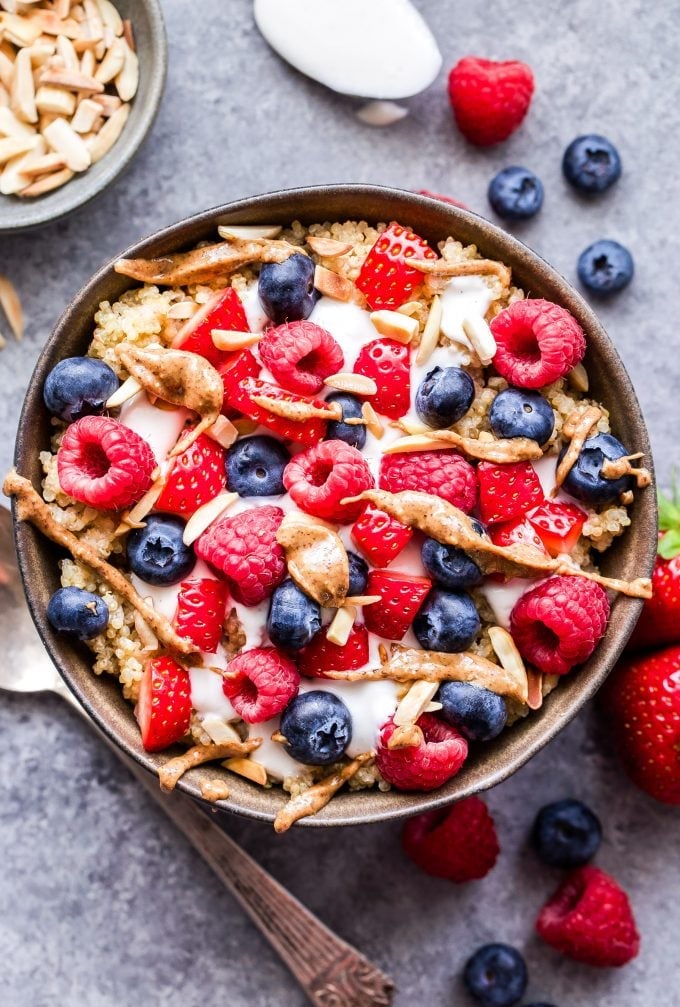
1. Berry Quinoa Breakfast Bowl with Greek Yogurt
This breakfast bowl combines cooked quinoa with fresh berries and Greek yogurt for a protein-packed start to your day. Quinoa provides complete protein and fiber, while Greek yogurt adds extra protein and calcium.
Prepare the quinoa ahead of time and store it in your fridge for quick assembly. Top your bowl with strawberries, blueberries, or raspberries based on what you have available.
Add a drizzle of maple syrup or honey if you prefer extra sweetness. Sprinkle nuts or seeds on top for healthy fats and crunch.

2. Avocado and Poached Egg Grain Bowl
This bowl pairs creamy avocado with a silky poached egg over your choice of whole grains. Use quinoa, brown rice, or farro as your base.
The combination gives you both protein and healthy fats. Add cherry tomatoes and greens like watercress for extra nutrients and color.
Make this bowl in about 15 minutes. Season with salt and pepper, then add optional toppings like feta cheese or hot sauce if you want more flavor.

3. Overnight Oats with Chia Seeds and Almond Butter
This breakfast bowl takes just minutes to prep the night before. Combine rolled oats with chia seeds, milk, and a spoonful of almond butter in a jar or container.
The chia seeds absorb liquid as they sit, creating a thick and creamy texture. Almond butter adds protein and healthy fats to keep you full throughout your morning.
Sweeten your oats with maple syrup or honey. Top with fresh fruit, nuts, or a drizzle of extra almond butter before eating.
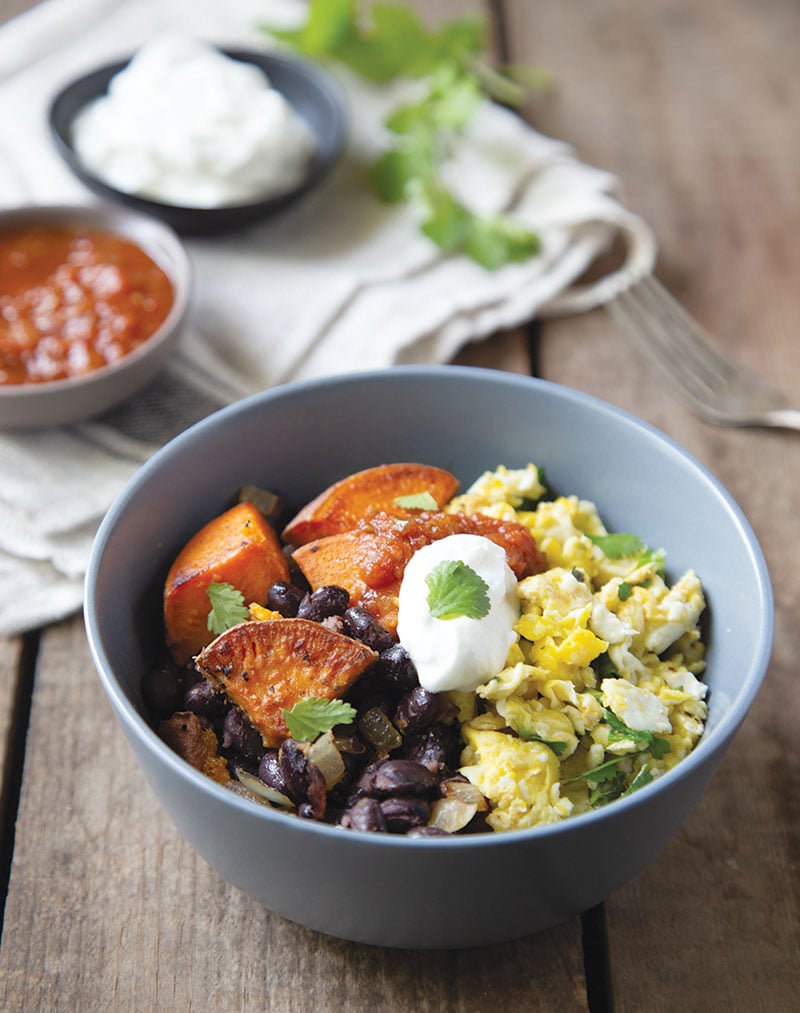
4. Sweet Potato and Black Bean Breakfast Bowl
This breakfast bowl combines roasted sweet potatoes with black beans for a filling start to your day. You get fiber and protein from the beans, while sweet potatoes provide vitamins and complex carbohydrates.
Top your bowl with scrambled or fried eggs for extra protein. Add fresh avocado, peppers, or a squeeze of lime to boost the flavor.
Meal prep this bowl on weekends and reheat portions throughout the week. Prepare it in about 30 minutes from start to finish.

5. Spinach, Feta, and Tomato Breakfast Bowl
This Mediterranean-inspired bowl brings together simple, fresh ingredients in just 20 minutes. Combine fluffy scrambled eggs with sautéed spinach, creamy feta cheese, and juicy tomatoes for a balanced meal.
The dish gives you a good mix of protein from the eggs and feta, plus vitamins from the spinach and tomatoes. Prepare everything in one pan to save time on busy mornings.
Add a drizzle of olive oil and a sprinkle of black pepper before serving for extra flavor.

6. Peanut Butter Banana Smoothie Bowl
This smoothie bowl brings together frozen bananas and creamy peanut butter for a thick, satisfying breakfast. The combination creates a protein-rich base that keeps you full.
Customize it with your favorite toppings. Add granola for crunch, fresh banana slices, or a sprinkle of dark chocolate.
Prepare this recipe in about 10 minutes. It works well as a quick breakfast or post-workout snack.

7. Savory Kale and Mushroom Breakfast Bowl
This breakfast bowl brings together nutrient-rich kale and earthy mushrooms for a satisfying morning meal. Use leftover rice or cook quinoa as your base to save time.
Sauté the mushrooms and kale in a hot skillet until tender. Top with a soft-boiled or fried egg for protein.
The combination of greens, grains, and eggs gives you balanced nutrition. Prep ingredients the night before for quick assembly on busy mornings.

8. Tropical Acai Bowl with Granola
This breakfast bowl combines frozen acai berries with your choice of almond milk or coconut water. Blend them together until smooth and thick.
Top the base with fresh tropical fruits like banana, mango, or pineapple. Add granola for crunch and texture.
Include coconut shreds and seeds if you like. Acai berries provide antioxidants while the toppings add fiber and nutrients.
You’ll find frozen acai packets in your grocery store’s freezer section. This bowl works well as a quick breakfast or afternoon snack.

9. High-Protein Cottage Cheese and Berry Bowl
Cottage cheese makes a great base for a breakfast bowl. It gives you plenty of protein to start your day.
Use fresh or frozen berries for this bowl. Add some nuts or seeds for crunch and healthy fats.
Prepare this breakfast in just a few minutes. Make it ahead and store it in the fridge for busy mornings.
Each bowl gives you around 20 grams of protein. A drizzle of honey adds natural sweetness without refined sugar.

10. Apple Cinnamon Millet Breakfast Bowl
Millet makes a great base for breakfast bowls because it cooks quickly and has a mild, slightly sweet flavor. When you pair it with fresh apples and cinnamon, you get a warm and satisfying meal.
Cook your millet in milk or water until it’s fluffy. Top it with diced apples, a sprinkle of cinnamon, and your choice of nuts or seeds.
Add a drizzle of maple syrup if you want extra sweetness. This bowl gives you fiber, protein, and steady energy to start your day.
Nutritional Benefits of Healthy Breakfast Bowls
Breakfast bowls deliver a complete nutritional package when you build them with whole foods. The right combination of protein, carbs, and fats keeps your energy steady, while vitamins and minerals support your body’s daily functions.
Key Macronutrients for Morning Energy
Your breakfast bowl needs all three macronutrients to fuel your morning properly. Protein helps you stay full and supports muscle health.
Aim for 15-20 grams from sources like Greek yogurt, eggs, or quinoa. Healthy fats slow down digestion and provide steady energy throughout your day.
Add nuts, seeds, or avocado to get these fats. They also help your body absorb certain vitamins.
Complex carbohydrates give you sustained energy without the crash. Whole grains like oats, quinoa, or brown rice break down slowly in your body.
This keeps your blood sugar stable and prevents mid-morning energy drops.
Balanced Macronutrient Ratios:
- Protein: 15-20 grams per bowl
- Healthy fats: 1-2 tablespoons of nuts, seeds, or avocado
- Complex carbs: ½ to 1 cup of whole grains
Vitamins and Minerals to Support Wellness
Fruits and vegetables in your breakfast bowl provide vitamins that support your immune system and overall health. Berries offer vitamin C and antioxidants.
Leafy greens add iron and folate. B vitamins from whole grains help convert food into energy your body can use.
Minerals like calcium from yogurt strengthen your bones. Nuts and seeds provide magnesium, which supports muscle and nerve function.
The fiber in fruits, vegetables, and whole grains promotes healthy digestion and keeps you feeling satisfied until lunch.
Tips for Customizing Your Breakfast Bowls
Breakfast bowls work for almost any eating style or time of year when you know how to adjust the ingredients. You can swap components based on what you eat and what’s available fresh right now.
Adapting for Dietary Preferences
Your breakfast bowl can fit your specific dietary needs with simple ingredient swaps. If you follow a vegan diet, replace eggs with tofu scramble or chickpeas and use plant-based yogurt instead of dairy.
For those avoiding gluten, swap regular oats for certified gluten-free oats or use quinoa and rice as your base. People eating low-carb or keto diets can skip grains entirely and build bowls around eggs, avocado, leafy greens, and nuts.
Add cauliflower rice as a filling base that keeps carbs low. If you need more protein, include Greek yogurt, cottage cheese, hemp seeds, or an extra egg.
Nut allergies require you to use seeds like sunflower or pumpkin instead of almonds or peanut butter.
Common Swaps by Diet:
- Dairy-free: Coconut yogurt, almond milk, nutritional yeast
- Paleo: Sweet potato base, no grains, grass-fed meats
- High-protein: Double the eggs, add protein powder to smoothie bowls
- Nut-free: Seed butters, tahini, coconut flakes
Incorporating Seasonal Ingredients
Using foods that are in season gives you better flavor and nutrition while keeping costs down. Spring calls for fresh berries, asparagus, peas, and strawberries in your bowls.
Summer brings peaches, tomatoes, zucchini, and blueberries that taste best during hot months. Fall is the time for pumpkin, apples, pears, and roasted root vegetables.
Winter works well with citrus fruits, pomegranate seeds, brussels sprouts, and hearty greens like kale. Buy what’s growing locally right now and your breakfast bowls will taste fresher.
Farmers markets show you exactly what’s in season in your area. Frozen fruits picked at peak ripeness work great too, especially for smoothie-style bowls when fresh options cost more.
Frequently Asked Questions
Building a nutritious breakfast bowl involves combining protein, complex carbohydrates, healthy fats, and fiber while considering dietary needs and seasonal ingredients. The right grain base and smart ingredient choices make all the difference in creating a satisfying morning meal.
What are the essential components of a balanced breakfast bowl?
A balanced breakfast bowl needs four main components. You need protein to keep you full, complex carbohydrates for energy, healthy fats for nutrient absorption, and fiber for digestion.
Protein options include Greek yogurt, eggs, beans, or nuts. Complex carbs come from grains like quinoa or oats.
Healthy fats appear in avocado, nut butters, or seeds. Fiber comes from fruits, vegetables, and whole grains.
How can I make a healthy breakfast bowl that’s also filling?
Focus on protein and fiber to stay full longer. These two nutrients slow down digestion and keep hunger away for hours.
Combine 15-20 grams of protein with at least 5 grams of fiber. For example, pair Greek yogurt with chia seeds and berries, or top a grain base with poached eggs and vegetables.
Add healthy fats like almond butter or avocado to increase satisfaction. Watch your portion sizes by using smaller bowls.
What are some quick and easy protein options to include in a breakfast bowl?
Greek yogurt is one of the fastest protein additions. It requires no cooking and pairs well with both sweet and savory bowls.
Eggs cook quickly and work in many ways. Poach them, scramble them, or cook them sunny-side up.
Black beans from a can offer plant-based protein in seconds. Nut butters like almond butter add protein and healthy fats with just a spoonful.
Tofu scrambles cook in minutes for a vegan option.
Are there breakfast bowl options that cater to specific dietary restrictions, such as gluten-free or vegan?
Many breakfast bowls naturally fit specific dietary needs. Quinoa and oats are gluten-free grains that work as bases.
Sweet potatoes also provide a gluten-free foundation. For vegan bowls, skip the eggs and dairy.
Use plant-based proteins like black beans, tofu, or nut butters. Top with fresh fruits, vegetables, and seeds.
The Sweet Potato and Black Bean Breakfast Bowl offers complete vegan nutrition. You can modify most recipes to fit your needs.
Swap Greek yogurt for coconut yogurt or replace eggs with tofu scramble.
How can I incorporate seasonal fruits and vegetables into my breakfast bowl?
Use berries in spring and summer when they’re fresh and sweet. In fall, add apples, pears, or roasted squash.
Winter calls for citrus fruits and root vegetables. Fresh produce tastes better and costs less when it’s in season.
Buy what’s available at your local market and adjust your bowl accordingly. Spinach works year-round in savory bowls.
Tomatoes shine in summer months. Sweet potatoes peak in fall and winter, making them perfect for hearty breakfast bowls.
What are the best grains to use as a base for a nutritious breakfast bowl?
Quinoa stands out as a complete protein with all nine essential amino acids. It cooks in 15 minutes and works for sweet or savory bowls.
Oats provide high fiber content and work well for overnight preparation. Steel-cut oats offer more texture, while rolled oats cook faster.
Brown rice gives you a neutral base for savory combinations. Farro and barley add chewy texture and extra fiber.