
Plantains are a versatile tropical fruit that works in both sweet and savory dishes. They look like large bananas but have a starchier texture that makes them cook more like potatoes.
You can fry them, bake them, or add them to stews and salads. This collection of plantain recipes will show you how to prepare this ingredient in different ways, from crispy snacks to complete meals.
You’ll learn how to work with both green and ripe plantains. Each type offers different flavors and textures for your cooking.
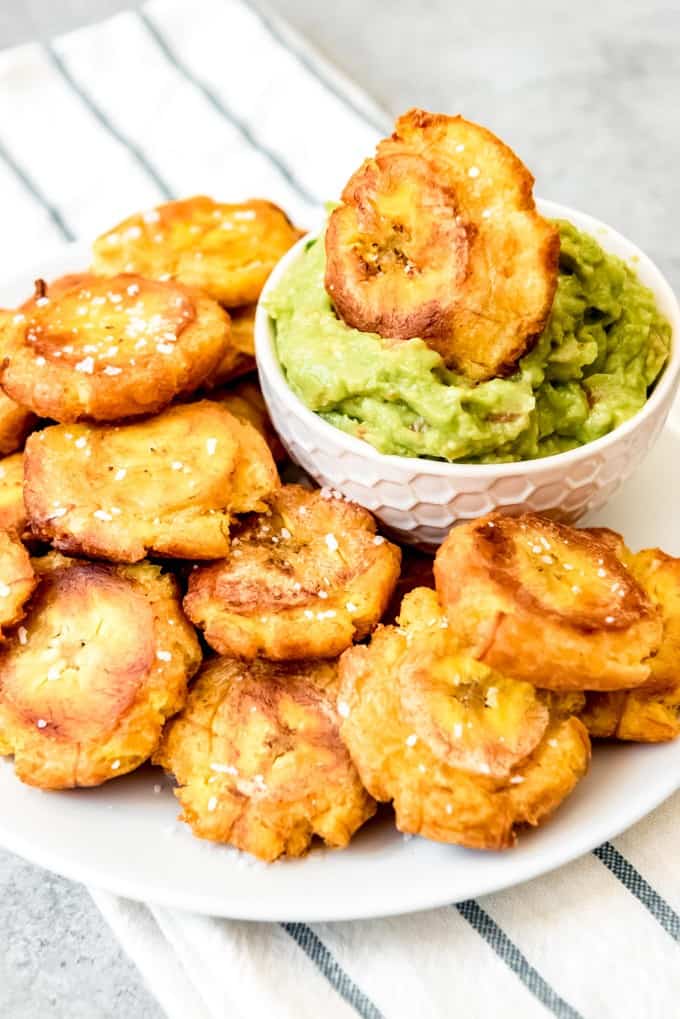
1. Crispy Fried Tostones
Tostones are twice-fried green plantain slices that deliver a satisfying crunch. You’ll need unripe green plantains and oil for frying.
First, slice the plantains and fry them once. Then flatten each piece and fry them again until golden and crispy.
Season them with salt right after the second fry. Serve tostones as a snack, side dish, or appetizer with your favorite dipping sauce.

2. Sweet Fried Maduros
Sweet fried maduros are one of the easiest plantain dishes you can make. You need very ripe plantains with black skin for the best results.
The natural sugars create a golden brown crust when you fry them. Cut your plantains into diagonal slices about half an inch thick.
Heat oil in a pan over medium heat and fry the slices for 2-3 minutes on each side. They’re ready when the edges turn crispy and the inside becomes soft and sweet.
Maduros work well as a side dish with savory meals throughout Caribbean and Latin American cooking.

3. Jamaican Plantain Tarts
These sweet tarts combine flaky pastry with a spiced plantain filling. Use very ripe plantains, which become naturally sweet when they turn black.
Make a shortcrust pastry dough, then fill it with mashed plantains mixed with spices. Cut the dough into circles, add the filling, and fold them into half-moon shapes.
Serve your tarts chilled with vanilla ice cream for a satisfying dessert.

4. Plantain and Black Bean Tacos
Plantain and black bean tacos bring together sweet and savory flavors in one simple meal. You can make them in about 20 to 30 minutes, which makes them perfect for busy weeknights.
Use ripe plantains with yellow-brown skin. Cook them until they’re crispy and golden.
Black beans add protein and pair well with the plantains’ natural sweetness. Top these tacos with fresh ingredients like cabbage, cilantro, avocado, and lime juice.
Some recipes include chimichurri sauce or garlic vinaigrette for extra flavor.

5. Plantain Chips with Guacamole
Plantain chips make a perfect vehicle for creamy guacamole. Bake your own chips by slicing green plantains thin and cooking them until crispy.
The mild sweetness of plantains balances the tangy, rich avocado dip. You’ll need about 30 minutes to prepare both components.
This snack is naturally gluten-free and vegan. Add garlic to your guacamole for extra flavor, or keep it simple with just avocado, lime, and cilantro.

6. Mofongo with Garlic and Pork
Mofongo is a classic Puerto Rican dish that combines fried green plantains with garlic and crispy pork rinds. Mash these ingredients together to create a flavorful side or main dish.
Fry green plantains until golden, then mash them with garlic, olive oil, and chicharrones (pork cracklings). The pork rinds add a crunchy texture that makes mofongo best when served fresh.
Serve mofongo alongside stews or with garlic sauce. Top it with garlic shrimp for a heartier meal.

7. Plantain Coconut Moqueca
Moqueca is a traditional Brazilian stew that brings together coconut milk, peppers, and aromatics in one flavorful dish. This vegetarian version uses plantains as the main ingredient instead of the usual fish or seafood.
Cook sliced plantains in a creamy coconut broth flavored with bell peppers, tomatoes, and cilantro. The plantains add a slightly sweet taste that balances the savory spices.
Serve it with rice to soak up the rich coconut sauce.

8. Plantain and Avocado Salad
This salad combines sweet plantains with creamy avocado for a simple tropical dish. Use ripe plantains that caramelize when cooked, adding natural sweetness to balance the rich avocado.
The salad works well with black beans, quinoa, or red beans for extra protein. Most versions include a cilantro lime dressing that ties the flavors together.
Serve this as a side dish or make it a full meal. Store leftovers in the fridge for up to two days, though the avocado tastes best when fresh.

9. Baked Plantain Fries
Baked plantain fries offer a healthier alternative to traditional deep-fried versions. Slice plantains into strips and bake them at 400°F for about 20 minutes.
Yellow plantains with some black spots work best for a balance of sweetness and texture. Season your fries with salt, garlic powder, or cayenne pepper before baking.
Brush them with a small amount of olive oil to help them crisp up in the oven. Serve them warm as a side dish or snack.

10. Plantain Curry Stew
This Caribbean-inspired dish combines ripe plantains with creamy coconut milk and warming spices. The natural sweetness of plantains balances the savory curry flavors.
You can make it in one pot for easy cleanup. Common additions include sweet potatoes, spinach, and beans for extra texture and protein.
The curry paste, garlic, and ginger create layers of flavor. Adjust the spice level to match your preferences.
The Health Benefits of Plantains
Plantains offer substantial amounts of potassium, fiber, and vitamins while providing a starchy base for many dishes. These banana-like fruits contain different nutrients depending on their ripeness and how you cook them.
Nutritional Profile
Plantains provide important nutrients your body needs daily. A medium-sized cooked plantain contains about 220 calories and serves as an excellent source of complex carbohydrates.
Key Nutrients in Plantains:
- Potassium: Supports heart health and helps regulate blood pressure
- Fiber: Aids digestive health and promotes feelings of fullness
- Vitamin C: Strengthens immune function and acts as an antioxidant
- Vitamin A: Supports eye health and immune system function
- Vitamin B6: Helps with brain development and function
- Magnesium: Contributes to bone health and energy production
The resistant starch in green plantains acts like fiber in your digestive system. This type of starch can help control blood sugar levels and support gut health.
As plantains ripen and turn yellow or black, their starch converts to natural sugars, which changes both their taste and nutritional content.
Plantains vs. Bananas: Key Differences
While plantains and bananas look similar, they have distinct differences in nutrition and use. Plantains contain more starch and less sugar than bananas, making them better suited for cooking rather than eating raw.
Plantains are typically larger and have thicker skins than bananas. You need to cook plantains before eating them, while you can eat bananas straight from the peel.
The starch content in plantains makes them firmer and less sweet, which is why they work well in both savory and sweet recipes. Plantains contain about 57 grams of carbohydrates compared to 27 grams in bananas of similar size.
They also provide roughly three times more vitamin A and vitamin C than bananas. The higher starch content means plantains have a lower glycemic index when green, which can be beneficial for blood sugar management.
Tips for Cooking with Plantains
Cooking with plantains successfully starts with understanding ripeness stages and proper handling. The color of the peel tells you which dishes will work best, and correct storage methods keep plantains fresh until you’re ready to use them.
Selecting the Right Ripeness
Green plantains have firm, starchy flesh that works best for savory dishes. Use these for tostones, plantain chips, or boiled and mashed preparations.
The starch content makes them hold their shape when fried or cooked at high heat. Yellow plantains are in the middle stage of ripening.
They’re slightly sweet and softer than green ones. These work well for frying, adding to stews, or caramelizing.
Black or nearly black plantains are fully ripe and offer the sweetest flavor. The skin may look overripe, but the fruit inside is perfect for dishes where you want natural sweetness.
Use these for sweet fried plantains, plantain pancakes, or desserts.
Ripeness Guide:
- Green: Savory dishes, chips, tostones
- Yellow: Versatile for frying or cooking
- Black: Sweet preparations, pancakes, desserts
Preparation and Storage Guidance
Peeling plantains requires a different method than bananas. Cut off both ends first, then make a shallow lengthwise slit through the peel.
Pry the peel away from the flesh with your fingers or slide a spoon underneath. Store green plantains at room temperature to let them ripen naturally.
This process takes several days to over a week depending on your room temperature. You can speed up ripening by placing them in a paper bag.
Once plantains reach your desired ripeness, refrigerate them to slow further ripening. The peel will turn black in the fridge, but the fruit inside stays good.
Use peeled plantains immediately or store them in an airtight container in the refrigerator for up to two days.
Frequently Asked Questions
Plantains work in everything from crispy tostones to sweet tarts and protein-packed tacos. The right cooking method and seasonings can transform them into breakfast staples, healthy meals, or rich desserts.
What are some popular savory plantain recipes?
Tostones are one of the most popular savory options. Press green plantains flat and fry them twice until they become crispy.
They work well as a side dish or appetizer with dipping sauces. Plantain and black bean tacos combine starchy plantains with protein-rich beans for a filling meal.
The plantains add a mild sweetness that balances the earthiness of the beans. Ethiopian plantain curry uses green plantains in spicy berbere sauce, where they absorb the flavors while staying firm.
How can I prepare a healthy plantain meal?
Bake or air fry plantains to reduce the oil content compared to traditional frying methods. Slice them thin for chips or cut them into rounds for a side dish.
Pair plantains with black beans for a nutritious combination with fiber and protein. Green plantains have more resistant starch and less sugar than ripe ones, making them a better choice if you’re watching your sugar intake.
What are traditional ways to cook plantains for breakfast?
Fried sweet plantains, called maduros, are a common breakfast side dish in many Caribbean and Latin American countries. Slice ripe yellow or black plantains and fry them until caramelized.
They pair well with eggs, beans, and rice. Some cultures serve mashed plantains similar to how you might eat oatmeal or grits.
Add plantains to breakfast scrambles or use them as a base for breakfast bowls.
Can you suggest some dessert recipes that use plantains?
Jamaican plantain tarts feature a flaky pastry filled with spiced plantain mixture. Mix the plantains with cinnamon, nutmeg, and vanilla for a sweet filling.
Serve these tarts warm or at room temperature. Fried sweet plantains with ice cream make a simple dessert.
The hot, caramelized plantains contrast with cold ice cream. Bake ripe plantains with brown sugar and butter until they become soft and sweet.
What are the most common seasonings used for plantain dishes?
Salt is the primary seasoning for savory plantain dishes like tostones and chips. Garlic powder and onion powder add depth to fried plantains without overpowering their natural flavor.
For sweet preparations, cinnamon and nutmeg are traditional choices. Some recipes use cumin and paprika for a savory-spicy profile.
Black pepper and cayenne add heat when you want a kick.
How do I make Jamaican style plantains?
Jamaican plantain tarts use ripe plantains mixed with warm spices like cinnamon, nutmeg, and vanilla. Mash the cooked plantains and fold them into pastry dough.
Bake the tarts until golden brown.
For simple Jamaican fried plantains, slice ripe plantains at an angle and fry them in oil until golden. Some cooks add a pinch of salt or brush them with butter after frying.
Use plantains that are yellow with black spots for the right sweetness.