
Romanian cuisine brings together hearty comfort foods with bold flavors from Eastern Europe. The cooking style features fresh vegetables, tender meats, and warming spices that create satisfying meals perfect for family gatherings.
These dishes reflect a long tradition of home cooking passed down through generations. You can make authentic Romanian recipes in your own kitchen using simple ingredients and traditional cooking methods.
From savory stews and grilled meats to sweet pastries and vegetable spreads, Romanian food offers something for every taste. The recipes combine practical cooking techniques with rich flavors that turn everyday ingredients into memorable dishes.
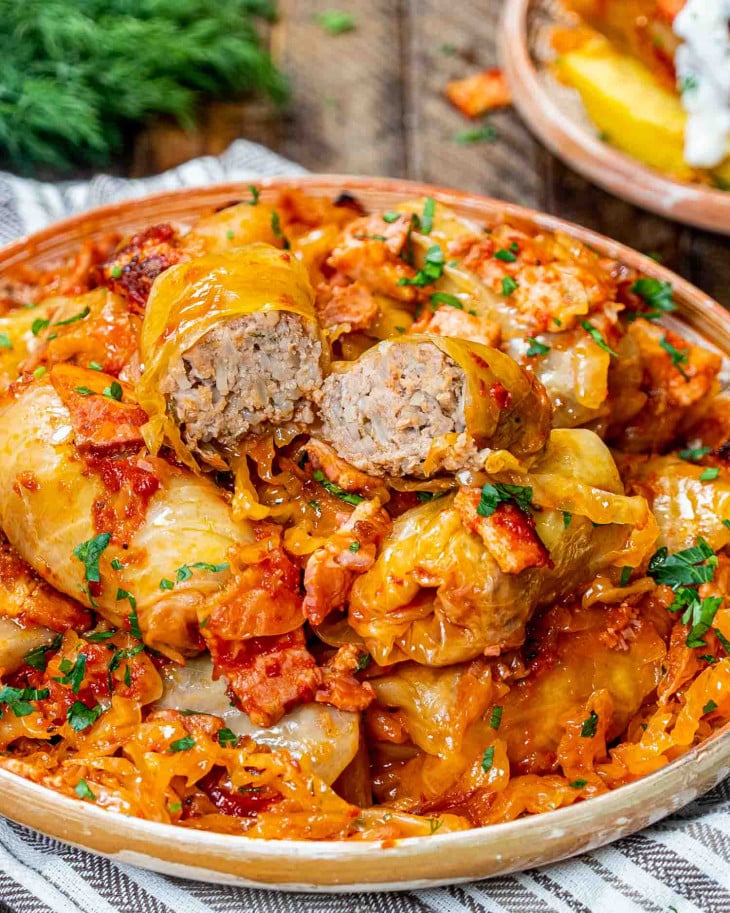
1. Sarmale (Cabbage Rolls)
Sarmale are Romania’s most beloved traditional dish. You’ll find these stuffed cabbage rolls at every major celebration and family gathering throughout the year.
The filling combines ground pork, rice, herbs, and sautéed onions wrapped in sour cabbage leaves. You slow-cook the rolls in tomato sauce until they become tender and flavorful.
Many recipes include smoked pork or bacon layered between the rolls for extra depth. You can make the filling up to three days ahead.

2. Mici (Grilled Skinless Sausages)
Mici are Romania’s beloved grilled sausages made without casings. You shape ground beef and pork into small cylinders and season them with garlic, black pepper, and herbs.
These sausages get their name from the Romanian word for “small.” You’ll find them at cookouts and street food stands across the country.
The meat mixture stays juicy on the grill while developing a caramelized crust. You serve mici hot with mustard and fresh bread.
They’re simple to make at home for your next barbecue.

3. Ciorbă de burtă (Tripe Soup)
Ciorbă de burtă is one of Romania’s most beloved traditional soups. You’ll find this creamy, tangy dish served at family celebrations and restaurants throughout the country.
The soup features beef tripe as its main ingredient, slowly cooked with vegetables like carrots, onions, and celery. The rich, sour cream-based broth is flavored with garlic and vinegar.
Soak the tripe in water with baking soda for 2-3 hours before cooking. This step ensures the best texture and taste.

4. Mămăligă (Polenta)
Mămăligă is a traditional Romanian cornmeal porridge that serves as a staple in Romanian cooking. You need just three ingredients to make it: cornmeal, water, and salt.
This simple dish takes about 10 to 25 minutes to prepare. You can serve it as a side dish with meat, cheese, or sour cream.
The texture can vary based on how you prepare it. You can make it spoonable and creamy or firm enough to slice.
It’s similar to Italian polenta but holds an important place in Romanian cuisine as an affordable and filling meal.

5. Papanași (Fried Cheese Doughnuts)
Papanași are Romania’s most popular dessert. You’ll find them in nearly every traditional Romanian restaurant across the country.
These fried doughnuts are made with cottage cheese or ricotta mixed into the dough. The cheese creates a soft, fluffy texture inside while the outside turns golden and crispy when fried.
Serve papanași warm, topped with sour cream and fruit jam. Cherry or sour cherry jam is the most common choice.

6. Salată de vinete (Eggplant Salad)
This traditional Romanian spread brings together roasted eggplant with simple ingredients for a smoky, creamy result. You’ll find it served at gatherings throughout Romania and across Eastern Europe.
Start by grilling or roasting eggplants, then mash and mix them with onion and mayonnaise or oil. Spread it on crusty bread or serve as a side dish.
The roasting process gives the eggplant its signature smoky flavor. You’ll need just a handful of ingredients to make this beloved appetizer.

7. Cozonac (Sweet Bread)
Cozonac is Romania’s most beloved sweet bread, served at Christmas, Easter, and special celebrations. It features a soft, rich yeast dough that’s rolled with a filling of walnuts, cocoa, or both.
The bread has a pillowy texture similar to brioche. When you slice it, you’ll see a beautiful dark swirl running through the golden dough.
Making cozonac takes time and patience, but the result is worth the effort. Your kitchen will fill with warm aromas as it bakes, creating a festive atmosphere.

8. Tochitură (Pork Stew)
Tochitură is a hearty Romanian pork stew that originated in the Moldavia region. You’ll find it made with various cuts of pork, smoked sausages, and sometimes liver or other organ meats.
The meat simmers slowly with garlic, creating rich and deep flavors. Traditional recipes often include a splash of wine to enhance the taste.
Serve this stew with warm polenta, which is the classic pairing. Many recipes top it with a fried egg and serve pickles on the side.
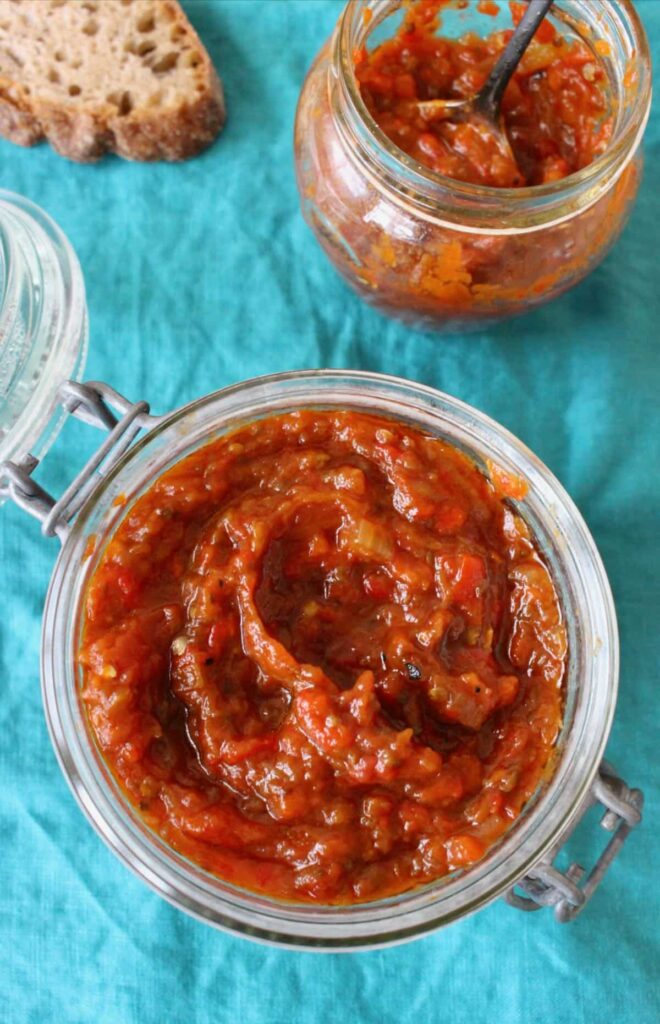
9. Zacuscă (Vegetable Spread)
Zacuscă is a traditional Romanian vegetable spread that families make in large batches and preserve for winter. Roasted eggplants and red bell peppers are the main ingredients, combined with onions and tomatoes.
Roast the vegetables to bring out their natural sweetness, then slowly cook them together into a rich paste. The result is a smoky, flavorful spread with a thick texture.
Enjoy zacuscă on crusty bread, crackers, or as a side dish with grilled meats.

10. Drob de miel (Lamb Haggis)
Drob de miel is a traditional Romanian dish served at Easter celebrations. It features lamb offal, including the heart, liver, lungs, and kidneys, combined with fresh herbs like dill, parsley, and green onions.
Many families add boiled eggs and bread soaked in milk to the recipe. Season the ingredients and bake them in a loaf shape.
Each Romanian family has their own variation of this Easter specialty, making it a deeply personal tradition.
Core Ingredients Used in Authentic Romanian Cooking
Romanian cooking builds its foundation on simple, natural ingredients that create rich flavors through careful preparation. These core components include aromatic herbs, fresh seasonal vegetables, and quality proteins.
Traditional Spices and Herbs
Romanian cuisine relies on a focused selection of herbs and spices rather than complex spice blends. Dill stands as the most essential herb in Romanian cooking, appearing in soups, stews, and sour cream-based dishes.
You’ll find dill fresh in summer recipes and dried during winter months. Paprika adds color and mild warmth to many dishes, particularly meat preparations.
Romanian cooks prefer sweet paprika over hot varieties. Bay leaves flavor slow-cooked stews and bean dishes, while thyme enhances roasted meats and vegetables.
Parsley serves as both a cooking ingredient and garnish. Garlic appears in nearly every savory dish, used generously but never overwhelming the other flavors.
Black pepper, lovage, and tarragon round out the herb cabinet, each contributing to specific traditional recipes.
Locally Sourced Produce
Cabbage dominates Romanian vegetable cooking, appearing in rolls, soups, and pickled preparations. You’ll need both fresh green cabbage and sauerkraut for authentic recipes.
Beans form a staple ingredient, especially during winter months. Tomatoes, bell peppers, and onions create the base for many sauces and stews.
Root vegetables like carrots, parsnips, and celery root add depth to soups and roasts. Potatoes appear as side dishes or stew components.
Fresh seasonal produce shapes the Romanian cooking calendar. Summer brings cucumbers, eggplants, and zucchini.
Fall harvests include pumpkins and squash.
Staple Meats and Dairy
Pork ranks as the primary meat in Romanian cooking, used in everything from sausages to roasts. You’ll find it in traditional dishes like sarmale and mici.
Chicken provides a lighter option for soups and grilled preparations. Sour cream appears in numerous Romanian recipes, stirring into soups or topping main dishes.
Sheep’s cheese, particularly brânză, fills pastries and accompanies polenta. Fresh cow’s milk cheese adds protein to breakfast and snack plates.
Eggs bind ingredients together and create simple meals. Butter and lard provide cooking fats that deliver authentic flavor to traditional preparations.
Techniques and Tips for Perfecting Romanian Dishes
Romanian cooking relies on patience and precise techniques passed down through generations. The right methods for slow-cooking, dough preparation, and preserving ingredients will help you create authentic flavors at home.
Mastering Slow-Cooking Methods
Romanian stews and soups need time to develop their deep, rich flavors. Cook dishes like ciorbă and sarmale over low heat for several hours to allow the meat to become tender and the flavors to blend.
Avoid rushing the process by using high heat. This toughens the meat and prevents the ingredients from releasing their full flavor.
When making sarmale (cabbage rolls), simmer them for at least 2-3 hours on the stovetop or bake them slowly in the oven at 325°F. Bors adds the signature sour taste to many Romanian soups.
Add bors near the end of cooking to preserve its tangy flavor. Let your soup simmer for an additional 10-15 minutes after adding bors.
Stir your dishes occasionally but not constantly. Too much stirring can break apart delicate ingredients like stuffed peppers or cabbage rolls.
Achieving the Ideal Dough Texture
Romanian dough-based dishes require specific textures for the best results. Mămăligă (polenta) needs constant stirring while you pour cornmeal slowly into boiling salted water.
The mixture should be thick enough to hold its shape when you turn it out onto a plate. For plăcintă and other pastries, work the dough until it becomes smooth and elastic but not overworked.
Let it rest for 30 minutes at room temperature before rolling. This makes the dough easier to stretch and prevents it from shrinking during baking.
Use cold butter when making pastry dough for flaky layers. Cut it into small pieces and work quickly to keep the butter from melting.
The dough should feel slightly tacky but not stick to your hands.
Preservation and Pickling Practices
Pickled vegetables appear in almost every Romanian meal as side dishes or garnishes. Use a salt brine with the right concentration (about 2 tablespoons of salt per quart of water) to preserve vegetables properly.
Murături (pickled vegetables) taste best after sitting for at least 2-3 weeks. Store them in a cool, dark place during the fermentation process.
Add bay leaves, dill, and garlic to your brine for traditional flavor. Pickled cabbage is essential for making authentic sarmale.
Buy it pre-made or ferment whole cabbage heads in brine for 3-4 weeks. The leaves should be sour but still firm enough to roll without tearing.
Always sterilize your jars before pickling. This prevents unwanted bacteria from spoiling your preserved foods.
Use glass jars with tight-fitting lids to keep your pickles fresh for months.
Frequently Asked Questions
Romanian cooking includes hearty meat dishes like sarmale and mici, creamy soups, polenta-based sides, and fried desserts. These questions cover dinner options, beginner recipes, vegetarian choices, essential dishes to try, chicken preparations, and traditional sweets.
What are some traditional Romanian recipes for dinner?
Sarmale makes an excellent dinner choice. These cabbage rolls contain ground meat mixed with rice and herbs, wrapped in cabbage leaves and slow-cooked in tomato sauce.
They’re often served with mămăligă and sour cream. Mici are another popular dinner option.
These grilled skinless sausages feature ground meat seasoned with garlic, paprika, and other spices. You grill them until they’re browned and crispy on the outside.
Ciorbă de burtă offers a warming soup dinner. This tripe soup includes beef stomach, vegetables, and a sour cream base flavored with garlic and vinegar.
Can you recommend some easy Romanian dishes for beginners to cook?
Mămăligă is the easiest Romanian dish to start with. Simply boil cornmeal in salted water while stirring constantly until it thickens.
The whole process takes about 30 minutes.
Mici are straightforward for beginners who can access a grill. Mix ground meat with garlic, baking soda, and spices, then shape the mixture into sausages.
Grill them for only 10-15 minutes.
Scrambled eggs with tomatoes and peppers make a simple breakfast or light dinner. This dish requires basic cooking skills and common ingredients you likely have at home.
What vegetarian Romanian recipes are both delicious and authentic?
Mămăligă serves as a filling vegetarian main or side dish. Top it with cheese, sour cream, or sautéed mushrooms.
It pairs well with fresh vegetables or salads.
Romanian bean soup is a traditional vegetarian option. Combine white beans with vegetables, tomato paste, and herbs.
Cook the soup slowly until the beans become tender.
Zacuscă is a vegetable spread made from roasted eggplant, peppers, and tomatoes. Eat it on bread or use it as a side dish with mămăligă.
Which dishes are considered the top 10 must-try Romanian foods?
Sarmale ranks as the most important Romanian dish to try. These cabbage rolls appear at every major celebration and family gathering.
Mici are essential street food that you’ll find at markets and festivals. Many people call them the national dish of Romania.
Other must-try foods include ciorbă de burtă, mămăligă, and papanași. You should also taste tocană (stew), cozonac (sweet bread), salată de boeuf (beef salad), and plăcintă (filled pastries).
Bean soup rounds out the traditional favorites.
How do you make a classic Romanian chicken dish?
Romanian chicken stew (tocană de pui) is a classic preparation. Brown chicken pieces in oil, then add onions, peppers, and tomatoes.
Simmer everything together with paprika, garlic, and bay leaves until the chicken becomes tender.
Chicken soup with dumplings (supă de găluști) is another traditional dish. Boil chicken with vegetables to make a clear broth.
Add small dumplings made from flour, eggs, and butter.
You typically serve these dishes with mămăligă or fresh bread.
What is considered the national dessert of Romania?
Papanași hold the title of Romania’s national dessert. These fried doughnuts use cottage cheese or ricotta mixed with flour, eggs, and sugar.
You shape the dough into large rounds with smaller rounds on top. After frying until golden brown, you top them with sour cream and jam.
Sour cherry or blueberry jam are the traditional choices. The warm, fluffy doughnuts contrast with the cool sour cream and sweet jam.