
Romanian cuisine brings together simple ingredients, bold flavors, and time-honored cooking methods handed down through generations. These dishes focus on comfort and heartiness, featuring fresh vegetables, tender meats, and aromatic spices.
This collection of Romanian recipes will guide you through classic dishes from savory stews and grilled meats to vegetable spreads and sweet pastries. You’ll learn traditional cooking techniques that highlight the best flavors in each dish.
You’ll also discover how to pair these foods together for authentic Romanian meals that work for everyday dinners or special gatherings.
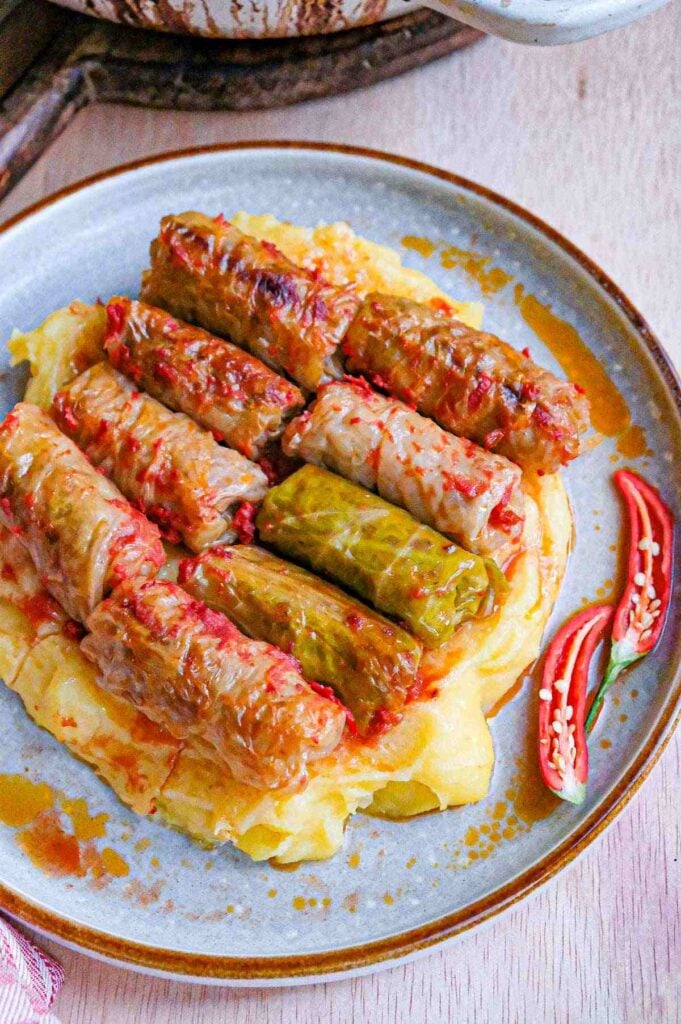
1. Sarmale (Romanian Cabbage Rolls)
Sarmale stands as Romania’s beloved national dish. You’ll find these cabbage rolls at every major celebration and holiday gathering.
The dish features pickled cabbage leaves wrapped around a filling of ground pork, rice, and herbs. You slow-cook them in tomato sauce with bacon and fresh thyme for several hours.
The sour cabbage gives these rolls their distinctive flavor. Some recipes add red pepper and turmeric to enhance the taste.
You can make them in your oven or slow cooker for equally delicious results.

2. Mămăligă (Cornmeal Polenta)
Mămăligă is a staple Romanian dish you can make with just three ingredients: cornmeal, water, and salt. This simple porridge is similar to Italian polenta but holds its own place in Romanian cuisine.
You can prepare it in about 10 to 15 minutes. The dish works as a versatile side that pairs well with stews, sarmale, or topped with sour cream and cheese.
The texture can range from soft and spoonable to firm enough to slice, depending on how you cook it.

3. Ciorbă de burtă (Tripe Soup)
This creamy soup is one of Romania’s most loved comfort foods. You’ll find it made with beef tripe that’s slowly cooked with vegetables like carrots, onions, and celery.
The soup gets its signature tangy flavor from sour cream and vinegar. Garlic adds depth to the rich broth.
Before cooking, soak the tripe in water with baking soda for 2-3 hours. This step helps prepare the main ingredient properly.
Romanians often serve this hearty dish at family celebrations and gatherings.

4. Tocăniță de vită (Beef Stew)
Tocăniță de vită is a traditional Romanian beef stew that brings warmth to cold winter days. This dish comes from rural Romania and uses simple ingredients like beef, onions, garlic, and tomato paste.
The beef cooks slowly until it becomes tender and easy to eat. The sauce thickens and deepens in color as it simmers.
You can serve this stew over polenta or with fresh bread. Many Romanians add pickled vegetables on the side and sprinkle fresh parsley on top before eating.

5. Mici (Grilled Ground Meat Rolls)
Mici are skinless grilled sausages found at nearly every Romanian cookout. You make them with ground beef, pork, or lamb mixed with garlic and spices.
Shape the meat mixture into small rolls and grill until the outside is nicely browned. Serve them hot with mustard and fresh bread.
Baking soda and beef broth help keep the meat juicy while grilling. These small sausages pack bold garlic flavor and work well for backyard parties.

6. Salată de vinete (Eggplant Salad)
This traditional Romanian spread combines roasted eggplant with simple ingredients to create a smoky, creamy dish. You’ll find it served as an appetizer throughout Romania and other Eastern European countries.
Roast the eggplants until the skin chars and the flesh becomes soft. After cooling, remove the skin and mash the eggplant, then mix it with finely chopped onion and either mayonnaise or oil.
Serve this salad on fresh bread, crackers, or as a side dish. It works well for summer gatherings or as part of a larger meal.

7. Zacuscă (Vegetable Spread)
Zacuscă is a traditional Romanian vegetable spread that belongs in your kitchen. You make it by roasting eggplants and red peppers, then cooking them with onions and tomatoes until everything blends into a rich paste.
This spread works well on crusty bread or as a side dish with meats. Romanian families often prepare it in large batches during late summer to preserve the harvest for winter months.
The roasting process brings out natural sweetness in the vegetables and adds a smoky depth to the flavor. You can store homemade zacuscă in jars for several months.

8. Cozonac (Sweet Bread with Nuts and Cocoa)
Cozonac is a Romanian sweet bread that you’ll find at Christmas, Easter, and special celebrations like weddings. The dough is soft and rich, similar to brioche or challah.
Make it with a yeast-based dough that includes citrus peel for flavor. Roll it out and spread a filling of walnuts and cocoa before shaping it into a loaf.
The bread takes time to prepare, but the result is worth your effort. You can also add other fillings like poppy seeds or dried fruit based on your preference.

9. Papanasi (Cheese Doughnuts)
Papanasi are Romanian fried doughnuts made with cottage cheese or ricotta. The dough combines fresh cheese, flour, eggs, and a touch of lemon for flavor.
Shape the dough into rings with small round “caps” on top before frying them until golden. Serve papanasi with sour cream and jam on top.
Most recipes use cherry or blueberry jam. You can make them at home since the recipe is straightforward and uses basic ingredients.

10. Ciorbă de fasole cu afumătură (Smoked Bean Soup)
This traditional Romanian bean soup combines white beans with smoked pork or bacon to create a hearty, warming dish. You’ll find it served in homes across Romania, especially during cold weather.
The soup gets its distinct flavor from smoked meat, which can be bacon, ham, or smoked pork ribs. Cook the beans with onions, carrots, and tomatoes until everything becomes tender and flavorful.
Many families add tarragon for extra aroma. Some versions include sour cream for richness.
Traditional Techniques for Romanian Cooking
Romanian cooking relies on simple ingredients and time-tested methods that build deep flavors through patience and proper preparation.
Essential Ingredients
Romanian recipes use a core set of ingredients that appear across many dishes. Pork is the most common meat, often smoked or cured before cooking.
You’ll also work with sauerkraut (pickled cabbage), which adds tangy flavor to stews and rolls. Bors is a fermented wheat bran liquid that gives Romanian soups their distinctive sour taste.
You can make it at home or buy it ready-made. Maize (cornmeal) forms the base of mămăligă, a polenta-like side dish served with most meals.
Fresh vegetables like bell peppers, tomatoes, onions, and eggplant appear in summer dishes. For herbs, you’ll use dill, parsley, and lovage most often.
Smoked meats bring depth to soups and stews, while lard serves as the traditional cooking fat.
Time-Honored Preparation Methods
Romanian cooking takes time. Many dishes simmer for hours to develop their full flavor.
Slow braising works best for tougher cuts of meat, breaking down fibers until they become tender. You’ll need to master pickling for authentic Romanian food.
Cabbage, peppers, and cucumbers spend weeks in brine to create the sour vegetables that balance rich meat dishes. Smoking preserves meat and adds flavor.
Traditional recipes call for smoking pork bellies, sausages, and bacon over hardwood. For sarmale, wrap filling tightly in cabbage or grape leaves, then layer them in a pot for even cooking.
Many recipes require making bors from scratch through fermentation. This process takes 3-5 days but creates the authentic sour base for ciorba soups.
Pairing Romanian Dishes
Romanian meals taste best when you match them with the right drinks and sides. The key is balancing rich, hearty main dishes with beverages and accompaniments that complement their bold flavors.
Recommended Beverages
Romanian wines work perfectly with traditional dishes. Try a dry white wine like Fetească Albă with lighter meals such as fish or chicken.
For heavier meat dishes and stews, opt for red wines like Fetească Neagră or Cadarcă. Țuică, a strong plum brandy, is the traditional choice for starting a Romanian meal.
Serve it as an aperitif before dinner. Palincă, another fruit brandy, pairs well with rich, fatty meats.
For non-alcoholic options, serve compot, a traditional fruit drink made from boiled fruits. Sour cherry juice complements pork dishes nicely.
Simple mineral water or sparkling water helps cleanse your palate between bites of heavy foods. Beer is another good match for Romanian cuisine.
Light lagers work well with grilled meats and sausages. Darker beers complement mushroom-based dishes and stews.
Ideal Side Dishes
Mămăligă (polenta) is the most common side dish in Romanian cooking. It soaks up sauces from stews and pairs especially well with sarmale and tocană.
Fresh vegetables provide balance to meat-heavy meals. Serve sliced tomatoes, cucumbers, and peppers alongside grilled meats.
A simple cabbage salad with vinegar cuts through rich flavors. Pickled vegetables are essential on Romanian tables.
Murături includes pickled cucumbers, bell peppers, cauliflower, and green tomatoes. These tangy sides add brightness to heavy dishes.
Bread appears at every Romanian meal. Fresh white bread or cornbread helps you enjoy every last bit of sauce.
Sour cream is another staple that goes with nearly everything from soups to main courses.
Frequently Asked Questions
Romanian cooking features dishes like sarmale and mici that use simple ingredients and traditional methods. These questions cover common concerns about making Romanian food at home, from traditional preparations to quick weeknight options.
What are some traditional Romanian dishes that I can prepare at home?
You can start with sarmale, which are cabbage rolls filled with seasoned meat and rice. Mămăligă is a cornmeal polenta that serves as a side dish for many meals.
Mici are grilled ground meat rolls flavored with garlic and spices. Ciorbă de burtă is a tripe soup with a sour cream base.
Tocăniță de vită is a beef stew that cooks slowly with vegetables and spices. These dishes use basic ingredients you can find at most grocery stores.
How can I make authentic Romanian sarmale?
You need ground pork, rice, onions, and sauerkraut or cabbage leaves for traditional sarmale. Mix the meat with partially cooked rice and sautéed onions, then season with salt, pepper, and dill.
Some recipes add a small amount of tomato paste to the filling. Blanch fresh cabbage leaves in boiling water to make them flexible for rolling.
Place a spoonful of filling on each leaf and roll tightly, tucking in the sides. Layer the rolls in a pot with extra sauerkraut between layers.
Add water or broth to cover the rolls halfway and simmer on low heat for 2-3 hours. Serve with sour cream and fresh bread.
What are popular vegetarian options in Romanian cuisine?
Mămăligă works well as a vegetarian main dish when served with cheese and sour cream. You can make bean stews using white beans, which are common in Romanian cooking during winter months.
These stews include onions, tomatoes, and paprika. Eggplant dishes like vegetarian mousaka layer sliced eggplant with tomatoes and cheese.
Romanian salads often feature fresh tomatoes, cucumbers, and peppers. You can also prepare sarmale with a rice and vegetable filling instead of meat.
Can you recommend easy and quick Romanian recipes for weeknight dinners?
Mici take about 30 minutes to prepare and grill. Mix ground meat with garlic, spices, and a small amount of broth, then shape into short sausages.
Grill them for 10-15 minutes until cooked through. Mămăligă cooks in 20-25 minutes on the stovetop.
Stir cornmeal into boiling salted water and cook until thick. Simple bean soups can be ready in under an hour if you use canned beans instead of dried ones.
Which Romanian chicken recipes are considered classic and must-try?
Supa de galusti is a chicken soup with small dumplings that provides comfort on cold days. The broth cooks with chicken, vegetables, and herbs.
You drop small spoonfuls of dumpling batter into the simmering soup.
Chicken stews similar to tocăniță use chicken instead of beef. The meat cooks with onions, peppers, and tomatoes until tender.
These stews pair well with mămăligă or fresh bread.
What are the top 10 dishes that are quintessentially Romanian?
Sarmale ranks as the most iconic Romanian dish.
Mămăligă appears on tables throughout the country as a versatile side dish.
Mici are popular at outdoor gatherings and restaurants.
Ciorbă de burtă represents traditional Romanian soups.
Tocăniță de vită showcases the country’s approach to hearty stews.
Other essential dishes include cozonac (sweet bread) and plăcintă (pastries).
Drob (meat pâté), salată de boeuf (beef salad), and papanași (fried doughnuts with cream and jam) also hold a special place in Romanian cuisine.