
Vegetarian cooking offers a world of flavors that can satisfy anyone at your table, whether they eat meat or not. You don’t need to sacrifice taste or variety when you skip the meat.
These vegetarian recipes prove that plant-based meals can be just as hearty, filling, and delicious as any traditional dish.
From stuffed peppers and curry dishes to pasta and stir-fries, you have countless options for creating satisfying meals. The recipes ahead use simple ingredients like beans, vegetables, grains, and cheese to build complete dinners.
You’ll find dishes inspired by different cuisines and cooking styles that work for weeknight dinners or special occasions. Learning a few basic techniques will help you make these recipes successfully.
You’ll also get tips on choosing and storing ingredients to keep your kitchen ready for cooking. Each recipe focuses on bringing out natural flavors while keeping preparation straightforward.

1. Quinoa and Black Bean Stuffed Peppers
You’ll love these colorful bell peppers filled with a protein-rich mixture of quinoa and black beans. Each pepper delivers around 12 grams of plant-based protein, making it a filling vegetarian main dish.
The recipe combines quinoa with black beans, corn, and Mexican spices for bold flavor. You can add cheese on top if you want, or keep it vegan-friendly.
These stuffed peppers work great for meal prep since they freeze well and reheat easily. You can make them ahead for busy weeknights when you need a quick, healthy dinner ready to go.

2. Creamy Spinach and Mushroom Risotto
This Italian rice dish brings together earthy mushrooms and fresh spinach in a creamy base. You’ll use Arborio rice, which releases starch as it cooks to create a naturally velvety texture.
The recipe takes about 30 minutes to prepare. You add vegetable broth gradually while stirring, which helps develop the signature creamy consistency without heavy cream.
This one-pot meal works well for weeknight dinners or when you’re entertaining guests. You can adjust the vegetables based on what you have available in your kitchen.

3. Sweet Potato and Chickpea Curry
This curry combines tender sweet potatoes with protein-rich chickpeas in a creamy coconut sauce. You’ll need basic spices like cumin, turmeric, and garam masala to create the rich flavor.
The dish comes together in about 30 minutes, making it perfect for weeknight dinners. You cook the vegetables in coconut milk with aromatic spices until everything is soft and flavorful.
Serve your curry over rice or with naan bread. It’s naturally vegan and gluten-free, plus it works well for meal prep throughout the week.

4. Zucchini Noodle Pad Thai
You can make this lighter version of pad thai in about 30 minutes. It uses spiralized zucchini instead of regular noodles to cut down on carbs.
The zucchini noodles soak up a tangy sauce made with tamarind, peanuts, and lime. You can add tofu for protein and keep it vegan, or include eggs and shrimp if you prefer.
This dish works well for busy weeknights when you want Thai flavors without ordering takeout. The fresh vegetables add color and crunch to each bite.

5. Lentil and Vegetable Shepherd’s Pie
This vegetarian version swaps meat for lentils while keeping all the comfort you expect. You’ll layer savory lentils with mixed vegetables and top everything with creamy mashed potatoes.
The lentils provide protein and a hearty texture that holds up well during baking. You can use brown or green lentils for the best results.
The dish bakes until the potato topping turns golden and the filling bubbles at the edges. You can make it ahead and freeze it for busy weeknights when you need a filling meal ready to go.

6. Eggplant Parmesan with Marinara Sauce
Eggplant Parmesan offers a hearty vegetarian meal that satisfies everyone at your table. You layer breaded eggplant slices with marinara sauce, mozzarella, and parmesan cheese to create this Italian classic.
The dish works well as a main course when you serve it with pasta or a simple salad. You can bake the eggplant instead of frying it to make the recipe lighter.
The marinara sauce adds rich tomato flavor that complements the mild eggplant perfectly. Your family will enjoy the crispy texture and gooey cheese in every bite.

7. Butternut Squash and Sage Lasagna
This lasagna brings together roasted butternut squash with fresh sage for a vegetarian dish that works well for fall dinners. You layer tender noodles with creamy ricotta, roasted squash, and mozzarella.
The squash becomes soft and slightly sweet when roasted. Sage adds an earthy flavor that pairs nicely with the squash.
You can add sautéed mushrooms or spinach for extra vegetables. This recipe makes a good make-ahead meal.
You can prepare it hours before baking or freeze it for later use.
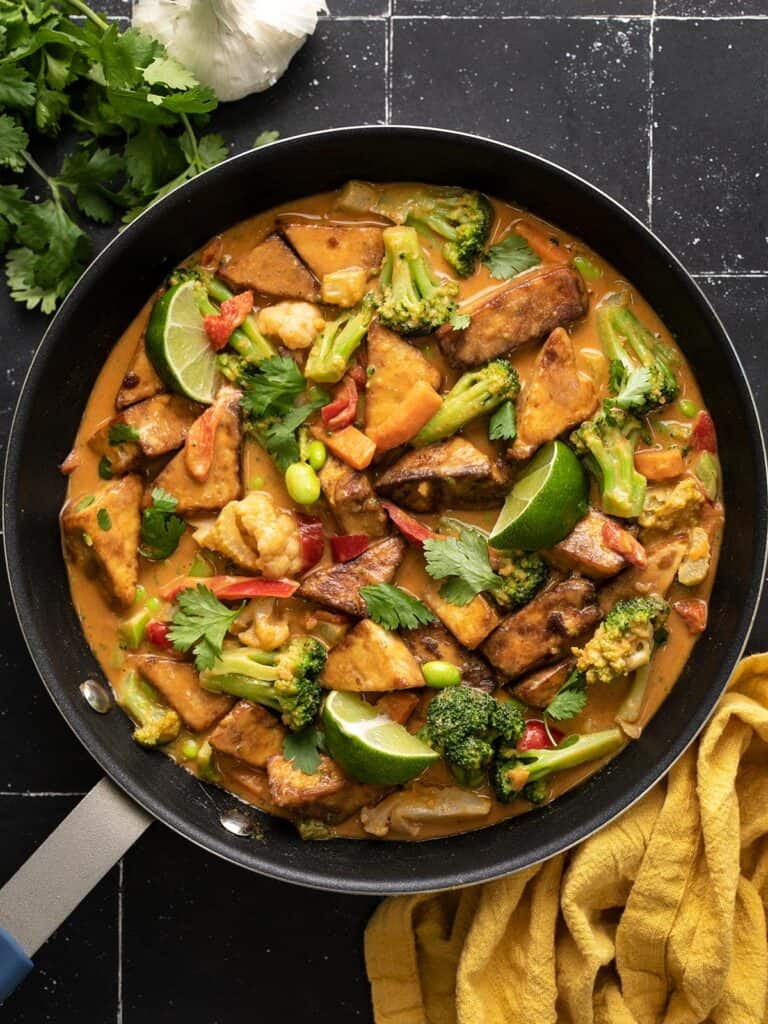
8. Thai Peanut Tofu Stir-Fry
This weeknight dinner comes together in about 20 to 25 minutes. You’ll press the tofu, chop your vegetables, and make a simple peanut sauce.
The dish features crispy tofu coated in a savory Thai-style peanut sauce. You can add vegetables like bell peppers, snap peas, and carrots for color and nutrition.
Serve your stir-fry over rice noodles, jasmine rice, or soba noodles. The noodles soak up the flavorful sauce well.
You can customize the vegetables and spice level based on what you like.

9. Vegetarian Chili with Cornbread
This classic pairing brings together smoky bean chili with sweet, buttery cornbread. You can make it in about 45 minutes, which makes it perfect for busy weeknights.
The chili uses beans and vegetables as the base. You’ll add spices to create a rich, filling meal.
The cornbread soaks up the flavorful sauce perfectly. You can serve this meal for game days or quiet dinners at home.
It works well when you need to feed several people at once.

10. Caprese Salad with Fresh Basil and Mozzarella
This Italian classic brings together three simple ingredients: ripe tomatoes, fresh mozzarella, and basil leaves. You can make it in just 10 minutes with no cooking required.
Slice your tomatoes and mozzarella into rounds. Arrange them on a plate in an overlapping pattern.
Add fresh basil leaves between the slices. Drizzle extra virgin olive oil over the top.
You can add balsamic vinegar or glaze for extra flavor. Season with salt and pepper to taste.
This salad works as a light lunch or side dish for dinner.
Essential Techniques for Tasty Vegetarian Cooking
Good vegetarian cooking relies on building layers of flavor, creating varied textures, and properly preparing plant-based proteins. These core techniques help you make meals that satisfy your taste buds and keep you full.
Flavor Boosting With Herbs and Spices
You can transform simple vegetables and grains into exciting dishes by using herbs and spices correctly. Fresh herbs like basil, cilantro, and parsley work best when you add them at the end of cooking to preserve their bright flavors.
Dried spices such as cumin, paprika, and turmeric need heat to release their full flavor, so toast them in oil before adding other ingredients. Your spice cabinet should include these basics:
- Cumin for earthy, warm notes
- Smoked paprika for depth without heat
- Garlic powder for quick savory flavor
- Red pepper flakes for controlled spice
- Cinnamon for sweet and savory dishes
Salt is your most important tool for bringing out natural flavors. Add it in layers throughout cooking rather than all at once.
Acids like lemon juice, vinegar, or tomatoes brighten flavors and balance rich dishes. A squeeze of fresh lemon right before serving can make your entire meal taste more vibrant.
Balancing Texture and Color
Your plate should have different textures and colors to make meals more interesting. Crispy elements like roasted chickpeas or toasted nuts contrast well with soft foods like mashed potatoes or creamy sauces.
You can achieve crunch by roasting vegetables at high heat (425°F or higher) until the edges brown. Mix cooking methods in one meal.
Pair steamed broccoli with crispy roasted cauliflower. Serve smooth hummus alongside crunchy raw carrots.
Add fresh greens to warm grain bowls for temperature contrast. Color variety usually means you’re getting different nutrients.
Aim for at least three colors on your plate. Red tomatoes, orange carrots, and green spinach give you different vitamins and make your food look more appealing.
Purple cabbage, yellow peppers, and white beans create visual interest while providing diverse nutrients.
Cooking Protein-Rich Plant-Based Ingredients
Beans and lentils form the base of many filling vegetarian meals. Canned beans save time but need thorough rinsing to remove excess sodium.
Dried beans require soaking overnight and longer cooking times but offer better texture and flavor control. Cooking times for common legumes:
- Red lentils: 15-20 minutes
- Brown lentils: 25-30 minutes
- Black beans: 60-90 minutes (after soaking)
- Chickpeas: 90-120 minutes (after soaking)
Tofu and tempeh need proper preparation to taste good. Press tofu for 15-30 minutes to remove excess water before cooking.
Cut it into cubes and toss with cornstarch before pan-frying for crispy edges. Tempeh has a nutty flavor that improves when you steam it for 10 minutes before using it in recipes.
Quinoa provides complete protein when you cook it with a 2:1 ratio of liquid to grain. Toast it in your pot for a few minutes before adding water to enhance its nutty taste.
Nuts and seeds add protein and healthy fats when sprinkled on salads or stirred into dishes at the end of cooking.
Tips for Ingredient Selection and Storage
Fresh ingredients and proper storage make the difference between a good vegetarian meal and a great one. Knowing what to look for at the store and how to keep your produce at its peak helps you create flavorful dishes every time.
Choosing the Freshest Produce
Look for vegetables with bright, vibrant colors and firm textures. Avoid produce with soft spots, bruises, or wrinkled skin.
Leafy greens should be crisp without yellowing or wilting. Check the stems on vegetables like broccoli and asparagus.
They should snap cleanly rather than bend. Root vegetables like carrots and beets should feel heavy for their size and have smooth skin.
Smell your produce when possible. Fresh herbs, tomatoes, and melons should have a pleasant aroma.
If something smells sour or off, skip it. Buy seasonal produce when you can.
It tastes better and costs less. Tomatoes in summer and squash in fall will have more flavor than their out-of-season counterparts.
Proper Storage for Maximum Flavor
Store different vegetables in different places. Keep tomatoes, potatoes, onions, and garlic at room temperature in a cool, dark spot.
Refrigerate leafy greens, carrots, celery, and broccoli. Herbs need special care.
Place fresh herbs like parsley and cilantro in a glass of water in the fridge. Wrap basil in a damp paper towel and store it at room temperature.
High-humidity drawer: Leafy greens, broccoli, carrots, cucumbers
Low-humidity drawer: Apples, peppers, berries, mushrooms
Don’t wash produce until you’re ready to use it. Extra moisture speeds up spoiling.
Keep ethylene-producing fruits like apples and bananas away from vegetables, as they can cause faster ripening. Store beans and grains in airtight containers in a cool, dry pantry.
Label containers with purchase dates to track freshness.
Best Practices for Preserving Leftovers
Cool cooked food to room temperature within two hours before refrigerating. Divide large portions into smaller containers so they cool faster and more evenly.
Store leftovers in clear, airtight containers. Glass containers work best because they don’t absorb odors or stains.
Label each container with the date you made the food. Most cooked vegetarian dishes last 3-4 days in the refrigerator.
Soups and stews often taste better the next day as flavors blend together. Freeze portions you won’t eat within a few days.
Rice, beans, soups, and cooked grains freeze well for up to three months. Leave space at the top of containers since food expands when frozen.
Reheat food to 165°F to ensure food safety. Add a splash of water or broth to rice and grain dishes to restore moisture.
Frequently Asked Questions
These questions address quick dinner solutions, health-focused cooking methods, upscale vegetarian options, and meal planning for different occasions.
What are the top five vegetarian recipes that can be prepared for dinner quickly?
Quinoa and Black Bean Stuffed Peppers take about 30 minutes from start to finish. You can prep the filling while the peppers roast, making this a time-efficient option.
Zucchini Noodle Pad Thai comes together in under 25 minutes. The spiralized zucchini cooks faster than traditional pasta, and you can prepare the sauce while the vegetables cook.
Sweet Potato and Chickpea Curry requires minimal prep work and cooks in one pot. You can have this flavorful dish ready in about 35 minutes.
Creamy Spinach and Mushroom Risotto takes around 30 minutes with proper technique. Stir the rice consistently and add warm broth gradually for best results.
Lentil and Vegetable Shepherd’s Pie cooks quickly if you use pre-cooked lentils. Prepare components simultaneously to finish the dish in about 40 minutes.
How can I make vegetarian recipes healthier without compromising on taste?
Replace heavy cream with blended cashews or cauliflower puree in dishes like risotto. These alternatives provide creamy texture while reducing saturated fat content.
Use vegetable broth instead of oil for sautéing your vegetables. This method cuts calories without sacrificing flavor or moisture.
Add nutritional yeast to dishes for a cheesy flavor without dairy. This ingredient also provides B vitamins and protein to your meals.
Increase the vegetable-to-grain ratio in recipes like stuffed peppers or shepherd’s pie. You get more nutrients and fiber while maintaining satisfying portions.
Season generously with herbs and spices rather than relying on salt or fat. Cumin, turmeric, garlic, and fresh herbs boost flavor without extra calories.
Which popular vegetarian dishes are recommended for a Michelin star-quality main course?
Creamy Spinach and Mushroom Risotto achieves restaurant quality when you use arborio rice and finish with fresh herbs. Maintain proper rice texture and build layers of flavor for the best result.
Sweet Potato and Chickpea Curry becomes more refined with house-made curry paste and coconut cream. Plate it carefully with fresh cilantro and lime wedges for visual appeal.
Lentil and Vegetable Shepherd’s Pie works as an upscale option when you use French green lentils and pipe the potato topping. Add truffle oil or fresh thyme to enhance sophistication.
Quinoa and Black Bean Stuffed Peppers become elegant when you choose uniform bell peppers and garnish with microgreens. Toast high-quality quinoa before cooking for deeper flavor.
Can you suggest simple vegetarian main meals that are both satisfying and easy to prepare?
Quinoa and Black Bean Stuffed Peppers require basic ingredients and straightforward assembly. Mix the filling, stuff the peppers, and bake until tender.
Sweet Potato and Chickpea Curry needs just one pot and simple chopping. The curry paste does most of the flavor work for you.
Lentil and Vegetable Shepherd’s Pie uses familiar cooking techniques. Prepare a lentil base and top it with mashed potatoes before baking.
Zucchini Noodle Pad Thai involves basic stir-frying skills. The spiralized zucchini eliminates the need to boil water or cook pasta.
What are some vegetarian dinner ideas that are perfect for a meal for two?
Creamy Spinach and Mushroom Risotto scales down easily for two servings. The interactive cooking process makes it ideal for preparing together.
Zucchini Noodle Pad Thai serves two perfectly and feels special without being overly heavy. The colorful presentation and fresh flavors create a restaurant-style experience at home.
Quinoa and Black Bean Stuffed Peppers can be made with just two bell peppers. They look impressive on the plate and provide balanced nutrition for a complete meal.
Sweet Potato and Chickpea Curry offers cozy comfort for two people. Serve it with naan bread or rice for a satisfying dinner.
Could you provide some vegetarian meal options inspired by Jamie Oliver’s cooking style?
Sweet Potato and Chickpea Curry reflects the bold, simple flavors found in Jamie Oliver’s recipes. Use fresh ginger, garlic, and quality curry spices for authentic taste.
Zucchini Noodle Pad Thai aligns with his focus on fresh vegetables and quick cooking methods. Keep the vegetables slightly crisp and add fresh lime juice.
Lentil and Vegetable Shepherd’s Pie matches his approach to hearty, family-friendly meals. Load it with mixed vegetables and season the lentils well.
Creamy Spinach and Mushroom Risotto follows his technique of building flavor gradually. Use good vegetable stock and finish with fresh parsley or basil.