
Caribbean cooking brings together flavors from many different islands and cultures. The food features bold spices, fresh tropical ingredients, and cooking methods passed down through generations.
Each island has its own special dishes and ways of preparing food. Learning to make Caribbean recipes at home lets you enjoy the tastes of the islands without needing to travel.
You’ll work with ingredients like scotch bonnet peppers, allspice, beans, rice, and fresh seafood. The recipes range from simple weeknight meals to special dishes for celebrations.
This guide walks you through popular Caribbean dishes and shows you the key ingredients and cooking techniques that make this food so flavorful. You’ll learn what makes each recipe special and how to recreate authentic island flavors in your own kitchen.
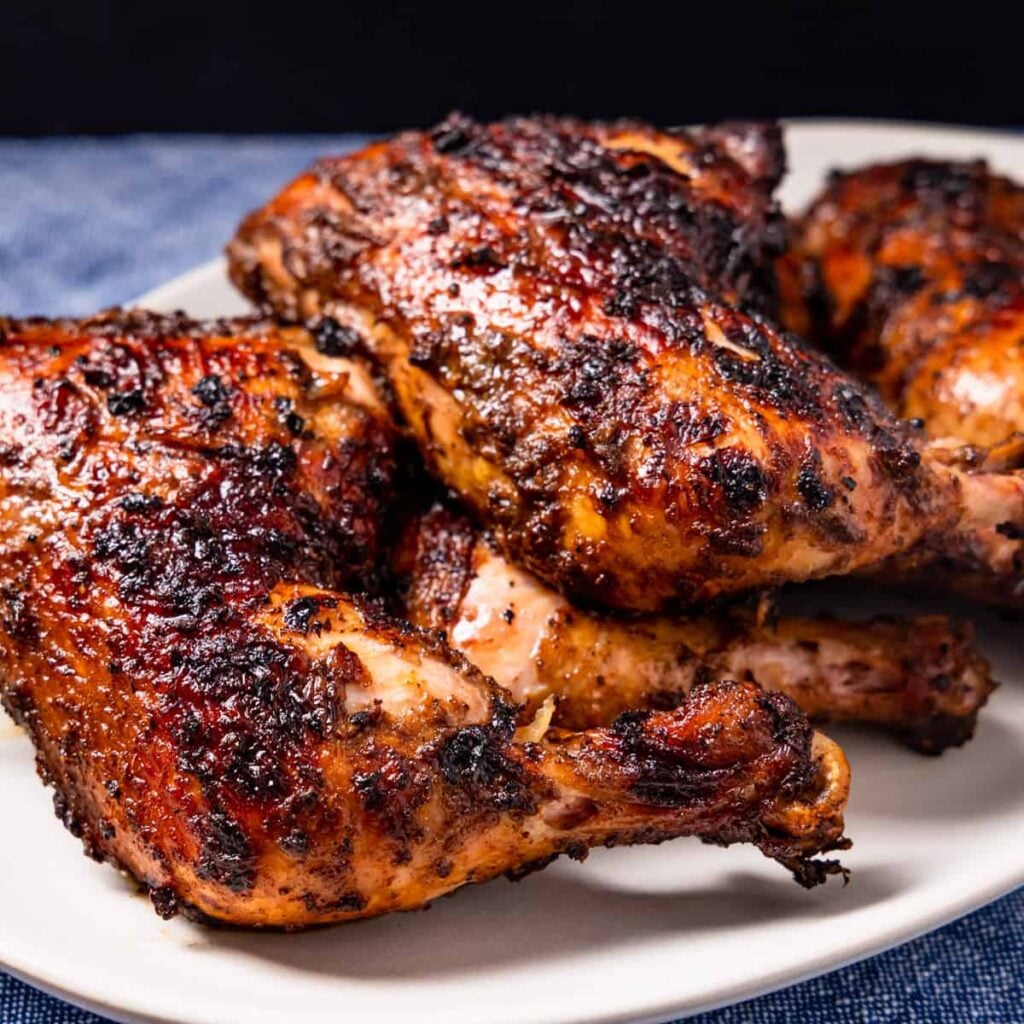
1. Jerk Chicken
Jerk chicken is one of Jamaica’s most famous dishes. The chicken gets marinated in a spicy blend of herbs and peppers that gives it a bold, fiery taste.
You can cook jerk chicken on the grill, in your oven, or even in an air fryer. Let your chicken marinate overnight before cooking for the best flavor.
The dish pairs well with rice and beans or a fresh salad. The meat becomes juicy inside with a slightly charred outside when it’s ready.

2. Curry Goat
Curry goat is a classic Jamaican dish that combines tender goat meat with bold Caribbean spices. You slow-cook the meat for several hours until it becomes fall-off-the-bone tender.
The dish gets its rich flavor from curry powder, scotch bonnet peppers, and traditional seasonings. It’s typically served with white rice or roti.
This one-pot meal takes time to prepare, usually around 2 to 3 hours. The creamy, spiced gravy coats each piece of meat.

3. Rice and Peas
Rice and peas is a classic Jamaican side dish that belongs on your dinner table. You cook tender kidney beans with fluffy rice in creamy coconut milk.
The dish gets its flavor from fresh thyme, allspice, and Scotch bonnet pepper. This recipe works well with jerk chicken, curry goat, or brown stew chicken.
You can use canned beans for a quick version or soak dried beans overnight for deeper flavor. The coconut milk makes the rice rich and savory.

4. Ropa Vieja
Ropa vieja is Cuba’s national dish of slow-cooked shredded beef. The name means “old clothes” because the tender meat shreds into strips that look like torn fabric.
You’ll simmer flank steak with tomatoes, bell peppers, and onions until it falls apart. The sauce gets its flavor from garlic, cumin, and a splash of white wine or vinegar.
Serve your ropa vieja over white rice with black beans on the side. Fried plantains make a great addition to the plate.

5. Trinidadian Doubles
Doubles is Trinidad’s most popular street food. You get two soft, fried flatbreads called bara filled with spiced chickpeas known as channa.
The bara should be pillowy and golden brown. The chickpea filling is seasoned with turmeric and cumin.
You can top your doubles with pepper sauce, tamarind chutney, or cucumber. This dish started in 1936 in Princes Town as a family recipe.
It combines Indian flavors with Caribbean ingredients. You can eat doubles for breakfast or as a quick snack any time of day.

6. Salt Fish Fritters
Salt fish fritters are crispy Caribbean snacks made with salted cod. You combine flaked codfish with flour, fresh herbs, tomatoes, and green onions to create a simple batter.
Then you fry spoonfuls until they turn golden brown. These fritters have a crunchy outside and tender inside.
You can serve them for breakfast or as an appetizer. They pair well with spicy mayo or garlic sauce for dipping.
The salted cod gives these fritters their signature flavor. Soak and boil the fish first to remove excess salt before adding it to your batter.

7. Festival Bread
Festival Bread is a popular Caribbean fried bread that you’ll find throughout Jamaica and other islands. You make it with cornmeal, flour, sugar, and a few basic ingredients.
The dough is slightly sweet and gets shaped into oval or finger-like pieces before frying. The bread has a golden, crispy outside and a soft inside.
You can serve it as a snack on its own or pair it with savory dishes like jerk chicken or fish. It’s simple to prepare at home using ingredients you likely already have in your kitchen.

8. Haitian Akra
Haitian Akra are crispy fried fritters made from malanga, a root vegetable similar to taro. You’ll find these golden snacks at street stands and family gatherings throughout Haiti.
You grate the malanga and mix it with eggs, herbs, and spices to form a batter. Then you fry the mixture until it turns crispy and golden brown.
Akra works well as an appetizer or snack. You can serve it alongside pikliz or fried plantains for an authentic Caribbean experience.

9. Puerto Rican Mofongo
Mofongo stands as one of Puerto Rico’s most popular dishes. You make it by mashing fried green plantains with garlic, salt, and pork cracklings called chicharrones.
The dish comes together quickly, usually in about 25 minutes. You can serve mofongo as a side dish or make it the main course by topping it with garlic shrimp or stuffing it with meat.
The result is a crispy, savory dish with bold garlic flavor. It’s naturally gluten-free and works well for weeknight dinners or special occasions.

10. Jamaican Black Cake
Jamaican Black Cake is a rich dessert that holds a special place at Caribbean celebrations. You’ll find it at Christmas gatherings, weddings, and other important events.
The cake gets its deep flavor from dried fruits soaked in dark rum and red wine. Some families prepare their fruit mixture months ahead of time.
The batter includes warm spices like allspice and burnt sugar, which gives the cake its dark color. When you bake this cake, you’ll notice it’s dense and moist, almost like pudding.
It’s much different from regular fruitcake you might know.
Essential Ingredients and Flavor Profiles
Caribbean cooking relies on a specific set of spices, herbs, and staple ingredients that create its bold taste. The combination of these elements with traditional marinades and sauces gives Caribbean dishes their unique character.
Spices and Herbs Used in Caribbean Cooking
Allspice stands as the most important spice in Caribbean cuisine. You’ll find it in almost every traditional dish, from jerk seasoning to stews.
This dried berry grows throughout the Caribbean and tastes like a mix of cinnamon, nutmeg, and cloves. Scotch bonnet peppers bring the heat that Caribbean food is known for.
These small, wrinkled peppers are much hotter than jalapeños but also add a fruity, slightly sweet flavor to your dishes. Fresh herbs play a big role in Caribbean cooking.
Thyme appears in nearly every savory recipe. You’ll use it in rice dishes, meat marinades, and soups.
Garlic and ginger work together in many recipes to add depth and warmth. Other key spices include:
- Curry powder (especially in Trinidadian dishes)
- Nutmeg and cinnamon for both sweet and savory foods
- Bay leaves for soups and stews
- Black pepper and paprika for seasoning
Key Staples: Rice, Plantains, and Legumes
Rice forms the base of most Caribbean meals. You’ll cook it with coconut milk, beans, or spices to create dishes like rice and peas.
Long-grain white rice works best for Caribbean recipes. Plantains are used at every stage of ripeness.
Green plantains get fried into crispy tostones or boiled and mashed. Ripe yellow plantains become sweet side dishes.
Black plantains are the sweetest and often get fried as a dessert. Beans and legumes provide protein and substance to Caribbean meals.
Kidney beans, pigeon peas, and black-eyed peas are the most common. You’ll cook them with rice or use them in soups and stews.
Cassava (also called yuca) and sweet potatoes serve as starchy vegetables in many dishes. You can boil, fry, or bake these root vegetables.
Signature Marinades and Sauces
Jerk seasoning is the most famous Caribbean marinade. You’ll mix allspice, thyme, Scotch bonnet peppers, garlic, ginger, and scallions with soy sauce and vinegar.
This paste coats chicken, pork, or fish before cooking. Sofrito provides the flavor base for many Caribbean dishes.
You’ll blend onions, peppers, garlic, and cilantro into a paste. Cook this mixture in oil at the start of your recipe to build layers of flavor.
Mojo sauce combines citrus juice (usually sour orange), garlic, and oil. You’ll use it to marinate meat or drizzle over finished dishes.
Other important sauces include pepper sauce made from Scotch bonnets, rum-based glazes with brown sugar and tropical fruit, and coconut milk-based curry sauces. Each island has its own variations on these basic recipes.
Cooking Techniques Unique to the Caribbean
Caribbean cooks use specific methods that set their food apart from other cuisines. These techniques include grilling meat over pimento wood, slow-cooking tough cuts until they fall apart, and preserving tropical ingredients in spicy brines.
Grilling and Barbecuing Methods
Caribbean grilling relies on open flames and specific woods to create smoky flavors. Cooks use pimento wood, which comes from allspice trees, to grill jerk chicken and pork.
The wood adds a sweet, spicy aroma that you can’t get from regular charcoal. The traditional method involves building a pit or drum grill.
You place the meat on grates made from green wood or metal positioned above hot coals. The heat stays low and steady, cooking the food slowly while the smoke works its way into every part of the meat.
Jamaican jerk stands out as the most famous grilled dish. Cooks rub meat with a paste made from scotch bonnet peppers, allspice, thyme, and garlic before placing it on the grill.
You need patience because you cook the meat for several hours, turning it regularly to prevent burning.
Slow Cooking and Stewing
Stewing transforms basic ingredients into rich, flavorful meals across the Caribbean islands. You start by browning meat or fish in a heavy pot, then add vegetables, spices, and liquid.
The pot simmers on low heat for hours until everything becomes tender. Common stewing ingredients include:
- Tough cuts of meat like oxtail or goat
- Root vegetables such as yams and dasheen
- Coconut milk for creaminess
- Fresh herbs like thyme and cilantro
This method works well in hot climates because you can leave the pot cooking while you handle other tasks. The long cooking time breaks down tough fibers in meat and blends all the flavors together.
Many Caribbean families start their stews in the morning so they’re ready by dinner time.
Pickling and Preserving Traditions
Caribbean cooks pickle vegetables and fish to make them last longer in warm weather. You soak food in vinegar mixed with salt, sugar, and hot peppers.
This creates tangy side dishes that cut through rich, heavy meals. Escovitch fish is a popular pickled dish from Jamaica.
You fry whole fish until crispy, then pour hot vinegar with sliced onions, carrots, and scotch bonnet peppers over it. The acid in the vinegar cooks the vegetables slightly while preserving the fish.
You’ll also find pickled cucumbers, green mangoes, and cabbage served alongside main dishes. These pickles add crunch and brightness to your plate.
The vinegar mixture can include allspice berries, bay leaves, and peppercorns for extra flavor.
Frequently Asked Questions
Caribbean cooking offers dishes for every preference, from plant-based meals to flavorful meat preparations. These answers cover vegetarian options, traditional chicken dishes, and practical tips for bringing authentic island flavors into your kitchen.
What are some classic vegetarian dishes from the Caribbean cuisine?
Caribbean cuisine includes several vegetarian dishes that showcase the region’s bold flavors. Rice and peas stands as a staple side dish made with kidney beans, coconut milk, and aromatic spices.
Fried plantains appear throughout the islands in both sweet and savory forms. Callaloo is a popular leafy green dish similar to spinach, and cooks often prepare it with coconut milk and seasonings.
Many Caribbean cultures also prepare various bean stews and vegetable curries using local produce. Scotch bonnet peppers, allspice, and fresh herbs give these dishes their distinctive taste.
Which Caribbean chicken recipes are considered both traditional and delightful?
Jerk chicken represents the most famous Caribbean chicken dish, and it originates in Jamaica. The marinade combines scotch bonnet peppers, allspice berries, thyme, and other spices to create layers of heat and flavor.
You cook the chicken slowly over pimento wood or on a grill. Stewed chicken appears across many islands with slight variations in seasoning.
Puerto Rican arroz con pollo combines chicken with seasoned rice in one pot. Cuban chicken fricassee features tender chicken in a tomato-based sauce with olives and wine.
How can you make a simple yet authentic Caribbean meal at home?
Start with rice and peas as your base, which requires only rice, kidney beans, coconut milk, and basic seasonings. Add a protein like jerk chicken using a store-bought marinade or homemade spice blend.
Plantains serve as an easy side dish that you can fry or bake in about 15 minutes. Keep scotch bonnet peppers, allspice, thyme, and coconut milk in your pantry for authentic flavor.
These ingredients work across many Caribbean recipes. You can create genuine island dishes with just a basic kitchen setup.
Can you list ten dishes that are considered the pinnacle of Caribbean cooking?
Jerk chicken tops the list as Jamaica’s most recognized export to world cuisine. Curry goat brings Indian influences to Caribbean tables with tender meat in aromatic spices.
Rice and peas appears at nearly every Caribbean meal as an essential side dish. Ropa vieja showcases Cuban cooking with shredded beef in a savory tomato sauce.
Trinidadian doubles feature fried bread filled with curried chickpeas for a popular street food. Oxtail stew slow-cooks meat until it falls off the bone in rich gravy.
Ackee and saltfish serves as Jamaica’s national dish with unique fruit and salted cod. Escovitch fish presents fried fish topped with spicy pickled vegetables.
Callaloo soup combines leafy greens with coconut milk and seasonings. Jamaican patties offer flaky pastry filled with spiced meat or vegetables.
What variety of Caribbean food items are typically included in a comprehensive Caribbean food list?
A complete Caribbean food list includes proteins like jerk chicken, curry goat, oxtail, and various seafood preparations. Starches feature rice and peas, fried plantains, festival (sweet fried dough), and cassava.
Fresh vegetables like callaloo greens, cho cho, and okra appear regularly. Legumes play a major role with kidney beans, pigeon peas, and chickpeas in dishes like Trinidadian doubles.
Seasonings include scotch bonnet peppers, allspice berries, fresh thyme, and curry powder. Coconut appears in multiple forms as milk, oil, and fresh meat in both savory and sweet dishes.
Begin with familiar proteins and add Caribbean marinades or spice rubs like jerk seasoning.
Replace regular rice with rice and peas cooked in coconut milk with kidney beans.
Add scotch bonnet peppers to soups and stews for authentic heat.
Use allspice in meat dishes and thyme in marinades for instant Caribbean flavor.
Serve fried plantains instead of potatoes as your starch.
Finish with tropical fruits like mango, pineapple, or papaya for dessert or in salsas alongside your main dishes.