
Winter weather calls for warm, filling meals that bring comfort after cold days. When temperatures drop, you need dinner ideas that satisfy both hunger and the desire for cozy food.
The right winter dinner combines hearty ingredients with simple cooking methods that anyone can master. Each recipe uses seasonal ingredients and straightforward techniques.
You will find options for meat lovers and vegetarians alike, plus practical advice for planning your winter meals.
This collection of winter dinner recipes gives you everything from rich stews to creamy soups that will keep you warm throughout the season.
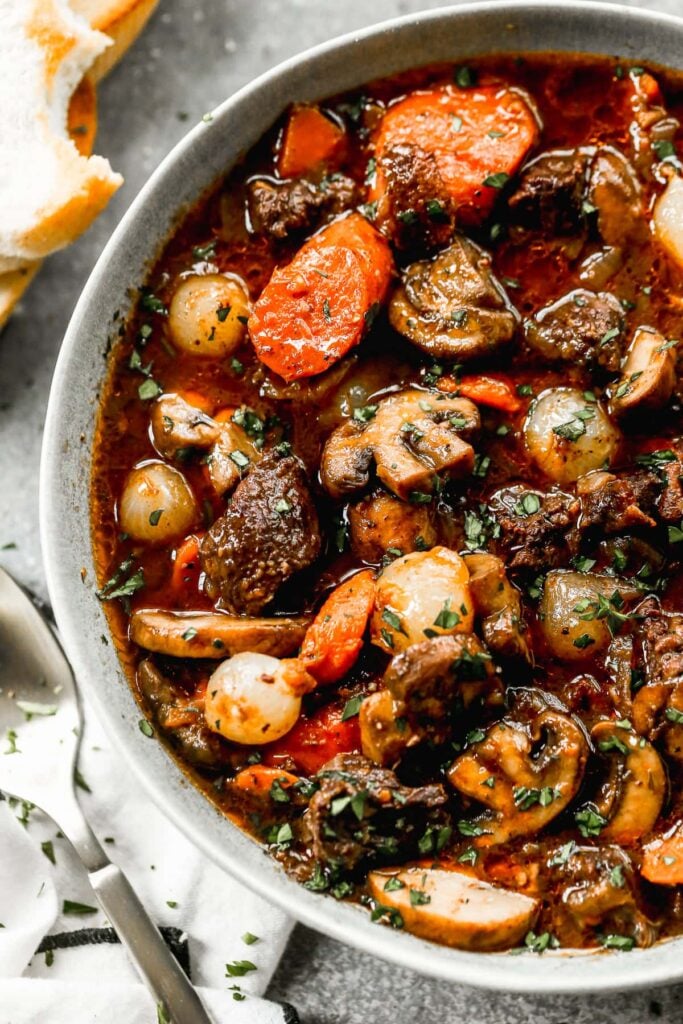
1. Beef Bourguignon
This French beef stew brings comfort to cold winter nights. Braise tender chunks of beef in red wine with mushrooms and pearl onions until everything becomes melt-in-your-mouth soft.
Most of the cooking time happens in the oven while you do other things. You can make it a day ahead, which actually helps the flavors get better.
The red wine creates a rich sauce that coats the beef. Bacon adds a smoky touch that makes this stew taste special enough for guests but easy enough for a regular weeknight.

2. Chicken and Dumplings
Chicken and dumplings is a classic winter meal that brings warmth to cold nights. You’ll find tender chicken pieces in a rich, savory broth topped with soft, pillowy dumplings.
This one-pot dish is simple to make and perfect for busy weeknights. The dumplings cook right in the hot broth, soaking up all the flavors.
You can make it on the stovetop, in a Dutch oven, or even in a slow cooker. The combination of protein-rich chicken and filling dumplings makes this a satisfying dinner that will keep you full all evening.

3. Butternut Squash Soup
Butternut squash soup is a winter staple that brings warmth to cold evenings. The naturally sweet squash creates a creamy, thick texture without needing heavy cream.
You can make this soup with simple ingredients like butternut squash, garlic, onions, and vegetable broth. Season it with warming spices like cinnamon and nutmeg for extra coziness.
This soup works well for quick weeknight dinners or as a starter for holiday meals. It’s naturally vegetarian and gluten-free, making it easy to serve to different guests.

4. Slow Cooker Beef Stew
Slow cooker beef stew takes the work out of dinner on cold nights. Add beef, potatoes, carrots, and broth to your slow cooker in the morning.
By evening, you have tender meat and soft vegetables in a rich gravy. The long cooking time breaks down tough cuts of beef until they fall apart.
Use chuck roast or stew meat for the best results. Just set it and let it cook for 6-8 hours.

5. Baked Ziti with Sausage
Baked ziti with sausage delivers exactly what you need on a cold winter night. Combine cooked ziti pasta with browned Italian sausage, marinara sauce, and three types of cheese.
Bake the dish at 375°F until the cheese melts and gets bubbly. You can prep it ahead and refrigerate it until dinner time.
Mix ricotta, mozzarella, and Parmesan for the best flavor. The sausage adds protein while the cheese creates a creamy texture throughout the pasta.

6. Mushroom Risotto
Mushroom risotto brings comfort to cold evenings with its creamy texture and rich flavor. You’ll need Arborio rice, mushrooms, garlic, and warm broth to create this classic dish.
The cooking process takes about 40 minutes. Add the broth gradually while stirring, which releases the rice’s starch and creates a smooth, creamy consistency.
The earthy mushrooms pair well with garlic and Parmesan cheese. You can prepare some ingredients ahead of time by sautéing the mushrooms and garlic up to 24 hours before cooking.

7. Classic Chicken Pot Pie
Chicken pot pie is a perfect winter dinner that combines tender chicken, vegetables, and creamy sauce under a flaky crust. You can make it from scratch or use shortcuts to save time on busy evenings.
The filling typically includes chicken breast, carrots, peas, and celery in a rich sauce. Choose between a single top crust or a full double crust for extra layers of buttery pastry.
This dish works well for feeding your family and reheats nicely for leftovers.

8. Creamy Tomato Basil Soup
Tomato basil soup brings comfort to cold winter nights with its smooth texture and rich flavor. You can make this soup in about 30 minutes using simple ingredients like tomatoes, fresh basil, cream, and garlic.
The recipe works well with either fresh or canned tomatoes, making it easy to prepare any time of year. Pair it with grilled cheese for a classic combination, or serve it on its own as a satisfying meal.

9. Vegetarian Chili
Vegetarian chili brings warmth and comfort to cold winter nights. You can make it with beans, vegetables, and spices you likely have in your pantry.
This dish works well with winter squash, sweet potatoes, and peppers. The vegetables add natural sweetness that balances the heat from chili powder and spices.
Customize your chili by adding different types of beans or seasonal vegetables. It’s filling enough to serve as a complete meal on its own or with cornbread on the side.

10. Shepherd’s Pie
Shepherd’s pie makes a perfect winter dinner when you want something filling and warm. Layer seasoned ground meat with vegetables, then top it with creamy mashed potatoes before baking.
The traditional version uses lamb, but you can use ground beef if you prefer. Cook the meat with onions, carrots, and peas in a rich gravy.
You can make it ahead and reheat it later.
Essential Ingredients For Flavorful Winter Dinners
Winter cooking relies on hearty vegetables that thrive in cold weather, filling proteins that satisfy hungry appetites, and warming spices that add depth to every dish.
Seasonal Produce Selection
Root vegetables form the foundation of winter cooking. Carrots, parsnips, turnips, and rutabagas develop sweeter flavors after exposure to cold weather.
These vegetables store well and add natural sweetness to roasted dishes and stews. Winter squash varieties like butternut, acorn, and delicata provide creamy textures and mild flavors.
Roast them whole, puree them into soups, or cube them for casseroles. Dark leafy greens reach their peak during winter months.
Kale, collard greens, and Swiss chard become more tender and less bitter in cold weather. Brussels sprouts also taste better after the first frost.
Hardy vegetables to stock:
- Potatoes (Russet, Yukon Gold, red)
- Cabbage (green, red, Savoy)
- Celery root
- Beets
- Onions and leeks
Protein Choices For Cold Weather
Tougher cuts of meat work best for winter cooking methods. Chuck roast, beef short ribs, and pork shoulder become tender through slow cooking.
These cuts cost less than premium steaks and develop rich flavors during long braises. Chicken thighs have more fat than breasts, which keeps them moist during roasting and stewing.
Bone-in pieces add extra flavor to soups and stocks. Fatty fish like salmon stand up well to winter preparation methods.
White beans, lentils, and chickpeas provide protein for vegetarian meals. They absorb flavors from broths and spices while adding fiber and substance to soups.
Herbs And Spices For Winter Cooking
Woody herbs complement winter dishes better than delicate summer herbs. Rosemary, thyme, and sage hold their flavor during long cooking times.
These herbs pair well with root vegetables and meat dishes. Warming spices add heat and complexity without making food spicy.
Cinnamon, nutmeg, and cloves work in both sweet and savory recipes. Cumin, coriander, and smoked paprika create depth in stews and roasted vegetables.
Essential winter seasonings:
- Bay leaves for soups and braises
- Black pepper and sea salt
- Garlic (fresh and powder)
- Ginger (fresh and ground)
- Dried oregano
Stock your pantry with these spices before winter starts. Fresh herbs lose potency quickly, but dried versions stay good for several months when stored in a cool, dark place.
Tips For Planning Satisfying Winter Meals
Winter meal planning works best when you focus on nutrient-dense ingredients and prepare food in advance. You’ll save time and money while keeping your family well-fed throughout the cold months.
Balancing Nutrition And Indulgence
Your winter meals should include both healthy ingredients and comfort food elements. Start by building each dinner around a protein source like chicken, beef, beans, or fish.
Add at least two vegetables to every plate, focusing on winter options like squash, Brussels sprouts, carrots, and dark leafy greens. Make heavier dishes healthier without losing flavor.
Use whole grain pasta instead of white pasta in casseroles. Add extra vegetables to soups and stews to increase fiber and vitamins.
Choose olive oil or avocado oil for roasting instead of butter. Save rich, indulgent meals for weekends or special occasions.
During the week, aim for meals that are 70% nutritious whole foods and 30% comfort ingredients. This approach lets you enjoy creamy sauces, cheese, and baked goods without overdoing it.
Batch Cooking And Meal Prep Strategies
Cooking large batches on weekends saves significant time during busy weeknights. Soups, stews, and chilis freeze well for up to three months.
Make double portions of casseroles and baked dishes, then freeze half for later.
Easy items to prep ahead:
- Chopped vegetables stored in containers
- Cooked grains like rice or quinoa
- Browned ground meat or shredded chicken
- Homemade broths and sauces
Dedicate two to three hours on Sunday to prepare components for the week. Cook a whole chicken to use in multiple meals.
Roast several sheet pans of vegetables at once. These prepared ingredients let you assemble quick dinners in 15-20 minutes on weeknights.
Label all frozen items with the date and contents. Store meals in individual portions for easy reheating when you need a fast dinner option.
Frequently Asked Questions
Winter cooking raises common questions about meal preparation, ingredients, and timing. These answers help you plan satisfying dinners that work with your schedule and preferences.
What are some hearty meals perfect for cold evenings?
Beef Bourguignon stands out as a rich, warming dish with tender beef and red wine sauce. The slow-braised meat and vegetables create deep flavors that satisfy on cold nights.
Chicken and Dumplings offers comfort through soft, pillowy dumplings in savory broth. The combination of protein and starch makes it filling enough to keep you satisfied through long winter evenings.
Slow Cooker Beef Stew provides chunks of beef with potatoes, carrots, and thick gravy. Baked Ziti with Sausage brings together pasta, cheese, and meat in a hot casserole that feeds multiple people easily.
Which ingredients are essential for a winter comfort food pantry?
Stock your pantry with beef and chicken broth for soups and stews. These liquids form the base of many warming dishes and add flavor to grains and vegetables.
Keep pasta, rice, and dried beans on hand for filling meals. Canned tomatoes work in casseroles, stews, and pasta sauces throughout the season.
Store root vegetables like potatoes, onions, and carrots in a cool, dark place. Add flour, butter, and heavy cream for making gravies, sauces, and creamy soups.
How can one incorporate seasonal vegetables into winter dinners?
Butternut squash works well in soups, roasted side dishes, and pasta sauces. Cube it for stews or puree it for smooth, creamy soups.
Brussels sprouts, cabbage, and kale hold up well in long-cooking dishes. Roast them with olive oil and salt, or add them to stews during the last 30 minutes of cooking.
Root vegetables like parsnips, turnips, and sweet potatoes add natural sweetness to meals. Chop them into even pieces for even cooking in sheet pan dinners or pot roasts.
What are the best slow cooker recipes for a winter meal?
Slow Cooker Beef Stew requires minimal prep and cooks while you work. Add beef chunks, vegetables, broth, and seasonings in the morning for dinner by evening.
Pot roast becomes tender in a slow cooker with carrots, potatoes, and onions. The long cooking time breaks down tough meat cuts into fork-tender portions.
Chili, pulled pork, and chicken soup all work well in slow cookers. These recipes need 6-8 hours on low heat.
Can you suggest quick and easy winter dinner recipes for busy weeknights?
Sheet pan meals cook protein and vegetables together in 30-40 minutes. Place chicken thighs or sausages on a pan with chopped vegetables, season everything, and roast at 425°F.
Baked Ziti with Sausage comes together quickly with pre-cooked sausage and jarred sauce. Mix cooked pasta with sauce, sausage, and cheese, then bake for 25 minutes.
One-pot pasta dishes save time on cleanup and cooking. Combine pasta, liquid, vegetables, and protein in a large pot and simmer until the pasta absorbs the liquid.
What are some healthy yet satisfying winter dinner options?
Butternut Squash Soup provides vitamins and fiber while keeping calories moderate. Make it creamy with a small amount of cream or Greek yogurt.
Roast chicken with root vegetables to get lean protein and nutrients. Use chicken breast instead of thighs to reduce fat content.
Bean-based stews offer protein and fiber without meat. Add lentils, chickpeas, or white beans to vegetable stews with tomatoes and winter greens for complete nutrition.