
Vermouth is one of the most important ingredients in classic cocktail making. Many home bartenders don’t know how to use it properly.
This fortified wine adds depth and complexity to drinks. It works as both a base spirit and a modifier in countless recipes.
Whether you prefer sweet red vermouth or dry white vermouth, learning these essential cocktail recipes will transform your home bar setup. From timeless classics like the Negroni and Manhattan to lesser-known gems like the Bijou and Adonis, vermouth cocktails offer something for every taste.
You’ll discover how to properly store and serve vermouth. Get tips for mixing drinks that highlight this versatile ingredient’s unique flavors.
1. Negroni
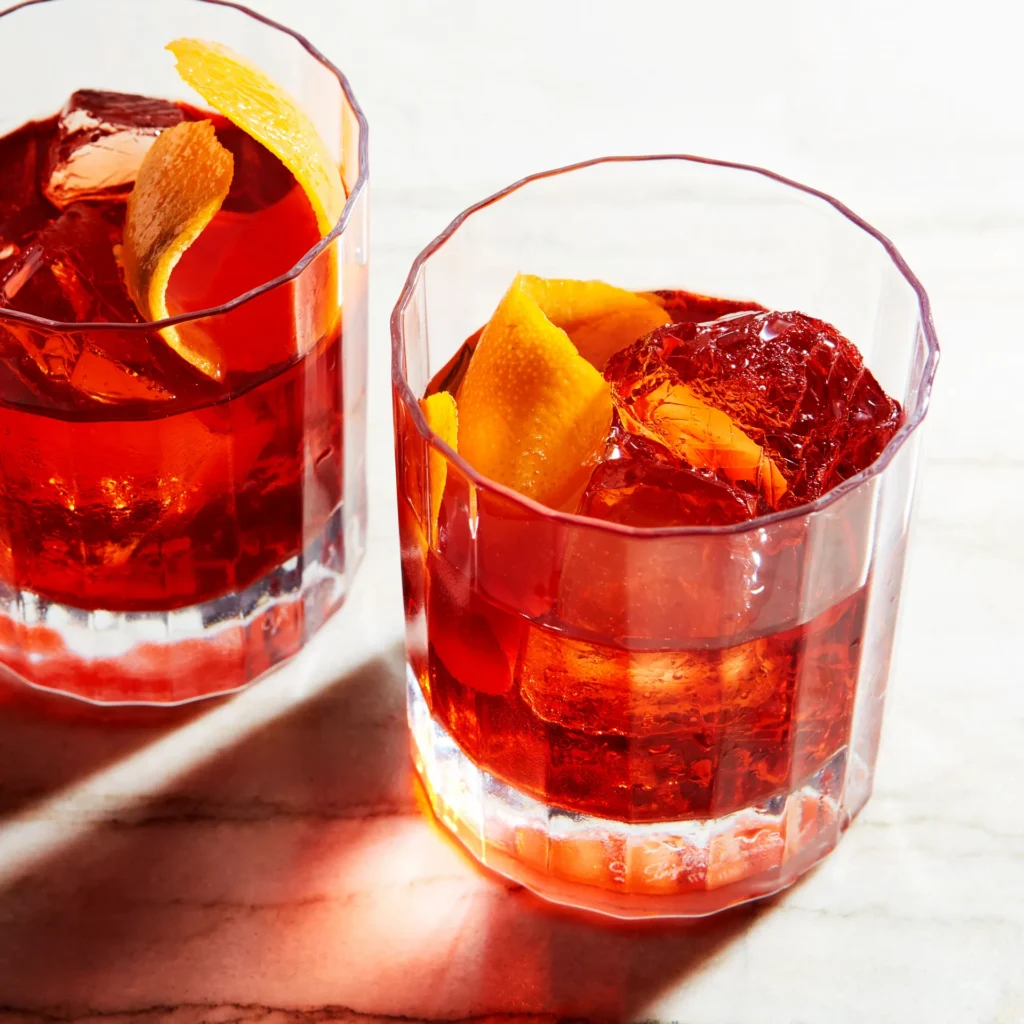
The Negroni is a classic Italian cocktail with just three equal parts. You mix gin, Campari, and sweet vermouth together.
This drink balances bitter and sweet flavors perfectly. The gin adds sharpness while Campari brings complexity.
Sweet vermouth plays a key role in this cocktail. Your choice of vermouth brand will change the final taste.
You serve a Negroni over ice in a rocks glass. Garnish it with an orange peel for the best flavor.

2. Classic Martini
The Classic Martini stands as the most famous vermouth cocktail. You combine gin or vodka with dry vermouth in a chilled glass.
The drink’s beauty lies in its simplicity. With only two main ingredients, each component must be high quality.
You can make your martini “dry” by using less vermouth. A “wet” martini uses more vermouth but is less common.
Garnish your martini with a lemon twist or olive. The choice changes the drink’s final taste profile.

3. Manhattan
The Manhattan is one of the most famous vermouth cocktails. You need three simple ingredients: rye whiskey, sweet vermouth, and aromatic bitters.
Sweet vermouth balances the whiskey’s strength and adds depth to the flavor. To make a Manhattan, you mix whiskey with sweet vermouth and a few dashes of bitters.
Stir the ingredients with ice and strain into a chilled glass. You can garnish your Manhattan with a maraschino cherry.

4. Rob Roy
The Rob Roy is a classic cocktail that uses Scotch whisky instead of bourbon like a Manhattan. You mix Scotch with sweet vermouth and Angostura bitters.
This drink has a rich, smoky taste with slight sweetness. The vermouth balances the strong Scotch flavor perfectly.
You can make variations too. Use dry vermouth for a drier version or mix equal parts sweet and dry vermouth for a perfect Rob Roy.

5. Americano
The Americano is a classic Italian cocktail that dates back to the 1860s. You’ll need equal parts Campari and sweet vermouth, topped with club soda.
This drink offers a perfect balance of bitter and sweet flavors. The Campari provides the signature orange bitterness while sweet vermouth adds herbal complexity.
You can make this cocktail easily by mixing the ingredients over ice. Garnish with an orange slice or peel for the traditional presentation.

6. Vermouth Spritz
The Vermouth Spritz combines vermouth with club soda for a simple, refreshing drink. This classic cocktail works well as an aperitif or for casual day drinking.
You can make this spritz with either sweet or dry vermouth. The herbal and citrus notes create a light, sophisticated taste.
To make one, pour vermouth over ice in a wine glass. Add club soda and stir gently.
Garnish with a lemon twist or orange slice for extra flavor.
7. Boulevardier
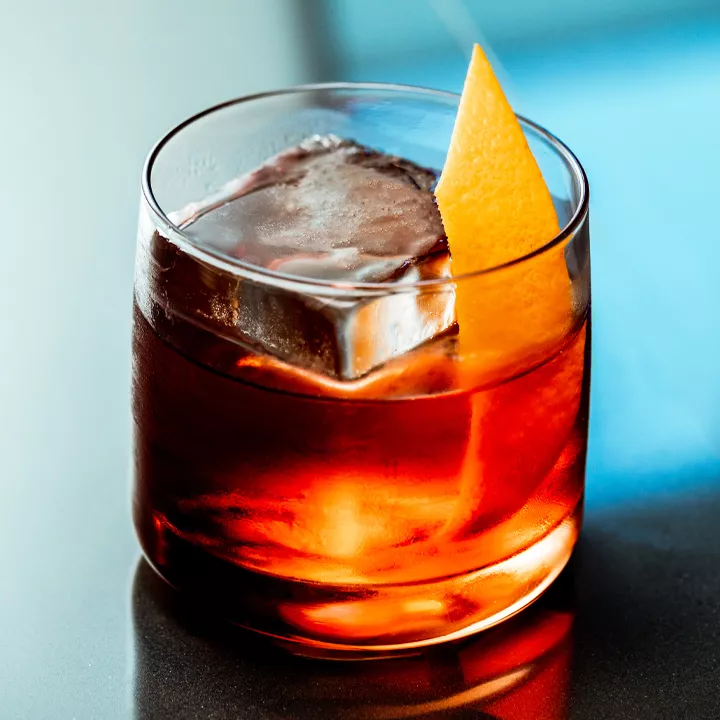
The Boulevardier combines whiskey, sweet vermouth, and Campari into one bold drink. You can think of it as whiskey’s answer to the Negroni.
Use bourbon or rye whiskey as your base spirit. The choice depends on your taste preferences.
Mix equal parts of all three ingredients for a balanced flavor. Some recipes use more whiskey for a stronger taste.
Stir the ingredients with ice and serve over a large cube. Garnish with an orange twist.
8. Vesper Martini
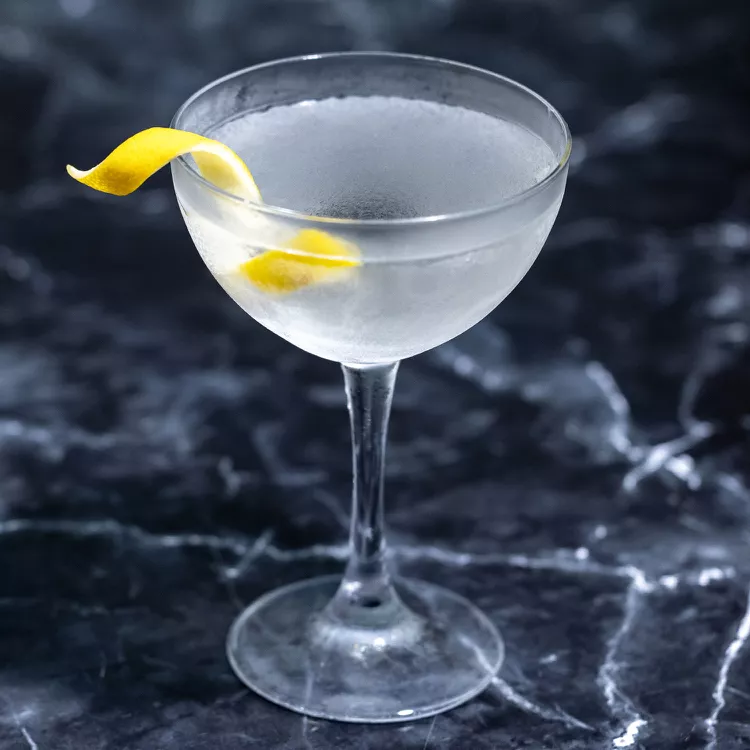
The Vesper Martini combines gin, vodka, and dry vermouth in one bold cocktail. James Bond made this drink famous in “Casino Royale.”
You get a stronger drink than a regular martini because it uses both gin and vodka. The combination creates a smooth yet powerful base.
Originally, the recipe called for Kina Lillet, but modern versions use dry vermouth or Lillet Blanc. The drink offers a fruity taste while staying completely boozy.
Serve your Vesper very cold in a chilled glass with a lemon twist garnish.
9. Gibson
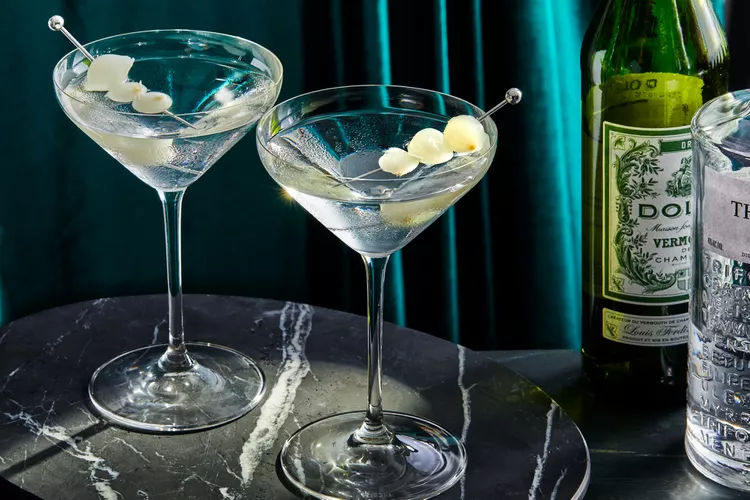
The Gibson is a classic martini variation that uses a pickled onion instead of an olive. You make it with gin and dry vermouth, just like a traditional martini.
The pickled onion gives this cocktail a unique briny and savory taste. This garnish sets it apart from other vermouth cocktails.
You should serve your Gibson in a chilled martini glass. The drink tastes crisp and clean with strong gin flavors and subtle herbal notes from the dry vermouth.

10. El Presidente
El Presidente brings Cuban elegance to your vermouth cocktail collection. This classic combines white rum with dry vermouth for a sophisticated base.
You’ll add orange curaçao and a dash of grenadine for subtle sweetness. The drink balances boozy strength with refined flavors.
The cocktail emerged in 1920s Havana as a favorite among diplomats. Unlike fruity rum punches, it offers a more complex taste.
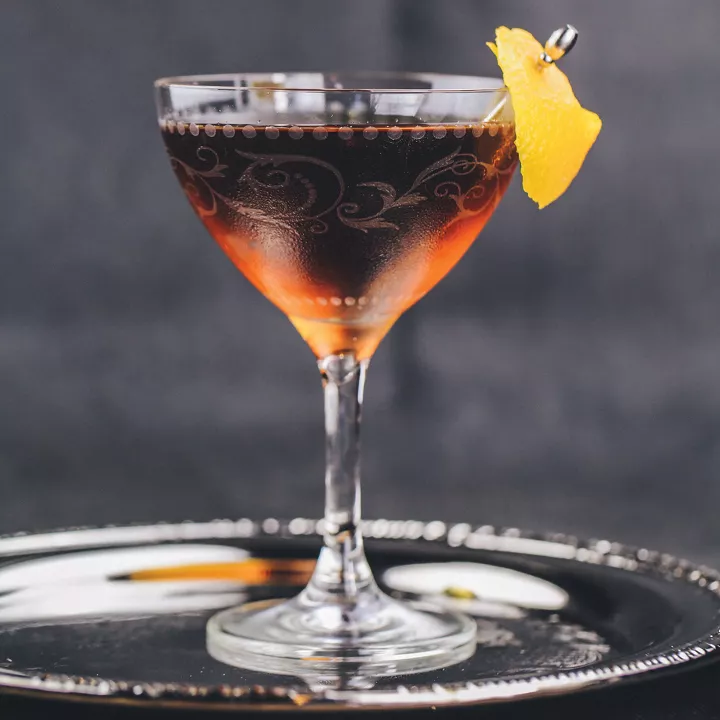
11. Adonis
The Adonis cocktail combines sweet vermouth with sherry for a simple yet elegant drink. This low-alcohol cocktail dates back to the late 1800s.
You need just two main ingredients: sweet vermouth and fino sherry. Add a dash of orange bitters to complete the recipe.
The drink offers complex flavors without high alcohol content. It works perfectly as an aperitif before dinner.
You can experiment with different sherries and vermouths to find your preferred combination.

12. French 75 with Vermouth
The French 75 gets a twist when you add vermouth to the mix. This version uses blanc vermouth instead of the traditional gin or cognac base.
You combine the blanc vermouth with fresh lemon juice and top it with champagne. The vermouth adds herbal notes that make the drink more complex.
This lighter version has lower alcohol content than the classic recipe. The bubbles from champagne still give you that signature fizzy finish.

13. Hanky Panky
The Hanky Panky combines gin, sweet vermouth, and Fernet-Branca in a bold mix. Ada Coleman created this classic cocktail at London’s Savoy Hotel in 1903.
You’ll taste herbal bitterness from the Fernet-Branca balanced with sweet vermouth. The gin adds botanical notes that tie everything together.
To make it, shake 1.5 oz gin, 1.5 oz sweet vermouth, and 2 dashes Fernet-Branca with ice. Strain into a glass and garnish with orange peel.

14. Monte Carlo
The Monte Carlo is a simple twist on the Manhattan. You replace sweet vermouth with Benedictine liqueur for a sweeter, more complex flavor.
This classic cocktail uses rye whiskey, Benedictine, and Angostura bitters. Some recipes add a small amount of sweet vermouth alongside the Benedictine.
You can serve it straight up or on the rocks. Garnish with a lemon peel.
The Monte Carlo offers rich herbal notes from the Benedictine.

15. Brooklyn Cocktail
The Brooklyn cocktail is a classic pre-Prohibition drink that puts a twist on the Manhattan. You’ll use rye whiskey as the base spirit with dry vermouth instead of sweet.
This cocktail includes maraschino liqueur and Amer Picon for complexity. The maraschino adds rich sweetness while the Amer Picon provides bitter notes.
The drink first appeared in print in 1908. Stir the ingredients with ice and serve it straight up in a coupe glass.

16. Improved Whiskey Cocktail
The Improved Whiskey Cocktail adds special touches to a basic whiskey drink. You start with bourbon or rye whiskey as your base.
This cocktail includes maraschino liqueur and absinthe for extra flavor. Simple syrup and bitters round out the mix.
A lemon twist provides the perfect garnish. The drink balances sweet and bitter flavors well.

17. Toronto
The Toronto cocktail combines Canadian whisky with sweet vermouth and Fernet-Branca. This drink offers a balance of smooth whisky and bitter herbal flavors.
You’ll taste the rich whisky base with aromatic vermouth sweetness. The Fernet-Branca adds a distinctive bitter bite.
This whisky-forward drink works well in a coupe glass.

18. Astoria
The Astoria comes from the famous Waldorf-Astoria Hotel in New York. This cocktail flips the classic martini recipe by using more vermouth than gin.
You’ll need gin, dry vermouth, and orange bitters. The drink uses equal parts gin and vermouth, making it vermouth-forward.
Old Tom gin works best for this recipe. The sweeter gin style pairs well with the dry vermouth.
Don’t over-stir this cocktail. Too much mixing can dilute the flavors.
Serve it in a chilled coupe or martini glass with a lemon twist.

19. Sbagliato
The Sbagliato replaces gin in a Negroni with Prosecco. This Italian cocktail was born from a bartender’s mistake, which is what “sbagliato” means in Italian.
You combine equal parts Campari, sweet vermouth, and Prosecco. The drink is lighter and less bitter than a traditional Negroni.
Serve it over ice in a rocks glass. The bubbles make it perfect for summer afternoons.

20. Bijou
The Bijou is a classic cocktail that dates back to the 1890s. The name means “jewel” in French.
You make this drink with equal parts gin, sweet vermouth, and green Chartreuse. Add a dash of orange bitters to complete it.
The three ingredients represent three jewels: gin as the diamond, sweet vermouth as the ruby, and green Chartreuse as the emerald.
This cocktail delivers complex herbal flavors from the Chartreuse. The sweet vermouth balances the strong botanical notes.

21. Tuxedo Cocktail
The Tuxedo cocktail is a refined variation of the classic Martini. You’ll find it combines gin with dry vermouth, maraschino liqueur, and a touch of absinthe.
This drink offers a complex flavor profile. The gin provides a crisp base while the vermouth adds herbal notes.
The maraschino liqueur brings subtle sweetness. A hint of absinthe creates depth and complexity.
You should stir this cocktail rather than shake it. This preserves the smooth, silky texture that makes the Tuxedo special.
Understanding Vermouth
Vermouth is a fortified wine that gets its unique taste from herbs, spices, and botanicals. It comes in two main types – dry and sweet – each bringing different flavors to your cocktails.
Types of Vermouth
Dry Vermouth is clear or pale yellow and has a crisp, herbal taste. You’ll find it in classic martinis and other light cocktails.
It contains less sugar and lets the botanical flavors shine through.
Sweet Vermouth is dark red or amber colored. It tastes richer and has more sugar than dry vermouth.
This type works well in Manhattans and Negronis where you want deeper flavors.
Blanc or Bianco Vermouth sits between dry and sweet types. It has a golden color and mild sweetness.
You can use it when you want something softer than dry but not as heavy as sweet vermouth.
Each type brings its own character to drinks. The choice between them changes how your cocktail tastes and looks.
Key Ingredients and Flavors
Vermouth starts with white wine as its base. Makers add neutral spirits to fortify it and raise the alcohol content to about 15-18%.
The real magic comes from the botanicals. Common ingredients include:
- Wormwood (the key ingredient)
- Citrus peels
- Cinnamon
- Cardamom
- Cloves
Different brands use their own secret recipes. Some add vanilla, chamomile, or juniper berries.
These ingredients steep in the wine for weeks or months. You might taste bitter herbs, sweet spices, or bright citrus notes all in one sip.
Brief History of Vermouth
Vermouth began in 18th century Italy and France. Antonio Benedetto Carpano created the first commercial vermouth in Turin, Italy in 1786.
French makers developed dry vermouth in the early 1800s. The town of Chambéry became famous for its light, floral style.
By the 1900s, vermouth had spread across Europe and America. It became essential for classic cocktails during the golden age of bartending.
Today’s vermouth makers still follow many traditional methods. They age their products in wooden barrels and guard their botanical recipes carefully.
Modern craft distillers also create new styles with local ingredients.
Tips for Serving Vermouth Cocktails
The right glass and proper temperature make vermouth cocktails shine. Simple garnish techniques can turn a basic drink into something special.
Best Glassware Choices
Coupe glasses work best for most vermouth cocktails like Negronis and Manhattans. The wide bowl lets you smell the herbs and botanicals while you drink.
Martini glasses are perfect for dry vermouth cocktails. The long stem keeps your hands from warming the drink.
The pointed bottom helps focus the aromas. Rocks glasses suit vermouth cocktails served on ice.
Choose glasses with thick bottoms that won’t tip over easily.
Here are the top glass choices by cocktail type:
| Cocktail Type | Best Glass | Why |
|---|---|---|
| Negroni | Rocks glass | Ice keeps it cold |
| Manhattan | Coupe glass | Shows off the color |
| Martini | Martini glass | Classic presentation |
| Americano | Highball glass | Room for soda water |
Wine glasses work well when serving vermouth straight. They let you swirl and smell the drink properly.
Chilling and Garnishing Techniques
Temperature matters for vermouth cocktails. Sweet vermouth tastes best when chilled to 45-50°F.
Dry vermouth should be ice cold at 35-40°F. Chill your glasses in the freezer for 10 minutes before serving.
This keeps drinks cold longer and prevents dilution. Citrus peels make the best garnishes for vermouth cocktails.
Twist orange peel over a Negroni to release oils. Lemon peel works great with dry vermouth drinks.
Fresh herbs add aroma and flavor. Rosemary sprigs complement sweet vermouth.
Thyme pairs well with herbal vermouths. Store your vermouth in the fridge after opening.
It stays fresh for about one month. Bad vermouth will ruin any cocktail you make with it.
Frequently Asked Questions
Vermouth cocktails work well for both new bartenders and experienced mixologists. These questions cover the basics of making drinks with sweet, dry, and white vermouth at home.
What are some classic sweet vermouth cocktails for beginners to try?
The Manhattan is perfect for beginners who want to learn sweet vermouth basics. You mix 2 ounces whiskey with 1 ounce sweet vermouth and a dash of bitters.
The Negroni offers another great starting point. You combine equal parts gin, sweet vermouth, and Campari for a balanced bitter-sweet flavor.
The Rob Roy works like a Manhattan but uses Scotch whisky instead of bourbon. This gives you a smoky twist on the classic recipe.
Can you list the top vermouth cocktails that are simple to make at home?
The Americano requires just sweet vermouth, Campari, and soda water over ice. You can make it in any glass without special tools.
A Classic Martini needs only gin and dry vermouth with an olive garnish. The 4:1 ratio of gin to vermouth works well for most tastes.
The Boulevardier mixes bourbon, sweet vermouth, and Campari in equal parts. This creates a whiskey version of the Negroni that takes less than two minutes.
What are the best gin and vermouth combinations for a refreshing cocktail?
London Dry gin pairs well with dry vermouth for crisp martinis. The botanical flavors complement each other without competing.
Plymouth gin works great with sweet vermouth in mixed drinks. The smoother gin profile lets the vermouth flavors shine through.
Navy strength gin creates bold cocktails when mixed with white vermouth. The higher alcohol content balances the lighter vermouth style.
How do you incorporate dry vermouth into a sophisticated cocktail mix?
Use dry vermouth as a modifier in spirit-forward cocktails. Start with a 4:1 or 5:1 ratio of base spirit to vermouth for balance.
Rinse your glass with dry vermouth before adding other ingredients. This technique adds subtle herbal notes without making the drink too wet.
Float dry vermouth on top of finished cocktails for aroma. The wine will sit on the surface and hit your nose first when you drink.
In what ways can white vermouth be used to create light and appealing cocktails?
White vermouth works well in spritz-style drinks with sparkling water. The light color and clean taste make refreshing summer cocktails.
You can substitute white vermouth for dry vermouth in martinis. This creates a softer flavor profile with more floral notes.
Mix white vermouth with vodka and citrus for clean-tasting cocktails. The neutral base spirit lets the vermouth’s botanical flavors stand out.
What are the ideal soda pairings for vermouth-based cocktails?
Club soda adds fizz without changing the flavor of your vermouth cocktails. This works best in Americanos and vermouth spritzes.
Tonic water brings quinine bitterness that complements sweet vermouth drinks. The bubbles help dilute strong flavors.
Ginger ale pairs well with both sweet and dry vermouth cocktails. The spice adds complexity, and the carbonation keeps drinks light and refreshing.