
Getting kids fed before school or weekend activities can feel like a challenge. Many children are picky eaters or rush through the morning routine.
Finding breakfast options that are both nutritious and appealing to kids can make mornings easier for your whole family.
The best breakfast ideas combine foods that kids actually want to eat with ingredients that give them energy for the day. You can choose from sweet options like muffins and pancakes or savory dishes like egg-based meals.
Some recipes work well when you make them ahead of time. Others come together quickly on busy mornings.
This guide covers breakfast recipes that work for different tastes and schedules. You will also learn what makes a healthy breakfast and how to get your kids excited about their morning meal.
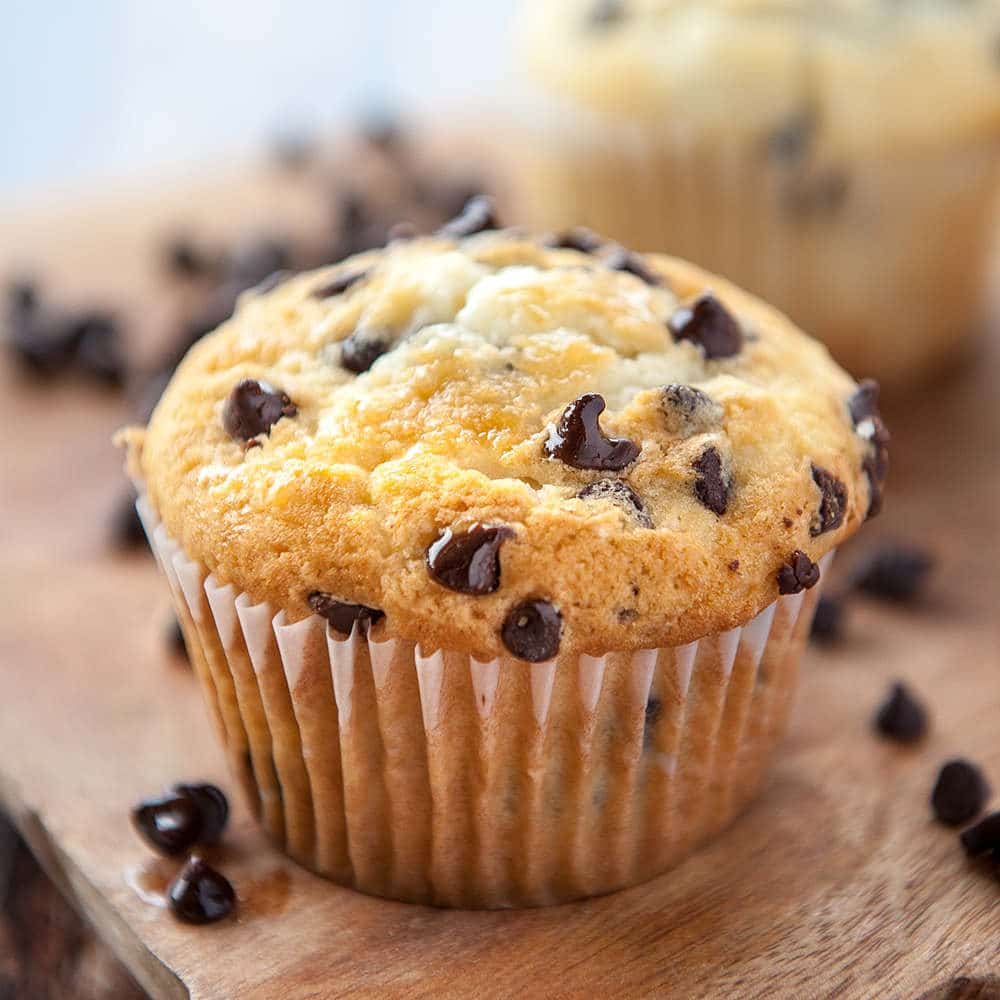
1. Chocolate Chip Muffins
Chocolate chip muffins make a great breakfast option that your kids will actually eat. They’re quick to prepare and use basic ingredients you probably have in your kitchen.
You can bake a batch ahead of time and store them for busy mornings. These muffins work well as a grab-and-go breakfast or an after-school snack.
The recipe is simple enough that your kids can help with the mixing and measuring. You’ll get soft, fluffy muffins with chocolate in every bite.
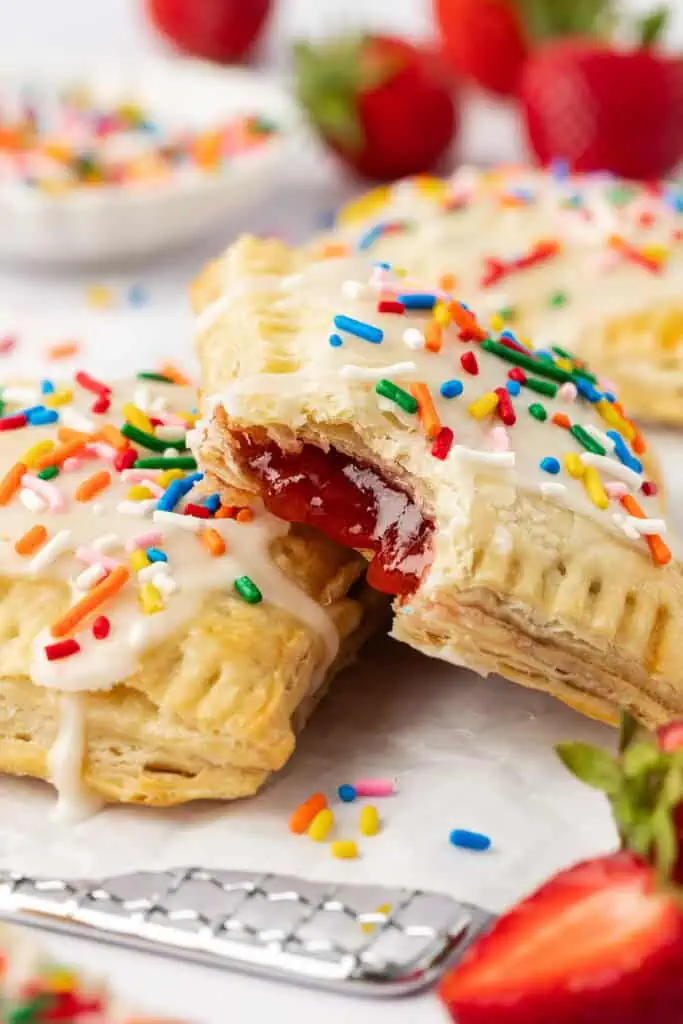
2. Homemade Pop-Tarts
You can make pop-tarts at home using simple ingredients like pie crust, jam, and frosting. They taste better than store-bought versions and let you choose your own fillings.
Your kids can help fill and decorate these pastries with their favorite flavors. Try strawberry, blueberry, chocolate, or brown sugar cinnamon.
Add sprinkles on top for extra fun. These treats work well for breakfast or snacks.
You can make a batch on the weekend and store them for busy mornings.
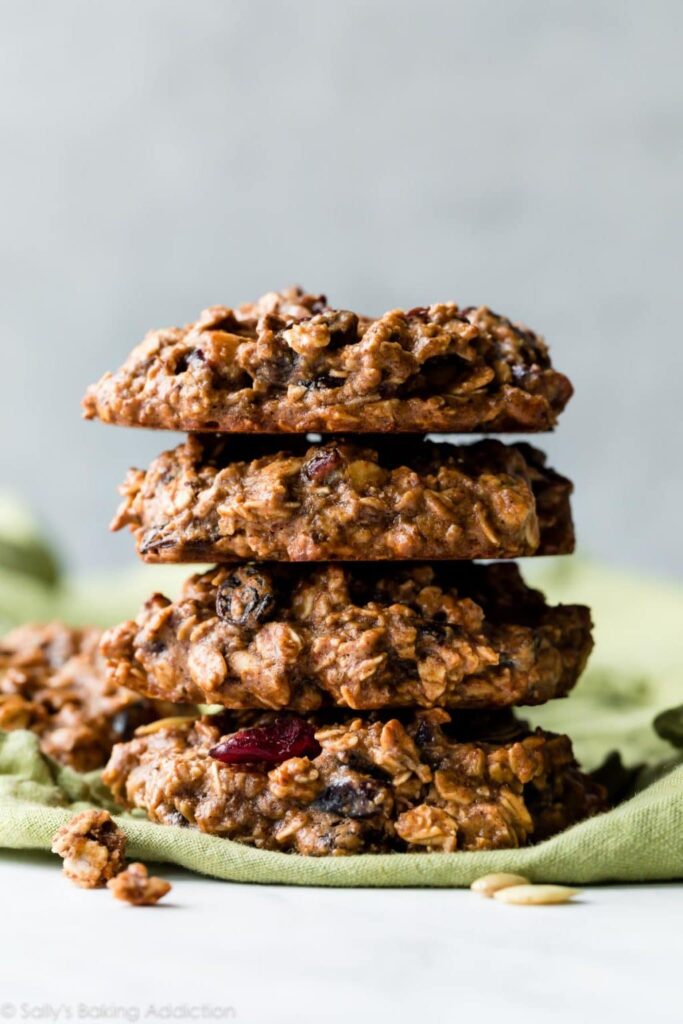
3. Breakfast Cookies
Breakfast cookies give your kids a nutritious meal they can eat with their hands. These aren’t regular cookies.
They pack in healthy ingredients like oats, bananas, and seeds to fuel your child’s morning. You can make them ahead of time and grab them on busy school days.
Your kids can help mix the dough and shape the cookies. Most recipes use simple ingredients you already have at home.
The cookies work well for picky eaters who don’t want traditional breakfast foods.

4. Egg Muffins
Egg muffins are a smart choice for busy mornings. You can make them ahead of time and keep them in your freezer for quick breakfasts.
These muffins pack protein to help your kids stay full longer. You can add vegetables like bell peppers or cheese to boost nutrition.
Mix eggs with your chosen ingredients, pour into a muffin pan, and bake. Your kids can eat them warm or cold.
They work great in lunchboxes too.

5. Breakfast Pizza
Breakfast pizza turns a kid favorite into a morning meal. You can use a simple crust and top it with scrambled eggs, cheese, and cooked sausage or bacon.
The pizza comes together in about 10 to 20 minutes, making it practical for busy mornings. Your kids can help pick the toppings they like.
Try adding vegetables like peppers or tomatoes for extra nutrition. You can make mini versions on English muffins or use crescent roll dough for a flaky base.

6. Croissant Boats
Croissant boats turn a simple pastry into a fun breakfast your kids will love. You hollow out a croissant and fill it with scrambled eggs, cheese, and their favorite toppings like bacon or sausage.
Bake everything until the cheese melts and the croissant turns golden. You can make these ahead of time and reheat them on busy mornings.
Kids can eat them with their hands, which makes breakfast easier for everyone. You can customize each boat based on what your child likes to eat.

7. Animal-Shaped Pancakes
Animal-shaped pancakes turn breakfast into a fun activity. You can make simple designs like bears, bunnies, and pigs using regular pancake batter.
Start with basic circles in different sizes. Stack them to create faces and bodies.
Add chocolate chips for eyes and sliced fruit for ears or noses. You don’t need special skills or tools.
Even frozen pancakes work well for quick morning creations. Your kids can help decorate their own animal pancakes with toppings like berries and whipped cream.
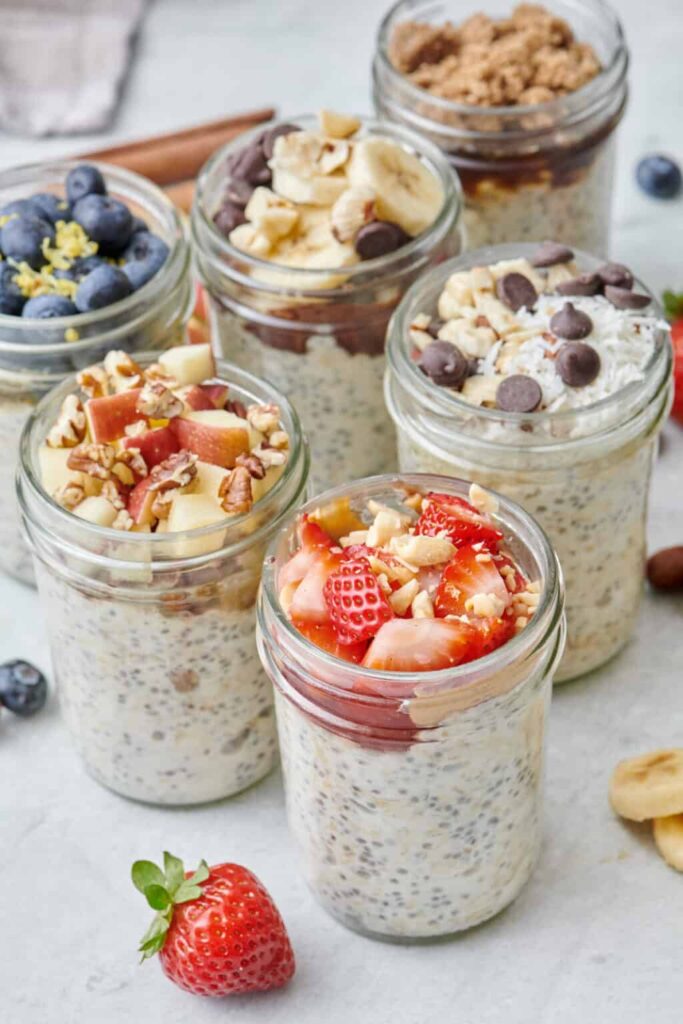
8. Make-Ahead Oatmeal
Make-ahead oatmeal saves time on busy mornings when you need to feed your kids quickly. You can prepare it the night before and store it in the fridge.
Overnight oats work well because they soften while sitting in milk or yogurt. Your kids can eat them cold or you can warm them up in the microwave.
Add toppings like berries, banana slices, or a spoonful of peanut butter to make the oatmeal more appealing. You can also mix in chocolate chips or cinnamon for extra flavor.
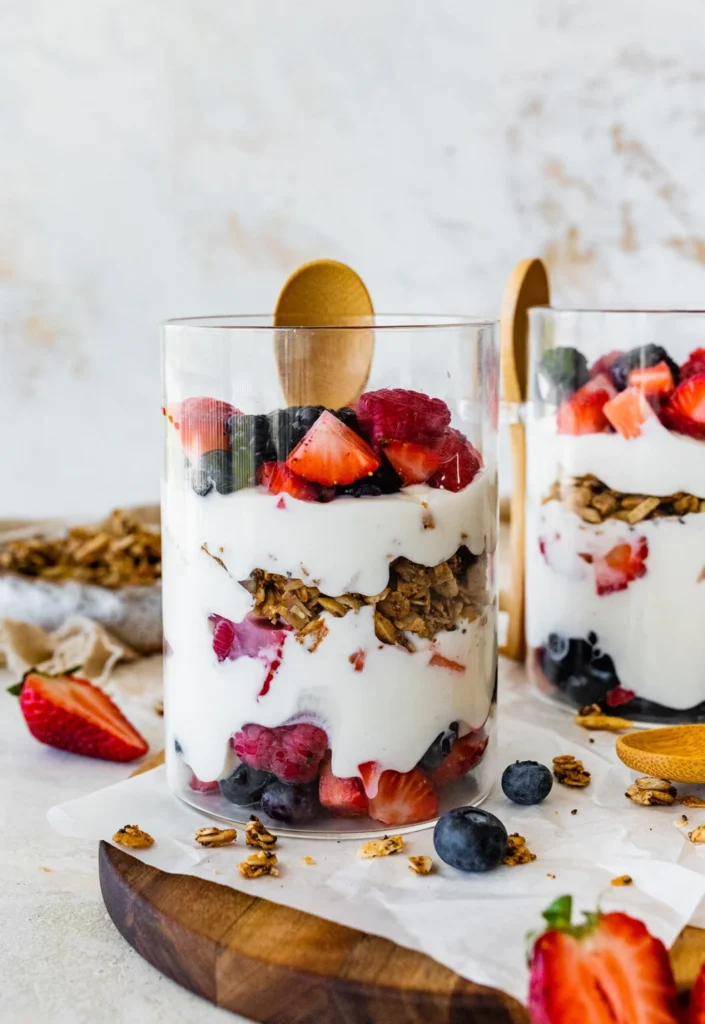
9. Fruit and Yogurt Parfaits
Yogurt parfaits give you an easy breakfast that kids can help make themselves. You layer yogurt with fresh fruit and granola in a glass or bowl.
This creates a colorful meal that looks fun to eat. You can use any yogurt your family likes.
Greek yogurt adds extra protein. Pick fruits your kids enjoy, like berries, bananas, or kiwi.
Parfaits take less than 10 minutes to prepare. You can set up ingredients the night before for quicker mornings.

10. Smoothie Bowls
Smoothie bowls turn a regular smoothie into a fun breakfast your kids can customize. You blend frozen fruit with yogurt or milk until it’s thick, then pour it into a bowl.
The thick texture makes it easy to add toppings. Kids love choosing their own toppings.
You can set out fresh berries, sliced bananas, granola, coconut flakes, or chia seeds. They can create patterns and designs with the toppings.
This breakfast is nutritious and feels like a treat. Your kids get involved in making their meal, which often means they’re more likely to eat it.
What Makes a Nutritious Breakfast for Kids?
A good breakfast includes the right mix of nutrients to support your child’s growth and keep them energized throughout the morning. The best approach combines protein, healthy carbohydrates, and good fats while avoiding common mistakes that can leave kids hungry or sluggish.
Key Nutrients for Children’s Growth
Your child needs several important nutrients at breakfast to support their developing body and brain. Protein helps build and repair muscles and keeps them full longer.
Calcium strengthens bones and teeth during critical growth years. Iron supports healthy blood and helps carry oxygen throughout the body, which improves focus and energy.
Fiber aids digestion and helps maintain steady blood sugar levels throughout the morning. B vitamins support brain function and help convert food into energy your child can use.
You can find these nutrients in everyday breakfast foods. Eggs provide protein and iron.
Milk and yogurt offer calcium and protein. Whole grain bread and oatmeal deliver fiber and B vitamins.
Fruits add vitamins, fiber, and natural energy.
Balancing Carbohydrates, Protein, and Fats
Each breakfast should include all three macronutrients working together. Carbohydrates provide quick energy but need to come from whole grains, fruits, or vegetables rather than sugary cereals or pastries.
Protein slows down digestion and prevents energy crashes before lunch. Healthy fats support brain development and help your child absorb important vitamins.
A balanced plate might include whole grain toast with peanut butter and banana slices. The toast provides carbohydrates, the peanut butter adds protein and healthy fats, and the banana contributes natural sweetness plus extra nutrients.
You can also try Greek yogurt with granola and berries. Scrambled eggs with whole wheat toast or oatmeal topped with nuts and fruit also work well.
Each combination delivers sustained energy instead of a quick spike followed by a crash.
Common Breakfast Pitfalls to Avoid
Many popular breakfast choices lack the nutrition your child needs. Sugary cereals contain mostly refined carbohydrates and added sugar, which cause blood sugar spikes and crashes.
They often have little protein or fiber to keep kids satisfied. Skipping breakfast entirely leaves children without fuel for their morning activities.
Studies show kids who eat breakfast perform better in school and have more stable moods. Relying only on carbohydrates is another common mistake.
A plain bagel or toast without protein or fat digests too quickly and leaves your child hungry within an hour. Fruit juice seems healthy but contains as much sugar as soda without the fiber found in whole fruit.
Offer water or milk instead, and serve whole fruits when possible.
Tips for Making Breakfast Fun and Appealing
Making breakfast exciting for kids doesn’t require complicated recipes or extra time. Simple changes to how you present food and including kids in the process can transform any ordinary morning meal into something special.
Creative Plating and Presentation Ideas
The way you arrange food on a plate can make a big difference in whether kids want to eat it. Use cookie cutters to shape pancakes, toast, or sandwiches into stars, hearts, or animal shapes.
Arrange fruit pieces into smiley faces or simple pictures on the plate. Colorful ingredients naturally draw kids’ attention.
Add berries to yogurt, use different colored fruits for variety, or sprinkle toppings like coconut flakes or mini chocolate chips on oatmeal. Even simple additions like a drizzle of honey in a fun pattern can help.
Try serving breakfast in unexpected ways. Put smoothies in special cups with fun straws.
Use skewers to create pancake or fruit kabobs. Serve eggs in muffin tins for individual portions.
Small, bite-sized portions often work better than large servings.
Involving Kids in Breakfast Preparation
Kids are more likely to eat food they helped make. Give them age-appropriate tasks like stirring batter, arranging toppings, or washing fruit.
Even young children can help pour pre-measured ingredients or press buttons on a blender. Let kids make choices about their breakfast.
Offer two or three healthy options and let them pick. Set up a topping bar where they can customize their own yogurt parfait, oatmeal bowl, or waffle.
This gives them control while keeping options nutritious. Keep tasks simple and safe.
Preschoolers can help spread nut butter on toast or add berries to bowls. Older kids can crack eggs, measure ingredients, or use small kitchen tools with supervision.
Making breakfast together also teaches basic cooking skills they’ll use later.
Frequently Asked Questions
Parents often have questions about making breakfast work for their families, from handling picky eaters to finding options that travel well. The answers below focus on practical solutions that fit real morning schedules.
What are some nutritious breakfast options for Indian children?
Traditional Indian breakfasts can provide excellent nutrition for kids. Idli with sambar offers protein from lentils and carbohydrates for energy.
Poha with vegetables gives your child fiber and essential nutrients to start the day. Upma made with semolina and mixed vegetables provides a filling meal.
You can add peanuts for extra protein. Parathas stuffed with mashed potatoes or paneer give your child calcium and sustained energy through the morning.
Dosa with coconut chutney works well for breakfast. You can make these items ahead and reheat them quickly on busy mornings.
How can I quickly prepare a healthy breakfast for my school-aged child?
Egg muffins baked ahead of time save you precious morning minutes. You can make a batch on Sunday and reheat individual portions throughout the week.
These portable options pack protein and vegetables in one serving. Overnight oats require no morning cooking.
Mix oats with milk and your child’s favorite toppings the night before. In the morning, the breakfast is ready to eat straight from the refrigerator.
Smoothies blend in under two minutes. Combine frozen fruit, yogurt, and milk for a nutritious drink.
Your child gets vitamins and calcium without any cooking required.
What breakfast ideas are both easy for kids to make and suitable for their energy needs?
Breakfast cookies give kids something they can prepare themselves. These cookies contain oats, nuts, and dried fruit for lasting energy.
Your child can grab them without using the stove. Yogurt parfaits let kids layer their own breakfast.
They can add granola, fresh berries, and honey to Greek yogurt. This combination provides protein, calcium, and natural sugars for morning fuel.
Whole grain toast with peanut butter offers simple preparation. Kids can spread their own toppings and add banana slices.
The combination of carbohydrates and protein keeps them full until lunch.
What are the top breakfast choices for children who are picky eaters?
Homemade pop-tarts appeal to picky eaters because they look familiar. You control the ingredients and can add fruit filling for extra nutrition.
The flaky pastry makes breakfast feel like a treat.
Chocolate chip muffins satisfy sweet preferences while providing better nutrition than store-bought options. You can add mashed banana or grated zucchini to sneak in extra nutrients.
Breakfast pizza turns morning food into something fun. Use a tortilla or English muffin as the base.
Let your child choose toppings like scrambled eggs, cheese, and mild vegetables they already like.
Can you suggest breakfast ideas that kids can take on the go?
Egg muffins travel well in a small container. Your child can eat them in the car without making a mess.
These protein-packed cups stay fresh for several days in the refrigerator.
Breakfast cookies work perfectly for busy mornings. Wrap them in foil and toss them in a backpack.
They provide sustained energy without requiring utensils or refrigeration.
Smoothies fit in a travel cup with a lid. Pour the blended mixture into a spill-proof container.
Your child can drink breakfast on the way to school.
What constitutes a balanced and perfect breakfast for a child’s dietary needs?
A balanced breakfast includes protein, whole grains, and fruit or vegetables. Protein keeps your child full and helps them focus in school.
Whole grains provide steady energy instead of a quick sugar spike. Aim for at least 10-15 grams of protein at breakfast.
Eggs, Greek yogurt, and nut butters all help you reach this goal. Pair the protein with complex carbohydrates like whole wheat toast or oatmeal.
Add color to the plate with fresh or frozen fruit. Berries, bananas, and melon provide vitamins and natural sweetness.
A glass of milk or fortified plant milk adds calcium for growing bones.