
A taco bar lets everyone build their own perfect taco. It works well for family dinners, parties, and game day gatherings because guests choose exactly what they want to eat.
You can offer different proteins, fresh toppings, and flavorful salsas that appeal to different tastes.
Setting up a taco bar is simpler than you might think, and the options go far beyond basic ground beef and shredded lettuce. You’ll discover how to prepare proteins like seasoned ground beef, grilled chicken, slow-cooked pork, and spicy shrimp.
You’ll also learn about fresh toppings, homemade salsas, and tips for setting up your taco bar in a way that looks good and works well for your guests.
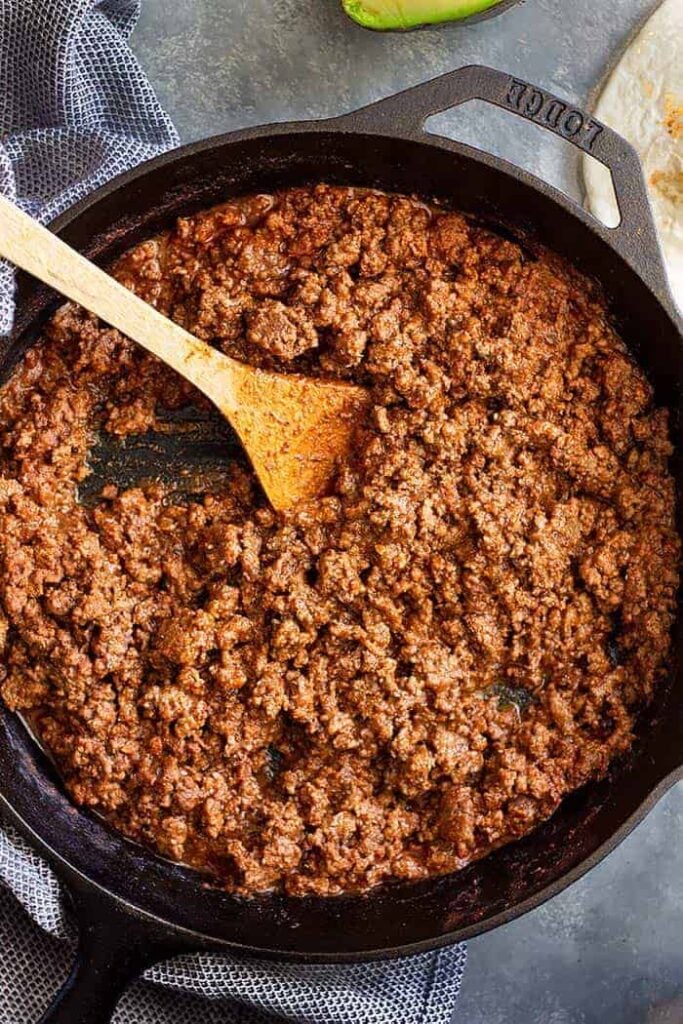
1. Classic Ground Beef with Homemade Taco Seasoning
Ground beef tacos are a reliable choice for your taco bar. You can make them in about 30 minutes with simple ingredients.
Brown one pound of ground beef in a skillet over medium heat. Drain the fat when the meat is fully cooked.
Mix your own taco seasoning with chili powder, cumin, paprika, garlic powder, and onion powder. Add it to the beef with a bit of water and simmer for five minutes.
This homemade approach gives you control over the spice level and flavor.

2. Grilled Cilantro Lime Chicken
Grilled cilantro lime chicken brings bright, fresh flavors to your taco bar. The marinade combines lime juice, cilantro, and garlic to create tender, flavorful meat.
You can use chicken breasts or thighs for this option. Thighs stay juicier on the grill and take about 10 minutes to cook.
Make the marinade ahead of time and let your chicken sit in it for at least 30 minutes. After grilling, slice the chicken into strips.
Your guests can pile it into tortillas with toppings like pico de gallo, cheese, and avocado.
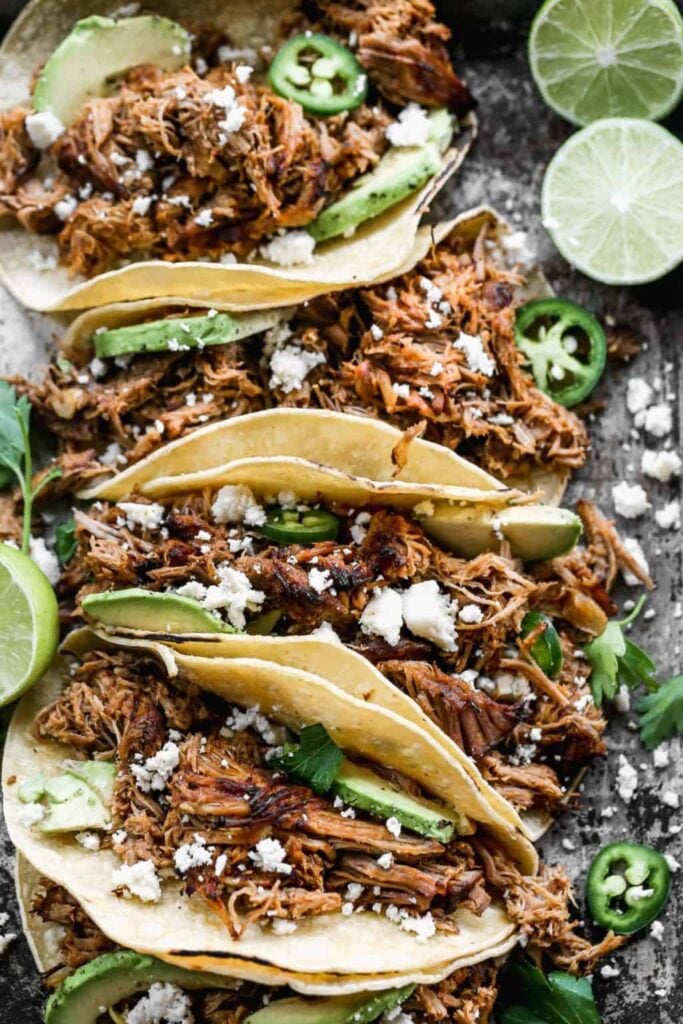
3. Carnitas Slow-Cooked Pork
Carnitas brings rich, tender pork to your taco bar. You slow-cook pork shoulder for several hours until it falls apart easily.
After cooking, shred the pork into pieces. Then crisp it up under the broiler or in a hot skillet for golden, crunchy edges while keeping the inside moist.
Season your carnitas with citrus and spices for authentic taste. Use a slow cooker, oven, or pressure cooker to make this dish.

4. Spicy Chipotle Shrimp
Chipotle shrimp brings smoky heat to your taco bar. Marinate the shrimp in chipotle peppers and spices, then cook them quickly on the stove or grill.
The prep takes about 15 minutes, making this option perfect for busy nights. Your guests can build their tacos with warm tortillas and top them with cabbage slaw, avocado, and cilantro.
The spicy flavor pairs well with cooling toppings like sour cream or a squeeze of lime juice.

5. Vegetarian Black Bean and Corn Mix
Black bean and corn mix makes a protein-rich taco filling that satisfies vegetarians and meat-eaters. Prepare this option in under 30 minutes using canned black beans, sweet corn, and Mexican spices.
Season the mixture with cumin, chili powder, and garlic for bold flavor. The beans provide protein while the corn adds natural sweetness.
Set out toppings like shredded cheese, avocado, salsa, and cilantro. Your guests can customize their tacos based on their preferences.
This filling works well in both soft flour tortillas and crispy corn shells.

6. Fresh Pico de Gallo
Pico de gallo brings bright, fresh flavor to any taco bar. You only need five basic ingredients: tomatoes, onions, cilantro, jalapeño, and lime juice.
This simple salsa takes just minutes to prepare. Dice your tomatoes and onions into small pieces.
Chop the cilantro and jalapeño, then mix everything together with fresh lime juice. The result is a zesty topping that works on any taco.
Your guests can also scoop it up with chips while they wait.

7. Creamy Guacamole with Lime and Cilantro
Fresh guacamole brings bright flavor to your taco bar. You only need ripe avocados, lime juice, cilantro, diced onion, and salt to make this classic dip.
Mash your avocados in a bowl until you reach your preferred texture. Mix in fresh lime juice to add tanginess and prevent browning.
Chop cilantro and onion, then fold them into the mashed avocado. Add salt to taste and adjust the lime if needed.
You can also include diced tomatoes or jalapeños for extra flavor and heat.

8. Roasted Corn Salsa
Roasted corn salsa adds a sweet and smoky element to your taco bar. The charred corn kernels bring out natural sugars while developing a deeper flavor profile.
You can make it with fresh or frozen corn. Mix in diced red onion, fresh cilantro, and lime juice for brightness.
Add roasted poblano peppers if you want a mild smoky heat. This salsa works well on any taco variety.
Guests appreciate having a lighter, vegetable-based topping option alongside heavier ingredients.

9. Shredded Cheddar and Cotija Cheese
Cheese adds richness and flavor to any taco. Offer at least two types for your guests.
Shredded cheddar is a classic choice that melts easily and tastes familiar to most people. You can use sharp or mild cheddar based on your preference.
Cotija cheese brings authentic Mexican flavor to your taco bar. This crumbly white cheese has a salty taste and doesn’t melt like cheddar.
It stays firm on hot tacos and adds a nice contrast in texture. Place both cheeses in separate bowls so guests can choose one or mix them together.

10. Pickled Red Onions
Pickled red onions add a tangy crunch that balances rich taco fillings. Make them with just red onions, vinegar, salt, sugar, and water.
The pickling process removes the sharp bite of raw onions. The vinegar softens them while adding a pleasant tang that cuts through fatty meats and creamy toppings.
They’re ready in about 30 minutes and last for weeks in your fridge. The bright pink color also makes your taco bar look more appealing.
Key Elements Of A Successful Taco Bar
A great taco bar needs the right mix of proteins, fresh toppings, and smart setup. When you get these basics right, your guests can create tacos they’ll love.
Essential Ingredients And Toppings
Your taco bar needs proteins as the foundation. Offer 2-3 options like seasoned ground beef, shredded chicken, or grilled fish.
Include at least one vegetarian choice such as black beans or roasted vegetables. Plan for 5-7 different toppings to give your guests enough variety.
Fresh ingredients work best and should include:
- Shredded cheese (cheddar or Mexican blend)
- Diced tomatoes
- Shredded lettuce
- Sour cream
- Guacamole or sliced avocado
- Salsa (mild and hot)
- Diced onions and cilantro
Add pickled jalapeños, lime wedges, and hot sauce for guests who want extra flavor. Keep creamy toppings like sour cream and guacamole in separate bowls so they stay fresh.
Serving And Assembly Strategies
Set up your taco bar in a logical order that matches how people build tacos. Start with plates and shells, then proteins, followed by toppings from heaviest to lightest, and finish with sauces.
Use separate serving spoons for each topping to prevent mixing flavors. Label each item clearly so guests know what they’re choosing.
Keep warm items like proteins and tortillas away from cold toppings. Arrange everything at a comfortable height where people can reach easily.
Place the bar against a wall or use a long table so traffic flows in one direction. This prevents crowding and keeps the line moving smoothly.
Prepare toppings ahead of time and store them in the refrigerator until you’re ready to serve.
Creative Presentation And Atmosphere
The way you arrange your taco bar and set the mood affects how much guests enjoy the experience. Smart layout choices and themed decorations turn a simple meal station into an engaging centerpiece.
Table Decor And Display Tips
Use tiered serving stands to create height variation on your table. This makes toppings easier to see and grab while saving valuable table space.
Place bowls at different levels so guests can view all options at once. Label each ingredient with small chalkboard signs or printed cards.
This helps guests identify unfamiliar toppings and moves the line along faster. Include any allergen information on these labels.
Color-coded serving bowls add visual appeal to your spread. Use bright ceramics or colorful paper bowls that match your party palette.
Arrange them in a logical order from proteins to toppings to sauces. Keep cold items in bowls set over ice or use chilled serving platters.
Hot proteins work best in slow cookers or chafing dishes to maintain proper temperature throughout your event.
Themed Party Inspiration
Mexican fiesta themes call for papel picado banners, bright serapes as table runners, and small cacti as centerpieces. Add colorful paper flowers and string lights for authentic atmosphere.
For game day parties, use team colors in your napkins and serving ware. Set up multiple smaller taco stations to prevent congestion during halftime rushes.
Birthday celebrations benefit from personalized taco bar signs and balloons in the birthday person’s favorite colors. You can even create a fun backdrop for photo opportunities near the food station.
Halloween taco bars work with orange and black decorations, skull-shaped serving dishes, and creative names for your toppings like “Zombie Guacamole” or “Spooky Slaw.”
Frequently Asked Questions
What are the key components to setting up an impressive taco bar for large gatherings?
You need to provide both soft flour tortillas and hard corn shells to give your guests options. Your protein selection should include at least two to three choices to accommodate different tastes and dietary needs.
Set up your taco bar in a logical flow. Place plates and tortillas first, followed by proteins, then toppings arranged from cold to hot items.
Include essential base toppings like shredded lettuce, diced tomatoes, and shredded cheese. Add sour cream, guacamole, and multiple salsa varieties for variety.
Plan for about three to four tacos per person when calculating quantities. This ensures you have enough food without excessive waste.
How can I season my taco meat to create a unique and memorable flavor experience?
Start with basic taco seasoning that includes chili powder, cumin, garlic powder, and paprika. Adjust the ratios to match your preferred spice level.
Add smoked paprika or chipotle powder to create deeper, smokier flavors. Fresh lime juice and cilantro brighten the taste and add freshness.
For ground beef, brown the meat completely before adding seasonings with a small amount of water. This helps the spices coat the meat evenly and prevents dryness.
Try adding coffee grounds or cocoa powder in small amounts for a unique depth of flavor. These ingredients enhance the savory notes without making the meat taste sweet.
Season your meat generously and taste as you cook. You can always add more seasoning, but you cannot remove it once added.
What are some creative taco topping ideas to elevate a standard taco bar?
Add pickled red onions or jalapeños for tangy, bright flavors that cut through rich meats. These toppings add both color and acidity to your spread.
Include a variety of salsas beyond basic red salsa. Offer pineapple salsa, mango salsa, or corn salsa for sweet and savory options.
Provide crumbled cotija cheese or queso fresco alongside standard shredded cheese. These Mexican cheeses add authentic flavor and creamy texture.
Set out sliced radishes, pickled carrots, and fresh cilantro for guests who want fresh, crunchy elements. Lime wedges are essential for squeezing over finished tacos.
Consider adding crispy elements like tortilla strips or crushed chips. These add texture and make each bite more interesting.
Can you provide guidance on how to serve a taco bar at a birthday party effectively?
Set up the taco bar on a long table with clear traffic flow from one end to the other. This prevents bottlenecks and keeps the line moving smoothly.
Label each item clearly with small cards or signs. This helps guests with allergies identify safe options and makes the buffet look organized.
Keep hot items in slow cookers or chafing dishes to maintain proper temperature throughout the party. Cold items should stay on ice or in refrigerated serving containers.
Arrange toppings in small bowls with individual serving spoons to prevent cross-contamination. Place napkins and plates at both the beginning and end of the line.
Consider setting up a kids’ section at a lower height with milder proteins and simple toppings. This makes it easier for children to serve themselves.
What side dishes complement a taco bar and enhance the overall dining experience?
Mexican rice makes an excellent side dish that fills out the meal and absorbs extra sauce. Serve it warm in a large bowl with a serving spoon.
Refried beans or black beans provide protein and fiber. These also add authentic Mexican flavors and can work as taco fillings.
Chips and dip are essential additions to any taco bar. Offer fresh tortilla chips with guacamole, queso dip, or bean dip.
Mexican street corn (elote) adds a fresh, sweet element that balances spicy proteins. Serve it on the cob or cut off as a salad.
A simple green salad with lime vinaigrette provides a light, refreshing option. This gives guests a break from heavier, richer foods.
Could you suggest a variety of taco toppings suitable for diverse dietary preferences?
Provide multiple protein options, including a vegetarian black bean and corn mix for guests who do not eat meat.
Offer dairy-free alternatives like cashew cream or avocado crema instead of sour cream. These options suit lactose-intolerant guests and vegans.
Keep raw vegetable toppings separate from proteins to prevent cross-contamination. This approach helps vegetarians and people with food allergies.
Include gluten-free corn tortillas alongside flour tortillas. Clearly label which proteins contain gluten in their seasonings or marinades.
Set out mild and spicy versions of salsas and hot sauces. This allows guests to control their heat level based on their spice tolerance.