
Ethiopian food offers a mix of bold spices, rich stews, and unique breads that set it apart from other cuisines. The dishes rely on special spice blends and traditional cooking methods that create deep, layered flavors.
You don’t need exotic skills to make these meals at home. These recipes show you how to prepare authentic Ethiopian dishes using ingredients you can find at most grocery stores or online.
You’ll learn to make everything from spicy chicken stews to tangy flatbreads. The techniques are simple once you understand the basics of Ethiopian cooking, like how to build flavor with berbere spice or work with teff flour.
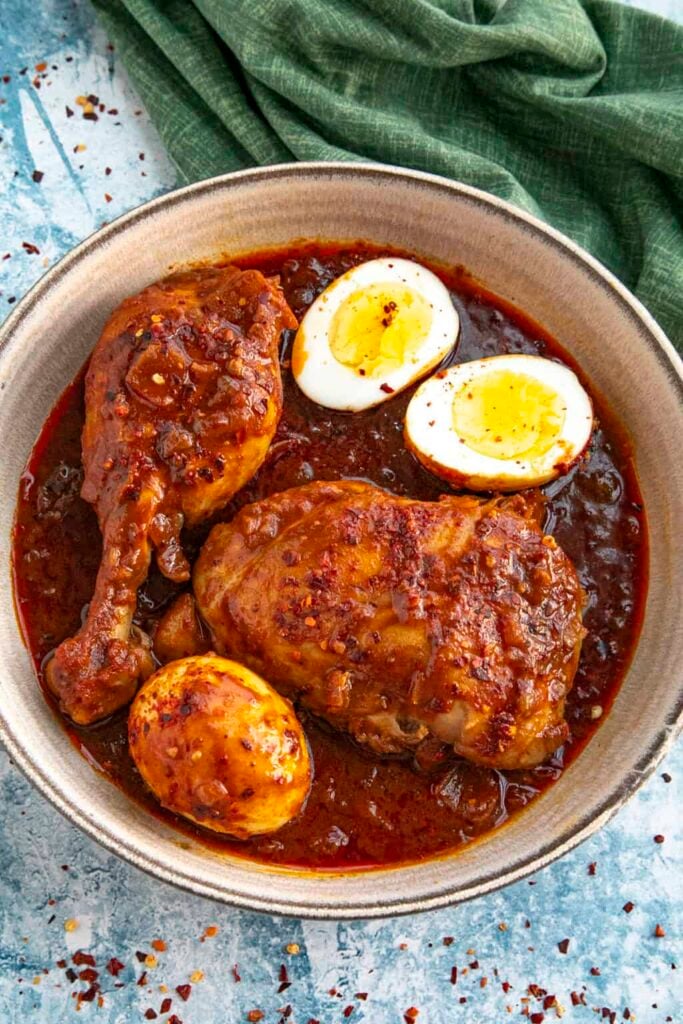
1. Doro Wat – Spicy chicken stew with berbere and hard-boiled eggs
Doro Wat is Ethiopia’s most famous chicken dish. You’ll find tender chicken pieces simmered in a rich, red sauce made with berbere spice blend.
The stew gets its deep flavor from slow-cooked onions, garlic, and ginger. Hard-boiled eggs cook in the sauce, soaking up all the spices.
You traditionally serve this dish with injera, a spongy flatbread. The berbere spice mix gives the stew its signature heat and complex flavor.

2. Kitfo – Ethiopian steak tartare seasoned with mitmita and niter kibbeh
Kitfo is a traditional Ethiopian dish made with raw minced beef. The meat is mixed with niter kibbeh, which is clarified butter flavored with spices.
You’ll also taste mitmita, a spicy blend that includes pili-pili pepper. This dish comes from the Gurage people of Ethiopia.
You can eat kitfo raw or lightly cooked, depending on your preference. It’s typically served with injera, a sourdough flatbread, and ayib, a mild fresh cheese that balances the spicy flavors.
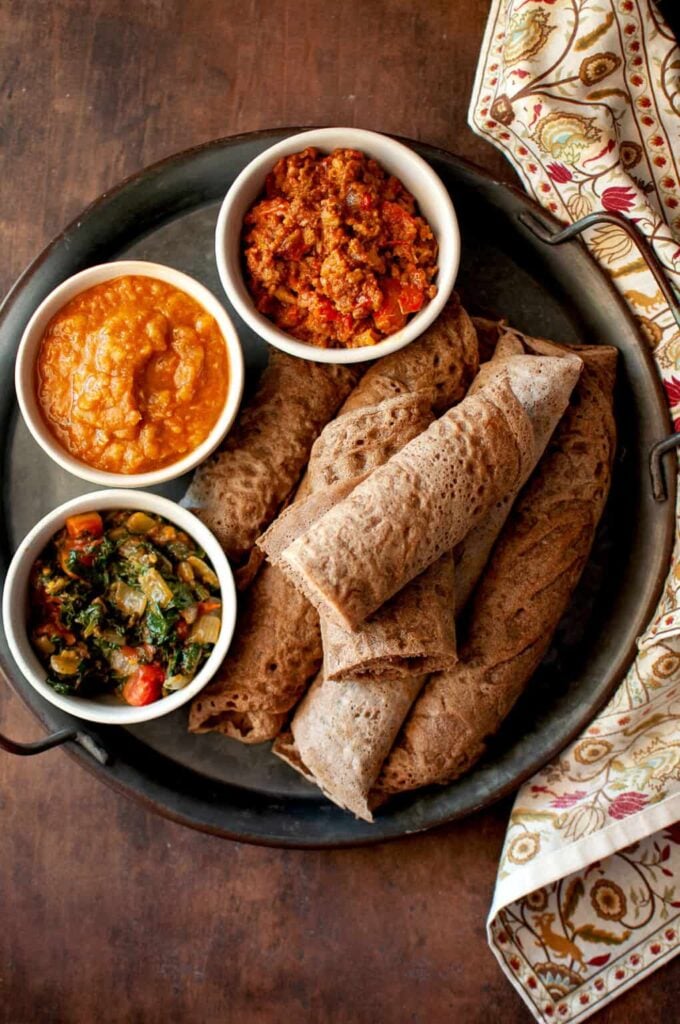
3. Injera – Traditional sourdough flatbread made from teff flour
Injera is a soft, spongy flatbread that sits at the center of Ethiopian meals. You make it from teff flour, a gluten-free grain native to Ethiopia that’s rich in protein and minerals.
The bread gets its signature tangy flavor and light texture from fermentation. This process takes a few days as the batter develops its sourdough qualities.
When cooked, injera forms small bubbles that create its unique spongy texture. You’ll use it as both your plate and utensil, tearing off pieces to scoop up stews and other dishes.
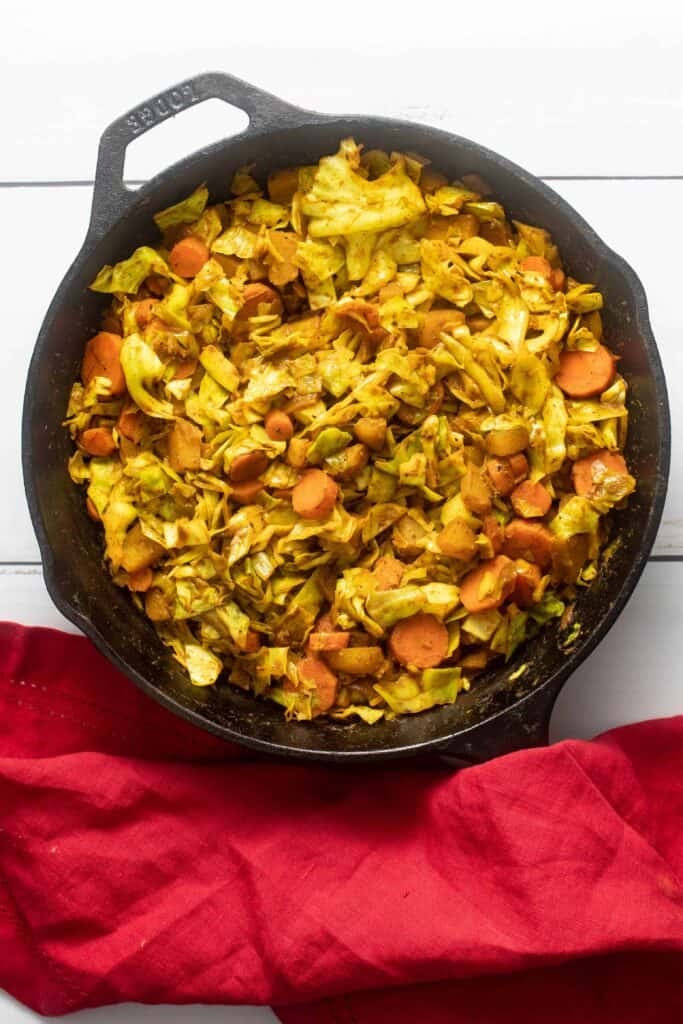
4. Atakilt Wat – Spiced cabbage, potatoes, and carrots stew
Atakilt Wat is a simple Ethiopian vegetable dish that takes about 30 minutes to make. You cook cabbage, potatoes, and carrots together with warm spices like turmeric, cumin, and ginger.
The vegetables simmer until they become soft and tender. The dish gets its special flavor from berbere, a traditional Ethiopian spice blend.
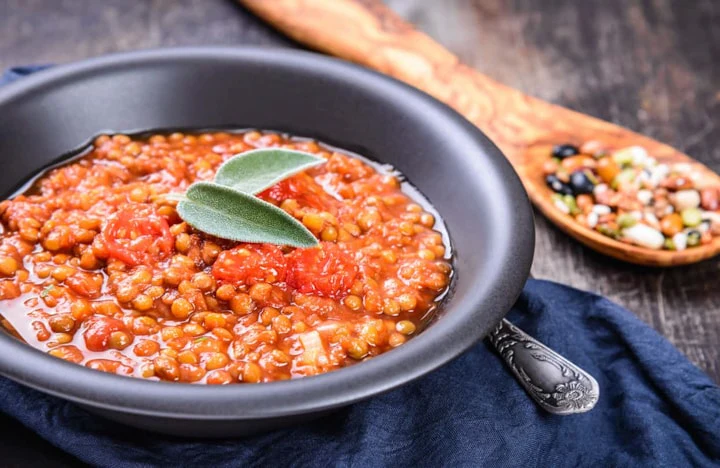
5. Misir Wat – Red lentil stew simmered in berbere sauce
Misir Wat is a classic Ethiopian lentil stew you’ll find at nearly every Ethiopian restaurant. Red lentils cook down until tender in a rich berbere-spiced sauce.
The dish starts with caramelized onions cooked in niter kibbeh, Ethiopia’s spiced clarified butter. Garlic and tomato paste add depth before berbere spice creates the stew’s signature warmth and complexity.
You can serve Misir Wat with injera bread for scooping, or enjoy it over rice.

6. Tibs – Sautéed meat cubes with onions and peppers
Tibs is a classic Ethiopian stir-fry that brings together tender meat cubes with bold spices. You cook the dish by sautéing beef or lamb in clarified butter with onions, peppers, garlic, and ginger.
The key flavor comes from berbere, a spice blend that adds heat and depth. You cut the meat into small cubes and season it before cooking in a hot skillet.
The dish comes together quickly, making it perfect for weeknight meals. You can adjust the spice level to match your taste preferences.
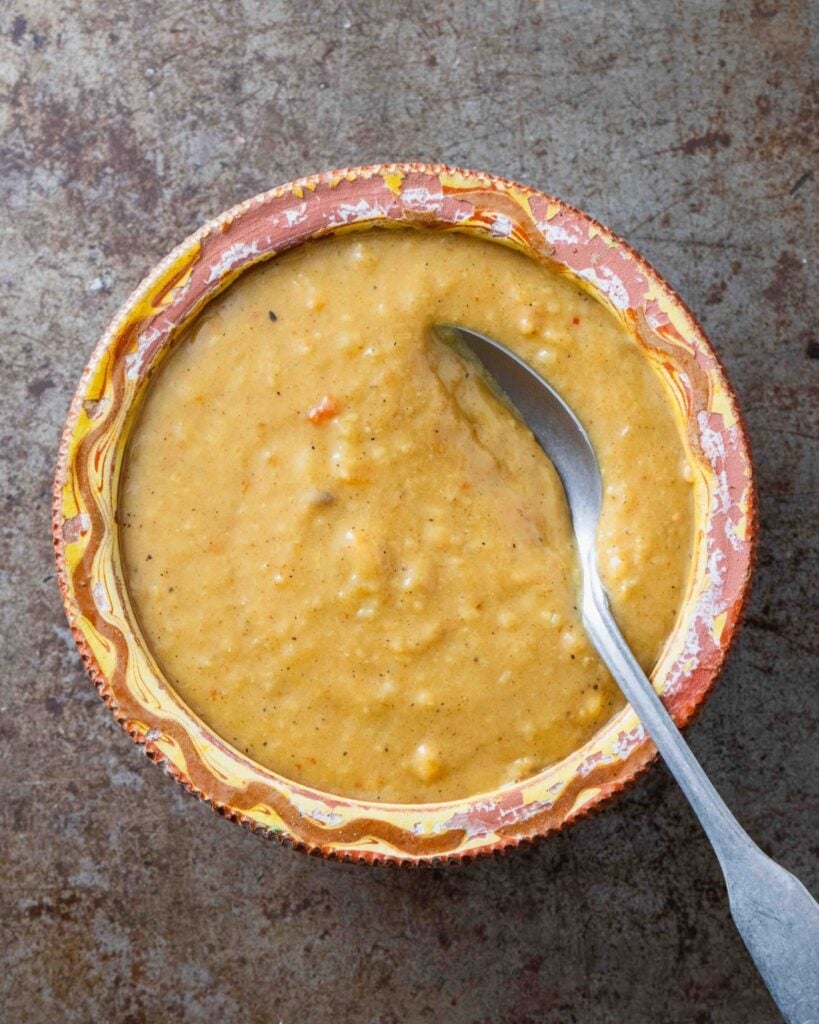
7. Shiro Wat – Chickpea flour stew flavored with garlic and spices
Shiro Wat is a foundational dish in Ethiopian cooking. You make it by cooking chickpea flour with onions, garlic, and berbere spice blend.
The stew has a smooth, creamy texture with a nutty flavor. The berbere adds warmth and aromatic depth to each bite.
You can serve this vegan stew with injera or rice.
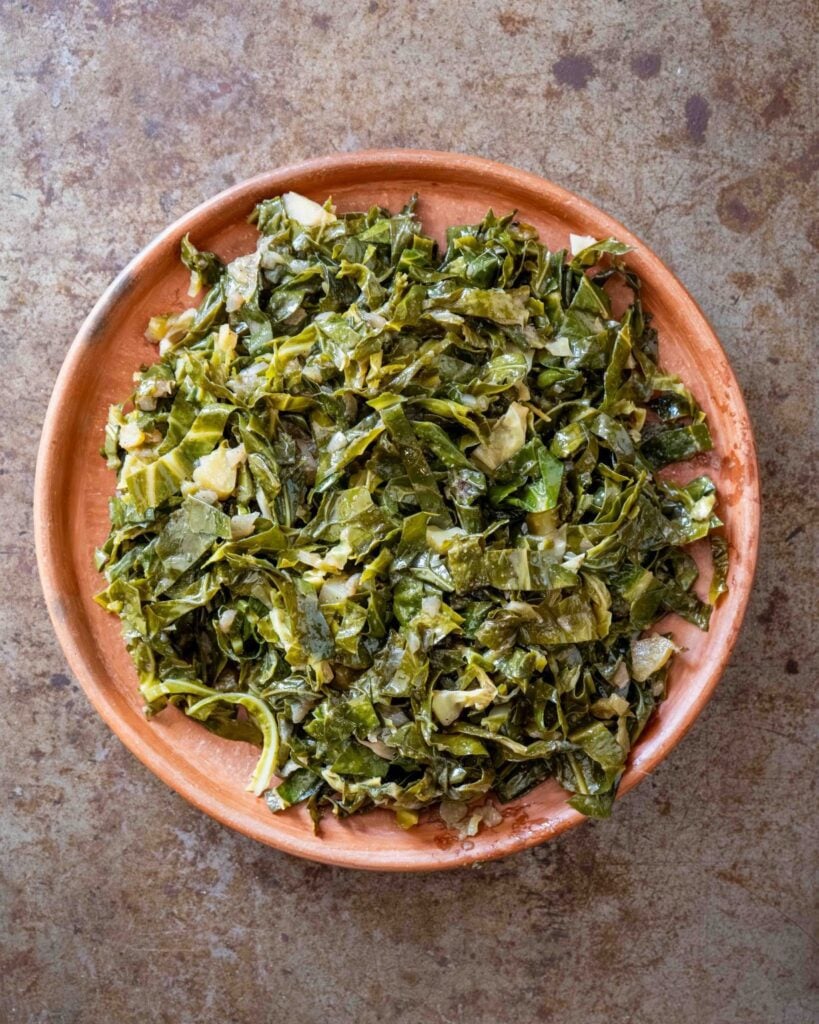
8. Gomen – Stewed collard greens with garlic and ginger
Gomen is a staple Ethiopian side dish that turns simple collard greens into something flavorful. You cook the greens with garlic, ginger, and onions until they become tender.
The dish gets its authentic taste from niter kibbeh, which is Ethiopian spiced clarified butter. You can make it in about 30 minutes.
The greens simmer until soft and take on the flavors of the spices. You’ll serve gomen alongside injera and other Ethiopian dishes.
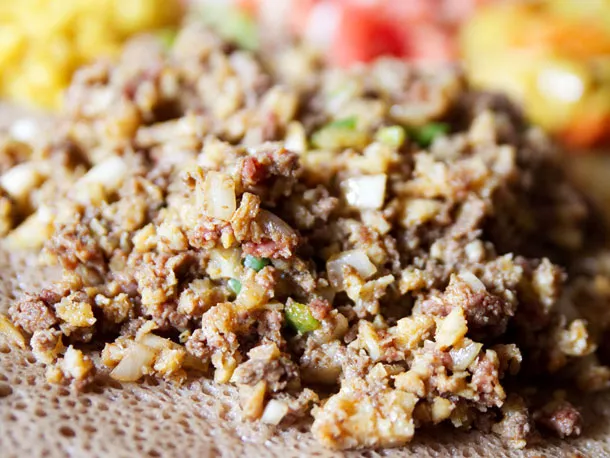
9. Dulet – Spicy tripe and liver dish
Dulet is a bold Ethiopian dish that combines chopped tripe and liver with aromatic spices. The meat is cooked with onions, garlic, and traditional seasonings like berbere and mitmita spice blends.
This dish delivers rich flavors and unique textures that meat lovers appreciate. You can make it with beef or lamb organs, depending on your preference.
Dulet is typically served hot alongside injera bread.
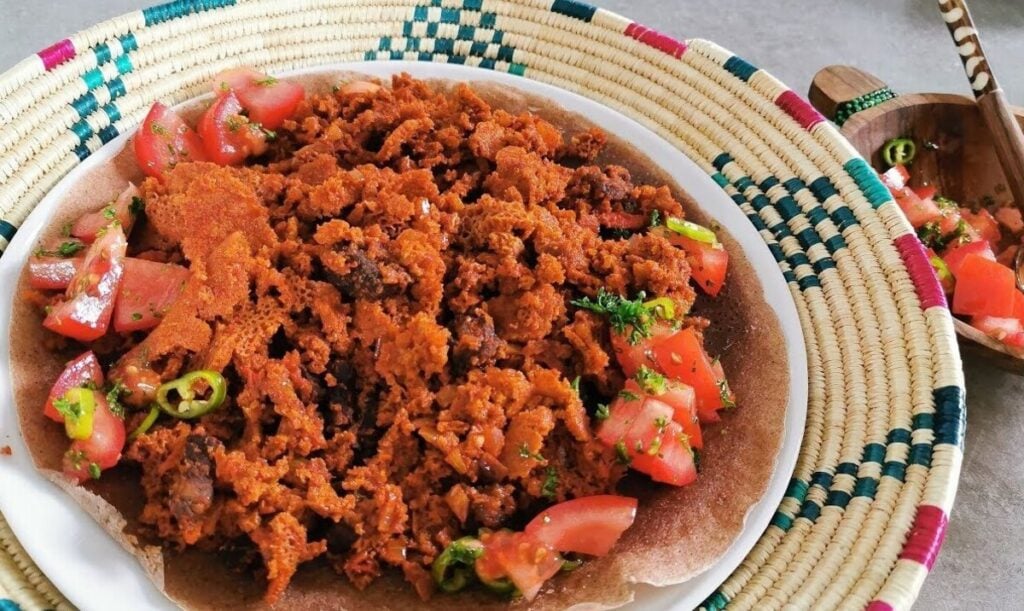
10. Firfir – Shredded injera mixed with spicy sauce
Firfir transforms leftover injera into a satisfying meal. You tear the flatbread into small pieces and mix it with berbere-spiced sauce.
The injera soaks up the spicy, tangy flavors while keeping its soft texture. This dish appears on breakfast tables across Ethiopia, though you can enjoy it any time of day.
The berbere spice blend gives it a warm, spicy kick. Some versions include vegetables or dried beef for extra flavor and protein.
You’ll find firfir quick to make with simple ingredients you likely have on hand.
Essential Ingredients and Cooking Techniques
Ethiopian cooking stands apart because of its unique spice blends and preparation methods. The right ingredients and tools transform simple meals into authentic dishes with bold, layered flavors.
Key Spices in Ethiopian Cuisine
Berbere forms the backbone of Ethiopian cooking. This complex spice blend combines chile peppers, fenugreek, coriander, cardamom, black pepper, cinnamon, cumin, and other spices.
You’ll use it in stews, meat dishes, and vegetable preparations. Mitmita offers a simpler but spicier alternative.
It contains bird’s eye chiles, cardamom, cloves, and salt. This blend works well as a finishing spice or for seasoning raw meat dishes.
Korarima (Ethiopian cardamom) adds a distinct smoky flavor. It’s milder than green cardamom and appears in both savory dishes and coffee ceremonies.
You’ll also need quality turmeric, ajwain seeds, and nigella seeds. These spices build depth in Ethiopian recipes.
Traditional Cooking Tools
A mitad is the flat clay griddle used for making injera. You can substitute a non-stick skillet or crepe pan for home cooking.
Shakla dist (clay pots) distribute heat evenly for slow-cooked stews. Heavy-bottomed pots or Dutch ovens work as good alternatives in your kitchen.
The jebena is a traditional clay coffee pot with a long neck and spout. While important for coffee ceremonies, it’s optional for making Ethiopian food.
A mortar and pestle helps you grind whole spices fresh. This releases more flavor than pre-ground spices.
A spice grinder also works well for making berbere and other blends.
Mastering Berbere and Niter Kibbeh
Niter kibbeh is Ethiopian spiced butter. You make it by melting butter with garlic, ginger, onions, turmeric, cardamom, fenugreek, and other spices.
Simmer everything slowly, then strain out the solids. The clarified butter keeps for months in your refrigerator.
To make berbere, toast whole spices in a dry pan first. This step releases essential oils and deepens the flavor.
Grind the toasted spices with dried chiles and other ingredients. Store your berbere in an airtight container away from light.
Both ingredients need time and attention. Making them from scratch gives you control over heat levels and flavor profiles.
Start with small batches until you find the blend you prefer.
Serving and Enjoying Ethiopian Meals
Ethiopian dining revolves around communal eating from a shared platter, with injera serving as both plate and utensil. Understanding these traditions helps you appreciate the social and cultural aspects that make Ethiopian cuisine special.
The Significance of Injera
Injera is a spongy, slightly sour flatbread that forms the foundation of almost every Ethiopian meal. You use pieces of injera to scoop up stews, vegetables, and meat dishes instead of using forks or spoons.
The bread is made from teff flour, which gives it a unique tangy flavor and soft texture. Traditional preparation requires several days of fermentation before cooking on a large griddle called a mitad.
Most Ethiopian meals are served directly on top of a large injera that covers the entire platter. This base layer soaks up the flavorful sauces and becomes part of the meal itself.
You tear off smaller pieces of injera from the sides to pick up the food.
Ethiopian meals bring people together around one large communal plate. Everyone sits around the same platter and eats with their right hand, creating a sense of unity and connection.
A special tradition called gursha involves feeding someone else from the shared plate as a sign of respect and friendship. You might offer a hand-rolled bite to an honored guest or close friend during the meal.
You should wash your hands before eating since you’ll be using them instead of utensils. Many Ethiopian restaurants provide hand-washing stations or bring water pitchers to your table.
Pairing Foods and Beverages
Traditional Ethiopian beverages complement the bold, spicy flavors of the cuisine:
- Tej: A honey wine with a sweet, slightly fermented taste
- Tella: A home-brewed beer made from barley or wheat
- Ethiopian coffee: Strong, aromatic coffee served in a traditional ceremony
You can also pair Ethiopian food with red wine or beer if you prefer familiar options. The mild carbonation in beer helps balance the heat from spicy dishes like doro wat.
Coffee holds special importance in Ethiopian culture. The coffee ceremony involves roasting, grinding, and brewing beans while guests gather together.
This ritual often follows a meal and provides time for conversation and connection.
Frequently Asked Questions
Ethiopian cooking raises many practical questions about ingredients, preparation methods, and which dishes work best for different occasions.
What are some traditional Ethiopian dishes for a vegetarian diet?
Ethiopian cuisine offers many naturally vegetarian options. Misir Wat is a red lentil stew cooked with berbere spice that provides protein and rich flavor.
Atakilt Wat combines cabbage, potatoes, and carrots in a spiced stew. Shiro is another popular choice made from ground chickpeas or beans.
You can enjoy these dishes with injera, which is vegan when made traditionally from teff flour and water.
How do you prepare authentic Misir Wot?
Start by cooking diced onions in a dry pan until they soften and brown. Add berbere spice blend and tomato paste to create a flavorful base.
Mix in rinsed red lentils with water or vegetable broth. Simmer the mixture for 20 to 30 minutes until the lentils become tender.
Stir in garlic, ginger, and a small amount of oil or vegan butter. The stew should be thick enough to scoop with injera.
Where can I find a comprehensive Ethiopian food recipe website?
Many cooking websites now feature Ethiopian recipe collections. You can find detailed instructions for traditional dishes on general recipe sites and food blogs that focus on international cuisine.
Look for sites that explain the key spice blends and ingredients. The best resources include photos of each step and offer substitution options for hard-to-find ingredients.
What is a simple Ethiopian chicken dish I can make for dinner?
Doro Wat is the most popular Ethiopian chicken dish. You cook chicken pieces in a sauce with berbere spice, onions, and niter kibbeh (spiced butter).
Add hard-boiled eggs near the end of cooking. The dish takes about an hour to prepare.
You can adjust the spice level by using less berbere if you prefer milder flavors.
Can you recommend easy Ethiopian recipes for beginners?
Atakilt Wat is one of the easiest Ethiopian dishes to start with. It uses common vegetables and basic spices that you can find in most grocery stores.
Misir Wat is another beginner-friendly option that requires simple ingredients and straightforward cooking steps. You can serve these dishes with rice if you’re not ready to make injera yet.
What are some classic Ethiopian recipes that are essential for a dinner party?
Doro Wat is the centerpiece of Ethiopian celebrations and dinner parties.
Kitfo, a seasoned steak tartare made with mitmita spice and niter kibbeh, offers a unique experience for adventurous guests.
Serve multiple vegetarian dishes like Misir Wat and Atakilt Wat alongside the meat options.
This variety lets your guests try different flavors and accommodates different dietary needs.
Fresh injera creates an authentic presentation.