
You don’t have to give up dessert to meet your protein goals. High protein desserts let you enjoy sweet treats while supporting your body’s nutritional needs.
These recipes combine ingredients like Greek yogurt, nut butters, eggs, and protein powder to create satisfying desserts that taste great. High protein desserts help you stay fuller longer, support muscle recovery, and provide a healthier option compared to traditional sugary treats.
Whether you prefer chocolate brownies, creamy puddings, or frozen treats, you can add extra protein to your favorite sweets. You’ll find options for every taste, from simple no-bake energy balls to rich cheesecake bites.
This collection includes both classic desserts with a protein boost and creative new recipes designed to maximize nutrition without sacrificing flavor. You’ll also learn about the benefits of adding more protein to your desserts and get practical tips for creating your own high protein treats at home.
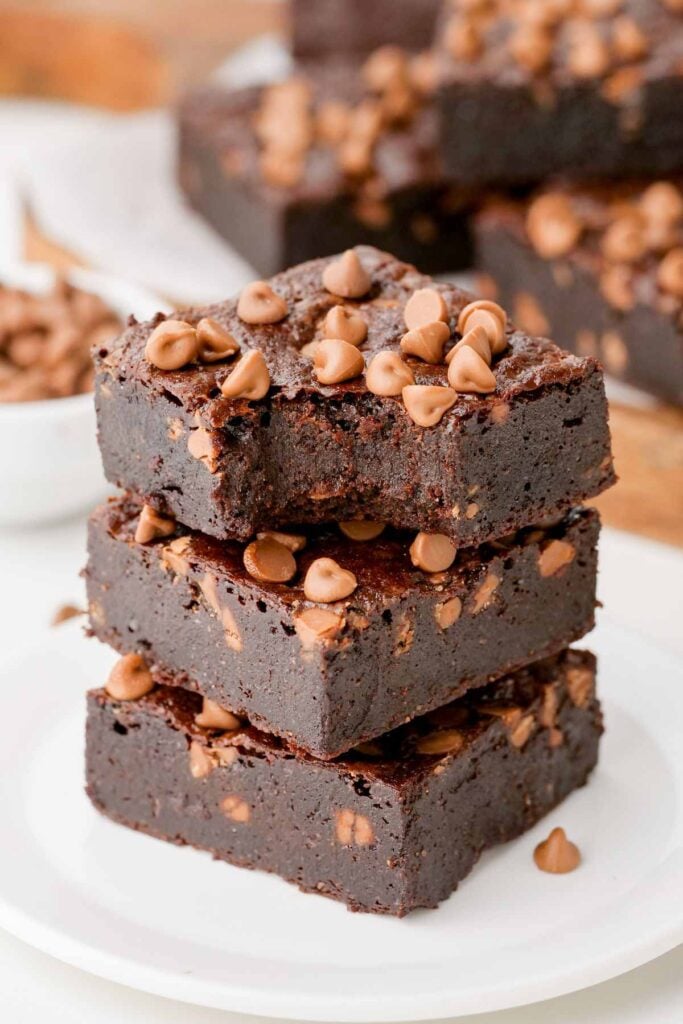
1. Chocolate Protein Brownies
Chocolate protein brownies satisfy your sweet tooth while adding protein to your diet. These brownies are typically flourless and made with protein powder, cocoa powder, and basic ingredients like nut butter or Greek yogurt.
You can expect about 7 to 15 grams of protein per brownie depending on the recipe. Most versions are gluten-free and require minimal prep time.
The texture is fudgy and rich, similar to traditional brownies. Enjoy them as a post-workout snack or a healthier dessert option when you want something chocolatey.
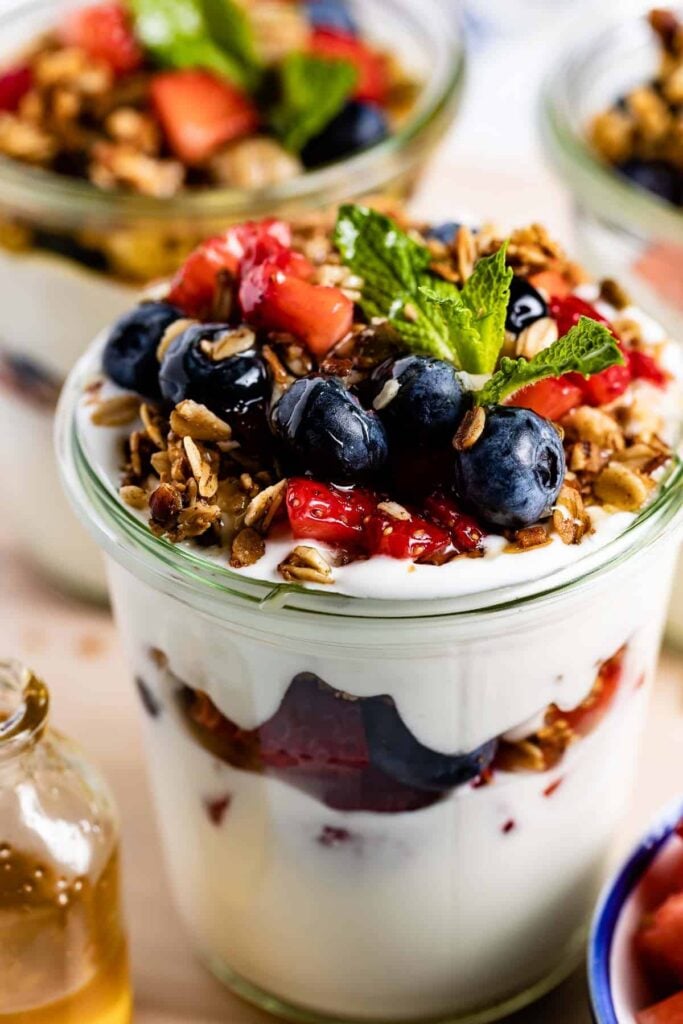
2. Greek Yogurt Protein Parfait
Greek yogurt parfaits deliver protein without requiring any cooking skills. Layer Greek yogurt with fresh berries and granola in just five minutes.
Each serving typically provides 18-30 grams of protein, depending on your yogurt choice. The protein comes mainly from the Greek yogurt, which has more protein than regular yogurt.
Customize your parfait with different fruits, nuts, or seeds. Add a drizzle of honey if you want extra sweetness.
This dessert works well for meal prep since you can make several portions ahead of time.

3. Peanut Butter Protein Cookies
Peanut butter protein cookies are simple to make and pack a good amount of protein in each serving. Most recipes need only 3-5 ingredients, including peanut butter, eggs, and your choice of protein powder.
Use whey, casein, or plant-based protein powder depending on your needs. These cookies work well as a post-workout snack or when you need a quick protein boost.
The basic recipe takes about 20-25 minutes from start to finish. You don’t need flour, which makes them naturally gluten-free.
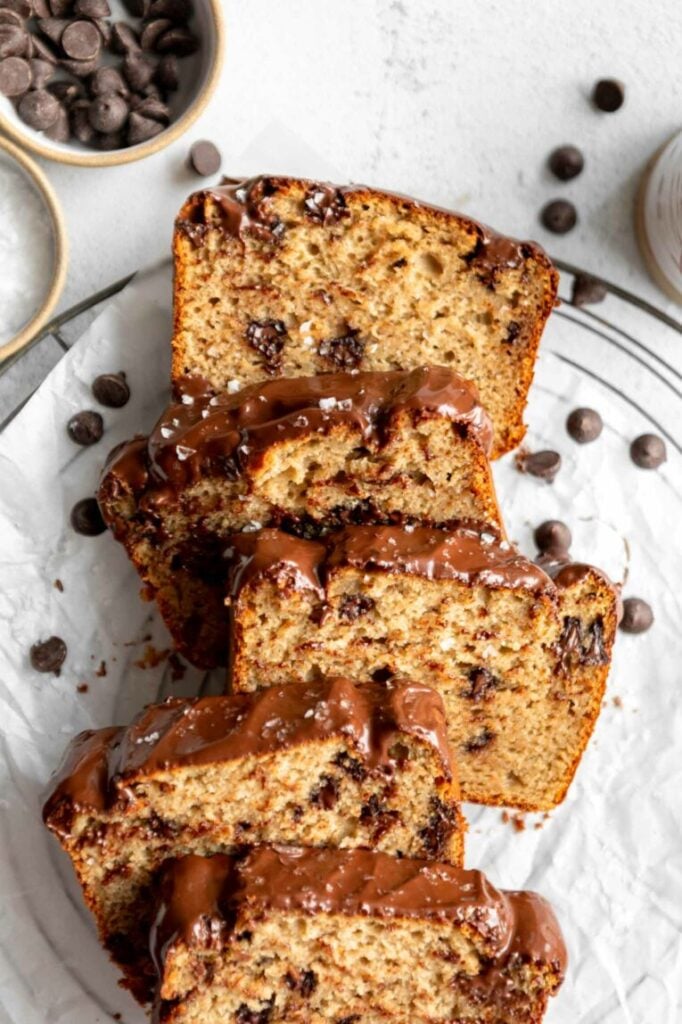
4. Protein-Packed Banana Bread
Banana bread becomes a smart dessert choice when you add protein powder, Greek yogurt, or cottage cheese to the batter. You can get 10 to 25 grams of protein per slice depending on your recipe.
The ripe bananas keep the bread moist while providing natural sweetness. This lets you cut back on added sugar.
Enjoy protein banana bread as a post-workout snack or a filling breakfast. Store it in the fridge for up to a week or in the freezer for longer.

5. High-Protein Chocolate Mousse
High-protein chocolate mousse delivers rich chocolate flavor while packing 15-20 grams of protein per serving. Make it with cottage cheese, Greek yogurt, or silken tofu as your base.
Prepare the recipe in about five minutes. Blend your protein source with cocoa powder or melted chocolate until smooth and creamy.
A food processor or blender creates the best texture. This dessert needs no baking and requires only 4-5 ingredients.
Eat it for breakfast, as a snack, or after dinner to satisfy your sweet tooth.

6. Protein Cheesecake Bites
Protein cheesecake bites offer the creamy taste of regular cheesecake with added protein. Most recipes pack around 4-15 grams of protein per serving.
Make these bites with Greek yogurt or protein powder as the base. They’re small enough to grab as a quick snack after your workout.
Store them in your fridge for several days. Many versions don’t require baking, making them even easier to prepare.

7. Protein-Packed Energy Balls
Protein balls are simple no-bake snacks you can make in under 15 minutes. Mix ingredients like oats, nut butter, protein powder, and seeds in a bowl, then roll them into bite-sized portions.
These energy balls work well for post-workout snacks or afternoon hunger. Store them in your fridge for up to two weeks.
Adjust the recipe based on what you like. Try peanut butter, chocolate chip, or cookie dough flavors.
Each ball gives you protein and energy without much effort.

8. Vanilla Protein Pudding
Vanilla protein pudding offers a simple way to boost your protein intake while enjoying a creamy dessert. Make it with just a few basic ingredients like Greek yogurt and vanilla protein powder.
Most recipes provide around 16 to 30 grams of protein per serving. The texture is smooth and similar to regular pudding.
Customize it by adding mix-ins like nut butter or adjusting the sweetness with honey or maple syrup. It works well as a snack or dessert option.
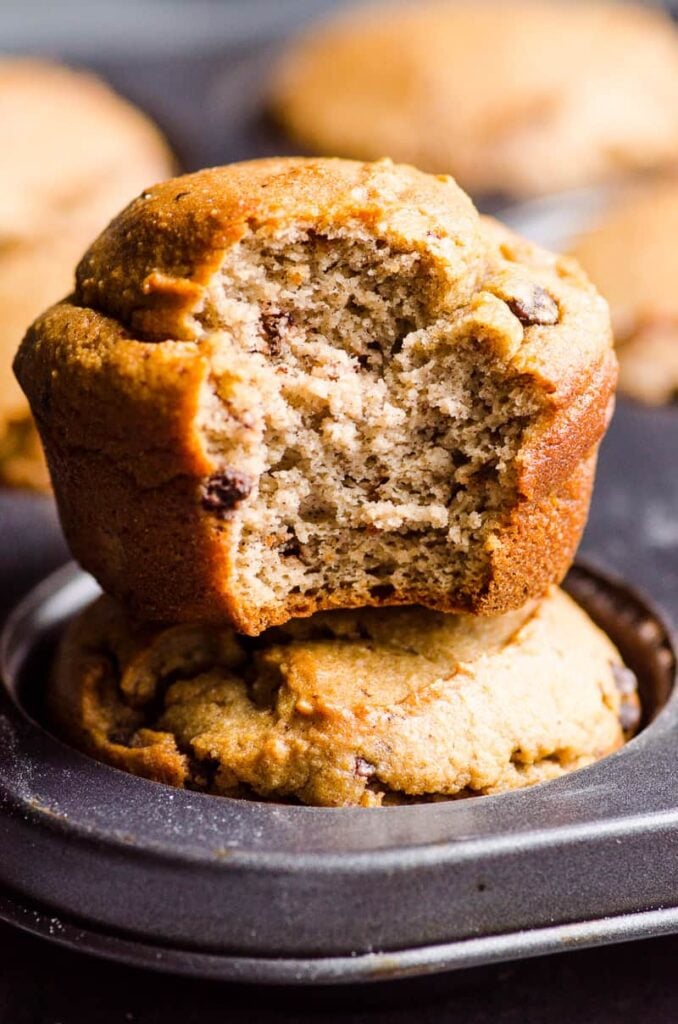
9. Almond Flour Protein Muffins
Almond flour protein muffins give you a gluten-free option that packs more protein than regular muffins. Make them with almond flour and protein powder as the base ingredients.
These muffins work well for breakfast or post-workout snacks. Each muffin typically contains 10-20 grams of protein depending on your recipe.
Add chocolate chips, blueberries, or other mix-ins to change up the flavor. The almond flour keeps these muffins moist while adding healthy fats and extra nutrients.

10. Protein Ice Cream
Protein ice cream gives you a cold, creamy dessert while helping you meet your daily protein needs. Make it with just five simple ingredients like cottage cheese, Greek yogurt, or protein powder.
Each serving typically contains 11 grams of protein or more. You don’t need an ice cream maker to prepare it at home.
Popular flavors include chocolate, vanilla, and strawberry cheesecake. The texture is smooth and light, similar to regular ice cream.
Add fresh fruit or graham crackers for extra taste and texture.
Nutritional Benefits of High Protein Desserts
High protein desserts deliver essential amino acids your body needs while satisfying sweet cravings. They help maintain muscle mass, keep you full longer, and support your fitness goals without sacrificing taste.
Role of Protein in the Diet
Your body uses protein to build and repair tissues throughout the day. Every cell in your body contains protein, from your muscles and bones to your skin and hair.
Protein breaks down into amino acids during digestion. These amino acids then support muscle growth, hormone production, and immune function.
Adults need about 0.8 grams of protein per kilogram of body weight daily. Active individuals often require more.
Key Functions of Dietary Protein:
- Repairs and builds muscle tissue
- Produces enzymes and hormones
- Transports nutrients throughout your body
- Maintains healthy bones and skin
High protein desserts help you meet your daily protein needs in an enjoyable way. They provide 10-20 grams of protein per serving, depending on the recipe.
Supporting Active Lifestyles
Active individuals need extra protein to recover from workouts and maintain muscle mass. Your muscles develop small tears during exercise, and protein helps repair and strengthen them.
Eating protein after physical activity speeds up recovery time. High protein desserts work well as post-workout snacks because they combine protein with carbohydrates your body needs to refuel.
The protein supports muscle repair while satisfying your desire for something sweet. Athletes and regular gym-goers benefit from spreading protein intake throughout the day.
A protein-rich dessert in the evening helps your muscles recover while you sleep. This steady protein supply supports muscle growth better than eating all your protein in one or two meals.
Impact on Satiety and Weight Management
Protein keeps you feeling full longer than carbohydrates or fats alone. When you eat protein-rich desserts, your stomach empties more slowly and sends signals to your brain that reduce hunger.
High protein desserts help prevent late-night snacking. The increased satiety means you’re less likely to reach for additional sweets or snacks after eating.
Studies show that higher protein intake can reduce daily calorie consumption by up to 400 calories without conscious effort. Your body burns more calories digesting protein compared to other nutrients.
This process, called the thermic effect of food, means you use about 20-30% of protein’s calories during digestion. Choosing protein desserts over traditional options supports weight management while letting you enjoy sweet treats.
Tips for Creating Your Own High Protein Desserts
Making your own high protein desserts lets you control ingredients and protein content while keeping flavors you enjoy. The main factors to consider are selecting quality protein sources, keeping your nutrients balanced, and managing sweetness without adding too much sugar.
Choosing Protein Sources
The protein source you pick affects both nutrition and texture in your desserts. Greek yogurt and cottage cheese add 15-20 grams of protein per cup and work well in cheesecakes, mousse, and parfaits.
They bring creaminess without needing heavy cream. Protein powder gives you the most protein per serving, usually 20-25 grams per scoop.
Whey protein dissolves easily and has a mild taste. Plant-based options like pea or brown rice protein work for dairy-free recipes.
Start with half the flour amount in protein powder when adapting regular recipes, since too much can make desserts dry or chalky. Nut butters provide 7-8 grams of protein per serving plus healthy fats.
Peanut butter, almond butter, and cashew butter add richness to cookies, brownies, and energy balls. Egg whites offer pure protein at about 3.6 grams per white and create structure in baked goods.
Balancing Macronutrients
High protein desserts still need some carbs and fats to taste good and have the right texture. Aim for at least 10-15 grams of protein per serving, but don’t cut all fats since they help your body absorb nutrients and improve mouthfeel.
Almond flour and oat flour add fiber while keeping carbs moderate compared to white flour. They also contribute small amounts of protein themselves.
Include sources of healthy fats like nuts, seeds, or avocado to balance the protein and prevent desserts from becoming too dense. A good ratio to target is roughly 30-40% of calories from protein, 30-40% from carbs, and 20-30% from fats.
This keeps desserts satisfying while supporting your protein goals. You can adjust based on your needs, but extreme ratios often result in poor taste or texture.
Sweetening Without Excess Sugar
Natural sweeteners let you reduce refined sugar while maintaining sweetness. Stevia and monk fruit extract have zero calories and don’t spike blood sugar, though they’re very concentrated.
Mix them with other sweeteners to avoid bitter aftertastes. Dates and bananas add natural sweetness plus fiber and nutrients.
One large Medjool date has about 16 grams of natural sugar but also provides potassium and antioxidants. Mashed banana works in cakes, muffins, and nice cream.
Sugar alcohols like erythritol measure cup-for-cup like sugar with minimal blood sugar impact. They can cause digestive issues in large amounts, so start with small servings.
Honey and maple syrup contain vitamins and minerals but still count as added sugars. Use them in moderation at 1-2 tablespoons per recipe.
Frequently Asked Questions
High protein desserts can fit different dietary needs and skill levels. Some recipes work well for weight loss while others make perfect breakfast options or quick treats for beginners.
What are some high protein dessert recipes that are also suitable for weight loss?
Greek Yogurt Protein Parfait works well for weight loss because it combines protein-rich Greek yogurt with fresh berries and a small amount of granola. The protein content keeps you full while the calories stay low.
Chocolate Protein Brownies made with protein powder, egg whites, and cocoa powder give you a chocolate fix without excess calories. You can control the sweetener amount to reduce sugar intake.
High-Protein Chocolate Mousse uses Greek yogurt or cottage cheese as a base instead of heavy cream. This swap cuts calories while boosting protein content significantly.
How can I make high protein desserts without using protein powder?
Greek yogurt provides about 15-20 grams of protein per cup. You can use it in parfaits, mousse, or frozen treats.
Cottage cheese blends smooth in a food processor. It adds protein to cheesecakes and puddings.
Eggs and egg whites boost protein in baked goods like brownies and cookies.
Nut butters like peanut butter or almond butter add both protein and healthy fats to your desserts. Peanut Butter Protein Cookies rely on peanut butter as their main protein source.
What are some easy high protein dessert recipes for beginners?
Greek Yogurt Protein Parfait requires no cooking or special equipment. You just layer Greek yogurt with berries and toppings in a glass or bowl.
Peanut Butter Protein Cookies need only a few ingredients mixed in one bowl. Most recipes use peanut butter, eggs, and a sweetener that you can bake in under 15 minutes.
High-Protein Chocolate Mousse takes just five minutes to blend together. You mix Greek yogurt with cocoa powder and sweetener until smooth.
Which high protein desserts are considered healthy and nutritious?
Protein-Packed Banana Bread uses whole grain flour and ripe bananas for fiber and natural sweetness. Adding Greek yogurt makes it more filling than regular banana bread.
Greek Yogurt Protein Parfait provides probiotics from the yogurt. Fresh berries add antioxidants.
Desserts made with nuts, nut butters, and whole food ingredients offer protein plus healthy fats and minerals.
Can you suggest low calorie dessert recipes that are high in protein?
Chocolate Protein Brownies use applesauce instead of oil to keep calories under 150 per serving. You still get the rich chocolate taste with over 10 grams of protein.
Greek yogurt-based desserts like mousse or parfaits range from 100-200 calories per serving. Using non-fat Greek yogurt and sugar-free sweeteners keeps the calorie count down.
Protein Peanut Butter Cookies made with just peanut butter, egg, and sweetener contain around 80-100 calories each. These flourless cookies deliver protein without excess carbohydrates or fat.
What are some high protein breakfast desserts I can try?
Greek Yogurt Protein Parfait works perfectly as a breakfast dessert with its combination of protein, fruit, and whole grain granola.
The protein content keeps you satisfied until lunch.
You can slice and toast Protein-Packed Banana Bread for a sweet breakfast option.
Each slice provides protein along with the energy you need to start your day.
Make high-protein pancakes or waffles with protein powder for a dessert-like breakfast.
Top them with Greek yogurt and berries for extra protein.