
Starting your morning with a high-protein breakfast can help you feel full and energized throughout the day. Protein-rich meals in the morning help maintain stable energy levels and can reduce hunger between meals.
Many people struggle to find easy breakfast options that deliver enough protein without taking too much time to prepare. You have plenty of choices when it comes to high-protein breakfasts.
From quick options you can grab on busy mornings to make-ahead meals you can prepare the night before, you can find recipes to fit your schedule. Some recipes use eggs and dairy, while others rely on plant-based ingredients like tofu, quinoa, and nuts.
This guide shows you simple ways to add more protein to your morning routine. You will find recipes that range from sweet to savory, along with tips to help you get the most protein from your breakfast.
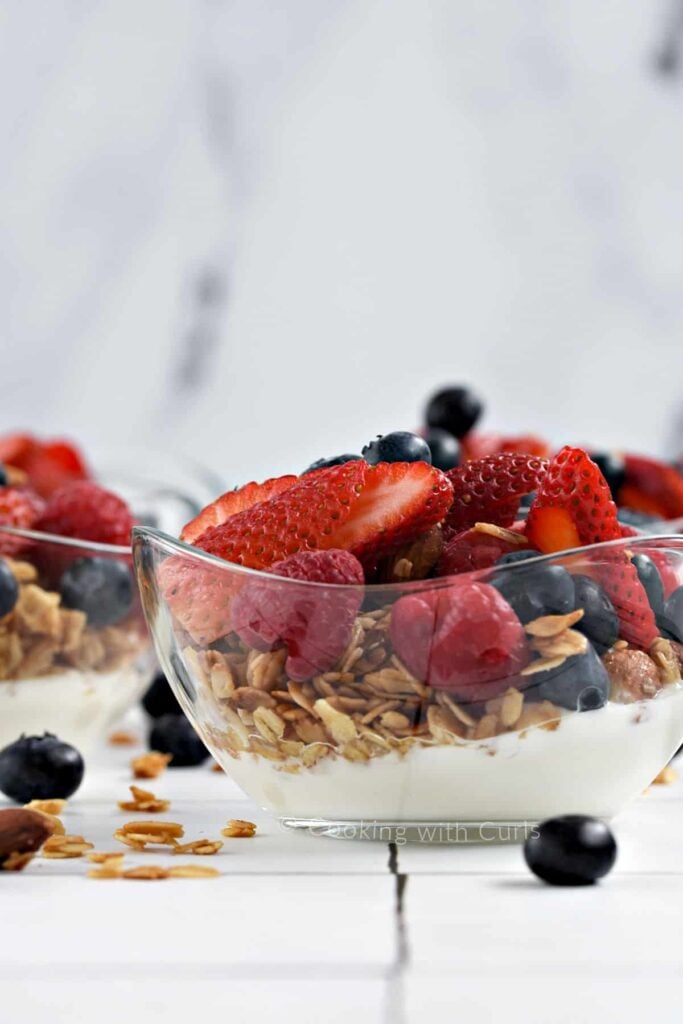
1. Greek yogurt with mixed berries and almonds
Greek yogurt with mixed berries and almonds delivers a simple protein-rich breakfast that takes just minutes to prepare. You’ll get around 15-20 grams of protein from half a cup of Greek yogurt alone.
Top your yogurt with a quarter cup of mixed berries like blueberries, strawberries, or raspberries. Add a tablespoon of almonds for healthy fats and extra crunch.
You can prepare it the night before or assemble it fresh in the morning.

2. Spinach and mushroom egg muffins
Spinach and mushroom egg muffins give you a protein boost that keeps you full for hours. You can make a batch in just 20 minutes using eggs, fresh spinach, and mushrooms.
These muffins work well for meal prep. Store them in your fridge for up to 5 days in an airtight container.
You can add cheese, bell peppers, or onions to change up the flavor while keeping the high protein benefits.

3. Overnight oats with chia seeds and peanut butter
This breakfast combines oats, chia seeds, and peanut butter for a protein-packed meal you can grab from the fridge. Mix rolled oats with milk, chia seeds, and a scoop of peanut butter, then let it sit overnight.
The oats soften while the chia seeds absorb liquid and create a creamy texture. Peanut butter adds healthy fats and extra protein to keep you full through the morning.
Prep several jars on Sunday for the week ahead. Top yours with banana slices or berries before eating.

4. Protein-packed smoothie with whey and banana
A whey protein smoothie with banana gives you a quick breakfast you can make in minutes. You just need three main ingredients: whey protein powder, a banana, and your choice of milk.
This smoothie delivers around 25 grams of protein per serving when you use a standard scoop of whey protein powder. The banana adds natural sweetness and helps create a smooth, creamy texture.
Drink this after your workout or as a morning meal.

5. Cottage cheese with sliced peaches and walnuts
This protein-packed breakfast takes just minutes to prepare. Simply combine creamy cottage cheese with fresh or canned peach slices and top it with walnuts for crunch.
Each serving delivers around 14 grams of protein. The cottage cheese provides the protein base while peaches add natural sweetness.
Walnuts bring healthy fats and a satisfying texture contrast. Use fresh peaches when in season or canned peaches year-round.

6. Quinoa breakfast bowl with avocado and poached egg
This breakfast bowl gives you a solid protein boost from quinoa and eggs. You can make it in about 15 minutes on busy mornings.
Start with cooked quinoa as your base. Add a poached egg on top for extra protein.
Slice some fresh avocado for healthy fats that keep you full. Customize this bowl with vegetables like tomatoes, kale, or spinach.
Black beans or feta cheese work well too.

7. Freezer breakfast burritos with black beans and egg
These breakfast burritos pack around 30-35 grams of protein per serving. Make them with scrambled eggs, black beans, breakfast sausage, and cheese wrapped in a tortilla.
Freeze them for up to three months. When you need breakfast, just reheat one in the microwave for a few minutes.
The black beans add extra protein and fiber to keep you full. Customize them with different toppings like avocado or salsa before eating.

8. Almond flour pancakes with Greek yogurt topping
These pancakes deliver around 9-11 grams of protein per serving. You get protein from both the almond flour and Greek yogurt.
The almond flour makes them naturally gluten-free and lower in carbs than regular pancakes. They have a dense but fluffy texture that keeps you full longer.
Greek yogurt works as a topping instead of syrup. This adds probiotics for your gut health and extra protein without added sugar.
Make a batch ahead and freeze them for quick weekday breakfasts.

9. Smoked salmon and cream cheese on whole grain toast
This protein-rich breakfast combines smoked salmon with cream cheese on toasted whole grain bread. You get about 20 grams of protein per serving, plus healthy omega-3 fatty acids from the salmon.
The whole grain toast adds fiber to keep you full longer. Spread cream cheese on your toasted bread, then layer with smoked salmon.
Add capers, red onion, or fresh dill for extra flavor. This breakfast comes together in under 10 minutes.

10. Tofu scramble with bell peppers and spinach
Tofu scramble makes a protein-rich alternative to scrambled eggs. Crumble firm tofu and cook it with bell peppers and spinach in one pan.
The dish comes together in about 20 minutes. Season it with turmeric for color and nutritional yeast for a savory flavor.
The tofu provides complete protein while keeping the recipe plant-based and cholesterol-free.
Nutritional Benefits Of High Protein Breakfasts
Eating a high protein breakfast provides your body with essential nutrients that support muscle health, control hunger, and help maintain a healthy weight. Protein works differently than carbohydrates or fats, offering unique advantages when you eat it in the morning.
How Protein Supports Muscle Growth And Repair
Your muscles need protein to rebuild and grow stronger after daily activities and exercise. When you eat protein at breakfast, you give your body amino acids that repair muscle tissue damaged during sleep and previous workouts.
Protein synthesis happens most effectively when you spread protein intake throughout the day rather than eating it all at once. Starting with a high protein breakfast ensures your muscles get nutrients early.
Most adults need about 15-30 grams of protein at breakfast to maximize muscle protein synthesis. Your body breaks down muscle tissue naturally during sleep.
A protein-rich breakfast stops this breakdown and shifts your body into building mode. Your muscles need constant maintenance to stay healthy and functional.
Impact On Satiety And Energy Levels
Protein keeps you full longer than carbohydrates or fats. It slows down digestion and helps stabilize your blood sugar levels throughout the morning.
When you eat protein at breakfast, your body releases hormones that signal fullness to your brain. These hormones include peptide YY and GLP-1.
At the same time, protein reduces ghrelin, the hormone that makes you feel hungry. You’ll likely experience steady energy levels instead of the mid-morning crash that often follows a carb-heavy breakfast.
Protein provides sustained fuel because it doesn’t cause rapid spikes and drops in blood sugar. This stable energy helps you stay focused and productive during morning tasks.
Role In Weight Management
High protein breakfasts can help you control your weight by reducing overall calorie intake throughout the day. When you feel satisfied after breakfast, you’re less likely to snack or overeat at lunch.
Studies show that people who eat protein-rich breakfasts consume fewer calories during the rest of the day compared to those who eat low-protein morning meals. Protein also has a higher thermic effect than other nutrients, meaning your body burns more calories digesting it.
Your metabolism gets a boost from protein because it requires more energy to process. About 20-30% of protein calories are used during digestion, compared to 5-10% for carbohydrates and 0-3% for fats.
Tips For Maximizing Protein Intake In The Morning
Getting enough protein at breakfast requires smart choices about what you eat and how you combine foods. Focus on pairing proteins with the right carbs, exploring plant options, and steering clear of common mistakes that reduce your protein intake.
Pairing Protein With Healthy Carbohydrates
Combining protein with healthy carbs gives you steady energy and helps you feel full longer. When you eat protein alone, you might still feel hungry within an hour or two.
Good carb choices include whole grain toast, oatmeal, quinoa, and fresh fruit. These foods digest slowly and work well with protein-rich foods.
For example, you can pair scrambled eggs with whole wheat toast or add Greek yogurt to a bowl of oatmeal with berries.
Smart protein and carb combinations:
- Eggs with sweet potato hash
- Greek yogurt with berries and granola
- Whole grain toast with almond butter
- Cottage cheese with sliced peaches
- Protein smoothie with banana and oats
The key is choosing carbs that contain fiber. This slows down digestion and keeps your blood sugar stable throughout the morning.
Incorporating Plant-Based Protein Options
Plant-based proteins offer variety and work for all eating styles. You don’t need to eat meat or dairy to hit your protein goals at breakfast.
Tofu scrambles provide about 10 grams of protein per serving and taste great with vegetables. Hemp seeds contain 10 grams of protein per 3 tablespoons and blend easily into smoothies or oatmeal.
Chia seeds offer 5 grams of protein per 2 tablespoons plus healthy omega-3 fats.
High-protein plant foods for breakfast:
- Tofu (10g per half cup)
- Tempeh (15g per half cup)
- Hemp seeds (10g per 3 tablespoons)
- Nut butters (7-8g per 2 tablespoons)
- Chickpeas (7g per half cup)
Mix different plant proteins to get all the amino acids your body needs. Add peanut butter to whole grain toast or blend silken tofu into your morning smoothie.
Avoiding Common Breakfast Pitfalls
Many breakfast foods seem healthy but contain very little protein. Pastries, muffins, bagels, and most cereals give you mostly carbs and sugar with minimal protein.
Fruit juice and sweetened coffee drinks also lack protein and can spike your blood sugar. A medium bagel with cream cheese might only have 8 grams of protein, while a veggie omelet with cheese provides 20 grams or more.
Watch out for protein bars that contain more sugar than protein. Read labels carefully and choose bars with at least 15 grams of protein and less than 10 grams of sugar.
Greek yogurt with fruit beats flavored yogurt cups that pack added sugars. Skip breakfast foods marketed as healthy but loaded with refined carbs.
Toast with butter gives you about 4 grams of protein, but adding two eggs bumps it up to 16 grams. Small changes like these make a big difference in your total protein intake.
Frequently Asked Questions
High-protein breakfasts support weight loss, muscle building, and sustained energy throughout the morning. The right breakfast combinations can deliver 15-33 grams of protein while meeting various dietary preferences and time constraints.
What are some quick high-protein breakfast options for weight loss?
Greek yogurt with mixed berries and almonds takes less than five minutes to prepare and delivers substantial protein. You can also make protein-packed smoothies with whey and banana that blend in under two minutes.
Cottage cheese with sliced peaches and walnuts requires no cooking at all. These options keep you full longer, which helps reduce snacking between meals.
Can you suggest high-protein vegetarian breakfast ideas?
Spinach and mushroom egg muffins provide complete protein without meat. You can bake these ahead and reheat them throughout the week.
Overnight oats with chia seeds and peanut butter offer plant-based protein that you prepare the night before. Greek yogurt parfaits with nuts and seeds give you 15-25 grams of protein per serving.
Tofu scrambles work well for vegans. Protein smoothies with plant-based powder also make a good choice.
How can I prepare a protein-rich Indian breakfast?
Moong dal chilla (lentil pancakes) provides about 12-15 grams of protein per serving. You can make paneer bhurji (scrambled cottage cheese) for 20+ grams of protein.
Sprouts with poha adds protein through sprouted beans. Besan (chickpea flour) chilla gives you plant-based protein in a savory pancake.
Add a side of Greek yogurt or protein-enriched lassi to boost protein content. These options help increase your breakfast protein intake.
What are the best high-protein breakfast choices for muscle gain?
Aim for 25-30 grams of protein at breakfast to support muscle growth. Egg muffins with spinach and mushrooms deliver around 18-20 grams per serving when made with three eggs.
Combine Greek yogurt with nuts and add a scoop of protein powder to reach 30+ grams. Cottage cheese bowls with fruit and nut butter provide slow-digesting casein protein.
Protein smoothies with whey, banana, and peanut butter easily hit 25-33 grams per shake.
How to incorporate 30 grams of protein into my morning meal?
Mix two protein sources to reach 30 grams easily. Start with Greek yogurt (15-20 grams) and add two tablespoons of nuts or seeds (6-8 grams).
Combine three eggs (18 grams) with a slice of whole grain toast with peanut butter (8 grams). Protein smoothies work well when you blend protein powder (20-25 grams) with milk (8 grams) and nut butter (4 grams).
Cottage cheese (14 grams per half cup) pairs with overnight oats made with milk and chia seeds to reach your goal.
What high-protein breakfast recipes are suitable for meal prep?
Spinach and mushroom egg muffins store in the refrigerator for up to five days. You can bake a dozen at once and grab them each morning.
Prepare overnight oats with chia seeds and peanut butter in mason jars for the whole week.
Layer Greek yogurt parfaits in containers and keep the nuts separate until eating.
Hard-boiled eggs last seven days in the shell.
Freeze breakfast burritos with eggs and beans for up to three months.