
Making candy at home is easier than you might think. You can create delicious sweet treats with basic ingredients and simple kitchen tools.
Whether you want to make gifts for friends or just enjoy homemade sweets, you don’t need fancy equipment or professional training.
This guide shows you how to make classic candies like fudge, caramels, and brittles in your own kitchen. You’ll learn recipes for chocolate treats, chewy candies, and crunchy favorites.
Each recipe uses straightforward steps that work for beginners and experienced cooks alike.
You’ll also find helpful tips for getting your candy right every time. The guide covers proper storage methods and creative ways to package your homemade treats as gifts.
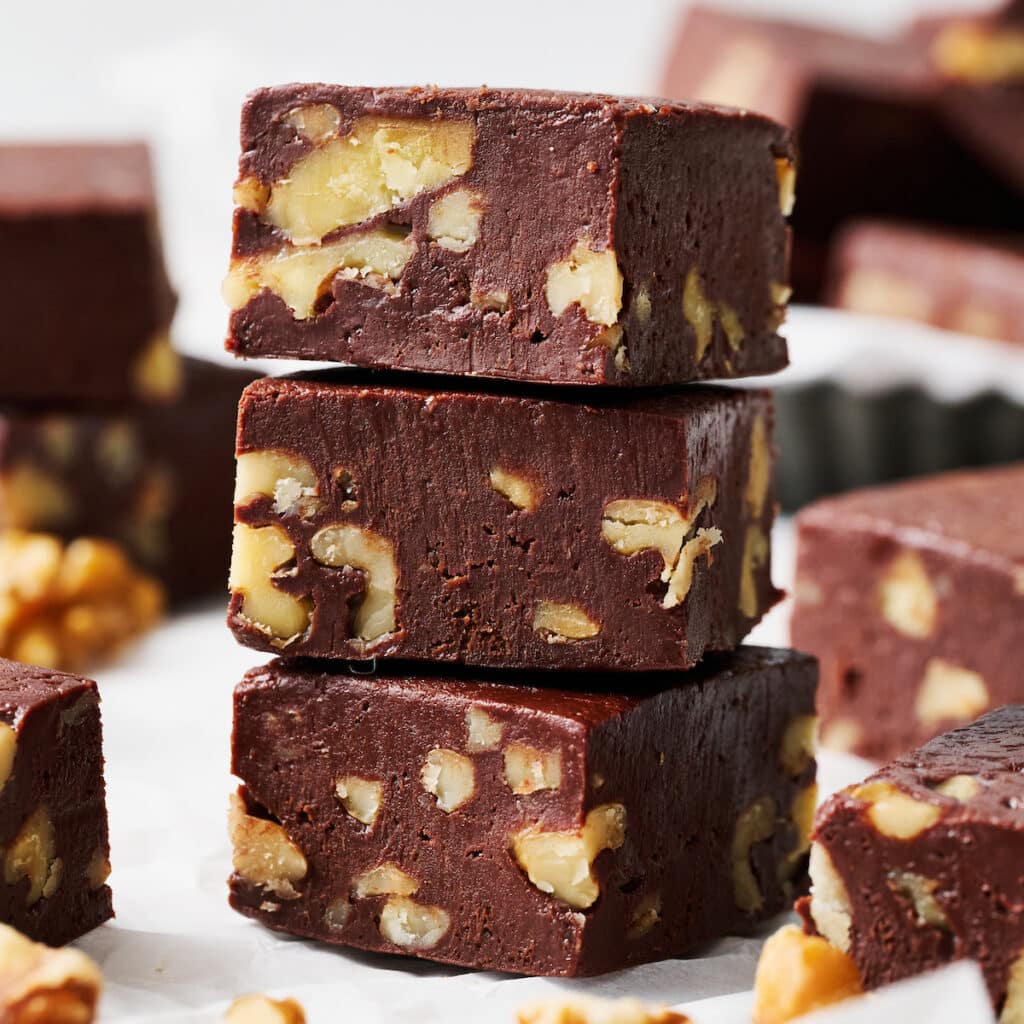
1. Classic Chocolate Fudge
Classic chocolate fudge is one of the easiest homemade candies you can make. You only need a few basic ingredients like quality chocolate, sweetened condensed milk, vanilla, and a pinch of salt.
The process is simple and takes about 20 minutes on your stovetop. Melt and stir the ingredients together, then pour the mixture into a pan to set.
Use this recipe as a base if you want to add mix-ins like nuts, marshmallows, or candy pieces.

2. Peanut Butter Buckeyes
Buckeyes are classic no-bake candies that combine peanut butter and chocolate. They get their name because they look like nuts from Ohio buckeye trees.
Mix peanut butter with powdered sugar and butter. Roll the mixture into balls and dip them in melted chocolate, leaving a small circle of peanut butter showing at the top.
You only need about five or six basic ingredients. The recipe is simple enough for holidays or any time you want a sweet treat.
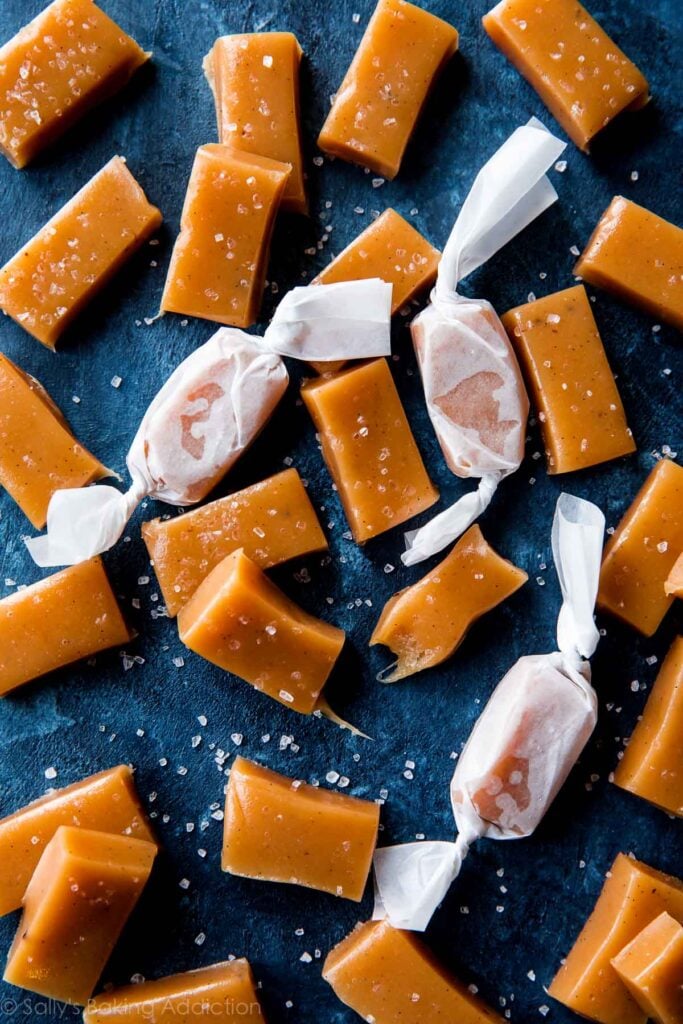
3. Homemade Caramels
Make soft, chewy caramels at home with just a few basic ingredients. Most recipes call for sugar, butter, heavy cream, and corn syrup.
Heat the ingredients together and cook them to the right temperature. A candy thermometer helps, but you can also follow visual cues.
Wrap the caramels in wax paper to keep them fresh. They taste much better than store-bought versions.
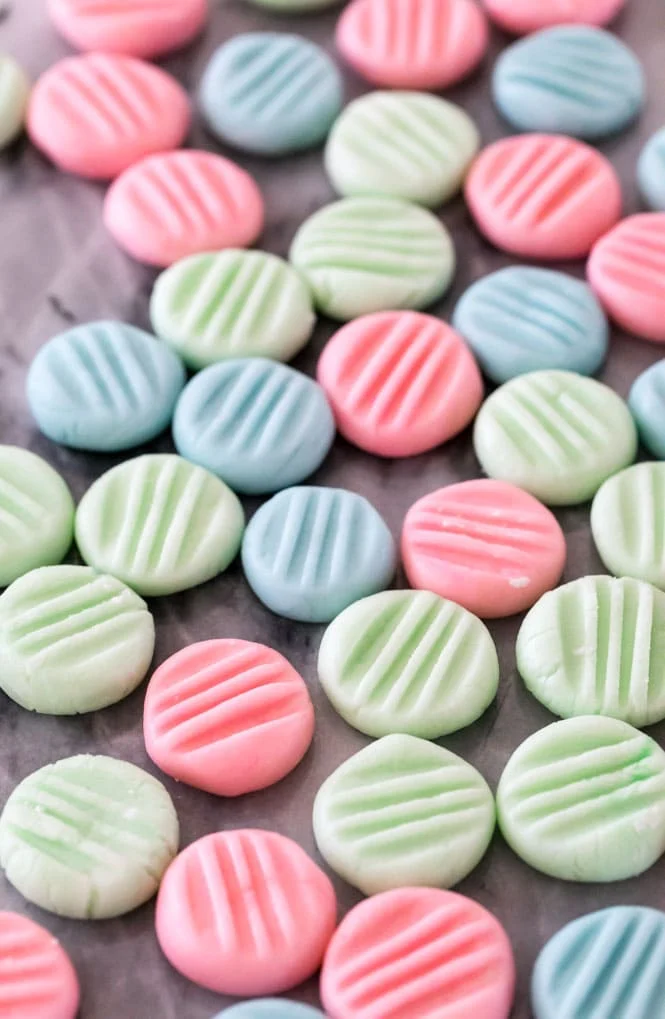
4. Cream Cheese Mints
Cream cheese mints are a simple no-bake candy that requires just five basic ingredients. You don’t need a stovetop or special equipment to make them.
These mints have a soft, creamy texture and a mild peppermint flavor. Shape them using candy molds or roll them into small balls.
They work well for weddings, baby showers, and holidays. Make them in different colors to match your event.
Store them in an airtight container. They keep in the freezer for up to two months.

5. Chocolate Bark with Nuts and Dried Fruit
Chocolate bark takes just minutes to make and needs no special equipment. Melt chocolate, spread it on a baking sheet, and add your toppings.
Choose dark, milk, or white chocolate as your base. Top it with almonds, walnuts, pistachios, or any nuts you like.
Add dried cranberries, cherries, apricots, or figs for sweetness. Customize this recipe based on what you have at home.
Once the chocolate sets, break it into pieces and enjoy.
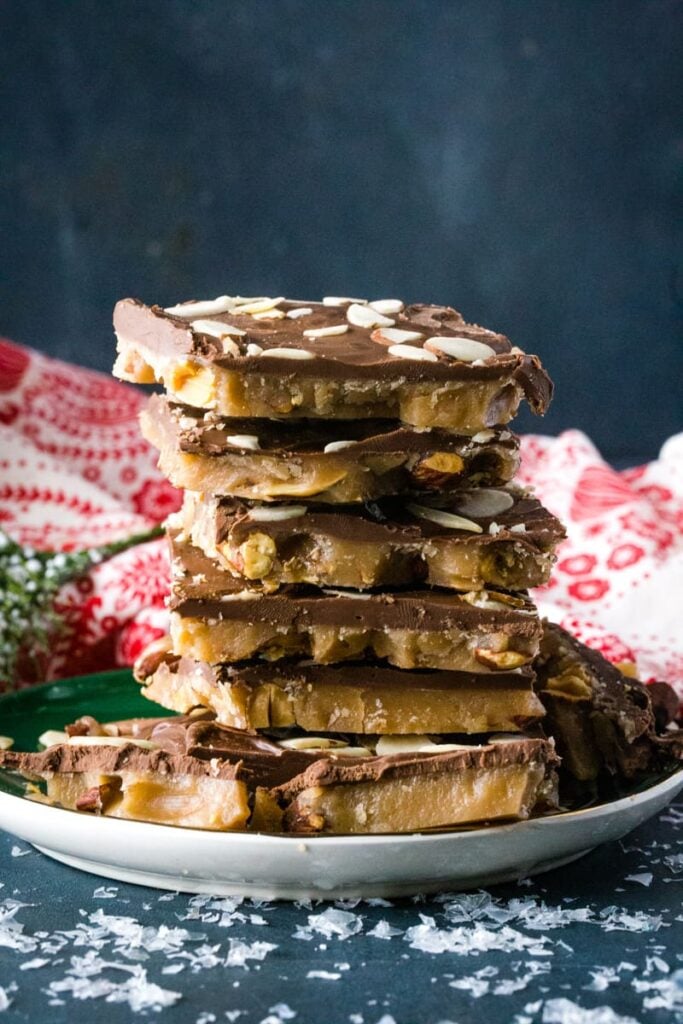
6. Old-Fashioned Toffee
Old-fashioned toffee is a classic candy that’s easier to make than you might think. Create a rich, buttery base that turns crispy as it cools.
Use butter, sugar, and a candy thermometer to get the right temperature. Once your toffee sets, top it with melted chocolate and chopped nuts like almonds or pecans.
Break it into pieces and store it in an airtight container for several weeks.
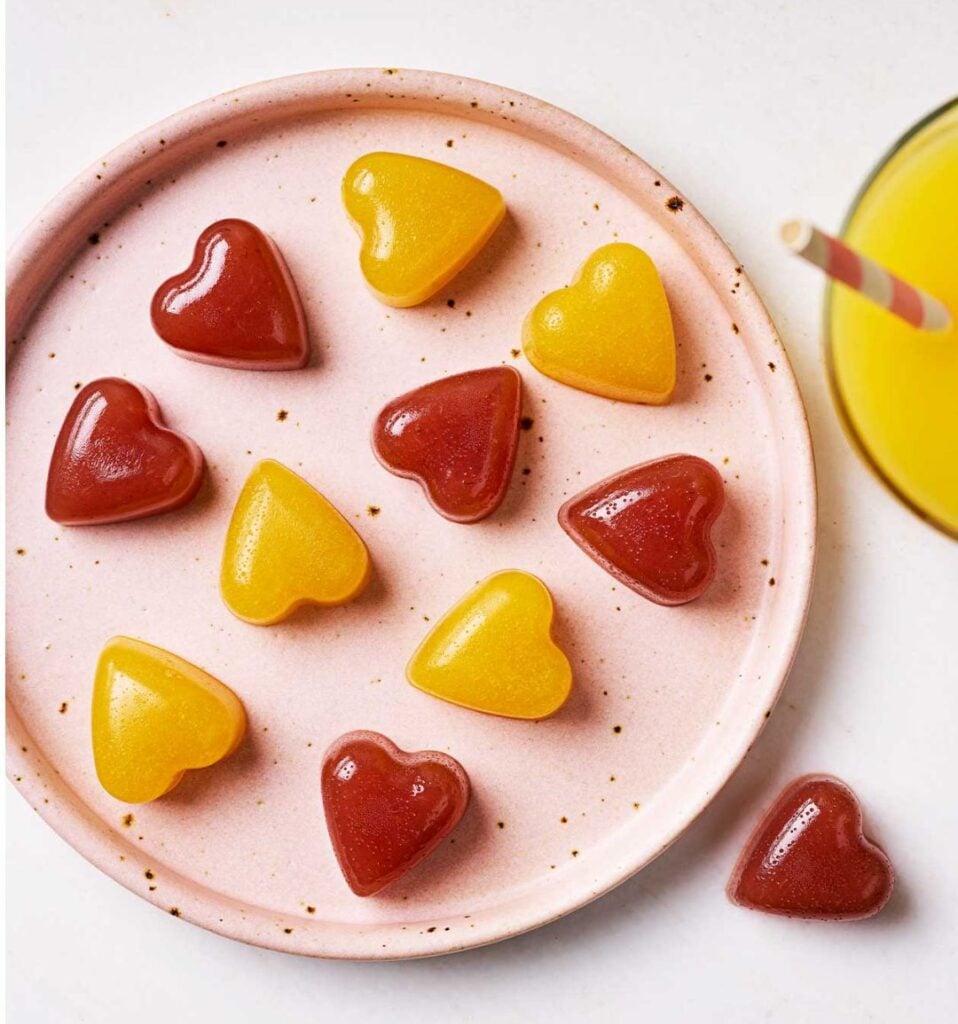
7. Fruit Jellies
Fruit jellies are colorful, chewy candies you can easily make at home. You’ll need fruit juice or puree, gelatin or pectin, and sugar as your main ingredients.
Mix your ingredients, boil them to the right temperature, then let the mixture set in the refrigerator for 2-3 hours. Use almost any fruit juice like orange, pomegranate, or grapefruit.
Cookie cutters help you create fun shapes for holidays and parties. Once set, cut your jellies and roll them in sugar for a sparkly finish.
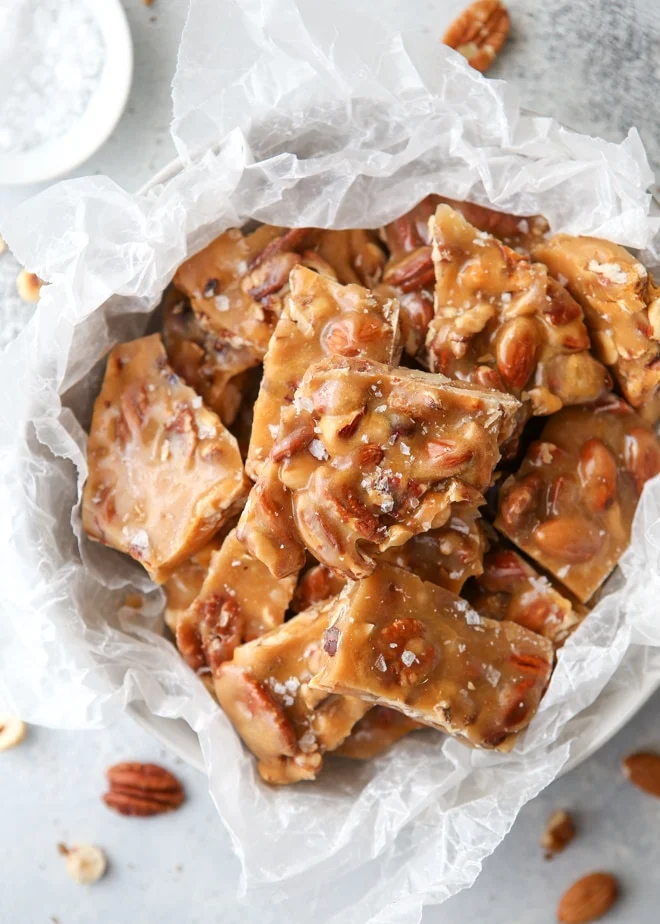
8. Salted Nut Brittle
Salted nut brittle combines sweet caramelized sugar with crunchy nuts and a hint of salt. Make it with peanuts, almonds, cashews, or mixed nuts.
Use sugar, butter, and your choice of nuts. Cook everything on the stovetop until it reaches the right temperature, then spread it thin to cool.
The salt balances the sweetness and makes the flavors more interesting. This candy works well for holiday gifts or as a treat to keep at home.

9. Homemade Marshmallows
Make soft, fluffy marshmallows at home with just a few basic ingredients. Use a candy thermometer and a stand mixer to get the right texture.
Let them set for several hours or overnight before cutting them into shapes. Use them in hot chocolate, s’mores, or package them as gifts.
Make classic vanilla marshmallows or try different flavors like peppermint or chocolate.

10. Chocolate-Covered Pretzels
Chocolate-covered pretzels give you the perfect mix of sweet and salty in every bite. Use any pretzel shape you like and your favorite type of chocolate.
Melt your chocolate, dip the pretzels, and let them set. Add sprinkles or drizzle extra chocolate on top if you want.
These pretzels work great for parties or gifts. They stay firm at room temperature, making them easy to store and share.
Tips for Perfecting Homemade Candy
Using the right tools, controlling temperature precisely, and knowing how to fix problems when they occur will help you succeed in candy making. These skills turn simple ingredients into professional-quality treats.
Essential Tools and Ingredients
A reliable candy thermometer is your most important tool. Digital thermometers give you accurate readings within seconds, while traditional glass thermometers work well if you check them at eye level.
Use a heavy-bottomed saucepan to prevent hot spots that can burn sugar. Keep these basic ingredients on hand: granulated sugar, corn syrup, butter, cream, and vanilla extract.
Corn syrup prevents sugar crystals from forming and keeps your candy smooth. Use real butter instead of margarine for better flavor and texture.
A silicone spatula helps you stir hot mixtures safely. Parchment paper or silicone mats make cleanup easier and prevent sticking.
Measuring cups and spoons must be accurate since candy recipes require exact proportions.
Temperature and Timing Techniques
Each candy type requires a specific temperature range. Soft ball stage reaches 235-240°F for fudge, while hard crack stage hits 300-310°F for brittle and lollipops.
Test your thermometer in boiling water before you start. It should read 212°F at sea level.
Adjust your target temperatures if you live at high altitude since water boils at lower temperatures. Never stir candy mixtures unless the recipe tells you to.
Stirring creates sugar crystals that make your candy grainy. Watch your pot carefully because temperatures rise quickly near the end of cooking.
A difference of just five degrees changes your results dramatically. Use a timer to track cooking stages.
Remove your pan from heat immediately when you reach the target temperature since the mixture keeps cooking from residual heat.
Troubleshooting Common Candy Making Challenges
Grainy fudge happens when sugar crystals form too early. Make sure all sugar dissolves before the mixture boils.
Brush down the sides of your pan with a wet pastry brush to remove any crystals. If your caramel separates or looks oily, the fat separated from the sugar.
Stir in a tablespoon of hot water and whisk vigorously to bring it back together. Sticky candy that won’t set usually didn’t reach the right temperature.
You can’t fix undercooked candy, so always use a thermometer instead of guessing. Hard candy that turns cloudy absorbed moisture from the air.
Store it in an airtight container with wax paper between layers. Always grease pans thoroughly or use parchment paper to prevent candy from sticking.
Storing and Gifting Homemade Candy
Proper storage keeps your homemade candies fresh and ready to enjoy or share. Thoughtful packaging transforms them into memorable gifts.
Best Practices for Candy Storage
Different types of candy need different storage methods to stay fresh. Hard candies and lollipops last longest when you wrap each piece in wax paper or cellophane and store them in an airtight container at room temperature.
They can stay fresh for several weeks this way. Soft candies like fudge and caramels need individual wrapping to prevent sticking.
Use wax paper or parchment paper to separate pieces, then place them in an airtight container. Store these at room temperature for up to two weeks, or refrigerate them for up to a month.
Chocolate-based candies require cool, dry storage away from direct sunlight. Keep them at 60-70°F to prevent melting or developing a white coating called bloom.
Avoid storing chocolate in the refrigerator unless your home is very warm, as temperature changes can affect the texture. For candies that get sticky, dust them lightly with cornstarch or powdered sugar before storing.
This creates a barrier that prevents pieces from clinging together.
Creative Packaging Ideas
Clear cellophane bags tied with colorful ribbons work well for most candy types. You can see the treats inside, which makes them more appealing as gifts.
Add a simple gift tag with the candy name and date you made it. Mason jars create charming containers for layered candies or mixed assortments.
Stack different varieties in attractive patterns, then decorate the lid with fabric circles secured with twine or ribbon. Small decorative tins or boxes from craft stores offer reusable packaging options.
Line them with tissue paper or cupcake liners to protect the candy and add visual interest. You can also use cookie tins, which provide sturdy protection for delicate treats during transport.
Frequently Asked Questions
Making candy at home involves basic techniques and common ingredients that anyone can master with practice. You can create everything from simple chocolate treats to traditional hard candies using standard kitchen tools.
What are some simple candy recipes that require only a few ingredients?
Chocolate bark needs just melted chocolate and your choice of toppings like nuts or dried fruit. Spread the chocolate on a baking sheet and add your toppings before it sets.
Cream cheese mints require only cream cheese, powdered sugar, and peppermint extract. Mix these ingredients together, shape them into small discs, and let them dry.
Peanut butter fudge uses peanut butter, butter, vanilla, and powdered sugar. Melt the ingredients together and pour them into a pan to set.
How can I make homemade candy suitable for children?
Choose recipes that don’t require cooking sugar to high temperatures. Chocolate bark, no-bake cookies, and cream cheese mints are good options because they involve minimal heat.
Let children help with safe tasks like mixing ingredients, adding toppings, or decorating finished candies. Keep them away from hot stovetops and melted sugar.
Avoid recipes with alcohol-based flavorings or raw eggs. Stick to simple ingredients like chocolate, peanut butter, and basic extracts.
What are the top 10 most popular candies to make at home?
Chocolate fudge ranks as one of the most common homemade candies because it requires basic ingredients and simple steps. Peanut butter buckeyes follow closely as a favorite for their combination of peanut butter and chocolate.
Homemade caramels remain popular despite needing more attention during cooking. Chocolate bark offers endless variation options with different toppings.
Peanut brittle, toffee, and divinity show up frequently in home kitchens. Truffles, marshmallows, and peppermint patties round out the top ten choices.
Chocolate peanut butter cups need chocolate chips, peanut butter, and powdered sugar. Melt the chocolate, mix peanut butter with powdered sugar for the filling, and layer them in muffin cups.
Coconut balls require sweetened condensed milk, shredded coconut, and powdered sugar. Mix everything together and roll into balls.
Rice crispy treats use marshmallows, butter, and crispy rice cereal. Melt the marshmallows with butter, stir in the cereal, and press into a pan.
What are some traditional old-fashioned candy recipes?
Peanut brittle has been made for over a century using sugar, corn syrup, peanuts, butter, and baking soda. Cook the sugar mixture to the hard crack stage before adding the nuts.
Divinity dates back to the early 1900s and uses egg whites, corn syrup, and sugar. Beat hot sugar syrup into whipped egg whites to make this fluffy white candy.
Pulled taffy became popular in the late 1800s. Cook sugar and flavorings to a specific temperature, then pull the mixture until it becomes light and chewy.
Horehound drops and ribbon candy were common Victorian-era treats. Cook sugar syrups and practice to master these candies.
How do I make hard candies at home?
You need granulated sugar, corn syrup, water, and flavoring extracts. Use a candy thermometer to monitor the temperature accurately.
Combine sugar, corn syrup, and water in a heavy saucepan. Cook the mixture without stirring until it reaches 300°F to 310°F, which is the hard crack stage.
Remove the pan from heat and add your flavoring and food coloring if desired. Pour the mixture into greased molds or onto a greased baking sheet.
Let the candy cool completely before breaking it into pieces or removing it from molds. Store hard candies in an airtight container.