
Homemade soup brings comfort and warmth to any meal, no matter the season. Whether you’re looking for a light lunch or a filling dinner, soup offers endless options that fit your needs.
From creamy chowders to broth-based classics, you can easily make these dishes with ingredients you already have at home. This collection includes recipes for popular soups like chicken noodle, broccoli cheese, French onion, and clam chowder, along with tips for making and storing them properly.
You’ll learn basic techniques that help you create better soups every time. These recipes work well for weeknight meals, meal prep, or when you want something cozy and satisfying.
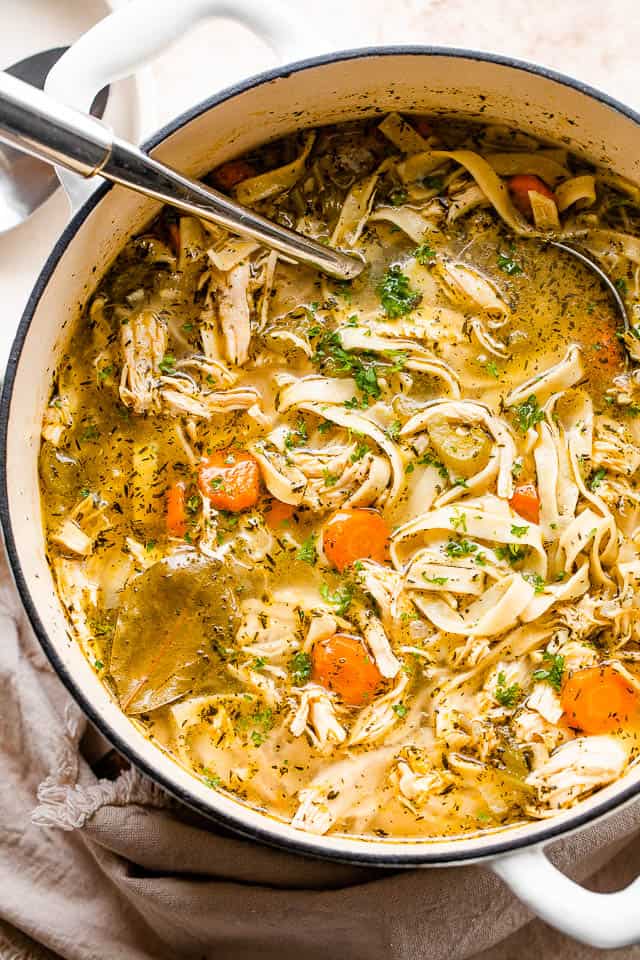
1. Classic Chicken Noodle Soup
Classic chicken noodle soup brings together tender chicken, egg noodles, and fresh vegetables in a flavorful broth. You can make it with bone-in chicken pieces or use leftover cooked chicken to save time.
The key ingredients include carrots, celery, and onions cooked in chicken broth. Most recipes take about 30 minutes to prepare on your stovetop.
This soup works well for busy weeknights or when you need something warm and filling. You’ll find it easy to customize with your preferred vegetables and seasonings.

2. Rich and Creamy Broccoli Cheese Soup
Broccoli cheese soup combines tender broccoli florets with sharp cheddar in a smooth, creamy base. You can make this restaurant-quality soup at home in about 35 to 40 minutes using simple ingredients.
The soup works well as a main dish when you serve it with crusty bread. You’ll get the best texture when you shred your own cheese instead of using pre-shredded varieties.
This recipe uses milk, half-and-half, and real cheddar cheese to create its signature richness.

3. French Onion Soup with Gruyère
French onion soup brings together caramelized onions, savory broth, toasted bread, and melted Gruyère cheese. The key is cooking your onions low and slow until they turn golden brown and sweet.
You’ll need yellow onions, beef or vegetable broth, and good quality Gruyère cheese. The cheese melts perfectly under the broiler, creating that signature bubbly, golden crust on top.
This soup takes about an hour to make, but most of that time is just letting the onions caramelize.

4. Hearty Vegetable Beef Soup
This classic soup combines tender beef chunks with fresh vegetables in a rich, savory broth. You’ll need beef stew meat, potatoes, carrots, and green beans as your base ingredients.
The beef simmers until it becomes fork-tender while the vegetables cook to perfection. The result is a filling one-pot meal that works well for cold evenings.
You can make this soup ahead and freeze portions for later. It reheats easily and often tastes even better the next day.

5. New England Clam Chowder
This creamy soup brings comfort to any cold day. You’ll find tender potatoes, savory bacon, and plenty of clams in a rich broth.
The recipe comes together in under an hour using simple ingredients. You can use canned clams to make it easier.
The bacon adds a sweet flavor that balances the clams perfectly. Your chowder will have a thick, creamy texture without being too heavy.
Each spoonful delivers the classic taste of New England’s coast right to your kitchen.

6. Thick and Creamy Potato Soup
Potato soup delivers comfort in a bowl with its rich, velvety texture. You can make this hearty soup using russet or Yukon gold potatoes as your base.
The key to thick potato soup is using a simple roux and blending some of the cooked potatoes while leaving chunks for texture. You’ll cook potatoes with onions in butter or bacon grease, then add broth and cream.
Top your bowl with shredded cheddar cheese, crispy bacon bits, and green onions. This soup takes under an hour to make on the stovetop.

7. Split Pea Soup with Ham
Split pea soup with ham makes good use of leftover ham bones and simple ingredients. You’ll need dried split peas, carrots, celery, onions, and either a ham bone or chopped ham pieces.
The split peas break down naturally as they cook, creating a thick texture without needing cream or blending. The ham adds a smoky, savory flavor to the broth.
You can make this soup on your stovetop or in a slow cooker. It freezes well, so you can prepare a large batch for later meals.

8. Spicy Chicken Tortilla Soup
This soup brings together shredded chicken, black beans, and corn in a tomato-based broth with a kick of heat. You can make it in one pot on your stove in about an hour.
The toppings make this soup special. Add sour cream, shredded cheese, avocado, or crispy tortilla strips on top.
You can adjust the spice level by choosing mild or hot peppers and seasonings. Store leftovers in your fridge for an easy lunch.

9. Tomato Basil Bisque
Tomato basil bisque delivers restaurant-quality comfort in about 30 minutes. This creamy soup combines tomatoes, fresh basil, and heavy cream for a rich, smooth texture.
You can use either canned or fresh tomatoes to make this recipe. The soup gets its depth from simple ingredients like broth, garlic, and aromatic basil.
Serve your bisque with grilled cheese sandwiches for a classic pairing. The recipe works well for meal prep since it freezes easily for later use.

10. Easy Creamy Corn Chowder
This soup takes just 30 minutes to make from start to finish. You’ll combine sweet corn with diced potatoes and cream to create a smooth, filling base.
Cook bacon first and save some of the drippings. Use them to cook your vegetables for extra flavor.
The potatoes and cream give you a thick texture that makes this chowder satisfying. You can use fresh corn when it’s available or canned corn year-round.
Add some cheddar cheese if you want more richness.
Essential Techniques for Homemade Soups
Good soup starts with a strong foundation and proper technique. The way you build your broth, balance your seasonings, and control texture determines whether your soup tastes flat or full of flavor.
Building Flavorful Broths and Stocks
A good broth forms the backbone of any soup. Start by roasting bones and vegetables at 400°F for 30-40 minutes before simmering them in water.
This creates deeper flavor through caramelization. Add aromatics like onions, carrots, and celery early in the cooking process.
Keep your stock at a gentle simmer, not a rolling boil. Boiling makes the broth cloudy and can create bitter flavors.
Skim the foam and fat from the surface during the first hour of cooking. This keeps your broth clean-tasting.
For chicken or beef stock, simmer for 4-8 hours. Vegetable stock only needs 1-2 hours.
Quick broth tips:
- Use cold water to start, which helps extract more flavor from ingredients
- Add hardy herbs like thyme and bay leaves early
- Save Parmesan rinds, mushroom stems, and vegetable scraps for extra depth
- Salt your stock lightly since it will concentrate as it reduces
Balancing Seasonings and Aromatics
Layer your flavors instead of adding everything at once. Start by sautéing onions, garlic, and other aromatics in oil or butter until they soften.
This releases their essential oils and builds a flavor base. Add dried spices early so they bloom in the fat.
Fresh herbs should go in near the end to preserve their brightness. Salt your soup in stages, tasting as you go.
Acid brightens soup and makes other flavors pop. Add a squeeze of lemon juice, splash of vinegar, or diced tomatoes near the end of cooking.
Don’t forget umami boosters like soy sauce, fish sauce, or tomato paste. Just a tablespoon can make your soup taste richer without being identifiable.
Mastering Soup Textures
Different soups need different textures to work properly. Pureed soups should be smooth and velvety.
Chunky soups need ingredients cut to similar sizes so they cook evenly. For creamy soups without cream, blend in cooked potatoes, white beans, or cashews.
These create body naturally. If you want a thicker soup, make a slurry by mixing 2 tablespoons of cornstarch with cold water before stirring it in.
Control your cooking times carefully. Add quick-cooking ingredients like greens or pasta toward the end.
Tough vegetables and proteins need more time at the start.
Texture control methods:
- Partially blend soup for a chunky-smooth combination
- Add rice or pasta to naturally thicken brothy soups
- Stir in a handful of breadcrumbs or ground nuts for body
- Keep cooked grains and noodles separate until serving to prevent mushiness
Tips for Serving and Storing Soup
Homemade soup stays fresh and flavorful when you follow proper storage methods and reheating techniques. The right garnishes can turn a simple bowl of soup into something special.
Best Practices for Reheating Soup
You should reheat soup slowly over medium heat on the stovetop for the best results. Stir the soup frequently to distribute heat evenly and prevent burning on the bottom of the pot.
Bring your soup to a full boil if it contains meat, poultry, or seafood. This ensures the soup reaches a safe internal temperature of 165°F.
Use a food thermometer to check the temperature in the center of the pot. Microwave reheating works well for single servings.
Place your soup in a microwave-safe bowl and cover it with a lid or damp paper towel. Heat in 1-minute intervals, stirring between each interval until the soup is hot throughout.
Cream-based soups need extra care when reheating. Use low to medium heat and stir constantly to prevent the cream from separating or curdling.
Creative Garnishing Ideas
Fresh herbs add bright flavor and color to any soup. Sprinkle chopped parsley, cilantro, dill, or basil on top right before serving.
Crunchy toppings provide texture contrast. Try croutons, crispy bacon bits, toasted nuts, or fried onions.
A dollop of sour cream, Greek yogurt, or crème fraîche works well on pureed soups and chilis. Grated cheese melts beautifully into hot soup.
Use parmesan on Italian soups, cheddar on potato soup, or cotija on Mexican-style soups. A drizzle of good olive oil or a swirl of pesto adds richness and visual appeal.
Proper Storage and Freezing Methods
Cool your soup to room temperature within two hours of cooking. Divide large batches into smaller containers to speed up the cooling process.
Store soup in airtight containers in the refrigerator for 3-4 days. Leave about an inch of space at the top of containers since liquids expand when they freeze.
Freezer Storage Times:
- Vegetable soups: 2-3 months
- Chicken or meat soups: 2-3 months
- Bean soups: 2-3 months
- Cream-based soups: 1-2 months
Label each container with the soup name and date before freezing. Stack flat freezer bags to save space in your freezer.
Thaw frozen soup in the refrigerator overnight or reheat it directly from frozen over low heat.
Frequently Asked Questions
Making soup at home raises common questions about ingredients, techniques, and recipe choices. These answers will help you pick the right recipes and understand what makes certain soups work so well.
What are the essential ingredients for a classic homemade tomato soup?
A classic tomato soup starts with quality tomatoes as the base. You can use fresh tomatoes or canned whole tomatoes depending on the season.
You need butter or olive oil, onions, and garlic for the flavor foundation. Chicken or vegetable stock gives the soup its liquid base and depth.
Salt, pepper, and a pinch of sugar balance the acidity of the tomatoes. Many recipes add heavy cream or milk at the end for a smooth, rich texture.
Can you list some healthy soup recipes that are both flavorful and nutritious?
Vegetable-based soups give you plenty of nutrients without heavy cream or excess fat. A hearty vegetable soup with beans adds protein and fiber while keeping calories low.
Chicken noodle soup made with whole grain noodles and lots of vegetables offers lean protein and comfort. You can load it with carrots, celery, and herbs for extra nutrition.
Lentil soup provides plant-based protein and fills you up without added fats. Minestrone with fresh vegetables and white beans delivers vitamins and minerals in every spoonful.
What are some simple homemade soup recipes that require a minimal number of ingredients?
Tomato soup needs just six to eight ingredients and comes together in under 30 minutes. You only need tomatoes, onions, garlic, stock, and seasonings.
Potato soup works with potatoes, onions, stock, and milk or cream. You can add cheese and bacon as optional toppings.
A basic chicken noodle soup requires chicken, noodles, carrots, celery, and broth. The simple ingredient list makes it easy to keep these items on hand.
Which chicken soup recipes are considered favorites for homemade cooking?
Classic chicken noodle soup tops the list as the most popular homemade chicken soup. It combines tender chicken, egg noodles, and vegetables in a savory broth.
Chicken tortilla soup offers a spicy twist with tomatoes, corn, and Mexican seasonings. Top it with crispy tortilla strips and avocado for extra flavor.
Chicken and rice soup provides a hearty alternative to noodles. The rice absorbs the broth and creates a filling, comforting meal.
What are some timeless classic soup recipes that everyone should know how to make?
French onion soup with Gruyère cheese requires patience but delivers rich flavor. The caramelized onions and melted cheese create an unforgettable dish.
New England clam chowder brings creamy comfort with tender clams and potatoes. This coastal favorite has been a staple for generations.
Broccoli cheese soup combines vegetables with rich, creamy cheese sauce. It offers both nutrition and indulgence in one bowl.
Which soups are ranked among the top 10 in the world for flavor and satisfaction?
French onion soup ranks high globally for its deep, caramelized flavor and cheese-topped presentation. The combination of sweet onions and savory broth creates balance.
Tom yum from Thailand offers bold flavors with lemongrass, lime, and chili. Its hot and sour profile makes it stand out among world soups.
Pho from Vietnam combines aromatic broth with rice noodles and fresh herbs. The complex spice blend and long cooking time develop incredible depth.
Minestrone from Italy showcases seasonal vegetables in a tomato-based broth. Each region has its own version.
Clam chowder represents American soup traditions with its creamy, seafood-rich base. New England and Manhattan styles both have devoted fans worldwide.